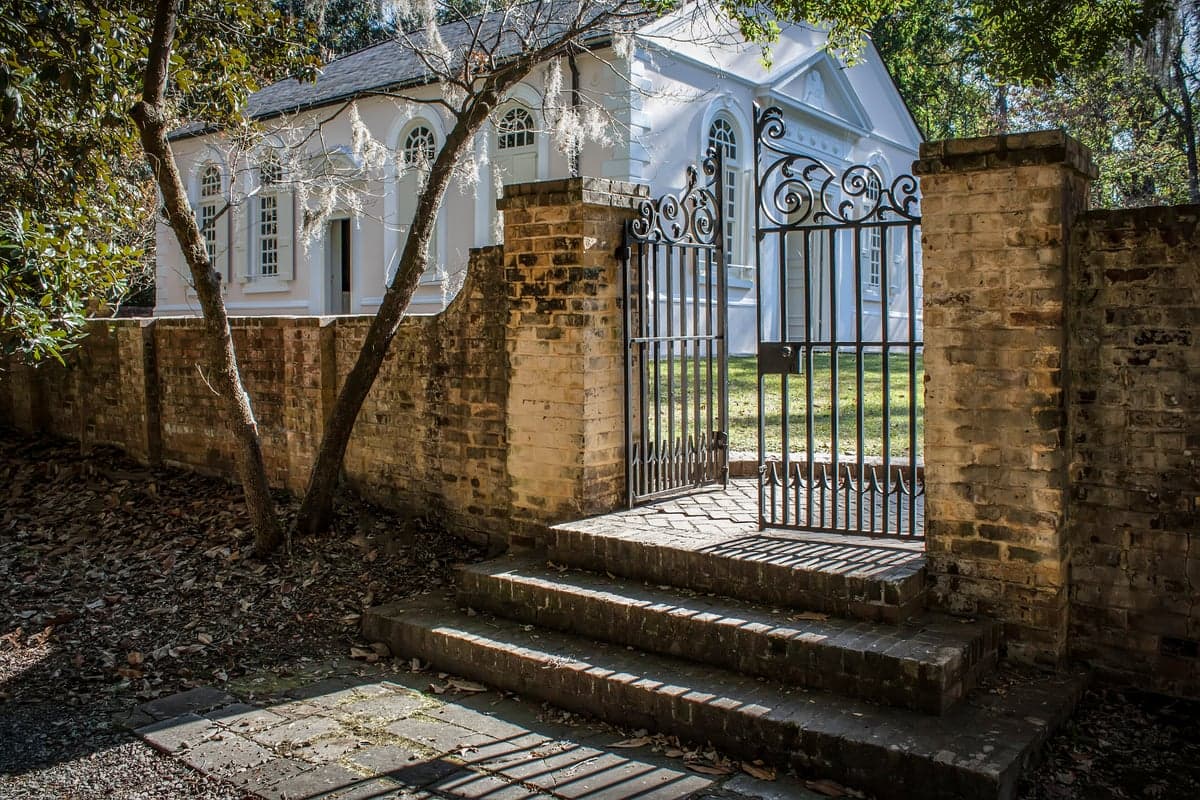
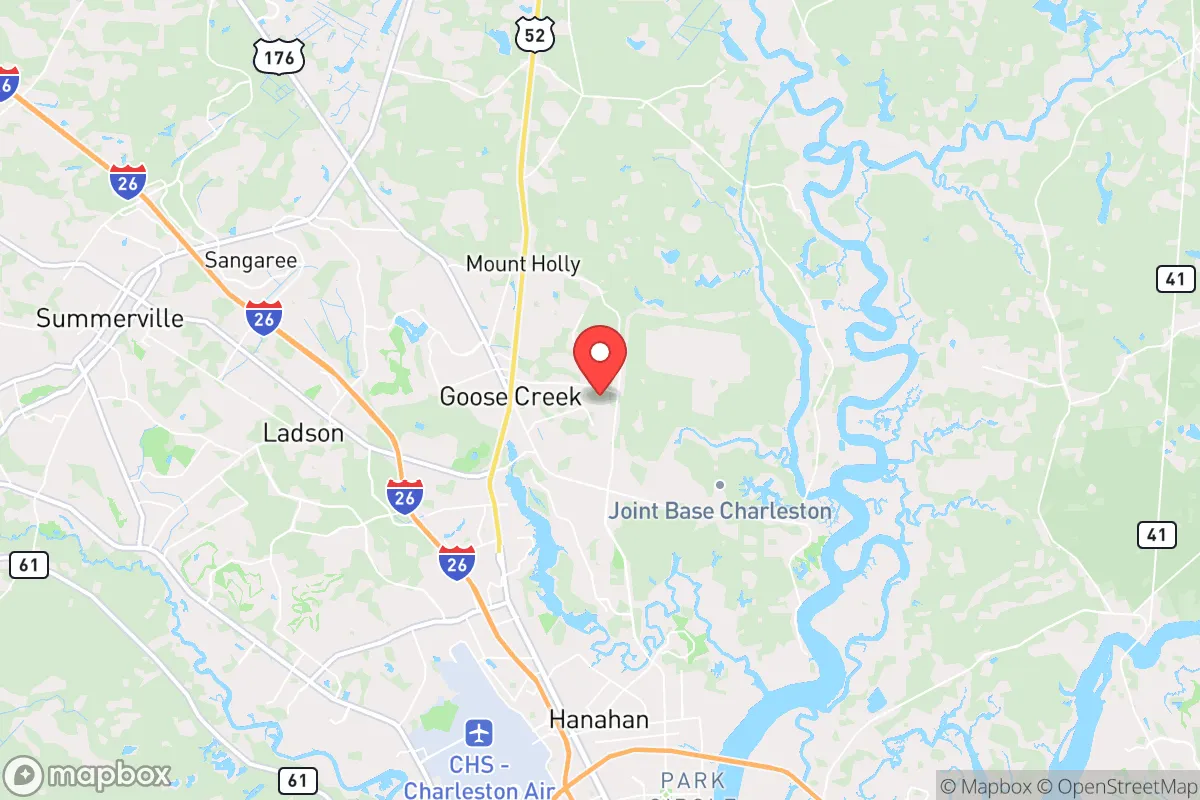
Photo: Wikipedia
Political ClimatePolitical Climate in Goose Creek, SC
District shown is the primary district for this city’s centroid. Cities may span multiple districts.
Local Political AnalysisPolitical Analysis of Goose Creek, SC
Goose Creek, South Carolina, has long been a solidly conservative community, and that hasn't changed much. With a Cook Partisan Voting Index (PVI) of R+6, the area leans reliably Republican in most elections, and that's a reflection of the values you'll find in day-to-day life here. The political trajectory has been steady—no wild swings toward the left, but you can feel a subtle pressure from the growing influence of Charleston and Mount Pleasant, which are trending more progressive. For folks who’ve been here a while, the concern isn’t about a sudden flip, but about a slow creep of policies that don’t fit the local character.
How it compares
If you look at the surrounding areas, the contrast is pretty clear. Summerville, just to the west, is still conservative but has a more suburban, family-focused vibe that sometimes leans into moderate territory. Charleston itself, about 20 miles southeast, is a different world—blue-leaning, with a lot of young professionals and transplants pushing for higher taxes and more regulations. Moncks Corner, north of Goose Creek, is even more rural and deeply red, often voting +20 or more for Republican candidates. Goose Creek sits right in the middle of that spectrum: conservative enough to feel safe, but close enough to the coast that you see some of the same cultural pressures. The R+6 rating tells you it’s not a battleground, but it’s not a lock either—especially if the state keeps drawing in out-of-state money and people who don’t share the local priorities.
What this means for residents
For the people living here, the political climate directly affects how much freedom you have in your daily life. Goose Creek has historically kept government small—low property taxes, minimal zoning headaches, and a general hands-off approach to things like home businesses or gun ownership. That’s a big part of why families and military folks from Joint Base Charleston settle here. But there’s a growing unease that as the region grows, you’ll see more overreach: stricter building codes, higher fees, and maybe even noise ordinances that target the kind of rural lifestyle people moved here for. The local city council has stayed mostly conservative, but every election cycle brings candidates who talk about “smart growth” and “sustainability”—code words for more rules and less personal choice. If you value being left alone to live your life without a bunch of red tape, this is still a good spot, but you’ve got to keep an eye on the ballot box.
Culturally, Goose Creek holds onto a few distinctions that set it apart from the coastal cities. You won’t find the same push for bike lanes or historic district overlays here—people still drive trucks, hunt on private land, and don’t think twice about flying the Gadsden flag. The local schools and churches are deeply woven into the community, and there’s a strong sense that the government should stay out of the classroom and the pulpit. The biggest long-term concern isn’t a sudden political shift—it’s the slow erosion of that independence as the area gets more crowded and more influenced by outsiders who don’t understand why people moved here in the first place. If you’re thinking about relocating, know that Goose Creek is still a place where your rights come first, but you’ll need to stay engaged to keep it that way.

State Political ClimatePolitical Climate in South Carolina
State Political AnalysisPolitical Environment in the State
South Carolina has long been a reliably red state, but the political climate here is more layered than a simple "Republican" label suggests. The state leans solidly Republican at the statewide level, with a dominant coalition of suburban conservatives, rural traditionalists, and a growing number of fiscally conservative transplants from the North and Midwest. Over the last 10-20 years, the trajectory has been a slow but steady march rightward on cultural and economic issues, even as the coastal and urban pockets have become more progressive. The key tension isn't between Democrats and Republicans so much as it is between the old-guard establishment and a newer, more liberty-minded conservative wave that’s pushing for less government interference in daily life.
Urban vs. rural divide
The political map of South Carolina is a tale of two worlds. The rural Upstate and the Lowcountry's inland counties—places like Greenville, Spartanburg, and Anderson—are deeply conservative, often voting 70% or more Republican in statewide races. These areas are the backbone of the state's red majority, driven by evangelical churches, manufacturing jobs, and a strong sense of local autonomy. In contrast, the urban centers tell a different story. Charleston and its surrounding suburbs have become a blue-leaning island, fueled by a booming tech and tourism economy, a growing population of out-of-state transplants, and a younger demographic. Columbia, the state capital, is a purple city with a strong Democratic base thanks to the University of South Carolina and state government workers. Myrtle Beach and the Grand Strand are a mixed bag—retirees and tourism workers lean conservative, but the coastal influx is slowly shifting the area toward the center. The real political battlegrounds are the fast-growing suburbs around Greenville and Charleston, where new residents are often fiscally conservative but socially moderate, creating a tension that will define the state's future.
Policy environment
South Carolina's policy environment is broadly conservative, but with some notable nuances. The state has a flat income tax rate of 6.2%, which is being phased down to 6% by 2024, and no state property tax on vehicles—a big win for personal freedom. Sales tax is 6% statewide, but local options can push it higher in places like Charleston. The regulatory posture is business-friendly, with a right-to-work law and a low corporate tax rate of 5%, which has attracted manufacturing and logistics companies. On education, the state has expanded school choice through the Education Scholarship Trust Fund, allowing parents to use public funds for private school tuition, homeschooling, or tutoring—a major victory for parental rights. Healthcare is a mixed bag: South Carolina did not expand Medicaid under Obamacare, which keeps government out of your medical decisions but leaves some rural hospitals struggling. Election laws are strict, with voter ID requirements and no-excuse absentee voting, though the state has resisted the more aggressive election integrity measures seen in Georgia or Texas. The overall vibe is "leave us alone," but the state government still has a heavy hand in alcohol sales (state-run liquor stores) and some land-use regulations that can frustrate property owners.
Trajectory & freedom
Over the past five years, South Carolina has moved decisively toward more personal freedom in several key areas, but there are warning signs. On gun rights, the state passed constitutional carry in 2024, allowing law-abiding citizens to carry a concealed firearm without a permit—a huge win for the Second Amendment. Parental rights were strengthened with the Parents' Bill of Rights in 2023, which requires schools to notify parents about curriculum changes and medical services. On medical autonomy, the state banned nearly all abortions after six weeks in 2023, and a 2024 law restricts gender transition procedures for minors. Property rights got a boost with the Property Rights Protection Act, which limits eminent domain abuse. However, there are concerning trends. The state's Freedom of Information Act has been weakened in recent years, making it harder for citizens to hold local governments accountable. And while the state has resisted mask and vaccine mandates, some local governments—especially in Charleston and Columbia—have tried to impose their own restrictions. The overall direction is toward more liberty, but the battle is constant, and new residents should expect to stay engaged to protect those gains.
Civil unrest & political movements
South Carolina has a relatively low level of visible civil unrest compared to states like Oregon or New York, but there are flashpoints. The Confederate flag removal from the Statehouse grounds in 2015 was a watershed moment that still divides opinion—many conservatives saw it as government overreach into historical symbolism, while others viewed it as necessary progress. Since then, the state has seen organized movements on both sides. On the right, the South Carolina Freedom Caucus has become a powerful force in the legislature, pushing for lower taxes, school choice, and election integrity. On the left, groups like Indivisible Charleston and SC for Abortion Rights have staged protests, particularly after the 2023 abortion ban. Immigration politics are less heated than in border states, but there is a growing concern about illegal immigration in the agricultural and construction sectors, with some local sheriffs cooperating with ICE and others taking a more hands-off approach. The nullification movement has a long history here—South Carolina was the first state to nullify federal gun laws in 2013—and that spirit of state sovereignty still resonates, especially in rural counties. A new resident would notice that political conversations are common but generally civil, though the coastal cities have a more activist, sign-waving energy than the quiet Upstate.
Projection
Looking ahead 5-10 years, South Carolina is likely to become more conservative on cultural issues but more divided on economic ones. The in-migration from blue states—especially to the Greenville-Spartanburg corridor and the Charleston metro—is bringing in people who are fiscally conservative but socially moderate, which could soften the state's hardline stance on issues like marijuana legalization or gambling. The Hispanic population is growing rapidly, particularly in the Upstate, which could shift the political calculus over time. However, the state's Republican supermajority in the legislature is unlikely to be seriously challenged in the next decade, barring a major scandal or demographic shock. The biggest wildcard is the suburban shift: if the new transplants in places like Fort Mill or Mount Pleasant start voting like their former home states, South Carolina could see a slow purple-ing. But for now, the trajectory is toward more school choice, lower taxes, and stronger Second Amendment protections. New residents should expect a state that values personal freedom but is still wrestling with how much government interference is acceptable—especially at the local level.
For someone moving to South Carolina, the bottom line is this: you'll find a state that largely respects your right to live your life as you see fit, but you'll need to stay vigilant. The coastal cities are becoming more progressive, and the state government is not immune to the temptations of power. If you value low taxes, gun rights, and parental control over education, you'll be in good company. But don't expect a libertarian paradise—the state still has its share of regulations and a powerful establishment that doesn't always trust the people. Get involved locally, especially in school board and county council races, because that's where the real battles over your freedom will be fought. South Carolina is a good place to build a life, but it's not a place to go to sleep.
* Values derived from national, state, county, city and local statistics and may differ in a specific area. Last updated: 2026-04-30T00:46:48.000Z
Narrative content on this page is AI-generated and may contain mistakes. Verify any details that matter before acting on them.
ReloMaps may earn a commission from affiliate links at no extra cost to you.

