 Popular
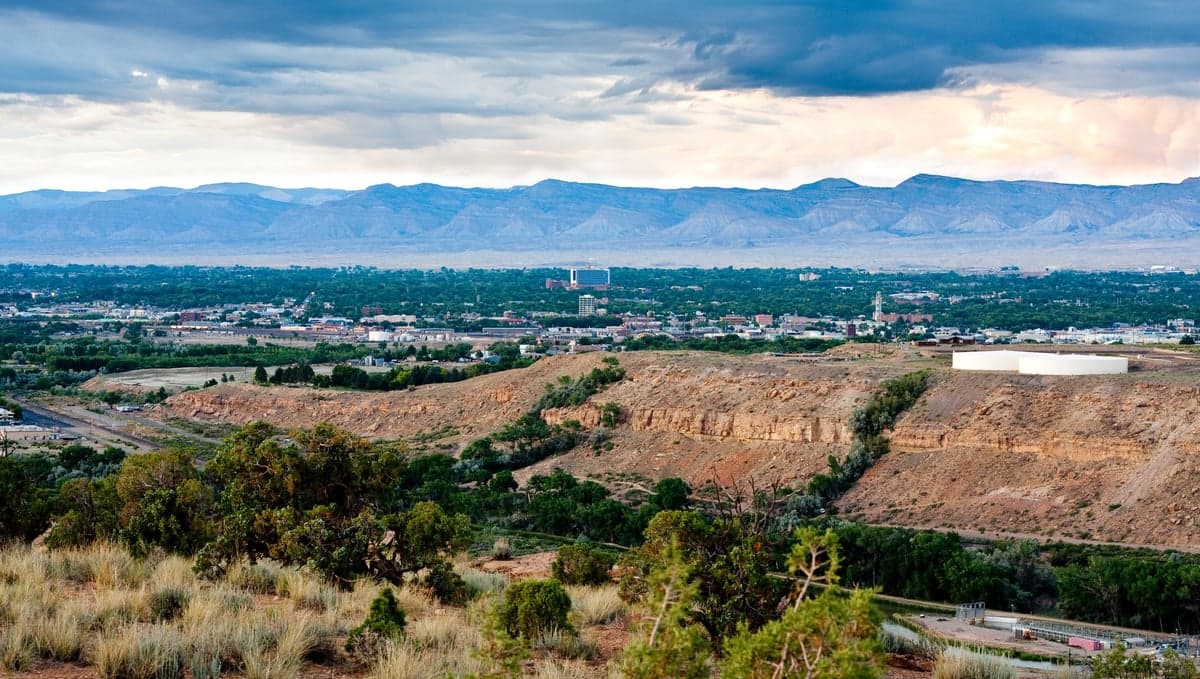
Photo: Wikipedia
Quality of Life in Grand Junction, CO
Above-average quality of iife. The area offers a reasonable cost of living, decent mobility, and a mix of neighborhood amenities.
What does Quality of Life tell us?
Quality of Life blends cost of living, nearby amenities, socioeconomic signals, and neighborhood character. City-level scores represent the whole municipality; individual neighborhoods can differ.
What does this tell us?
Quality of Life blends cost of living, nearby amenities, socioeconomic signals, and neighborhood character. City-level scores represent the whole municipality; individual neighborhoods can differ.
Cost of Living
8% above national average
The Real Cost of Living in Grand Junction, CO for 2026
| Tier | Individual | Family (4) |
|---|---|---|
| Survival | $18k | $33k |
| Comfortable | $70k | $102k |
| Luxury | $119k+ | $184k+ |
| Elite (Top 5%) | $140k+ | $217k+ |
65%
The Area Signal
A metric tracking the socioeconomic signals of the area.
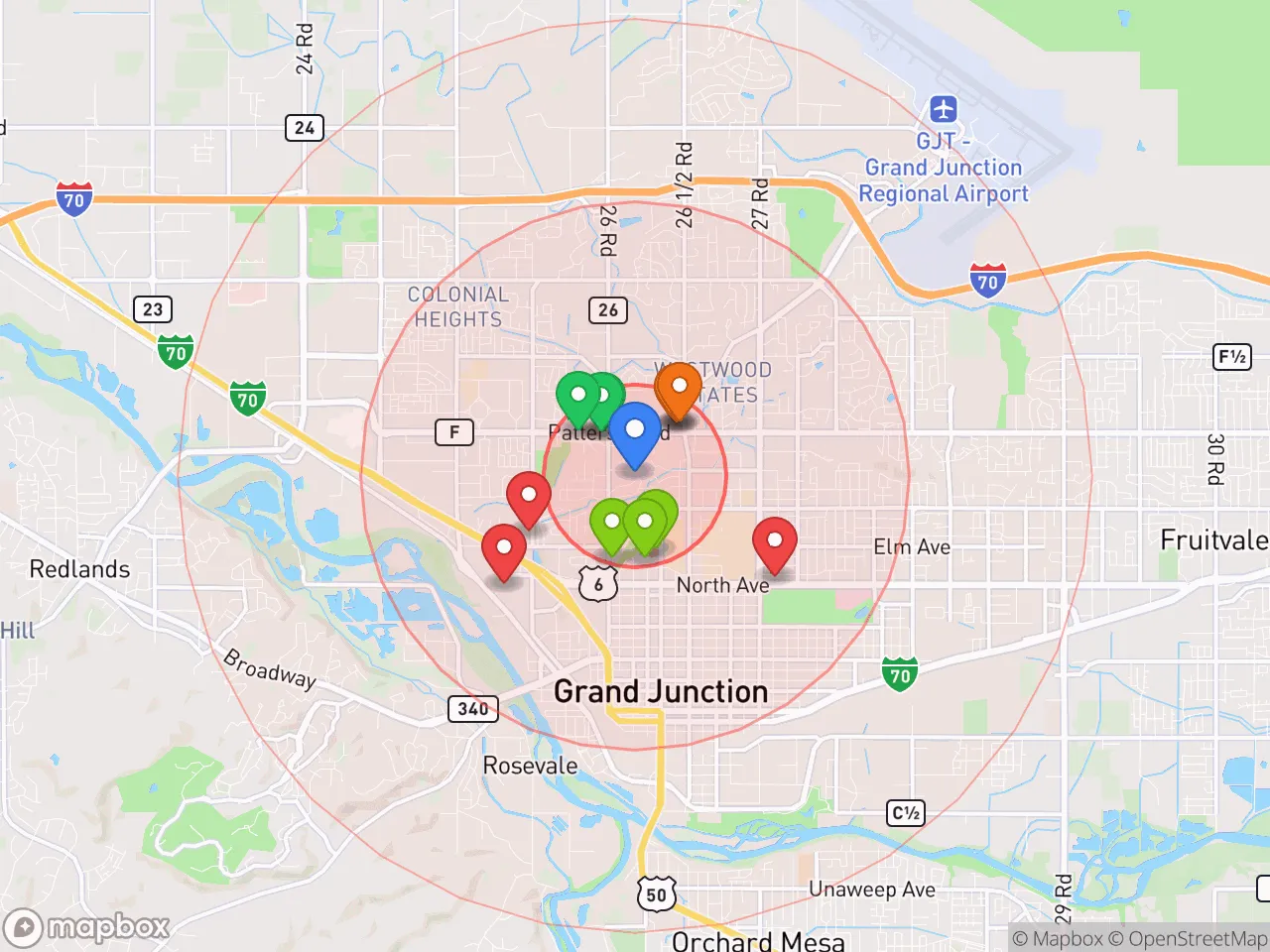
Hobbies
Explore the areaGroceries
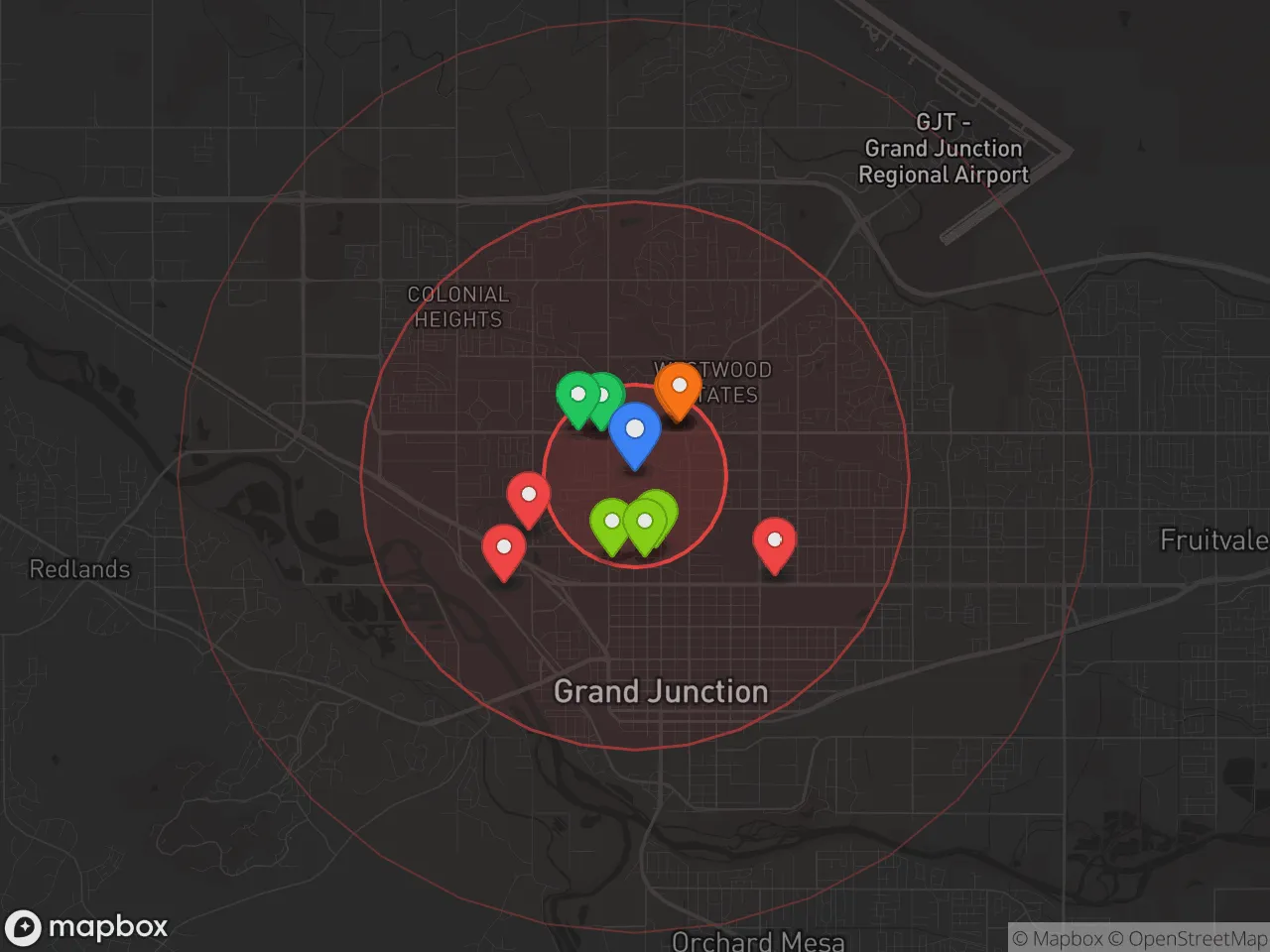
7 within 10 miles
Gas
20 within 10 miles
Hospital
7 within 20 miles
Airport
SAN — San Luis Valley Regional
Post Office
USPS — Grand Junction, CO
Critical Amenities
Quality-of-Life Analysis
Grand Junction, Colorado, offers a quality of life that blends small-town affordability with access to world-class outdoor recreation, attracting a mix of young professionals, remote workers, and retirees seeking a lower cost of living than the state's Front Range. The city's population of roughly 66,000 is notably more middle-class and family-oriented than the ultra-wealthy ski towns to the east, with a median household income around $60,000 that stretches further here than in nearby resort communities. While not affluent by national standards, Grand Junction provides a stable, grounded lifestyle centered on Mesa County's agricultural roots and a growing healthcare and energy sector.
Cost of living and housing affordability compared to nearby Colorado cities
Grand Junction's cost of living index of 108 (100 = U.S. average) is significantly lower than Colorado's state average of roughly 115, making it one of the more affordable urban centers in the western part of the state. The median home value of $358,300 is about $100,000 less than the Colorado median, and a fraction of the $1 million-plus prices seen in Aspen or Telluride just a few hours away. Renters benefit as well, with a median rent of $1,101 per month—roughly 30% cheaper than Denver metro averages. The average commute time of 15.9 minutes is remarkably short for a regional hub, meaning residents spend less on gas and vehicle wear-and-tear than their Front Range counterparts. However, property taxes in Mesa County are relatively low (around 0.5% of assessed value), which helps offset the slightly higher-than-average grocery and utility costs that push the overall COL index above 100.
Local amenities, schools, and what daily life actually feels like
Daily life in Grand Junction revolves around a compact downtown core with independent coffee shops, breweries, and a farmers market that runs from April through October. The city's school system, Mesa County Valley School District 51, serves roughly 21,000 students and includes several highly rated options like Grand Junction High School and Fruita Monument High School, though test scores hover near state averages. For families, the Colorado Mesa University campus brings cultural events, a performing arts center, and a Division II athletics program that adds community energy. Outdoor amenities dominate the lifestyle: the Colorado River runs through town, the Colorado National Monument is a 15-minute drive west, and the Grand Mesa—the world's largest flat-top mountain—offers hiking and snowmobiling 45 minutes east. Healthcare is a major local employer, anchored by St. Mary's Medical Center and Community Hospital, giving residents reliable access to specialists without needing to drive to Denver. The rhythm is slower than Boulder or Fort Collins, with a noticeable "work local, play local" ethos that appeals to those tired of Front Range traffic and crowds.
Grand Junction is best suited for people who prioritize affordable homeownership, short commutes, and immediate access to desert and mountain recreation over urban nightlife or high-end dining. Remote workers, early retirees, and families with young children will find the cost savings and community feel particularly attractive, while those seeking a bustling tech scene or luxury amenities may feel limited. The city's dry, high-desert climate (over 300 sunny days per year) and proximity to Moab, Utah, and Telluride make it a practical base for adventurers who want a lower-stress, lower-cost Colorado lifestyle without sacrificing outdoor access.

Crime in Grand Junction, CO
Generally safer than 58% of comparable U.S. locations.
Violent CrimeViolent Crime Analysis
Property CrimeProperty Crime Analysis
Crime Analysis
Grand Junction, Colorado, reports a violent crime rate of 536.2 per 100,000 residents and a property crime rate of 2,392.5 per 100,000, figures that place it above both the Colorado state average and national benchmarks. While the city benefits from its position as the largest urban center on Colorado’s Western Slope, its crime statistics reflect challenges common to regional hubs, including property theft and drug-related offenses. Prospective residents should weigh these numbers against the city’s active community policing efforts and the broader context of Mesa County’s justice system.
Crime in context
Grand Junction’s violent crime rate of 536.2 per 100,000 is roughly 47% higher than the national average of approximately 366 per 100,000, while its property crime rate of 2,392.5 per 100,000 exceeds the national average of about 1,954 per 100,000 by roughly 22%. Compared to other Colorado cities of similar size, Grand Junction’s violent crime rate is notably higher than Greeley (approximately 320 per 100,000) but lower than Pueblo (over 700 per 100,000). Property crime, particularly vehicle theft and burglary, is the most frequently reported offense, with rates that have fluctuated in recent years due to regional drug trafficking patterns along the I-70 corridor. The presence of progressive policies in the Mesa County District Attorney’s office and local courts has been cited by some residents as a factor in repeat offenses, as lenient sentencing and diversion programs may reduce incarceration rates but also contribute to recidivism concerns.
What residents experience
Daily life in Grand Junction involves a heightened awareness of property crime, especially in commercial districts and near major thoroughfares like North Avenue and U.S. Highway 50. Residents commonly report package theft, vehicle break-ins, and occasional vandalism in neighborhoods close to downtown and the Riverside area. Violent crime, while less frequent, includes aggravated assault and robbery, often linked to domestic disputes or drug-related conflicts. The city’s police department has implemented community-oriented strategies, including neighborhood watch programs and a real-time crime center, to address these issues. However, the influence of progressive judicial philosophies—such as cash bail reform and reduced prosecution for low-level offenses—has led to frustration among some residents who feel that public safety is compromised in favor of offender rehabilitation. For families and retirees, choosing a home in quieter outlying neighborhoods like Redlands or Orchard Mesa can reduce exposure to higher-crime pockets near the city core.
Neighborhood-level variation is significant in Grand Junction. Areas west of 12th Street and south of the Colorado River tend to report lower crime rates, while the downtown core and parts of the North Avenue corridor see elevated property crime. The city’s overall safety profile is shaped by its role as a regional economic and transportation hub, which attracts both legitimate commerce and transient criminal activity. For those considering relocation, consulting local crime maps and speaking with current residents about specific blocks can provide a clearer picture than citywide averages alone.
* Values derived from national, state, county, city and local statistics and may differ in a specific area. Last updated: 2026-04-25T04:41:08.000Z
Narrative content on this page is AI-generated and may contain mistakes. Verify any details that matter before acting on them.
ReloMaps may earn a commission from affiliate links at no extra cost to you.

