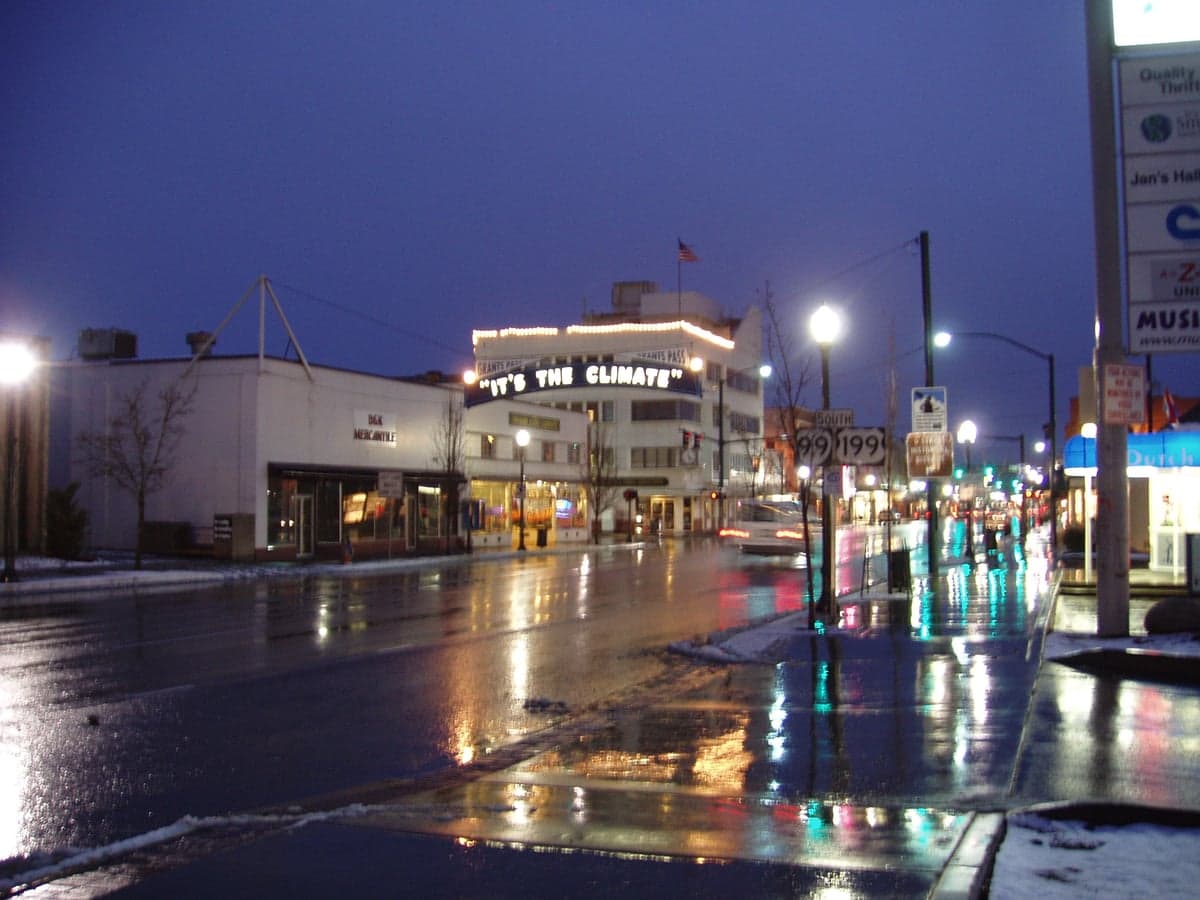
Photo: Wikipedia
Quality of Life in Grants Pass, OR
A high quality of life with strong walkability, manageable living costs, healthy neighborhood signals, and solid amenity access.
What does Quality of Life tell us?
Quality of Life blends cost of living, nearby amenities, socioeconomic signals, and neighborhood character. City-level scores represent the whole municipality; individual neighborhoods can differ.
What does this tell us?
Quality of Life blends cost of living, nearby amenities, socioeconomic signals, and neighborhood character. City-level scores represent the whole municipality; individual neighborhoods can differ.
Cost of Living
12% above national average
The Real Cost of Living in Grants Pass, OR for 2026
| Tier | Individual | Family (4) |
|---|---|---|
| Survival | $19k | $35k |
| Comfortable | $68k | $101k |
| Luxury | $100k+ | $156k+ |
| Elite (Top 5%) | $118k+ | $183k+ |
57%
The Area Signal
A metric tracking the socioeconomic signals of the area.
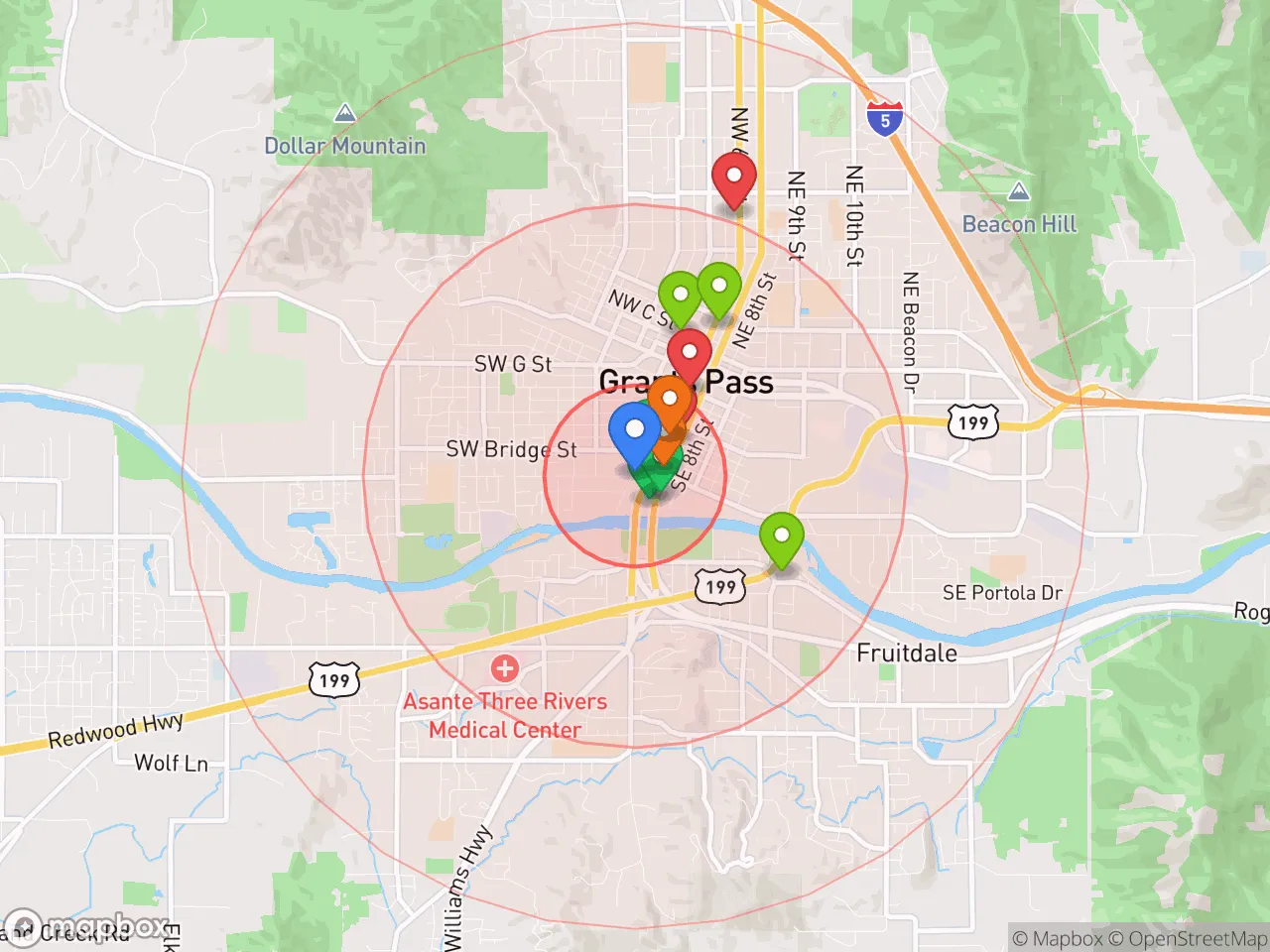
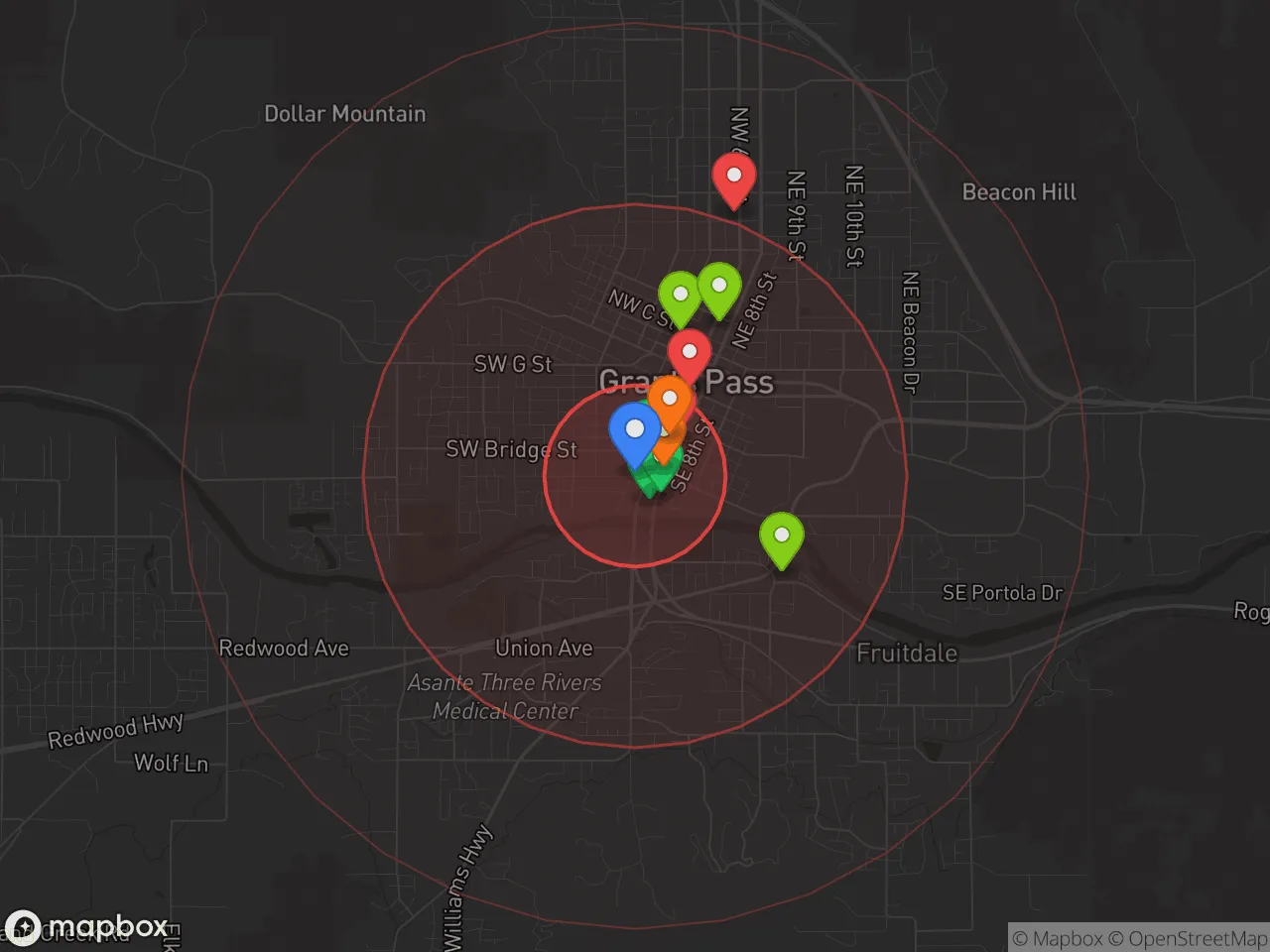
Hobbies
Explore the areaGroceries
6 within 10 miles
Gas
20 within 10 miles
Hospital
1 within 20 miles
Airport
PDX — Portland International
Post Office
USPS — Grants Pass, OR
Critical Amenities
Quality-of-Life Analysis
Grants Pass presents a quality of life shaped by its position as a more affordable, slower-paced alternative to the booming Rogue Valley hubs of Medford and Ashland. The area attracts a mix of retirees seeking lower costs, outdoor enthusiasts drawn to the Rogue River and surrounding national forests, and remote workers priced out of coastal or metropolitan markets. With a cost of living index of 112 (12% above the national average) but median home values and rents well below Oregon’s statewide medians, the city offers a middle-ground lifestyle that balances natural access with modest economic opportunity.
Cost of living, housing costs, and how Grants Pass compares to Medford and Ashland
Housing in Grants Pass remains the primary driver of its cost profile, though it is notably cheaper than nearby alternatives. The median home value sits at $364,200, roughly 15% lower than Medford’s median and less than half of Ashland’s typical home price. Median rent is $1,160, which is competitive for the region but still above the national median of roughly $1,100. The overall cost of living index of 112 is largely explained by housing and transportation; groceries and healthcare are closer to national averages. For context, Medford’s COL index is approximately 108, while Ashland’s exceeds 130, meaning Grants Pass offers a tangible affordability edge for buyers and renters alike. The average commute of 17.6 minutes is notably short—well under Oregon’s statewide average of 23 minutes—and reflects the city’s compact layout and limited regional sprawl. This short commute reduces transportation costs and frees up time for recreation, a key draw for families and remote workers.
What daily life is like for families: schools, amenities, and local rhythm
Daily life in Grants Pass centers on a small downtown core, the Rogue River greenway, and a network of parks that include the 1,200-acre Cathedral Hills Trail System. The Grants Pass School District (3D) operates six elementary schools, two middle schools, and Grants Pass High School, with an overall graduation rate near 80%—slightly below the state average but improving. For amenities, residents rely on the Grants Pass Shopping Center and local grocers like Fred Meyer and Shop ’n Kart; for more extensive retail and medical services, Medford is a 25-minute drive south. The city’s cultural rhythm is defined by seasonal events such as the Boatnik Festival (Memorial Day weekend) and the Grants Pass Growers Market (May through October). Healthcare access is adequate for routine needs via Asante Three Rivers Medical Center, but specialists often require travel to Medford or Eugene. The overall pace is noticeably slower than Medford’s—restaurants close earlier, nightlife is minimal, and the dominant social activities involve river recreation, hiking, and community sports leagues.
Grants Pass is best suited for those who prioritize outdoor access, a short commute, and lower housing costs over urban density, career diversity, or high-end cultural amenities. Retirees on fixed incomes, remote workers with stable salaries, and families seeking a quieter, nature-oriented lifestyle will find the trade-offs worthwhile. Professionals in specialized fields or those who value walkable urbanism and frequent dining options may feel constrained and should consider Medford or Ashland instead. The city’s affordability relative to the rest of Oregon, combined with its river-centered identity, makes it a pragmatic choice for people willing to accept modest services in exchange for space, scenery, and a slower daily rhythm.

Crime in Grants Pass, OR
Generally safer than 56% of comparable U.S. locations.
Violent CrimeViolent Crime Analysis
Property CrimeProperty Crime Analysis
Crime Analysis
Grants Pass, Oregon, presents a crime picture that demands careful consideration from potential residents, with both violent and property crime rates significantly exceeding national averages. The city's violent crime rate stands at 366.9 incidents per 100,000 residents, while property crime reaches 2,244.1 per 100,000, figures that place it above many communities of similar size in the Pacific Northwest. These statistics reflect real safety concerns that prospective movers should weigh against the area's natural beauty and lower cost of living.
Crime in context
When measured against state and national benchmarks, Grants Pass's crime rates are notably elevated. The violent crime rate is roughly 5% higher than the national average and substantially above Oregon's statewide figure of approximately 300 per 100,000. Property crime in Grants Pass exceeds the national average by about 20% and is markedly higher than the Oregon state average of roughly 1,900 per 100,000. These comparisons place Grants Pass in a higher-risk tier among Oregon municipalities, though it remains less dangerous than some larger metro areas like Portland or Eugene. The city's location in Josephine County, which has historically struggled with economic challenges and limited law enforcement resources, contributes to these elevated numbers.
What residents experience
Daily life in Grants Pass involves navigating a community where property crime—particularly theft, burglary, and vehicle break-ins—is the most common safety issue. Residents frequently report incidents of package theft, shed break-ins, and stolen catalytic converters, especially in neighborhoods near major thoroughfares and commercial corridors. Violent crime, while less frequent, includes aggravated assault and robbery, with incidents concentrated in specific areas rather than spread uniformly across the city. The local justice system's approach, influenced by Oregon's broader progressive criminal justice reforms, has drawn criticism from some residents who feel that lenient sentencing and reduced prosecution of property crimes embolden repeat offenders. Josephine County's district attorney has faced scrutiny for policies that some argue prioritize diversion programs over incarceration, potentially contributing to recidivism and public frustration.
Neighborhood-level variation
Safety conditions vary considerably across Grants Pass. Areas west of the Rogue River and neighborhoods near the historic downtown core, particularly around 6th and 7th Streets, report higher concentrations of property crime and occasional violent incidents. In contrast, the outlying rural subdivisions and newer developments along the Grants Pass Parkway corridor, such as the Redwood area, tend to experience lower crime rates. The city's proximity to the Oregon-California border and Interstate 5 also makes it a corridor for transient populations and drug trafficking, which can affect safety in motel districts and public parks. Prospective residents are advised to examine block-level crime maps and consult with local law enforcement about specific neighborhoods before committing to a move.
* Values derived from national, state, county, city and local statistics and may differ in a specific area. Last updated: 2026-05-01T08:58:16.000Z
Narrative content on this page is AI-generated and may contain mistakes. Verify any details that matter before acting on them.
ReloMaps may earn a commission from affiliate links at no extra cost to you.

