 Popular
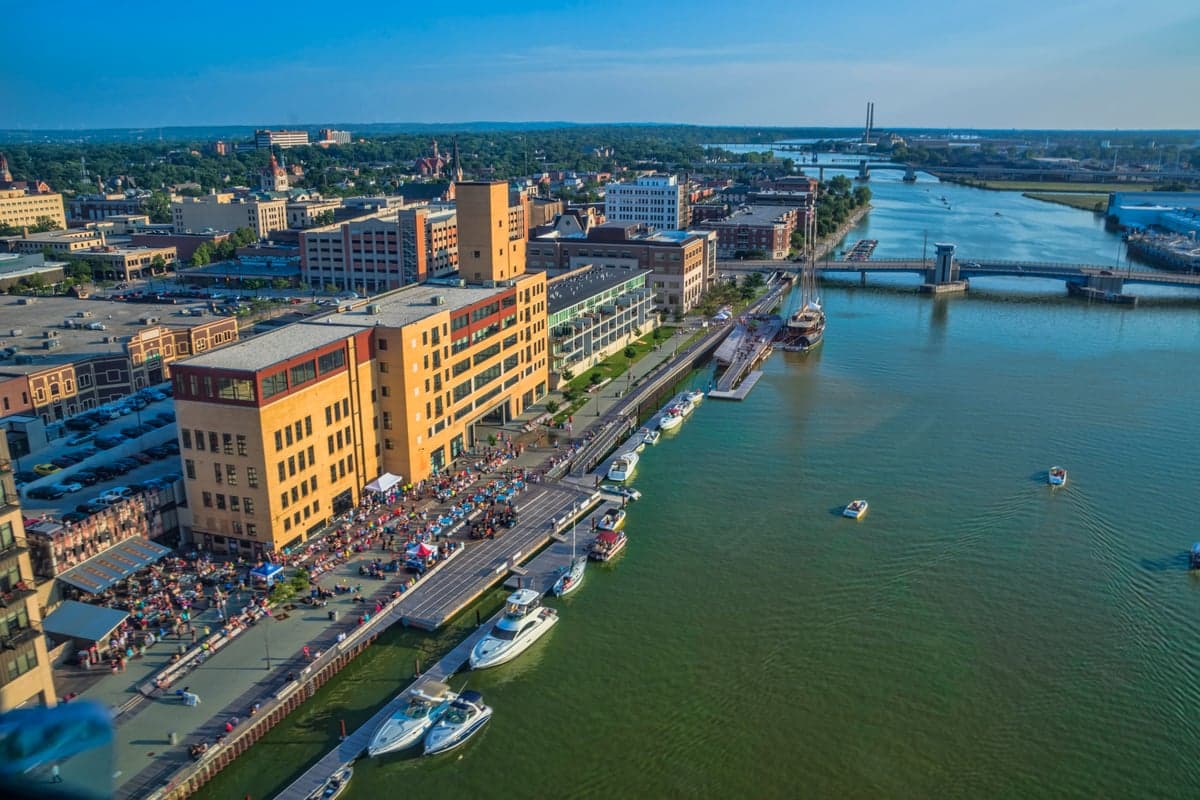
Photo: Wikipedia
Quality of Life in Green Bay, WI
A high quality of life with strong walkability, manageable living costs, healthy neighborhood signals, and solid amenity access.
What does Quality of Life tell us?
Quality of Life blends cost of living, nearby amenities, socioeconomic signals, and neighborhood character. City-level scores represent the whole municipality; individual neighborhoods can differ.
What does this tell us?
Quality of Life blends cost of living, nearby amenities, socioeconomic signals, and neighborhood character. City-level scores represent the whole municipality; individual neighborhoods can differ.
Cost of Living
26% below national average
The Real Cost of Living in Green Bay, WI for 2026
| Tier | Individual | Family (4) |
|---|---|---|
| Survival | $14k | $27k |
| Comfortable | $37k | $55k |
| Luxury | $107k+ | $166k+ |
| Elite (Top 5%) | $126k+ | $196k+ |
114%
The Area Signal
A metric tracking the socioeconomic signals of the area.
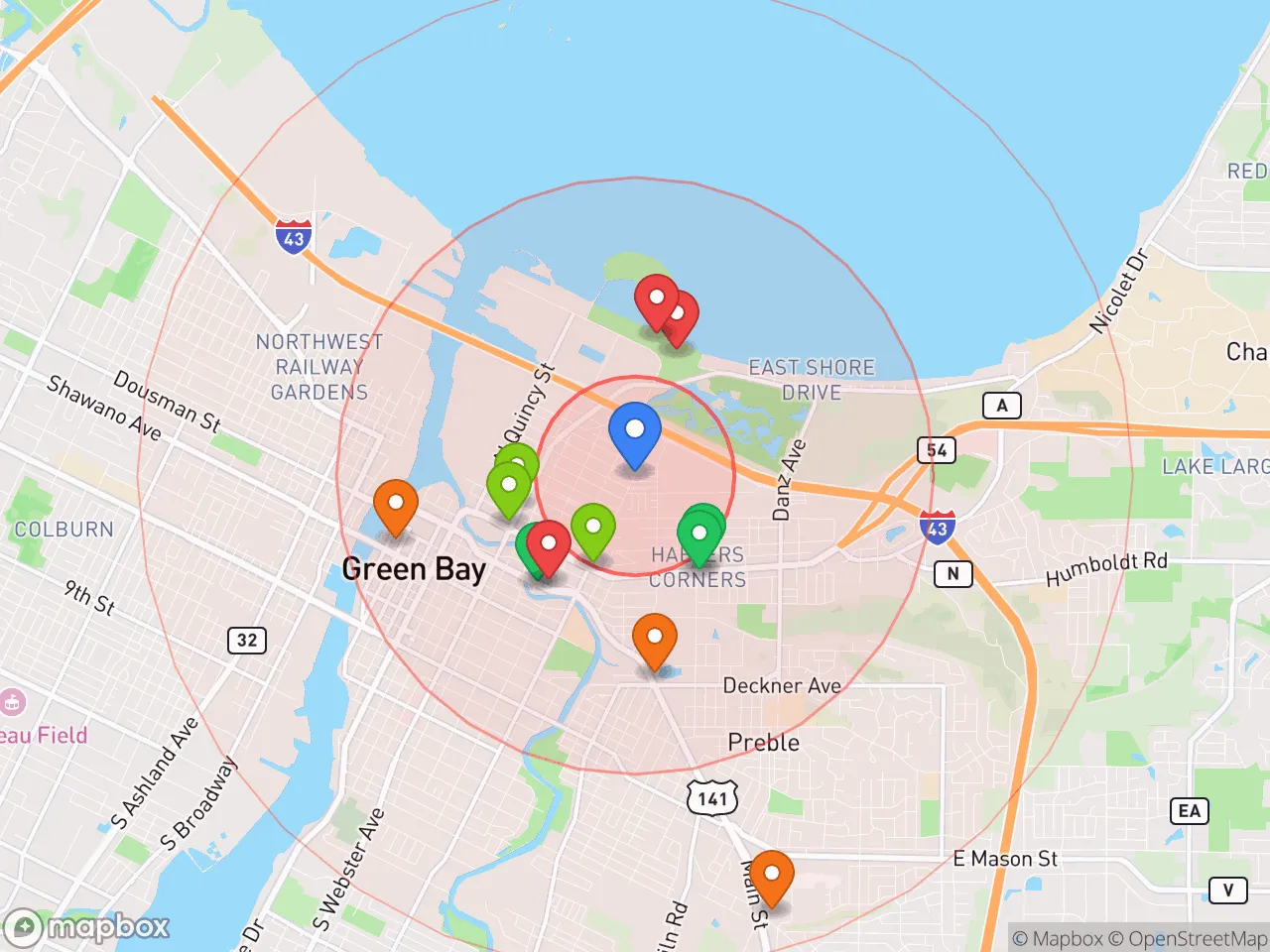
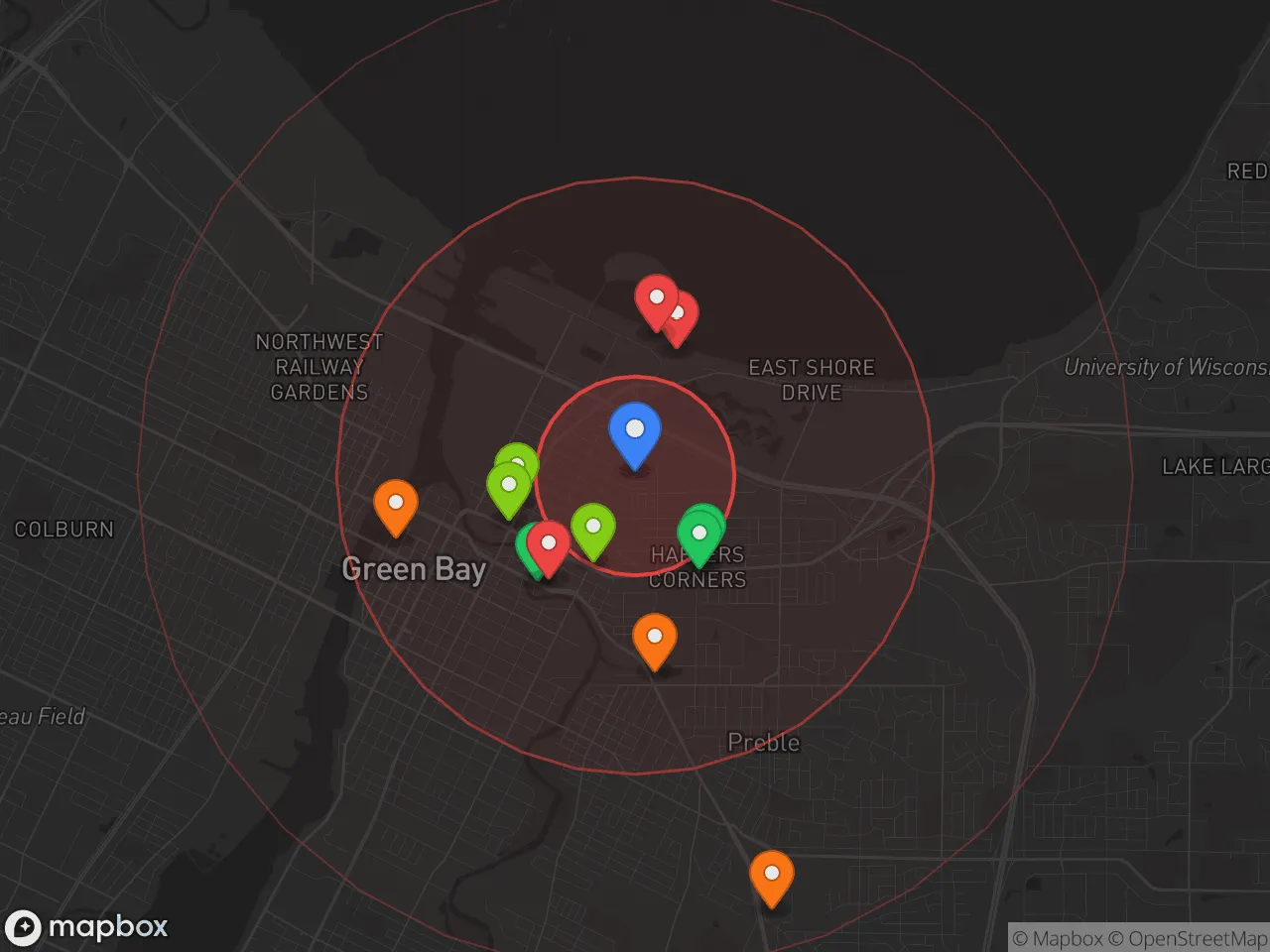
Hobbies
Explore the areaGroceries
7 within 10 miles
Gas
20 within 10 miles
Hospital
7 within 20 miles
Airport
ORD — O'Hare International
Post Office
USPS — Green Bay, WI
Critical Amenities
Quality-of-Life Analysis
Green Bay, Wisconsin, offers a quality of life defined by exceptional affordability and a strong sense of community, attracting a mix of young families, long-time residents, and professionals seeking a lower cost of living without sacrificing urban amenities. The area’s median household income of roughly $55,000 aligns closely with the national average, but the cost of living index sits at just 74—26% below the U.S. baseline—meaning residents effectively have more disposable income for housing, recreation, and savings. This economic profile draws people who value financial stability, outdoor recreation, and a slower pace of life over the high-stakes hustle of larger metros.
Cost of living, housing affordability, and how Green Bay compares to Appleton and Milwaukee
Green Bay’s cost of living is a standout advantage, with a composite index of 74 (100 = U.S. average) that undercuts both Appleton (index ~82) and Milwaukee (index ~88). The median home value of $191,500 is roughly half the national median of $400,000, making homeownership accessible for first-time buyers and trade-up families alike. Median rent at $904 per month is similarly low—about 35% below the national median—and well under Milwaukee’s average of $1,100. The average commute of 18.9 minutes is among the shortest for any metro of comparable size, reducing transportation costs and freeing up time for family or leisure. Property taxes in Brown County average around 1.8% of assessed value, slightly higher than the national norm but offset by the low home prices. Compared to Appleton, Green Bay offers slightly cheaper housing but similar utility and grocery costs; versus Milwaukee, the savings on rent alone can exceed $2,500 annually.
Everyday amenities, school quality, and the rhythm of daily life
Daily life in Green Bay revolves around a compact, navigable layout where most errands and recreation are within a 15-minute drive. The Green Bay Area Public School District serves roughly 20,000 students, with several elementary schools rated above state averages on standardized tests, while private and parochial options like Notre Dame Academy provide alternatives. The city’s amenities punch above its size: the Green Bay Packers’ Lambeau Field anchors a year-round entertainment district with restaurants, shops, and the Packers Hall of Fame, while the Bay Beach Wildlife Sanctuary and the Fox River Trail offer free or low-cost outdoor activities. The rhythm of life is notably seasonal—summers fill with farmers’ markets and festivals like Artstreet, while winters center on ice fishing, snowmobiling, and Packers game-day gatherings. Healthcare is robust, with Bellin Health and Aurora BayCare providing two major hospital systems, and the University of Wisconsin-Green Bay adds cultural events and continuing education options.
Green Bay is best suited for people who prioritize financial breathing room, family-friendly routines, and a tight-knit social fabric over nightlife or career intensity. Young professionals and remote workers will find the low rent and short commute liberating, while retirees appreciate the affordable healthcare and quiet neighborhoods. Those who thrive here are comfortable with cold winters and value a community where neighbors know each other and civic pride—especially around the Packers—is a daily reality. It is less ideal for those seeking a diverse, fast-paced urban scene or a booming job market in tech or finance, but for cost-conscious families and outdoor enthusiasts, Green Bay delivers a high quality of life at a fraction of the national price.

Crime in Green Bay, WI
Generally safer than 59% of comparable U.S. locations.
Violent CrimeViolent Crime Analysis
Property CrimeProperty Crime Analysis
Crime Analysis
Green Bay, Wisconsin, reports a violent crime rate of 406.3 incidents per 100,000 residents and a property crime rate of 1,094.6 per 100,000, figures that place it above both state and national averages for comparable cities. While not among the most dangerous cities in the Midwest, these numbers indicate a community where crime is a tangible concern, particularly for property-related offenses. The city’s safety profile is shaped by its status as a regional economic hub and the broader criminal justice policies of Brown County, which merit close attention from potential residents.
Crime in context
Green Bay’s violent crime rate of 406.3 per 100,000 is roughly 15% higher than the national average and significantly exceeds Wisconsin’s statewide rate of approximately 300 per 100,000. Property crime, at 1,094.6 per 100,000, also outpaces both the national average (around 1,950 per 100,000 for all property crime, though Green Bay’s figure is elevated for burglary and theft specifically) and the Wisconsin average of roughly 1,500 per 100,000. These statistics place Green Bay in a tier with other mid-sized Midwestern cities like Racine and Kenosha, rather than the safest small cities in the state. A critical factor driving these numbers is the progressive judicial philosophy prevalent in Brown County, where district attorneys and judges have adopted policies emphasizing diversion programs and reduced sentencing for non-violent offenders. While intended to reduce incarceration, such approaches have been linked to higher recidivism and a greater number of repeat offenders on the streets, directly undermining public safety and victim justice.
What residents experience
For daily life in Green Bay, the most common crime concerns are property-related: vehicle break-ins, package theft, and residential burglary are frequent complaints, particularly in neighborhoods near the downtown core and the University of Wisconsin-Green Bay campus. Violent crime, while less common, is concentrated in specific areas and often involves disputes among individuals known to one another, meaning random attacks on residents are relatively rare but not unheard of. The city’s police department has implemented community policing initiatives, but their effectiveness is undercut by a justice system that frequently releases offenders on low or no bail, a direct consequence of progressive bail reform policies. Residents should be aware that a car left unlocked overnight or a garage door left open is a likely target, and that reporting a theft may not lead to prosecution if the offender qualifies for a diversion program.
Neighborhood-level safety varies considerably. The east side, including areas near the Astor Park neighborhood and the downtown Broadway district, sees higher foot traffic and generally lower violent crime, though property crime remains a concern. The west side, particularly around the Oneida Street corridor and some older residential areas, experiences more concentrated incidents of theft and occasional assaults. Suburban communities like De Pere, Allouez, and Howard, which are part of the Green Bay metro area but have their own police departments and more conservative judicial approaches, report significantly lower crime rates—often 50% to 60% below the city’s averages. For those prioritizing safety, these suburbs offer a stark contrast to the city’s progressive criminal justice environment, where the emphasis on offender rehabilitation over public protection has tangible consequences for daily security.
* Values derived from national, state, county, city and local statistics and may differ in a specific area. Last updated: 2026-04-21T10:17:26.000Z
Narrative content on this page is AI-generated and may contain mistakes. Verify any details that matter before acting on them.
ReloMaps may earn a commission from affiliate links at no extra cost to you.

