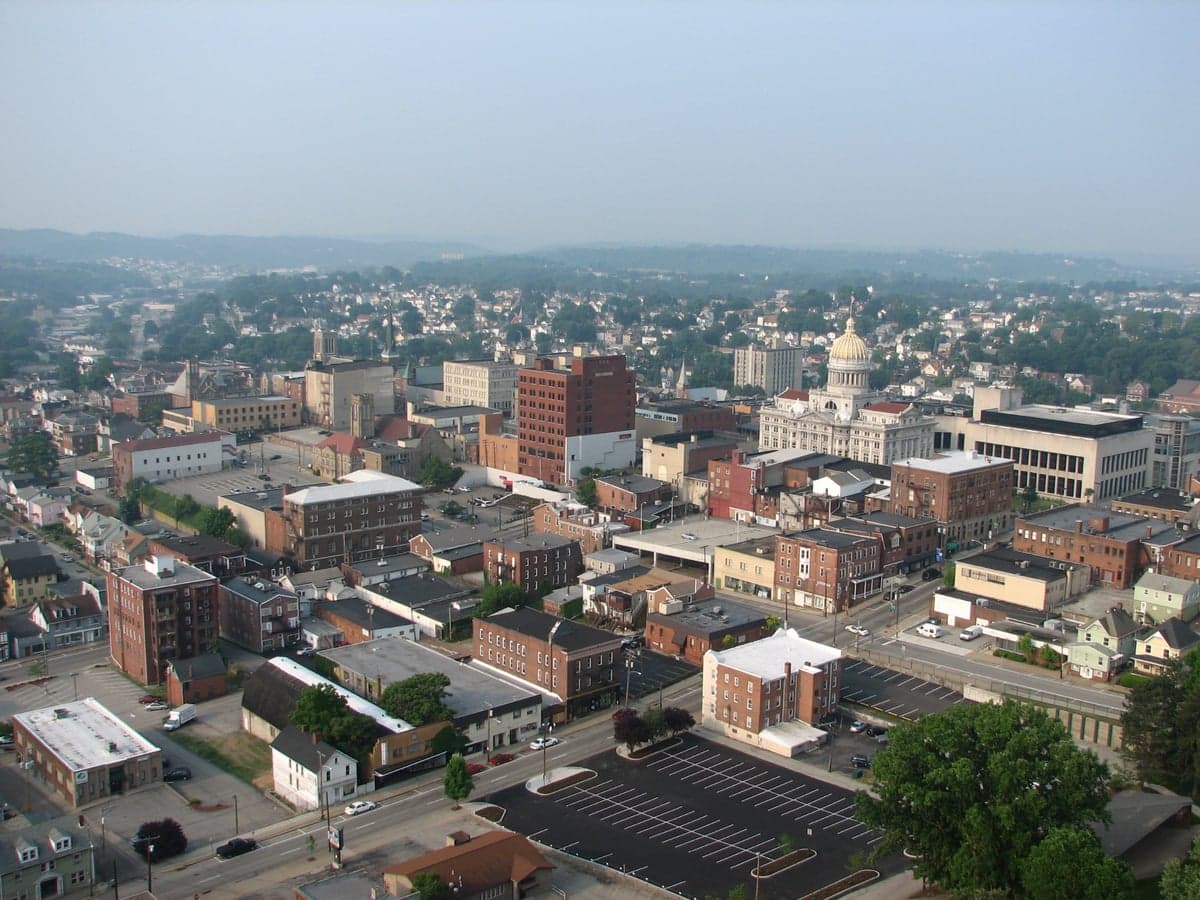
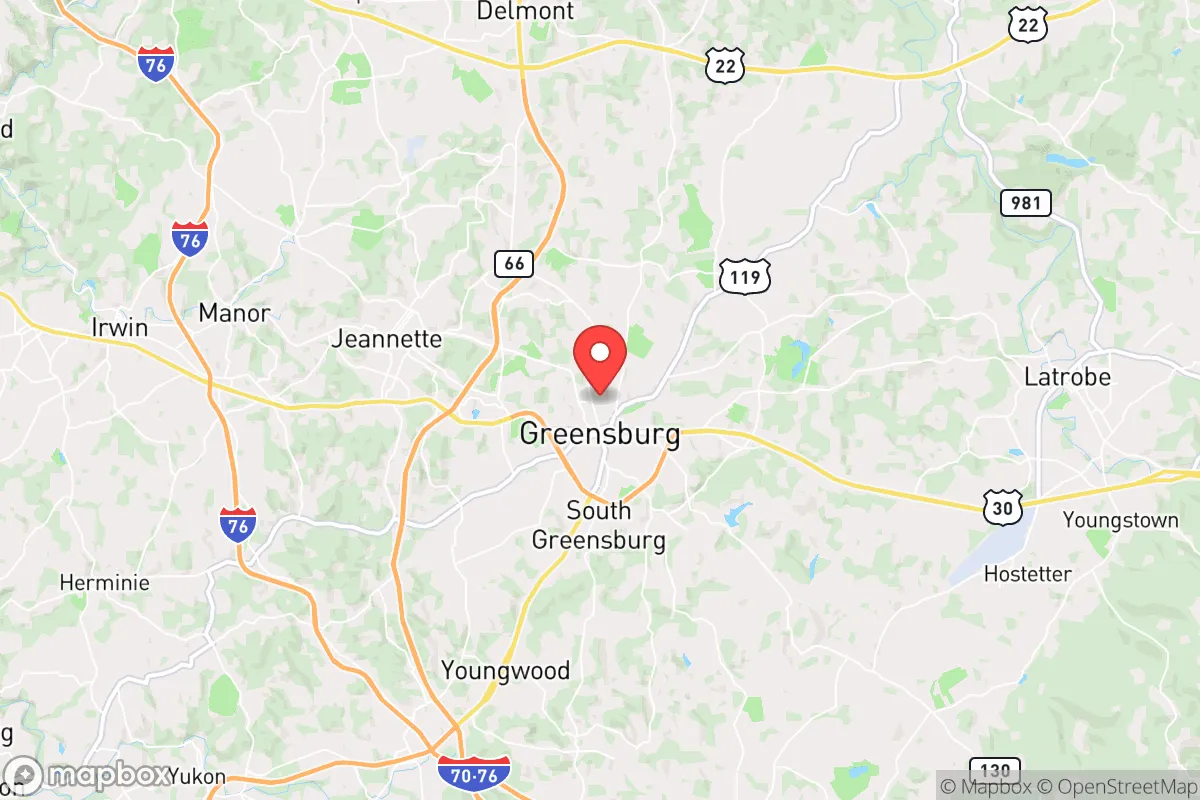
Photo: Wikipedia
Quality of Life in Greensburg, PA
A high quality of life with strong walkability, manageable living costs, healthy neighborhood signals, and solid amenity access.
What does Quality of Life tell us?
Quality of Life blends cost of living, nearby amenities, socioeconomic signals, and neighborhood character. City-level scores represent the whole municipality; individual neighborhoods can differ.
What does this tell us?
Quality of Life blends cost of living, nearby amenities, socioeconomic signals, and neighborhood character. City-level scores represent the whole municipality; individual neighborhoods can differ.
Cost of Living
32% below national average
The Real Cost of Living in Greensburg, PA for 2026
| Tier | Individual | Family (4) |
|---|---|---|
| Survival | $13k | $25k |
| Comfortable | $34k | $51k |
| Luxury | $109k+ | $169k+ |
| Elite (Top 5%) | $128k+ | $199k+ |
125%
The Area Signal
A metric tracking the socioeconomic signals of the area.
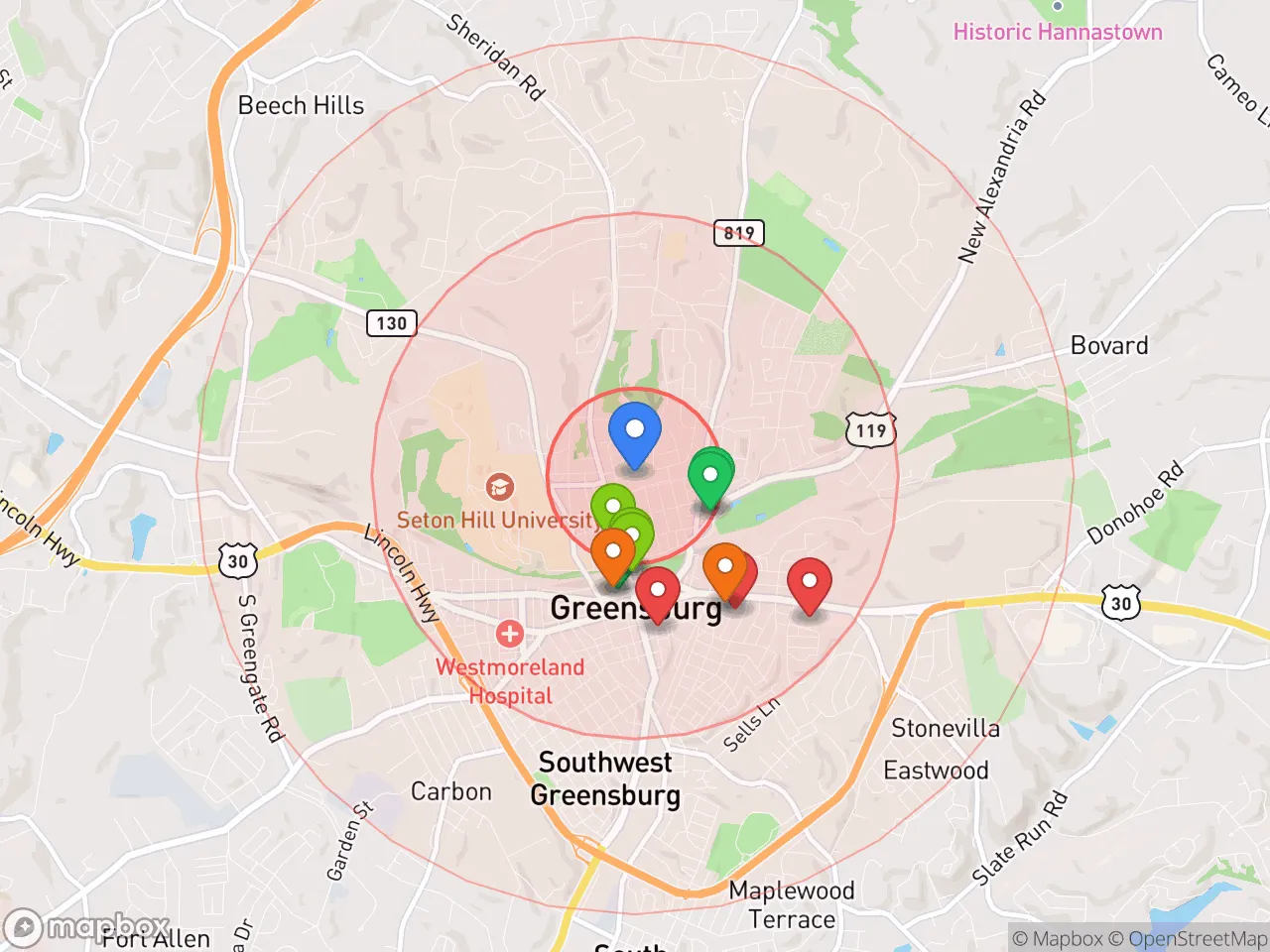
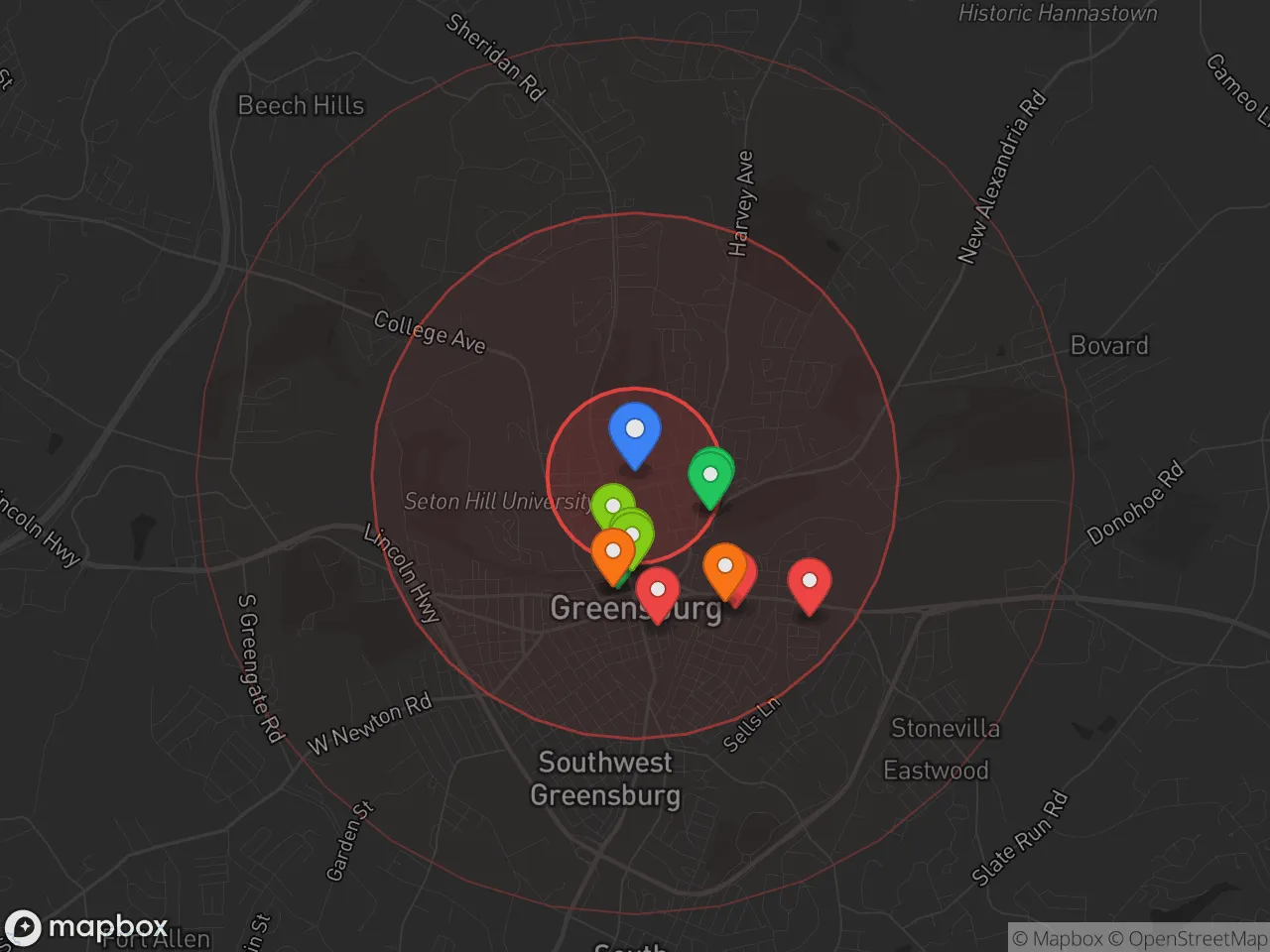
Hobbies
Explore the areaGroceries
5 within 10 miles
Gas
20 within 10 miles
Hospital
11 within 20 miles
Airport
Pittsburgh International Airport
Post Office
USPS — Greensburg, PA
Critical Amenities
Quality-of-Life Analysis
Greensburg, Pennsylvania, offers a notably affordable quality of life that attracts a mix of young professionals, families, and retirees seeking a quieter, lower-cost alternative to Pittsburgh while remaining within commuting distance. The city's cost of living index sits at 68—well below the national average of 100—making it one of the more budget-friendly communities in Westmoreland County. This economic accessibility, combined with a historic downtown and access to outdoor recreation, shapes a daily rhythm that prioritizes practicality over pretense.
Cost of living, housing, and how Greensburg compares to Pittsburgh and nearby suburbs
Greensburg's housing market is a primary driver of its affordability. The median home value is $177,000, and the median rent is $829—both significantly lower than in Pittsburgh, where the median home value exceeds $220,000 and rents average over $1,100. For context, a homebuyer in Greensburg can purchase a well-maintained single-family house for roughly the same monthly cost as a one-bedroom apartment in Pittsburgh's Shadyside or Squirrel Hill neighborhoods. The average commute of 25.2 minutes is manageable, with most residents driving to jobs in Greensburg itself, nearby Latrobe, or eastward into Pittsburgh via the Parkway East (I-376). Property taxes in Westmoreland County are moderate compared to Allegheny County, though Pennsylvania's flat income tax rate of 3.07% applies statewide. Utility costs and grocery prices also track below national averages, reinforcing Greensburg's reputation as a place where a middle-class income stretches further than in most U.S. metro areas.
Local amenities, schools, and what daily life is like for families and professionals
Daily life in Greensburg centers on a walkable downtown anchored by the Westmoreland Museum of American Art, the historic Palace Theatre, and a growing roster of independent restaurants and breweries. The Greensburg-Salem School District serves most of the city, with an overall rating slightly above the Pennsylvania average; private options include Greensburg Central Catholic High School and the nearby Kiski School. For groceries and errands, residents rely on a mix of national chains and local markets like the Greensburg Farmers Market (May through October). Outdoor access is a key amenity: Loyalhanna Creek and the Five Star Trail provide hiking and biking routes, while nearby Linn Run State Park and Keystone State Park offer fishing, swimming, and camping within a 20-minute drive. Healthcare is anchored by Excela Health Westmoreland Hospital, a full-service facility with a Level III trauma center. The city lacks the nightlife density of a major urban core, but its low crime rate—violent crime is roughly half the national average—and quiet residential streets appeal strongly to families and remote workers who value safety and space over constant entertainment.
Greensburg is best suited for those who prioritize affordability, a slower pace, and easy access to both nature and Pittsburgh's job market. Young professionals working in healthcare, education, or manufacturing will find the commute reasonable and the housing market forgiving. Retirees on fixed incomes benefit from the low cost of living and proximity to medical services. Families with children will appreciate the school options and low crime, though those seeking top-tier public schools or a vibrant 24-hour city scene may find Greensburg too subdued. For anyone willing to trade urban intensity for financial breathing room and a tight-knit community, Greensburg delivers a solid, unflashy quality of life.

Crime in Greensburg, PA
Lower crime rates than 81% of comparable U.S. locations.
Violent CrimeViolent Crime Analysis
Property CrimeProperty Crime Analysis
Crime Analysis
Greensburg, Pennsylvania, presents a mixed safety picture for prospective residents. The city's violent crime rate of 213.7 incidents per 100,000 residents is notably lower than the national average, but its property crime rate of 599.9 per 100,000 is a more significant concern, particularly for those considering a move to this Westmoreland County seat. As a small city within commuting distance of Pittsburgh, Greensburg's crime dynamics are shaped by both local conditions and broader regional trends in the justice system.
Crime in context
When compared to state and national benchmarks, Greensburg's violent crime rate is roughly 40% lower than the U.S. average, placing it in a safer tier for personal safety. However, the property crime rate is nearly 20% higher than the national average, driven largely by theft and vehicle break-ins. This pattern is common in small cities near large metro areas like Pittsburgh, where transient populations and easy highway access (via U.S. Route 30 and the Pennsylvania Turnpike) can contribute to property crime. It is important to note that Westmoreland County, like much of southwestern Pennsylvania, has seen a shift toward more progressive district attorneys and judges in recent years. This ideological leaning, while intended to reduce incarceration rates, often results in shorter sentences and more diversion programs for repeat property offenders, a factor that directly correlates with higher recidivism and more crimes against residents and businesses.
What residents experience
Daily life in Greensburg for most residents does not involve violent confrontation. The city's violent crime is largely concentrated in specific, isolated incidents rather than random attacks. Residents report that the most common nuisances are car break-ins, package thefts, and occasional vandalism, particularly in areas near the downtown commercial corridor and the Westmoreland Mall. The presence of a progressive justice philosophy in the county courts means that many property offenders face minimal consequences, creating a cycle where the same individuals are repeatedly arrested and released. For homeowners and renters, this translates into a need for vigilant property security—garage door locks, outdoor lighting, and security cameras are common sights. The city's police department is responsive, but its resources are stretched by the volume of property crime cases that the court system handles leniently.
Neighborhood-level variation is significant in Greensburg. The safest areas are typically the quiet, tree-lined streets west of Main Street and the residential pockets near Seton Hill University, where community watch programs are active. In contrast, areas east of Pennsylvania Avenue and sections near the railroad tracks experience higher property crime rates. Prospective renters and buyers should prioritize properties with off-street parking and well-lit surroundings, as these features are the strongest deterrents against the property crime that defines the city's safety challenge. The overall risk of violent victimization remains low, but the combination of a progressive local judiciary and a high property crime rate demands that newcomers take proactive, rather than passive, safety measures.
* Values derived from national, state, county, city and local statistics and may differ in a specific area. Last updated: 2026-05-01T08:51:20.000Z
Narrative content on this page is AI-generated and may contain mistakes. Verify any details that matter before acting on them.
ReloMaps may earn a commission from affiliate links at no extra cost to you.

