Photo: Wikipedia
Quality of Life in Greenville, TX
A high quality of life with strong walkability, manageable living costs, healthy neighborhood signals, and solid amenity access.
What does Quality of Life tell us?
Quality of Life blends cost of living, nearby amenities, socioeconomic signals, and neighborhood character. City-level scores represent the whole municipality; individual neighborhoods can differ.
What does this tell us?
Quality of Life blends cost of living, nearby amenities, socioeconomic signals, and neighborhood character. City-level scores represent the whole municipality; individual neighborhoods can differ.
Cost of Living
6% below national average
The Real Cost of Living in Greenville, TX for 2026
| Tier | Individual | Family (4) |
|---|---|---|
| Survival | $20k | $38k |
| Comfortable | $38k | $56k |
| Luxury | $94k+ | $146k+ |
| Elite (Top 5%) | $111k+ | $171k+ |
113%
The Area Signal
A metric tracking the socioeconomic signals of the area.
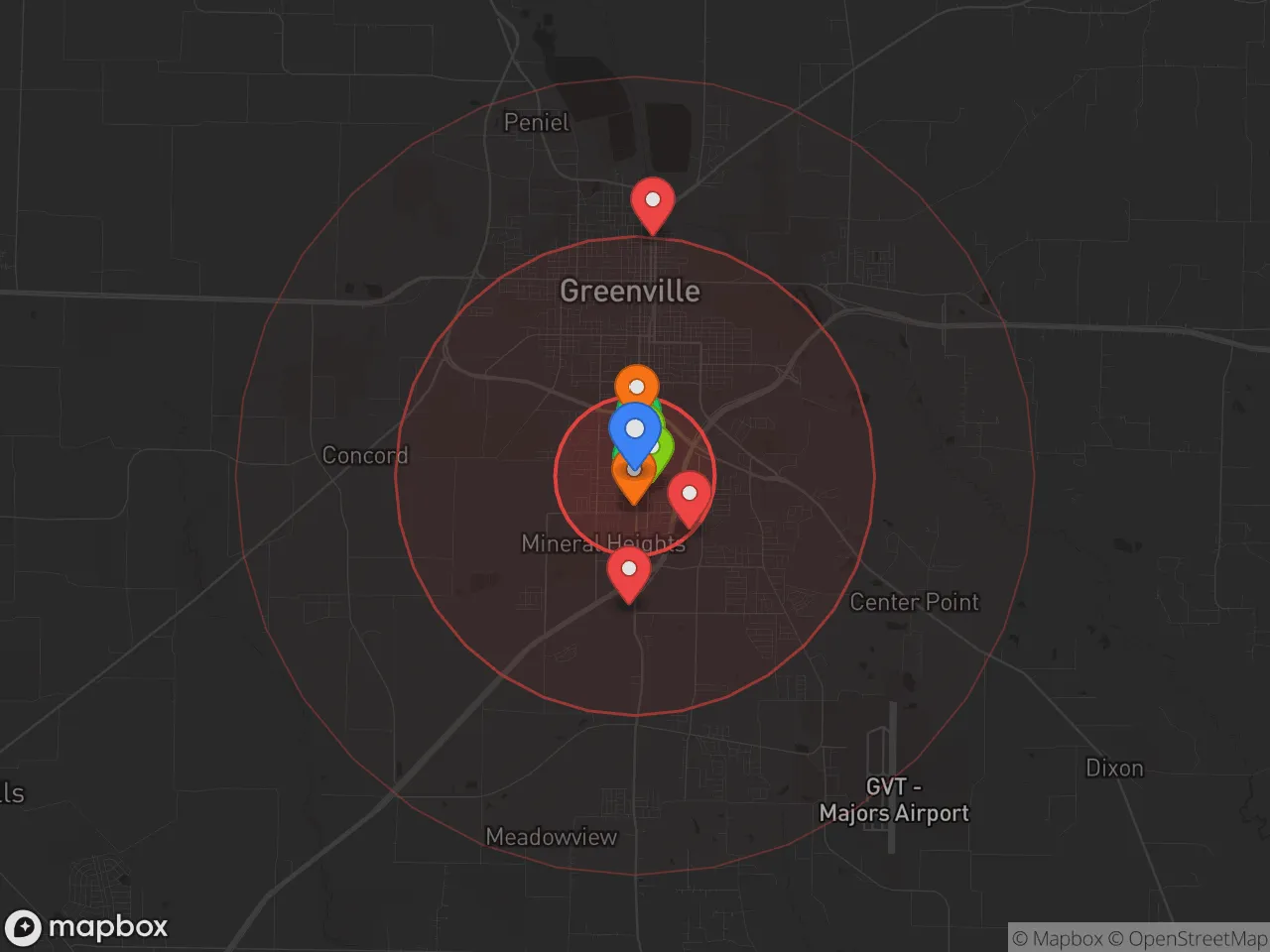
Hobbies
Explore the areaGroceries
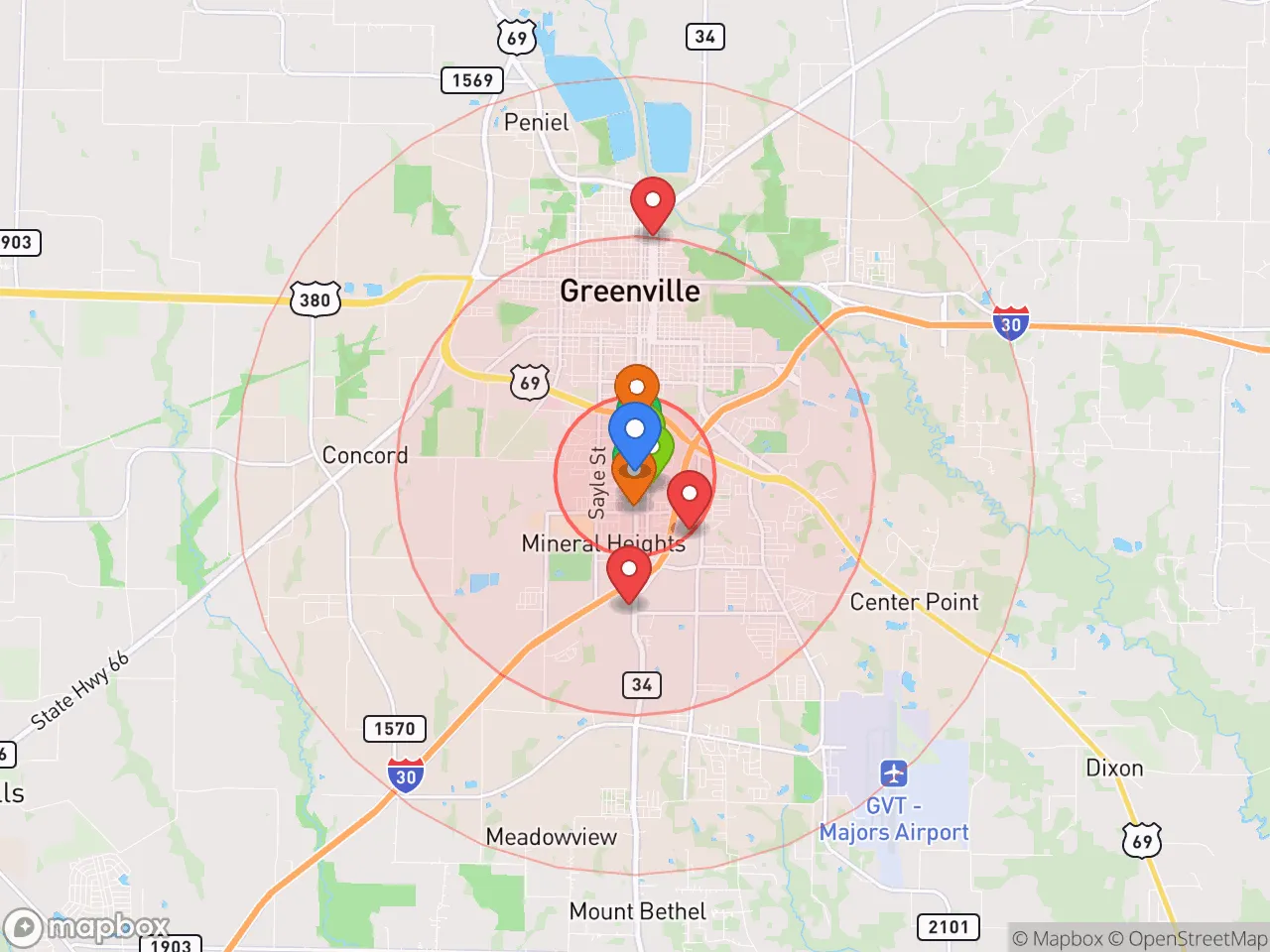
4 within 10 miles
Gas
20 within 10 miles
Hospital
4 within 20 miles
Airport
DFW — Dallas/Fort Worth International
Post Office
USPS — Greenville, TX
Critical Amenities
Quality-of-Life Analysis
Greenville, Texas, offers a notably affordable quality of life that appeals to families, young professionals, and retirees seeking a slower pace within commuting distance of the Dallas-Fort Worth metroplex. With a cost of living index of 94 (6% below the U.S. average), the city provides a tangible financial advantage over nearby suburbs like Plano or Frisco, where housing costs can be double. The population skews toward middle-income households and long-term residents, creating a stable, community-oriented atmosphere rather than a transient bedroom-community feel.
How housing costs and affordability compare to Dallas and surrounding towns
Greenville’s housing market is a primary draw for cost-conscious movers. The median home value sits at $197,400, roughly half the median in Collin County suburbs such as McKinney ($450,000+) and well below the Dallas metro average of about $330,000. Median rent is $1,274, making it one of the more budget-friendly rental markets in North Texas for a city of its size. Property taxes in Hunt County are comparable to state norms (around 1.8–2.0% of assessed value), but the lower base price keeps annual tax bills manageable. The average commute of 26.2 minutes reflects the reality that many residents work locally or make the 45–60 minute drive to DFW jobs; this is longer than a typical inner-suburb commute but shorter than exurbs farther east. For buyers, the trade-off is clear: significantly more square footage and land per dollar, balanced against fewer immediate urban amenities.
Local amenities, schools, and what daily life feels like
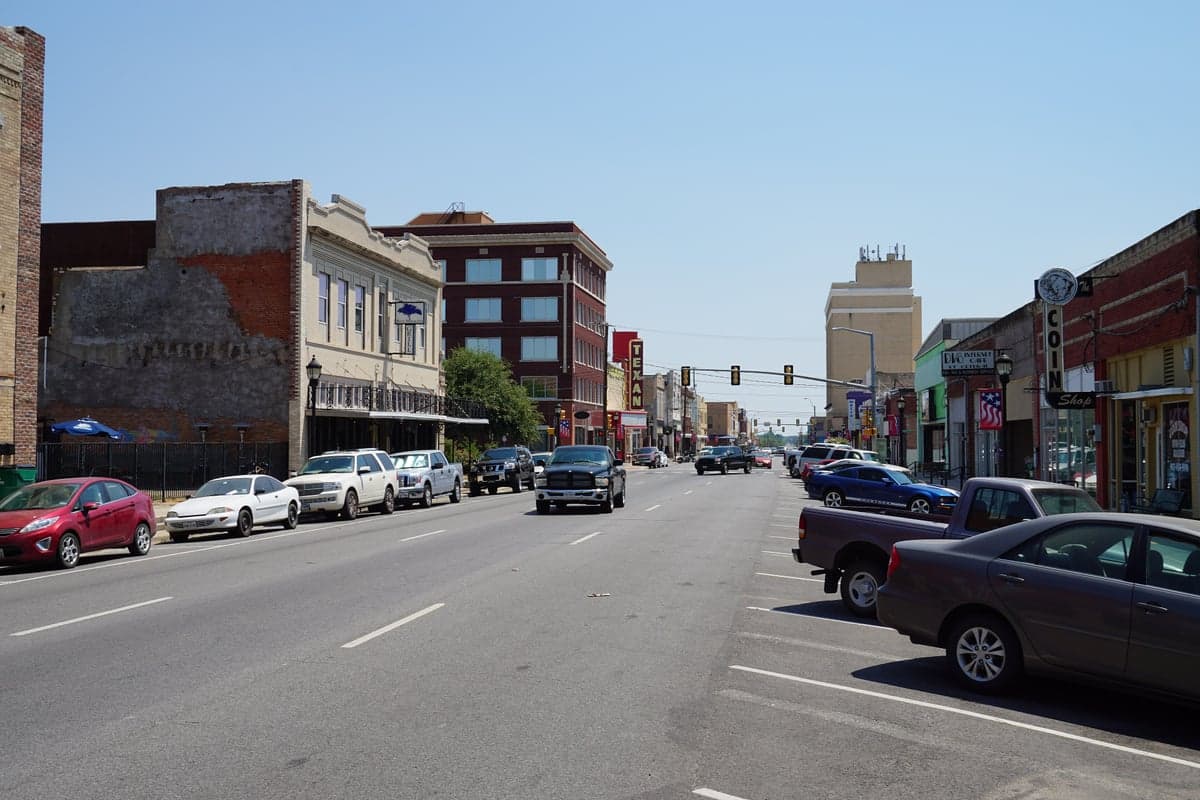
Daily life in Greenville centers on its historic downtown square, which hosts a farmers market, local restaurants, and seasonal events like the Hunt County Fair. The city’s school system, Greenville ISD, serves roughly 5,500 students and includes Greenville High School, which offers dual-credit programs and career-tech pathways. For shopping and dining, residents rely on a mix of local businesses and national chains along I-30, with major retail destinations like Allen Premium Outlets about 30 minutes west. Outdoor recreation includes the 1,200-acre Lake Tawakoni State Park (20 minutes south) and the city’s own 40-acre Graham Park with sports fields and walking trails. Healthcare is anchored by Hunt Regional Medical Center, a 156-bed facility that provides emergency and specialty care, reducing the need to travel to Dallas for routine needs. The rhythm is distinctly small-town: quieter evenings, lower traffic, and a pace that prioritizes front-porch conversations over nightlife.
Greenville is best suited for those who value affordability and space over proximity to urban density. Families seeking a lower-cost entry point into the Texas housing market, remote workers who can tolerate a 25-minute commute to local coffee shops, and retirees on fixed incomes will find the most to appreciate. The city lacks the high-end dining and entertainment options of Dallas suburbs, but its cost advantages and community feel make it a practical choice for buyers unwilling to pay Frisco or McKinney premiums. For anyone prioritizing a slower, more affordable lifestyle within reach of a major metro, Greenville delivers a strong value proposition.

Crime in Greenville, TX
Crime rates similar to the national median for U.S. locations.
Violent CrimeViolent Crime Analysis
Property CrimeProperty Crime Analysis
Crime Analysis
Greenville, Texas, presents a mixed safety profile for potential residents. The city’s violent crime rate of 230.1 per 100,000 residents is notably lower than the national average, but its property crime rate of 1,222.8 per 100,000 is significantly higher, indicating a greater risk of theft, burglary, and vehicle-related crimes. As a small city within commuting distance of the Dallas-Fort Worth metroplex, Greenville’s crime dynamics are influenced by both local conditions and broader regional trends.
Crime in context
When compared to state and national benchmarks, Greenville’s violent crime rate is roughly 38% lower than the U.S. average of about 370 per 100,000, placing it in a safer tier for serious offenses like assault and robbery. However, the property crime rate is approximately 25% higher than the national average of 1,954 per 100,000, and well above the Texas state average of around 2,200 per 100,000. This disparity suggests that while residents face a lower risk of violent victimization, they should take proactive measures to secure homes, vehicles, and personal property. The city’s proximity to the larger Dallas-Fort Worth area can introduce crime spillover, particularly property-related offenses, from the metro’s higher-crime zones.
What residents experience
Daily life in Greenville for most residents involves a low likelihood of encountering violent crime, but property crime is a more tangible concern. Common incidents include vehicle break-ins, theft from porches, and burglaries of unoccupied homes. The city’s law enforcement presence is active, but like many communities near large metro areas, Greenville is not immune to the effects of broader criminal justice policies. Progressive judicial philosophies in the surrounding region, including lenient sentencing and reduced incarceration for property offenders, can contribute to higher recidivism and more criminals on the street. This dynamic, often seen in counties with liberal district attorneys, may undermine local enforcement efforts and increase the risk for victims. Residents should be aware that while Greenville itself may not have a progressive prosecutor, the influence of nearby metro-area policies can still affect crime patterns through offender mobility.
Neighborhood-level variation
Safety in Greenville varies noticeably by neighborhood. Areas closer to the historic downtown core and along major corridors like I-30 tend to report higher property crime rates, while residential subdivisions on the city’s north and east sides generally see fewer incidents. Neighborhoods such as those near Greenville High School and the central business district have higher police call volumes, while newer developments near Lake Tawakoni and the southern outskirts offer a quieter, lower-crime environment. Prospective residents are advised to review local crime maps and consider specific street-level data, as block-by-block differences can be significant. Engaging with neighborhood watch programs and maintaining visible security measures are practical steps to mitigate the elevated property crime risk.
* Values derived from national, state, county, city and local statistics and may differ in a specific area. Last updated: 2026-05-23T03:33:11.000Z
Narrative content on this page is AI-generated and may contain mistakes. Verify any details that matter before acting on them.
ReloMaps may earn a commission from affiliate links at no extra cost to you.

