Demographics of Gulf Stream, FL
Affluence Level in Gulf Stream, FL
An elite concentration of wealth — high incomes, strong home values, advanced degrees, and minimal poverty signal a top-tier socioeconomic profile.
People of Gulf Stream, FL
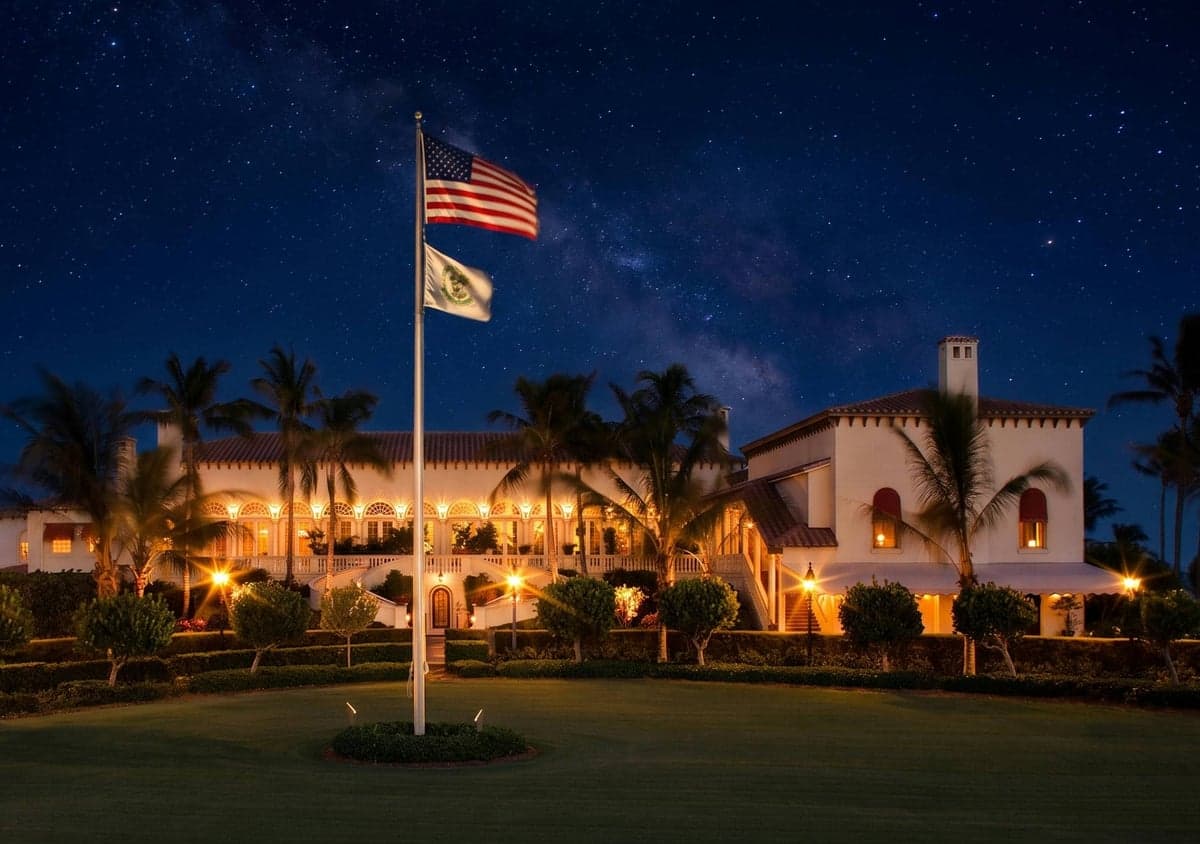
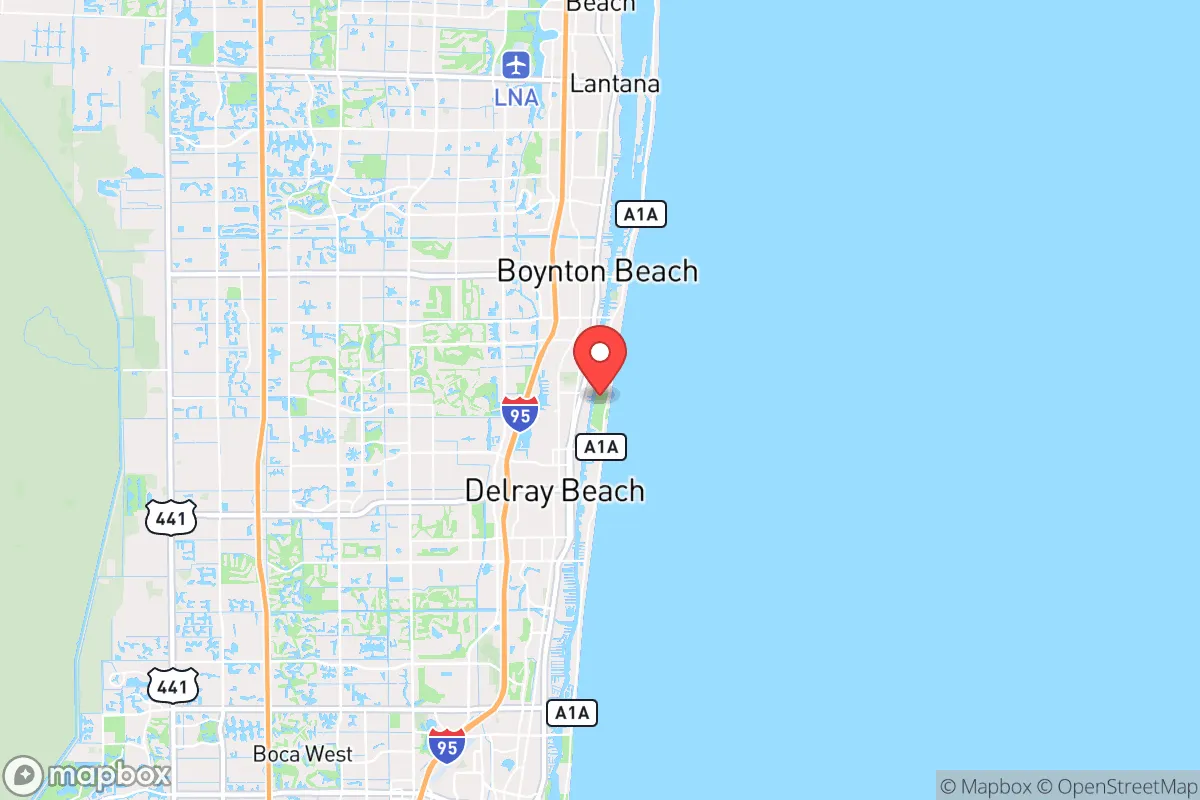
Gulf Stream, Florida, is a small, affluent coastal enclave of 766 residents characterized by its exceptionally high concentration of wealth, privacy, and racial homogeneity. The city is 88.9% white, with a foreign-born population of just 3.0%, and boasts a college education rate of 74.1%, reflecting a community built by and for the upper echelons of American society. Its distinctive identity is less a product of organic settlement and more a deliberate creation of elite land developers and wealthy families seeking a secluded, oceanfront haven in Palm Beach County.
How the city was settled and grew
Unlike many Florida towns that grew from agricultural or railroad roots, Gulf Stream was a planned, exclusive residential community from its inception. The city was incorporated in 1925, during the Florida land boom, by a group of wealthy investors including the architect Addison Mizner, who envisioned a private, gated enclave for the nation's industrial and social elite. The original population was drawn not by industry but by the promise of a secluded, manicured estate along the Atlantic Ocean. The first wave of settlers—largely white, Protestant, and from the Northeast—built sprawling winter homes along Ocean Boulevard, the city's main coastal artery, and the adjacent North Gulf Stream and South Gulf Stream neighborhoods. These areas remain the historic core of the city, characterized by large, oceanfront estates and strict zoning that has preserved low density. The city's founding charter explicitly limited development to single-family homes on large lots, a policy that effectively filtered for the very wealthy and ensured demographic continuity for decades.
Modern era (post-1965)
The post-1965 era, marked by the Hart-Cellar Act and broader suburbanization, had minimal impact on Gulf Stream's demographic composition. The city's extreme property values and restrictive zoning—minimum lot sizes of one acre in many areas—created a natural barrier to the waves of immigration and domestic migration that reshaped much of South Florida. The small Hispanic population (4.4%) and East/Southeast Asian population (2.6%) are largely concentrated in the Hidden Harbor neighborhood, a smaller, slightly less expensive section near the Intracoastal Waterway that saw some new construction in the 1980s and 1990s. The Indian subcontinent population (1.8%) is dispersed, with no single ethnic enclave forming. The Black population remains negligible at 0.4%, a figure that has not meaningfully changed since the city's founding. The most significant demographic shift has been internal: a gradual replacement of old-money, Northeast families with new-money buyers from finance, tech, and international business, many of whom are white and from other parts of the United States or Europe. The Gulf Stream Golf Club area, a private, member-owned community, has become a hub for this newer cohort of affluent residents.
The future
Gulf Stream's population is heading toward further homogenization, not diversification. The city's tiny size and extreme property values—median home prices routinely exceed $5 million—mean that demographic change will be driven almost entirely by the financial profile of incoming buyers, not by broad migration patterns. The small Hispanic and Asian populations are likely to plateau or slowly decline as older, less expensive homes in Hidden Harbor are redeveloped into larger estates. The Indian subcontinent population may see modest growth as professionals in finance and medicine seek the same privacy and prestige that drew earlier waves, but they will assimilate into the existing white-majority fabric rather than forming a distinct enclave. The city's zoning code, which prohibits multi-family housing and commercial development, ensures that no new immigrant or working-class communities can form within city limits. Over the next 10–20 years, Gulf Stream will remain one of the whitest, wealthiest, and most demographically stable municipalities in Florida.
For a conservative-leaning individual or family considering relocation, Gulf Stream offers an environment of extreme stability, privacy, and demographic continuity. The city is not becoming more diverse or more urban; it is solidifying its identity as a refuge for the ultra-wealthy who prioritize seclusion and low density above all else. Moving here means joining a community where the population is not just overwhelmingly white and college-educated, but where that profile has been deliberately maintained through land-use policy for nearly a century.

* Values derived from national, state, county, city and local statistics and may differ in a specific area. Last updated: 2026-10-10T16:27:35.000Z
Narrative content on this page is AI-generated and may contain mistakes. Verify any details that matter before acting on them.
ReloMaps may earn a commission from affiliate links at no extra cost to you.

