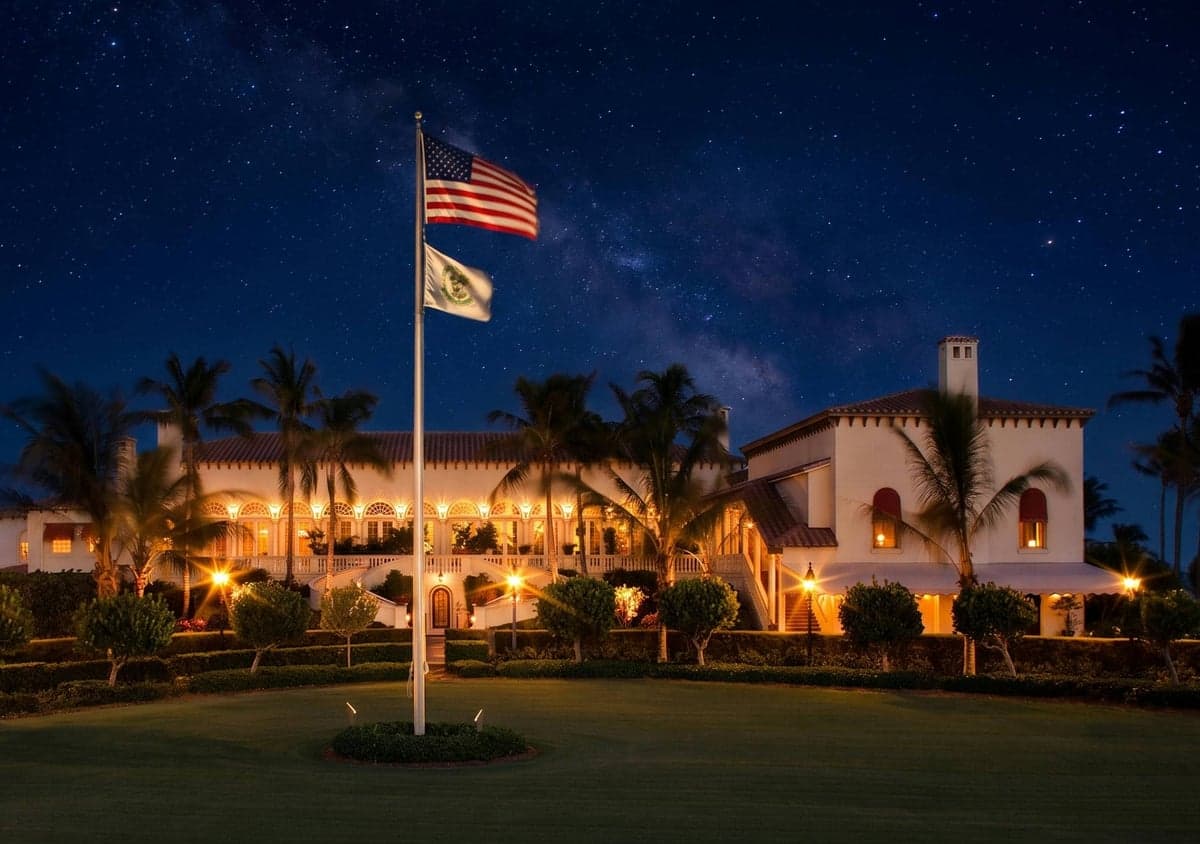
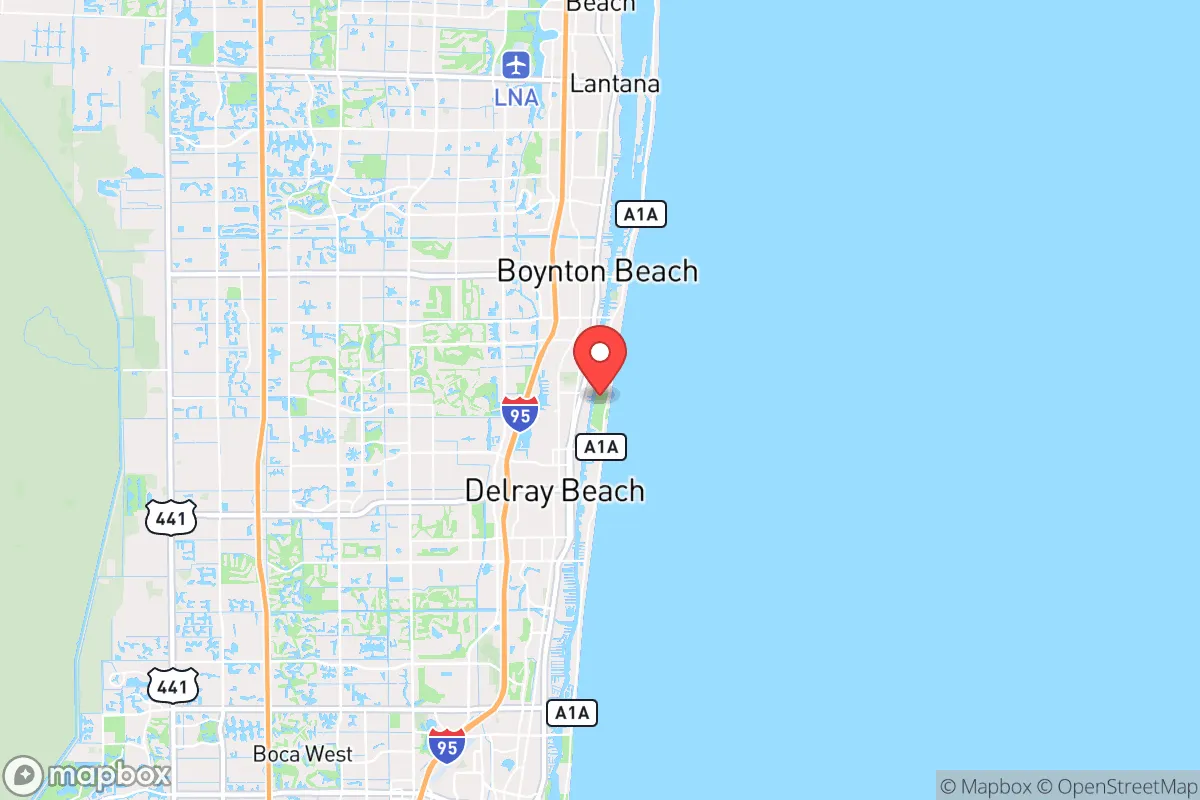
Personal Sovereignty in Gulf Stream, FL
Viable for self-reliance. Generally workable, though some barriers may limit total independence.
What does Personal Sovereignty tell us?
Personal Sovereignty measures your capacity for self-reliance and independence with minimal government friction. Higher scores mean fewer barriers between you and the way you want to live... but it assumes you have the space you need and good neighbors.
What does this tell us?
Personal Sovereignty measures your capacity for self-reliance and independence with minimal government friction. Higher scores mean fewer barriers between you and the way you want to live... but it assumes you have the space you need and good neighbors.
State Policy
Energy independence: Importer (10% of energy produced in-state)
Personal Liberty
Homesteading

Personal Liberty Analysis
Gulf Stream, Florida, offers a notably high degree of personal sovereignty relative to many coastal enclaves, largely because it sits within a state that has aggressively pushed back against federal overreach and maintains a strong culture of individual rights. For the survivalist or prepper-minded individual, this town represents a strategic choice: you get the privacy and exclusivity of a small, gated community combined with Florida’s broad legal protections for self-defense, property rights, and medical autonomy. However, the trade-off is that this sovereignty comes at a premium—both in terms of property costs and the expectation that you will self-fund your own preparedness infrastructure, as the town itself is small and relies on county-level services. The overall autonomy environment here is best described as “high-liberty, high-responsibility,” where the state and local government largely stay out of your way, provided you can afford the real estate and are willing to handle your own security and resilience planning.
Tax burden and regulatory posture: How Florida’s policies protect your wallet and choices
Florida’s lack of a state income tax is the single most powerful tool for preserving personal sovereignty here, as it means you keep more of what you earn without funding a sprawling state bureaucracy. Gulf Stream itself adds no city income tax, and property taxes are reasonable for the area—typically around 1.1% of assessed value, which is below the national average. The regulatory posture in Gulf Stream is light-touch for residential property owners: there are no onerous business licensing requirements for home-based activities, and the town’s zoning code is permissive for single-family dwellings. However, be aware that the town enforces strict aesthetic covenants (e.g., no chain-link fences, no visible trash bins) to maintain the upscale character, which can feel like a minor infringement on personal expression. For the prepper, the key advantage is that Florida preempts local governments from enacting stricter building codes than the state mandates, meaning you won’t face a patchwork of municipal red tape when reinforcing your home or installing backup power systems. The state’s “Right to Farm” act also protects agricultural activities on residential lots, though Gulf Stream’s small lot sizes (typically under half an acre) limit large-scale homesteading.
Self-defense and gun law specifics: Stand your ground and constitutional carry in practice
Florida is a “Stand Your Ground” state with constitutional carry (permitless carry for law-abiding residents 21 and older), and these laws apply fully within Gulf Stream. You can carry a concealed firearm without a permit, and there is no duty to retreat in any place you have a legal right to be. The town itself has no local gun ordinances that exceed state law, so you are not subject to magazine capacity bans or waiting periods beyond the state’s three-day background check for retail purchases. For the survivalist, this is a critical sovereignty metric: you can defend your home, vehicle, and person without fear of prosecution for using force against a threat. The Palm Beach County Sheriff’s Office (PBSO) handles law enforcement in Gulf Stream, and their deputies are generally supportive of Second Amendment rights. One practical consideration: because Gulf Stream is a small, wealthy enclave, you may face more scrutiny from neighbors if you engage in visible firearms training on your property (e.g., shooting ranges are not permitted on residential lots under half an acre). For serious preppers, joining a private range in western Palm Beach County is the workaround. Overall, the legal framework here is among the most protective in the nation for individual self-defense.
Self-reliance and homesteading viability: Lot sizes, zoning, and off-grid feasibility
Gulf Stream’s residential lots average 0.25 to 0.5 acres, which limits large-scale homesteading but still allows for significant self-reliance measures. Zoning permits backyard chickens, beekeeping, and small vegetable gardens without special permits, though livestock like goats or pigs are prohibited. Off-grid feasibility is mixed: Florida law explicitly protects the right to install solar panels and rainwater collection systems, and Gulf Stream has no HOA-style restrictions that ban these (the town is not an HOA, though some subdivisions have their own covenants). You can legally install a whole-house generator, a well (if your lot meets setback requirements), and a septic system if you’re not on municipal sewer. However, the town’s coastal location means you’ll need to elevate structures and comply with floodplain regulations, which adds cost to any off-grid infrastructure. For the prepper, the biggest constraint is water: the Biscayne Aquifer is shallow and vulnerable to saltwater intrusion, so a well may require a reverse osmosis system. The practical takeaway is that Gulf Stream supports a “suburban prepper” lifestyle—you can harden your home, store supplies, and generate your own power, but you won’t be self-sufficient in food or water without significant investment. For true rural self-reliance, look inland to areas like Okeechobee or the Panhandle.
Personal liberties: Parental rights, medical autonomy, speech, and property protections
Florida has become a national leader in protecting parental rights, with laws like the Parental Bill of Rights (Fla. Stat. § 1014.04) that affirm parents’ authority over their children’s education, healthcare, and upbringing. In Gulf Stream, this means you can opt your child out of any school curriculum you find objectionable, and you have the right to access all educational materials. Medical autonomy is similarly strong: Florida law prohibits vaccine passports and mandates that medical decisions remain between patient and doctor, with no state-level public health orders that override individual choice. The state’s “Free Speech” law (HB 7) protects individuals from being compelled to endorse ideological statements, and Gulf Stream has no local speech restrictions beyond standard defamation and incitement laws. Property rights are robust: Florida’s “Private Property Rights Protection Act” requires governments to compensate landowners for any regulatory taking that reduces property value by more than 50%. For the survivalist, this legal environment means you can stockpile medical supplies, refuse unwanted medical interventions, and speak freely about preparedness without fear of government retaliation. The only notable limitation is that Florida’s “Sunshine Law” makes most government records public, so if you value operational security (OPSEC) for your preps, you should avoid applying for any permits that would create a public paper trail.
In the broader context of personal sovereignty, Gulf Stream offers a rare combination of high legal protections and low government interference, but it is not a place for those seeking total isolation or off-grid independence. Compared to states like California or New York, where regulatory overreach and tax burdens erode autonomy, Gulf Stream is a sanctuary. Compared to rural Montana or Idaho, it is a compromise—you trade land and seclusion for coastal access and a legal framework that actively defends your rights. For the strategic relocator who values both liberty and lifestyle, Gulf Stream represents a calculated bet: you can live freely, defend yourself, and raise your family according to your values, as long as you have the resources to buy into the system. The sovereignty here is real, but it is the sovereignty of the prepared individual, not the sovereign citizen. If you are willing to pay the premium and handle your own security and resilience, this town will not stand in your way.

* Values derived from national, state, county, city and local statistics and may differ in a specific area. Last updated: 2026-10-10T16:27:35.000Z
Narrative content on this page is AI-generated and may contain mistakes. Verify any details that matter before acting on them.
ReloMaps may earn a commission from affiliate links at no extra cost to you.

