Political ClimatePolitical Climate in Gulf Stream, FL
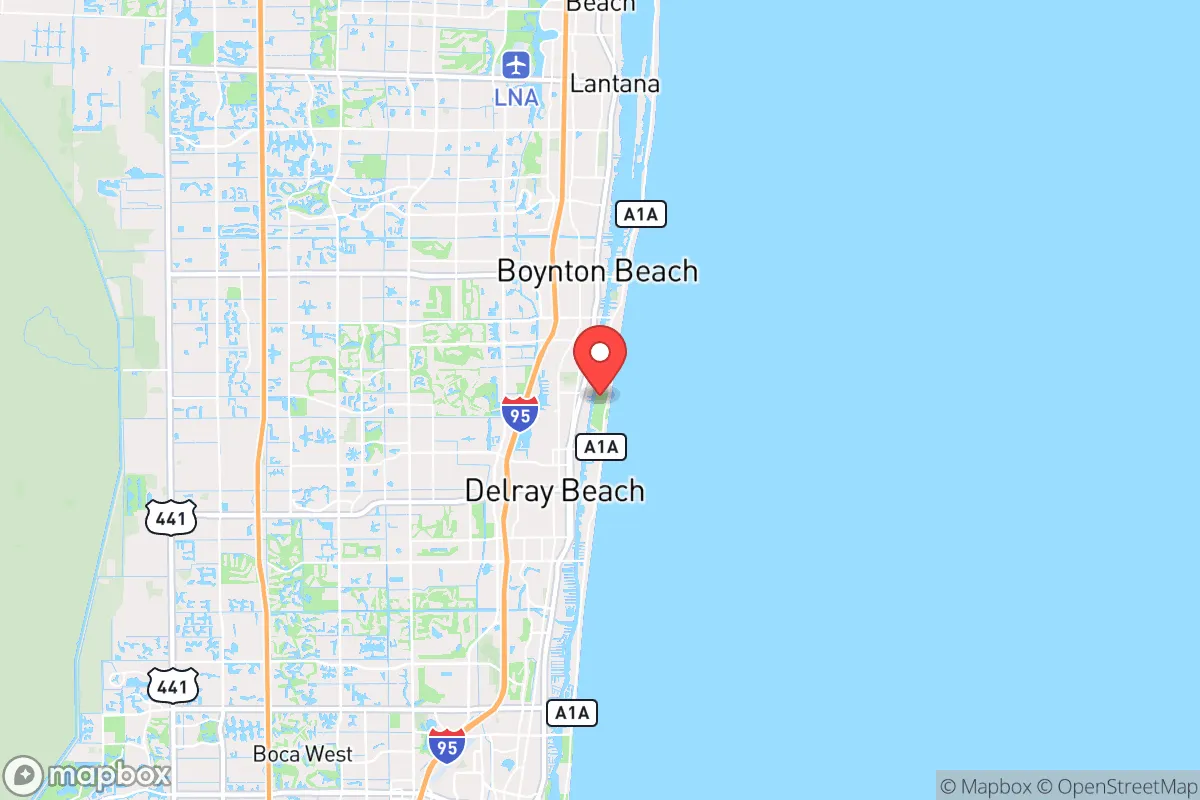
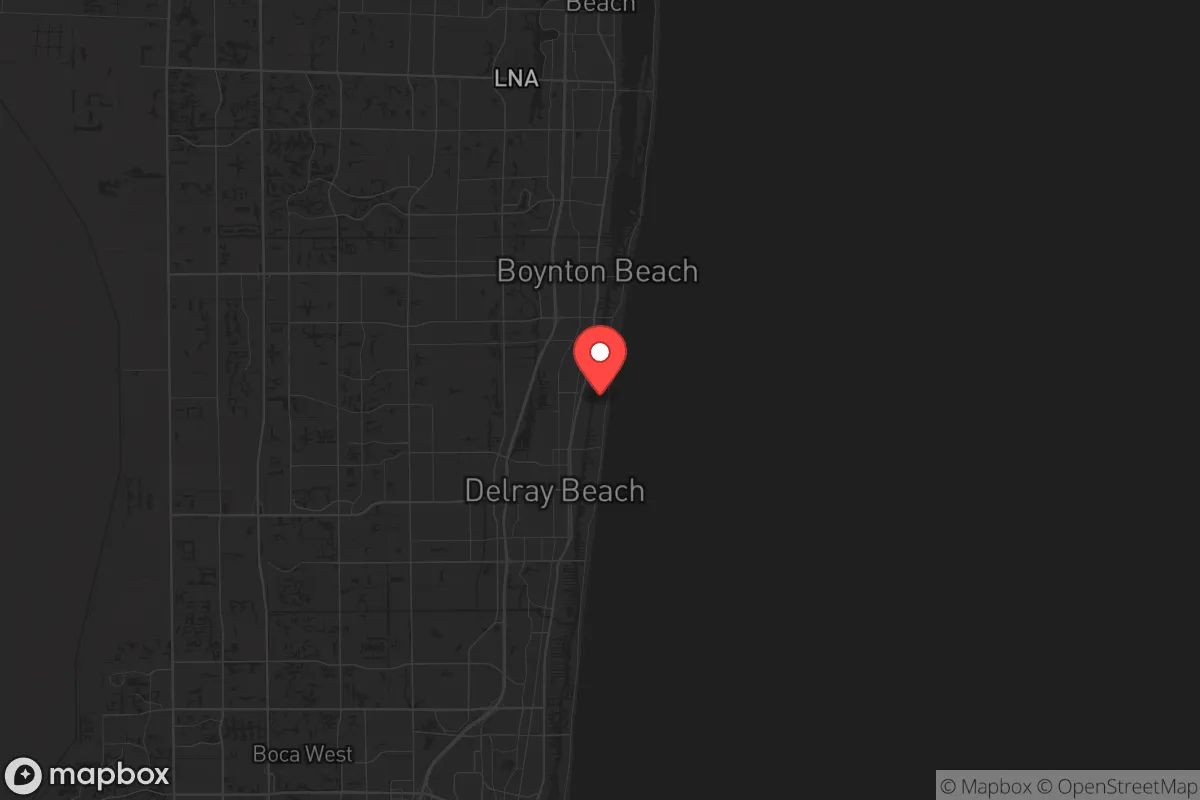
District shown is the primary district for this city’s centroid. Cities may span multiple districts.
Local Political AnalysisPolitical Analysis of Gulf Stream, FL
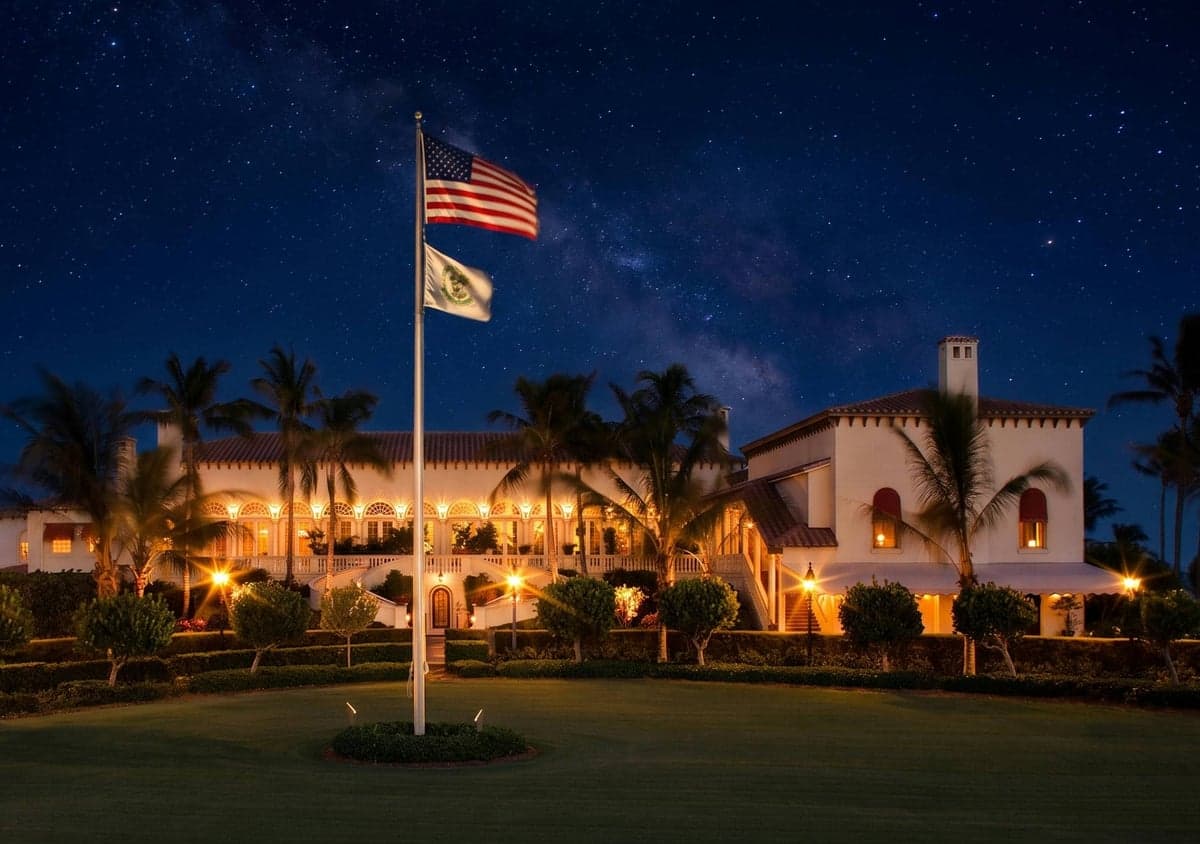
Gulf Stream, Florida, is a small, affluent coastal enclave that leans Democratic, with a Cook PVI of D+4, but don't let that number fool you into thinking it's a progressive stronghold. The political reality here is more nuanced, shaped by a long-time resident base that values privacy, low taxes, and a hands-off government approach. Over the last decade, I've watched the local politics drift leftward, which is concerning for those of us who moved here specifically to escape the kind of overreach you see in bigger cities. The surrounding state of Florida, with its R+5 PVI, is a stark contrast, and that tension between local and state politics is the real story.
How it compares
When you compare Gulf Stream to the rest of Florida, you're looking at two different worlds. The state as a whole is solidly Republican, with a strong libertarian streak that keeps government out of your business, your wallet, and your family's decisions. But here in Gulf Stream, you're just a few miles from Delray Beach and Boca Raton, both of which have seen a surge in progressive policies—higher taxes, more regulations, and a general attitude that the government knows best. The D+4 rating for Gulf Stream reflects that coastal influence, but it's a fragile majority. Many of us remember when this town was a quiet, conservative haven, and the shift has been gradual but unmistakable. The state government in Tallahassee often pushes back against local overreach, which is a relief, but it's a constant battle to keep our local officials from adopting the same heavy-handed approaches you see in places like Palm Beach Gardens or West Palm Beach.
What this means for residents
For those of us living here, the political climate means we have to stay vigilant. The local government has a tendency to nibble around the edges of personal freedom—think stricter building codes, noise ordinances that feel like they're designed to control rather than protect, and a general willingness to spend taxpayer money on pet projects. It's not a full-blown progressive takeover, but it's a slow creep. The good news is that the state's R+5 lean acts as a firewall. When local officials try to push through something like a new tax or a land-use restriction that feels like overreach, state preemption laws often step in. For example, Florida's strong property rights laws and preemption on local gun regulations mean that even in a D+4 town, your rights are largely protected. But you have to pay attention—the local school board and town commission elections are where the real battles happen, and they're often decided by a handful of votes.
Cultural and policy distinctions
Culturally, Gulf Stream still holds onto some of its old-school charm. It's a place where people know their neighbors, and there's a strong sense of community that resists the kind of anonymous, bureaucratic governance you see in larger cities. But the policy distinctions are where the rubber meets the road. Unlike the surrounding state, which has embraced school choice, deregulation, and a business-friendly environment, Gulf Stream's local policies can sometimes feel like they're swimming against the tide. For instance, while the state has worked to keep COVID-era mandates and business closures in the rearview mirror, some local voices here still push for that kind of control. It's a reminder that even in a beautiful, quiet town, you can't take your freedoms for granted. If you're considering a move here, keep an eye on the local elections—they'll tell you everything you need to know about whether this place will stay true to its roots or slide further into the kind of progressive governance that's choking nearby cities.

State Political ClimatePolitical Climate in Florida
State Political AnalysisPolitical Environment in the State
Florida is a solidly Republican state with a Cook PVI of R+5, but don’t let that single number fool you — it’s a battleground that’s been shifting rightward over the last decade, driven by a massive influx of conservative-leaning transplants from blue states and a growing Hispanic electorate that’s breaking for the GOP. The dominant coalition is a mix of suburban families, retirees, and rural voters, with the Miami-Dade and Palm Beach County Hispanic communities increasingly siding with Republicans, while the Panhandle and interior counties remain deeply red. Over the past 10-20 years, the state has gone from a classic swing state (think 2000 recount chaos) to a reliably right-leaning powerhouse, with Republicans now holding supermajorities in both legislative chambers and the governor’s mansion since 2019.
Urban vs. rural divide
The political map of Florida is stark: the rural Panhandle and interior counties — places like Okaloosa, Santa Rosa, and Liberty County — vote Republican by 30-40 points, while the urban cores of Miami-Dade, Broward, and Orange County (Orlando) are deep blue. But the real story is the suburbs and exurbs. Miami-Dade County, once a Democratic stronghold, flipped to Trump in 2020 and again in 2024, driven by Cuban-American and Venezuelan voters who are fiercely anti-socialist. Palm Beach County is now a toss-up, with the wealthy coastal enclaves like Palm Beach proper trending redder. Meanwhile, Duval County (Jacksonville) has become a competitive battleground, with the city’s northern and western suburbs leaning Republican while the urban core stays Democratic. The Tampa Bay area — Hillsborough, Pinellas, and Pasco counties — is a microcosm: St. Petersburg’s liberal downtown contrasts with the sprawling, conservative suburbs of Wesley Chapel and Land O’ Lakes. The rural Panhandle remains the GOP’s firewall, with counties like Holmes and Washington routinely voting 80%+ Republican.
Policy environment
Florida’s policy environment is aggressively conservative, with a low-tax, low-regulation posture that attracts businesses and families. There is no state income tax, a major draw for high-earners and retirees. Property taxes are moderate, and the state’s homestead exemption caps annual assessment increases at 3% for primary residences, protecting long-time homeowners from being taxed out of their homes. Education policy has been a flashpoint: Governor Ron DeSantis signed the Parental Rights in Education Act (HB 1557) in 2022, which prohibits classroom instruction on sexual orientation and gender identity in grades K-3, and the Stop WOKE Act (HB 7) in 2022, which restricts critical race theory in schools and workplace training. School choice is robust, with the Family Empowerment Scholarship program offering vouchers for private school tuition. Healthcare is mixed: the state did not expand Medicaid under the ACA, but it has a competitive private insurance market. Election laws have been tightened with SB 90 (2021), which requires voter ID, limits drop boxes, and restricts mail-in ballot requests to one election cycle. The state also banned sanctuary cities with SB 168 (2019), requiring local law enforcement to cooperate with federal immigration authorities.
Trajectory & freedom
Florida is becoming more free in many respects, particularly on economic and parental rights fronts, but there are areas where government overreach has expanded. On the plus side, the state enacted constitutional carry (HB 543) in 2023, allowing permitless carry of firearms for law-abiding adults — a major win for Second Amendment advocates. The Parental Rights in Education Act and Stop WOKE Act have rolled back progressive indoctrination in schools, restoring local control to parents. Property rights were strengthened with SB 250 (2023), which limits homeowners’ association fines and restrictions on solar panels and clotheslines. However, the state has also expanded its power in concerning ways: the Disney Reedy Creek Improvement District takeover (2023) saw the state dissolve a special tax district after the company opposed the Parental Rights Act, a clear use of government leverage against a private business for political speech. The Florida Heartbeat Act (HB 5, 2023) bans abortion after six weeks, which some see as a protection of life but others view as government intrusion into medical decisions. The state also passed SB 254 (2023), which restricts Chinese nationals from buying property near military installations — a national security measure that some critics call discriminatory.
Civil unrest & political movements
Florida has seen its share of political flashpoints, but they’ve been less violent than in other states. The 2020 George Floyd protests in Miami, Tampa, and Jacksonville were largely peaceful, though there were isolated instances of looting and property damage. The state’s response was swift: DeSantis signed the Combating Public Disorder Act (HB 1, 2021), which enhanced penalties for rioting, blocking roads, and damaging monuments — a direct response to the unrest. Immigration politics are hot: the Florida Immigration Enforcement Act (SB 1718, 2023) requires businesses with 25+ employees to use E-Verify, bans local governments from issuing IDs to undocumented immigrants, and makes it a felony to transport them into the state. This has led to protests from immigrant rights groups, particularly in Miami-Dade and Immokalee, but the law remains popular with the base. Election integrity remains a live issue: the 2020 and 2022 elections saw no major scandals, but the state’s Office of Election Crimes and Security, created in 2022, has prosecuted a handful of cases of double voting and non-citizen voting, reinforcing trust in the system. The Moms for Liberty movement, which originated in Florida, has been a powerful grassroots force, pushing for school board candidates and curriculum transparency.
Projection
Over the next 5-10 years, Florida will likely become even more conservative, driven by continued in-migration from blue states like New York, California, and Illinois. These new residents are often fleeing high taxes, crime, and progressive policies, and they tend to vote Republican once they arrive. The Hispanic vote, particularly in Miami-Dade and Osceola County, will continue to shift right, as younger generations of Cuban, Venezuelan, and Nicaraguan Americans prioritize economic freedom and anti-socialist rhetoric. The rural Panhandle and interior counties will remain deeply red, while the urban cores of Miami, Orlando, and Tampa will stay blue but lose influence as the suburbs grow. The biggest wildcard is climate change: rising sea levels and stronger hurricanes could drive population shifts away from coastal areas like Miami Beach and the Florida Keys, potentially reshaping the political map. But for now, the trajectory is clear: Florida is solidifying as a red state, with a policy environment that prioritizes individual liberty, low taxes, and parental rights. A new resident moving in today should expect to find a state that is increasingly aligned with conservative values, with a government that is willing to use its power to enforce those values — for better or worse.
Bottom line for a new resident: If you’re moving to Florida for freedom from government overreach, you’ll find a state that largely delivers — no income tax, strong gun rights, school choice, and a governor who fights the culture war. But be aware that this freedom comes with a government that is not shy about using its power to enforce its vision, whether that’s on immigration, abortion, or corporate speech. Pick your county wisely: Collier County (Naples) and St. Johns County (St. Augustine) are reliably conservative and family-friendly, while Alachua County (Gainesville) and Leon County (Tallahassee) are liberal outliers. The state is trending your way, but it’s not a libertarian paradise — it’s a conservative republic with a strong executive, and you’ll need to decide if that trade-off works for you.
* Values derived from national, state, county, city and local statistics and may differ in a specific area. Last updated: 2026-10-10T16:27:35.000Z
Narrative content on this page is AI-generated and may contain mistakes. Verify any details that matter before acting on them.
ReloMaps may earn a commission from affiliate links at no extra cost to you.

