Photo: Wikipedia
Demographics of Halawa, HI
Affluence Level in Halawa, HI
An upper-middle-class area. Household wealth, education levels, and homeownership run ahead of national benchmarks.
People of Halawa, HI
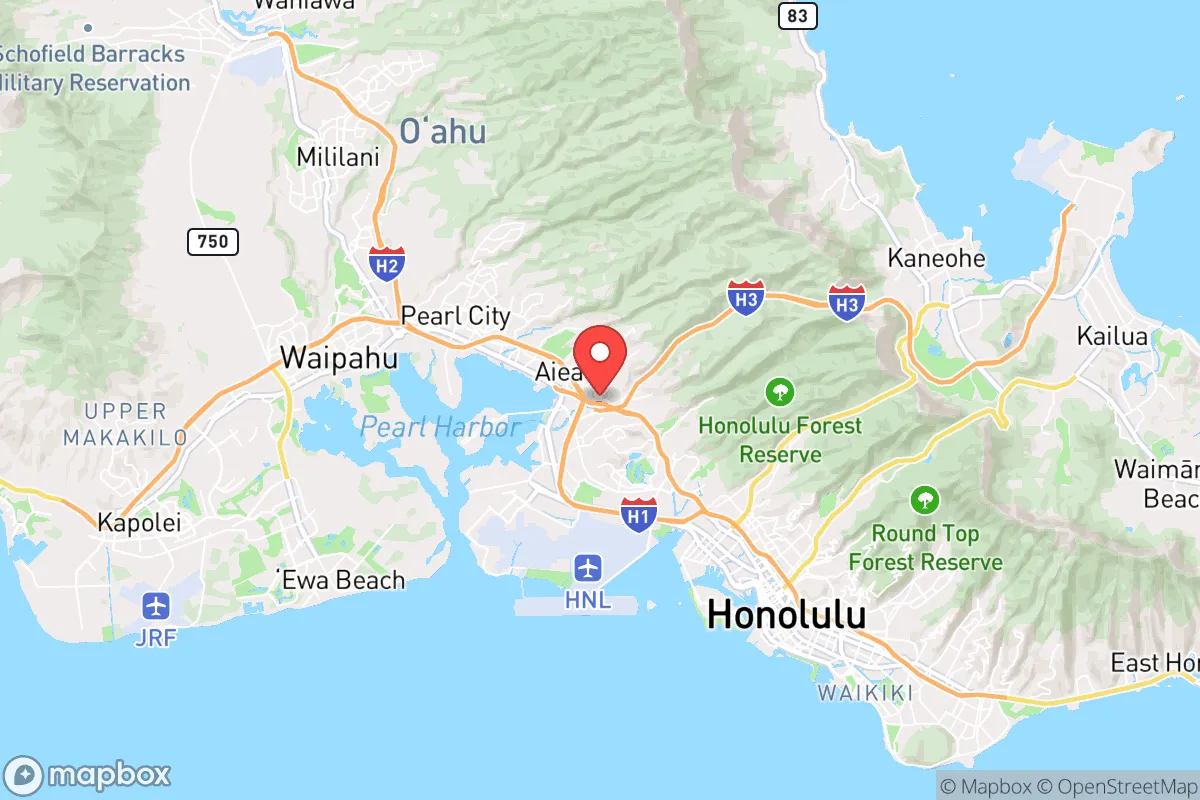
Halawa, Hawaii, is a densely settled, primarily residential community of 13,809 people on the island of Oahu, characterized by its strong East and Southeast Asian majority (54.1%) and a notably small White population (8.1%). The city’s identity is shaped by its history as a plantation-era labor hub and its modern role as a stable, middle-class suburb within the larger Honolulu metro area. With a foreign-born population of just 7.0%, Halawa is a community of deep, multi-generational roots rather than a recent immigrant gateway. The population is overwhelmingly Asian, with a small Hispanic (6.7%) and Black (0.5%) presence, creating a distinctive cultural landscape that is both ethnically concentrated and politically moderate.
How the city was settled and grew
Halawa’s human history begins in the late 19th and early 20th centuries, driven by the sugar and pineapple plantations that dominated Oahu’s economy. The area was originally part of the vast landholdings of the Oahu Sugar Company, which recruited contract laborers from Japan, China, Korea, and the Philippines to work the fields. These workers settled in distinct plantation camps that evolved into Halawa’s earliest neighborhoods. Japanese immigrants formed the largest early wave, establishing tight-knit communities in what is now known as Halawa Heights, a hillside neighborhood where many descendants of those original laborers still reside. Filipino workers, arriving later in the 1910s and 1920s, concentrated in the flatter areas near the old mill sites, an area today referred to as Lower Halawa. The plantation system created a rigid ethnic hierarchy, with Japanese and Chinese workers often occupying skilled or supervisory roles, while Filipinos and Koreans worked the fields. By the 1930s, Halawa was a patchwork of ethnic enclaves, each with its own community halls, temples, and stores. The post-World War II decline of plantation agriculture led to the subdivision of former camp lands into single-family home lots, solidifying Halawa’s transition from a labor camp to a permanent suburban settlement.
Modern era (post-1965)
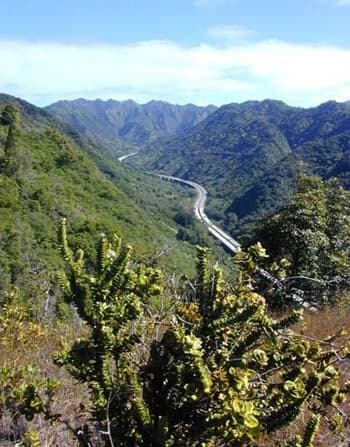
The 1965 Immigration and Nationality Act had a muted direct effect on Halawa compared to mainland cities, as the community’s Asian population was already well-established. Instead, the major post-1965 shift was internal: the children and grandchildren of plantation workers moved into white-collar and government jobs in Honolulu, while the neighborhood itself became a stable bedroom community. The construction of the H-3 Freeway in the 1990s improved access to Pearl Harbor and downtown Honolulu, making Halawa more attractive to military and civilian defense workers. This period saw modest in-migration of White and Hispanic families, but they remained a small minority. The ‘Aiea Heights area, adjacent to Halawa, absorbed some of this newer, more diverse population, while older neighborhoods like Ka‘a‘awa Street and Kamehameha Highway corridor retained their predominantly Japanese and Filipino character. The Asian share of the population, which was already high, remained stable through the 2000s, while the White share declined from roughly 12% in 1990 to 8.1% today. The small Indian subcontinent population (0.7%) is a very recent arrival, concentrated in newer apartment complexes near the Halawa Station area, and is not part of the historical Asian plantation narrative.
The future
Halawa’s demographic future points toward continued ethnic stability and gradual aging. The population is not homogenizing into a generic Asian identity; rather, distinct Japanese, Filipino, and Chinese sub-communities persist, with intermarriage rates high but ethnic self-identification remaining strong. The foreign-born share (7.0%) is low and declining, as most growth comes from natural increase rather than new immigration. The small Hispanic and Black populations are likely to remain small, as Halawa lacks the rental housing stock or entry-level jobs that typically attract newer immigrant groups. The biggest demographic shift will be generational: as older Japanese and Chinese residents age out, younger families—many of them mixed-race—are moving into neighborhoods like Halawa View Estates and ‘Aiea Loop. The college-educated share (30.7%) is below the state average, suggesting that Halawa remains a working-to-middle-class stronghold rather than a magnet for high-skilled newcomers. Over the next 10–20 years, the population is expected to shrink slightly as housing costs push some younger adults to cheaper areas on the Leeward Coast or the mainland.
For a conservative-leaning individual or family considering a move, Halawa offers a stable, family-oriented environment with deep community ties, low crime, and a population that values tradition and self-reliance. It is not a place of rapid change or ethnic tension, but rather a quiet, established suburb where the Asian majority sets the cultural tone. New residents—especially those not of East or Southeast Asian background—should expect to be a visible minority, but will find a community that is polite, orderly, and focused on home and family life. Halawa is becoming more of what it already is: a settled, multigenerational Asian-American enclave with little appetite for demographic disruption.

* Values derived from national, state, county, city and local statistics and may differ in a specific area. Last updated: 2026-04-24T06:09:54.000Z
Narrative content on this page is AI-generated and may contain mistakes. Verify any details that matter before acting on them.
ReloMaps may earn a commission from affiliate links at no extra cost to you.

