
Photo: Wikipedia
Political ClimatePolitical Climate in Halawa, HI
District shown is the primary district for this city’s centroid. Cities may span multiple districts.
Local Political AnalysisPolitical Analysis of Halawa, HI
Halawa, Hawaii, sits in a political landscape that leans heavily Democratic, with a Cook PVI of D+13, meaning the area votes about 13 points more Democratic than the national average. That’s a pretty deep blue spot, and it’s been trending that way for a while, especially as Honolulu’s influence spreads outward. If you’ve lived here long enough, you remember when local politics was more about practical, neighborly concerns—fixing the roads, keeping the water clean, and making sure the schools had enough supplies. Now, it feels like the conversation has shifted toward bigger, more ideological battles, and not always in a way that respects the average person’s freedom to live their life without a bunch of new rules.
How it compares
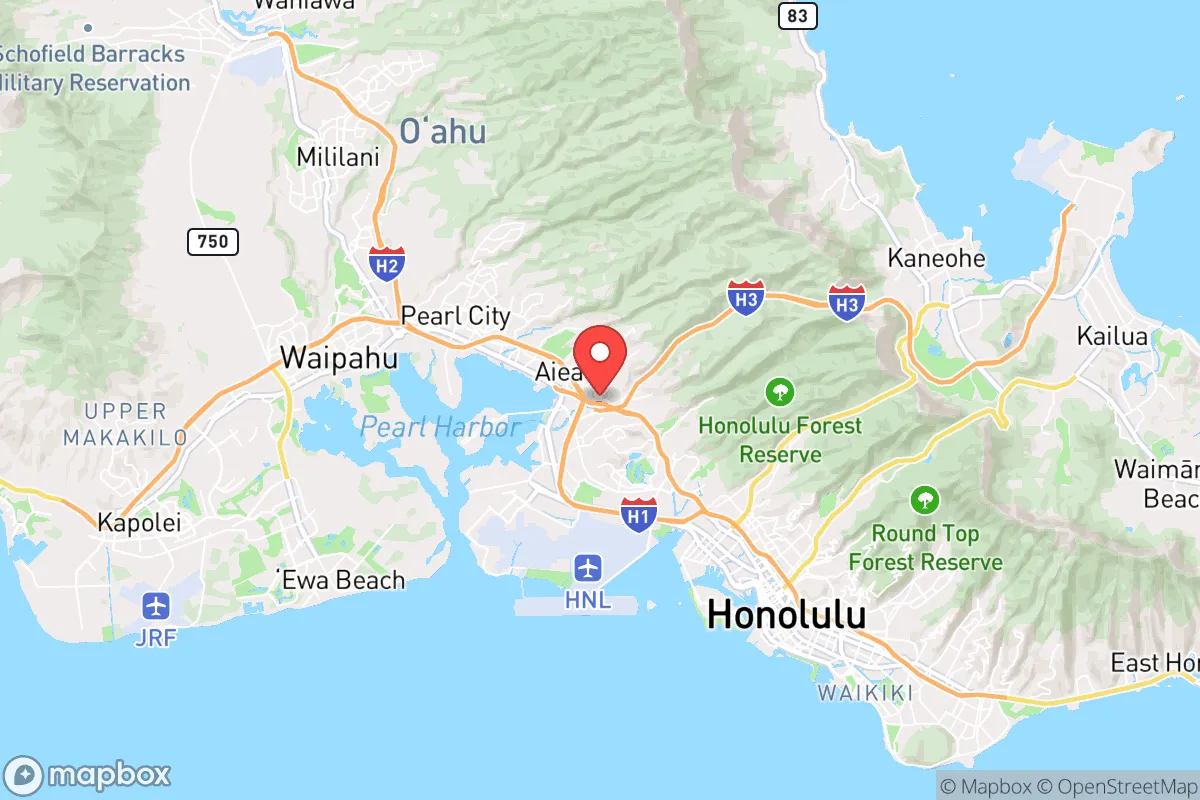
Halawa’s politics stand out when you look at the surrounding towns. Head west toward Waipahu or Ewa Beach, and you’ll find a similar Democratic tilt, but with a more working-class, pragmatic vibe—folks there are less interested in progressive social experiments and more focused on keeping their jobs at the Pearl Harbor shipyard or the local construction sites. Drive east into Honolulu proper, and you’re in a much more progressive, activist-heavy environment, where city council debates can get heated over things like plastic bag bans and rent control. Up in the North Shore communities like Haleiwa, you get a mix of old-school local families and newer transplants who bring mainland-style liberal politics. Halawa sits right in the middle—close enough to Honolulu to feel the pressure of progressive policies, but still holding onto a bit of that old Hawaii independence where people just want to be left alone to run their own lives.
What this means for residents
For someone who values personal freedoms, the D+13 lean in Halawa is a red flag. It means local elections often go to candidates who support higher taxes, stricter land-use regulations, and more government oversight on everything from short-term rentals to backyard chickens. The state legislature, which is heavily Democratic, has been pushing bills that expand government reach—like mandatory paid leave mandates that hit small businesses hard, or environmental rules that make it tougher to build a simple addition to your house. If you’re a homeowner or a small business owner, you’ve probably felt the squeeze. The long-term trend is concerning: as more people move in from the mainland, especially from blue states, the political culture here gets more comfortable with the idea that the government should solve every problem, even if it means stepping on your rights to do what you want with your property or your time.
One cultural distinction worth noting is that Halawa still has a strong sense of local community, where people know their neighbors and look out for each other. That’s a good thing, but it’s being tested by the influx of new policies that prioritize collective goals over individual choice. The shift toward progressive ideology isn’t just about voting patterns—it’s about a slow erosion of the “live and let live” attitude that used to define this place. If you’re considering moving here, keep an eye on local elections and zoning board meetings. That’s where the real battles over your freedoms are happening, and they’re only going to get more intense as the years go on.

State Political ClimatePolitical Climate in Hawaii
State Political AnalysisPolitical Environment in the State
Hawaii has been a one-party Democratic stronghold for decades, but don’t let the blue veneer fool you—the state’s political climate is far more complex than a simple partisan label. The Democratic coalition here is a fragile mix of old-guard union labor, Native Hawaiian sovereignty advocates, and mainland transplants pushing progressive policies, while a quiet but growing conservative minority is concentrated in rural Oahu, the Big Island’s ranching districts, and pockets of Maui. Over the last 20 years, the state has shifted from a moderate, pragmatic Democratic tradition to a more aggressively progressive posture, with Honolulu’s urban core driving the leftward tilt while the neighbor islands have shown signs of pushback.
Urban vs. rural divide
The political map of Hawaii is a tale of two worlds. Honolulu’s urban core on Oahu is the engine of Democratic dominance, with precincts in Waikiki, Manoa, and Kakaako routinely delivering 70-80% of the vote for progressive candidates. This is where the state’s legislative leadership, including Governor Josh Green and Honolulu Mayor Rick Blangiardi, draw their strongest support. In contrast, the rural West Side of Oahu—places like Waianae and Nanakuli—vote reliably Democratic but are far more skeptical of mainland-style progressive social agendas, prioritizing local economic issues and Native Hawaiian rights over identity politics. On the Big Island, the divide is stark: Hilo is a progressive stronghold, while Kailua-Kona and the North Kohala district have become quiet refuges for conservatives and libertarians, with precincts occasionally flipping Republican in state legislative races. Maui’s Upcountry region, around Kula and Makawao, is another conservative pocket, where ranchers and farmers vote against Honolulu’s agenda. Kauai remains uniformly Democratic but with a moderate, “keep it local” flavor that resists the most extreme progressive proposals.
Policy environment
Hawaii’s policy environment is a mixed bag that should concern anyone wary of government overreach. Taxes are among the highest in the nation—a combined state and local tax burden that hits 12% of income, with no relief in sight. The state has a progressive income tax topping out at 11%, and property taxes, while relatively low for homeowners, are punitive for investors and second-home owners. Regulatory red tape is legendary: building a single-family home can take 2-3 years for permits, and the state’s land use commission has near-total control over development. Education policy is dominated by a single statewide school district, the Hawaii Department of Education, which has been criticized for top-down mandates and resistance to school choice—there are no charter schools of note and only a handful of private options. Healthcare is heavily regulated, with the state’s Prepaid Health Care Act mandating employer coverage, but the system is strained by high costs and a doctor shortage. Election laws are among the most restrictive in the nation: Hawaii has all-mail voting, which critics argue reduces ballot security, and no voter ID requirement—a point of contention for conservatives who see it as an invitation to fraud.
Trajectory & freedom
Hawaii is becoming less free by nearly any measure, and recent legislation confirms the trend. In 2023, the state passed Act 2, which expanded gun control by banning the carrying of firearms in “sensitive places” like beaches, parks, and businesses unless the owner posts a sign—effectively criminalizing concealed carry in most public spaces. This followed the 2022 Bruen decision, which Hawaii fought tooth and nail. Parental rights took a hit with Act 54, which mandates that schools cannot notify parents if a student changes their gender identity or pronouns, overriding family authority. On medical freedom, Hawaii was one of the first states to mandate COVID-19 vaccines for all public school students, a policy that remains on the books despite widespread opposition. Property rights are under constant assault from the state’s powerful Land Use Commission, which can rezone agricultural land for development only after years of hearings, and from rent control proposals that surface every legislative session. The only bright spot for freedom advocates is the state’s weak occupational licensing regime compared to the mainland—you can still start a small business without a dozen permits, though that’s changing.
Civil unrest & political movements
Hawaii has a long history of civil disobedience, but the flashpoints have shifted. The Thirty Meter Telescope protests on Mauna Kea from 2015-2019 were the most visible, uniting Native Hawaiian sovereignty activists with environmentalists and some libertarians against state and university authority. That movement has since splintered, but it left a legacy of distrust in government. Sanctuary policies are firmly entrenched: Hawaii was one of the first states to adopt a “sanctuary state” law in 2019, limiting cooperation with federal immigration enforcement, which has drawn criticism from conservatives who see it as encouraging illegal immigration. Election integrity remains a hot-button issue—the 2020 and 2022 elections saw no major scandals, but the all-mail system and lack of voter ID have fueled grassroots calls for reform, led by groups like the Hawaii Republican Assembly. Protest activity is common in Honolulu, with regular demonstrations at the state capitol over issues like housing, eviction moratoriums, and climate policy. On the neighbor islands, political activism is more localized—for example, in Lahaina, Maui, the 2023 wildfire response sparked anger over government incompetence, with residents forming mutual aid networks that bypass official channels entirely.
Projection
Over the next 5-10 years, Hawaii’s political trajectory points toward continued progressive consolidation, but with growing friction. Demographic trends are working against conservatives: the state’s population is aging, and the young people who stay tend to be more progressive, while the outflow of native-born residents to cheaper mainland states is disproportionately moderate and conservative. In-migration from California and the Pacific Northwest, while slowed by high costs, still brings a steady stream of left-leaning newcomers. The wild card is the housing crisis: if the state fails to address affordability, a populist backlash could emerge, similar to what’s happened in parts of the Big Island and Maui, where local residents have voted against development and tourism interests. Expect more fights over land use, school choice, and gun rights, but don’t expect a partisan flip—Hawaii will remain a Democratic state, but the internal battle between moderate and progressive factions will intensify. A new resident moving in now should expect to live under a government that is increasingly comfortable with top-down mandates, high taxes, and limited personal autonomy, especially on Oahu.
Bottom line for a new resident: If you value personal freedom, low taxes, and minimal government interference, Hawaii is a challenging choice. The natural beauty and community spirit are real, but they come at the cost of living under one of the most heavily regulated state governments in the country. Your best bet for a more conservative lifestyle is to look at the rural districts of the Big Island or Upcountry Maui, where local politics still has a libertarian streak, but even there, Honolulu’s long arm reaches. Come for the aloha, but be prepared to fight for your rights.
* Values derived from national, state, county, city and local statistics and may differ in a specific area. Last updated: 2026-04-24T06:09:54.000Z
Narrative content on this page is AI-generated and may contain mistakes. Verify any details that matter before acting on them.
ReloMaps may earn a commission from affiliate links at no extra cost to you.

