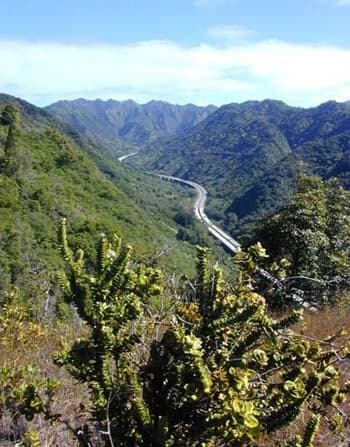
Photo: Wikipedia
Quality of Life in Halawa, HI
A high quality of life with strong walkability, manageable living costs, healthy neighborhood signals, and solid amenity access.
What does Quality of Life tell us?
Quality of Life blends cost of living, nearby amenities, socioeconomic signals, and neighborhood character. City-level scores represent the whole municipality; individual neighborhoods can differ.
What does this tell us?
Quality of Life blends cost of living, nearby amenities, socioeconomic signals, and neighborhood character. City-level scores represent the whole municipality; individual neighborhoods can differ.
Cost of Living
126% above national average
The Real Cost of Living in Halawa, HI for 2026
| Tier | Individual | Family (4) |
|---|---|---|
| Survival | $26k | $49k |
| Comfortable | $111k | $163k |
| Luxury | $162k+ | $252k+ |
| Elite (Top 5%) | $191k+ | $296k+ |
63%
The Area Signal
A metric tracking the socioeconomic signals of the area.
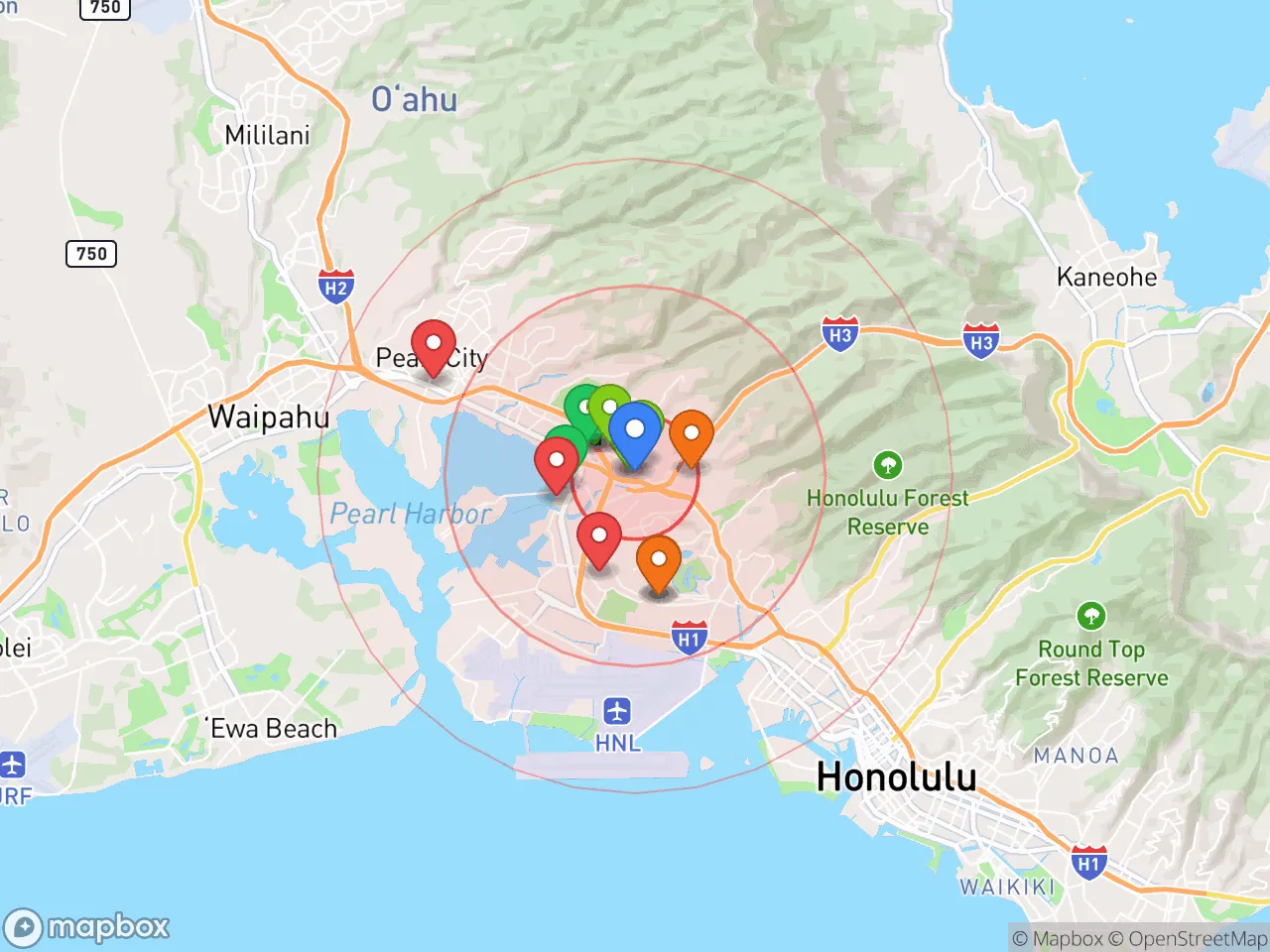
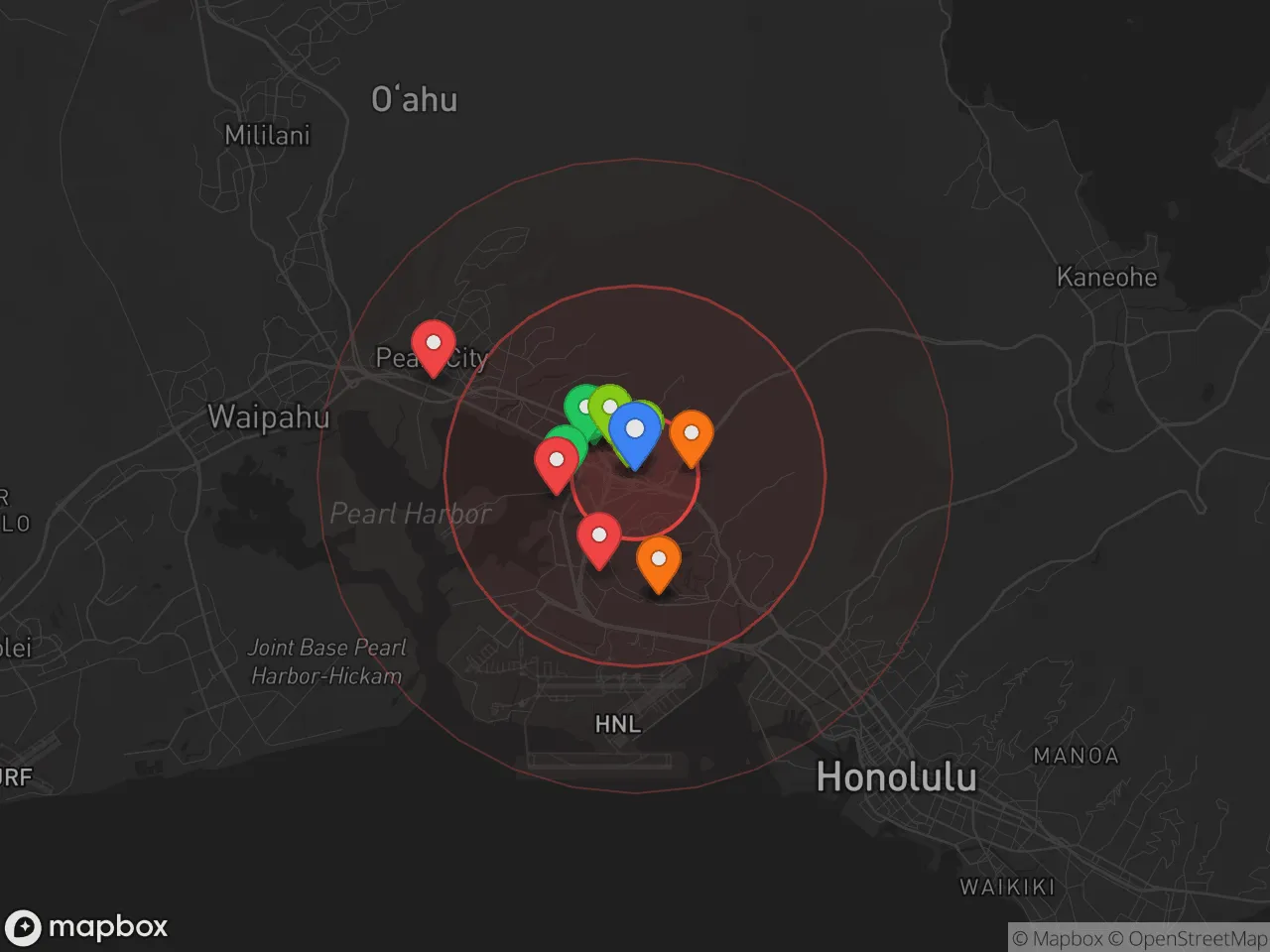
Hobbies
Explore the areaGroceries
6 within 10 miles
Gas
20 within 10 miles
Hospital
15 within 20 miles
Airport
Daniel K. Inouye International Airport
Post Office
USPS — Honolulu, HI
Critical Amenities
Quality-of-Life Analysis
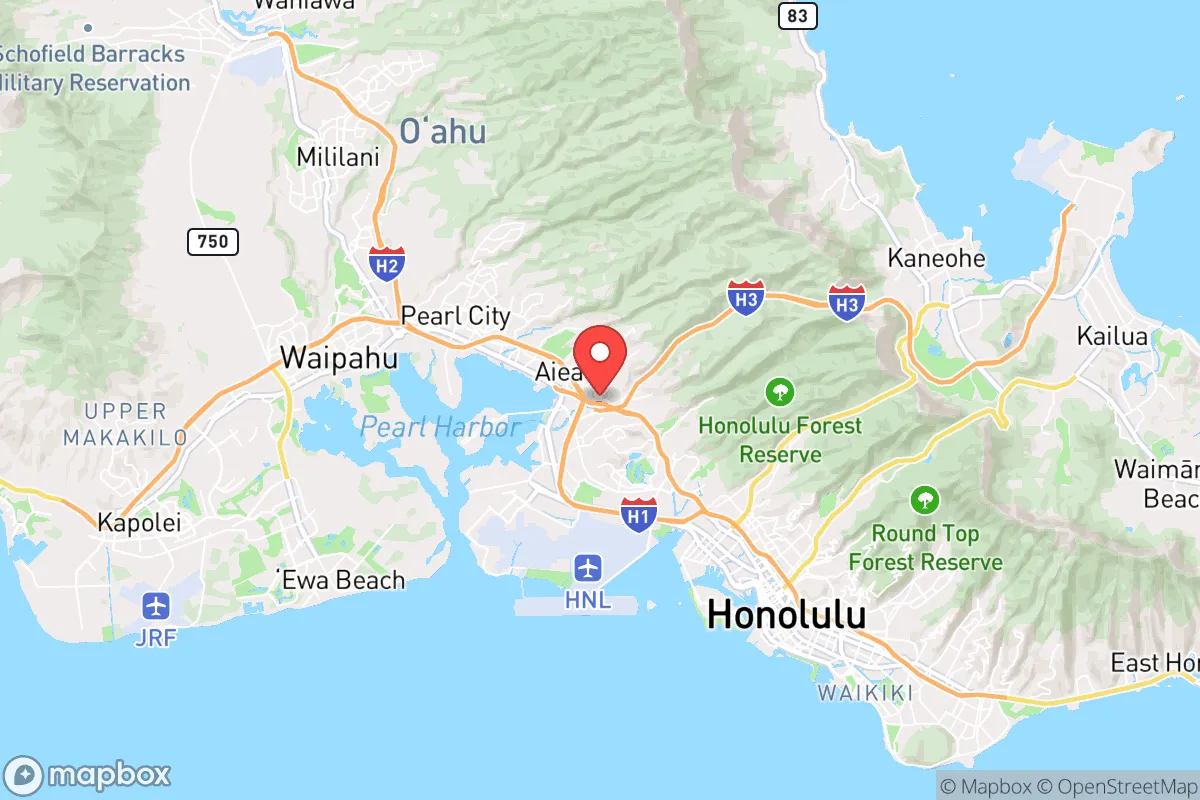
Halawa, Hawaii, is a compact, affluent residential corridor on Oahu’s southern coast, home to a mix of military families stationed at nearby Joint Base Pearl Harbor-Hickam, long-time local residents, and professionals commuting to Honolulu. With a cost-of-living index of 226—more than double the U.S. average—the area attracts those who prioritize proximity to Honolulu’s job market and the island’s natural beauty over budget-friendly living. The community’s character is defined by its quiet, suburban feel, limited commercial sprawl, and a demographic profile that skews toward middle-to-upper-income households, many of whom work in defense, government, or healthcare.
Cost of living, housing prices, and how Halawa compares to nearby neighborhoods
Halawa’s cost of living is among the highest on Oahu, driven almost entirely by housing. The median home value sits at $1,005,400, placing it well above the Honolulu metro median of roughly $850,000 and far above the national median of about $420,000. Renters face a median monthly rent of $1,619, which is slightly below the Oahu-wide median of $1,800, reflecting a higher proportion of older, rent-controlled units and military housing in the area. Compared to nearby neighborhoods like Aiea (median home value ~$980,000) and Pearl City (~$950,000), Halawa is marginally pricier, but it remains more affordable than the ultra-expensive Kakaako or Waikiki districts, where condos routinely exceed $1.5 million. The average commute time of 24 minutes is notably shorter than the Oahu average of 30 minutes, thanks to direct access to the H-1 freeway and the upcoming Skyline rail system’s Halawa station, which will connect residents to downtown Honolulu in under 20 minutes. Utility costs and groceries also run 30–40% above national averages, but property taxes in Hawaii are relatively low—around 0.28% of assessed value—which slightly offsets the housing sticker shock.
Local amenities, schools, and what daily life is like in Halawa
Daily life in Halawa revolves around convenience and outdoor access. The neighborhood is anchored by the Halawa Shopping Center, which houses a Foodland supermarket, a post office, and a handful of local eateries, but most residents drive 5–10 minutes to the Pearlridge Center in Aiea for major retail, dining, and a movie theater. Public schools are zoned to the Hawaii Department of Education’s Aiea Complex: Halawa Elementary (rated 6/10 on GreatSchools), Aiea Intermediate (5/10), and Aiea High School (6/10). For private options, Saint Louis School (all-boys, grades K–12) and Sacred Hearts Academy (all-girls) are within a 15-minute drive. Recreation centers on the Keaiwa Heiau State Recreation Area, a 375-acre park with hiking trails, picnic areas, and a working equestrian center, plus the nearby Pearl Harbor National Memorial for history buffs. The rhythm of life is car-dependent but unhurried: mornings see a steady flow of commuters heading toward Honolulu, while afternoons are quiet, with families using the Halawa District Park’s baseball fields and playgrounds. Nightlife is virtually nonexistent—residents head to Honolulu’s Chinatown or Kakaako for bars and live music.
Halawa is best suited for professionals and families who value a short commute to Honolulu’s defense and government sectors, and who can absorb the high housing costs without sacrificing savings. Military personnel stationed at Joint Base Pearl Harbor-Hickam will find the neighborhood especially practical, given its 10-minute drive to the base and access to on-post amenities. Retirees on fixed incomes may struggle with the cost of living, but those with equity from a mainland home sale will find the trade-off of suburban quiet for island living worthwhile. For anyone seeking a balance between Oahu’s urban core and its rural pockets, Halawa offers a stable, well-connected middle ground—provided the budget allows.

Crime in Halawa, HI
Generally safer than 64% of comparable U.S. locations.
Violent CrimeViolent Crime Analysis
Property CrimeProperty Crime Analysis
Crime Analysis
Halawa, a census-designated place on Oahu, presents a mixed safety profile that is heavily influenced by its proximity to Honolulu and the broader Honolulu County justice system. While the area is not among Hawaii’s most dangerous, its property crime rate significantly exceeds both the state and national averages, and the local legal environment raises concerns about recidivism and public safety. The violent crime rate in Halawa stands at 200.2 incidents per 100,000 residents, which is lower than the national average of roughly 380 per 100,000 but slightly above the Hawaii state average of about 250 per 100,000. Property crime, however, is a more pressing issue, with a rate of 1,586.9 per 100,000—substantially higher than the national average of approximately 1,954 per 100,000 and well above the Hawaii state average of around 2,900 per 100,000. This indicates that while violent confrontations are less common, theft, burglary, and vehicle break-ins are frequent realities for residents.
Crime in context
Halawa’s crime numbers must be understood within the framework of Honolulu County’s progressive criminal justice policies. The city and county of Honolulu, which includes Halawa, has a district attorney and judges who have implemented reforms such as reduced bail requirements, diversion programs for property offenders, and a general emphasis on rehabilitation over incarceration. While these policies aim to reduce jail populations and address root causes of crime, critics argue they have a direct negative impact on public safety by keeping repeat property offenders on the street. The property crime rate in Halawa is roughly 1.6 times higher than the national average, a disparity that aligns with the broader trend seen in many progressive urban jurisdictions where softer sentencing correlates with higher rates of theft and burglary. For context, the national property crime rate has been declining, but Halawa’s rate remains stubbornly elevated, suggesting local policies may be contributing to a permissive environment for property criminals.
What residents experience
Daily life in Halawa involves a heightened awareness of property security. Residents commonly report car break-ins, package thefts, and occasional home burglaries, particularly in areas near the H-3 freeway and the Halawa Heights neighborhood. The presence of the Halawa Correctional Facility, a state prison, adds a unique dynamic: while the facility itself is secure, the surrounding area sees a steady flow of released inmates re-entering the community, some of whom may reoffend. Violent crime is less of a daily concern, but the 200.2 per 100,000 rate means residents are not immune to assaults or robberies, especially in commercial zones near the Halawa Shopping Center. Families with children often express frustration that the justice system’s leniency toward property offenders undermines their sense of safety at home.
Neighborhood-level variation is notable. The newer, more affluent Halawa Heights subdivision tends to have lower crime rates due to better lighting, private security, and community watch programs. In contrast, older apartment complexes and areas closer to the Pearl Harbor Naval Shipyard and the airport see higher incidences of theft and vehicle crime. Overall, Halawa is not a high-violence area, but its property crime problem, exacerbated by progressive prosecutorial policies, makes it a location where residents must remain vigilant about securing their belongings and homes.
* Values derived from national, state, county, city and local statistics and may differ in a specific area. Last updated: 2026-04-24T06:09:54.000Z
Narrative content on this page is AI-generated and may contain mistakes. Verify any details that matter before acting on them.
ReloMaps may earn a commission from affiliate links at no extra cost to you.

