 Popular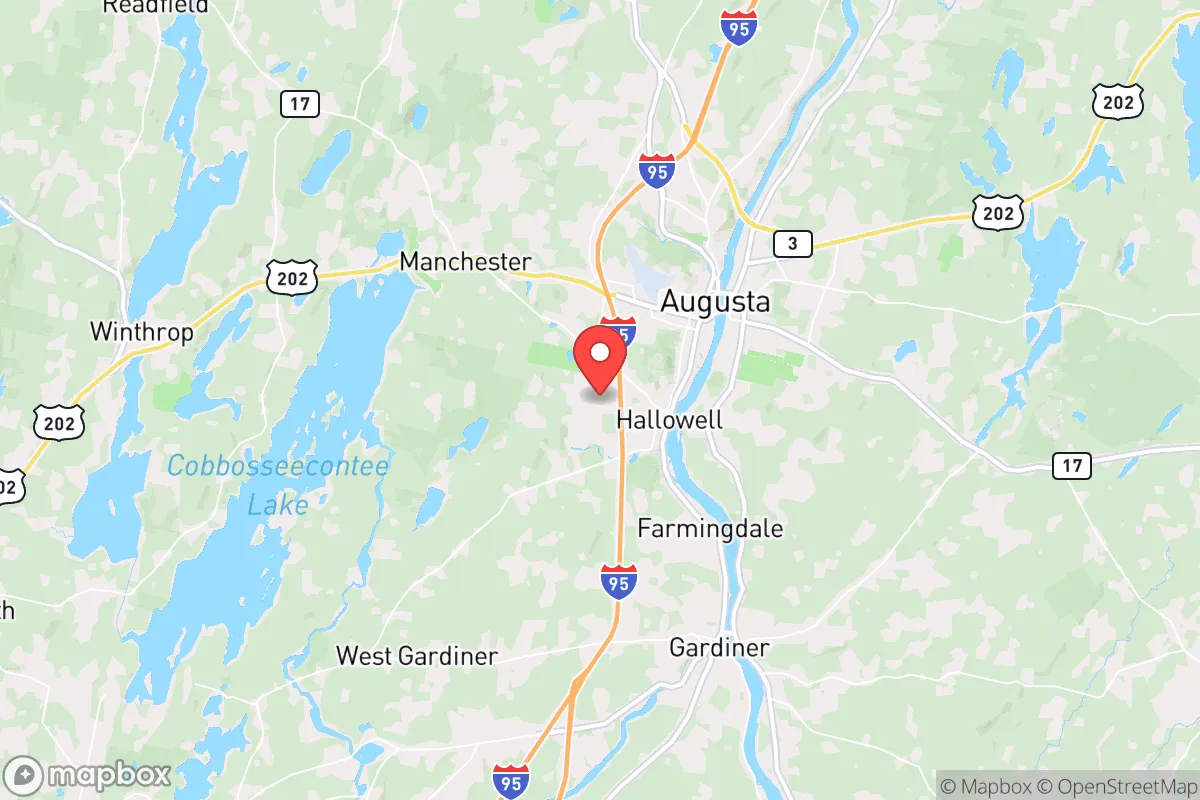
Photo: Wikipedia
Political ClimatePolitical Climate in Hallowell, ME
District shown is the primary district for this city’s centroid. Cities may span multiple districts.
Local Political AnalysisPolitical Analysis of Hallowell, ME
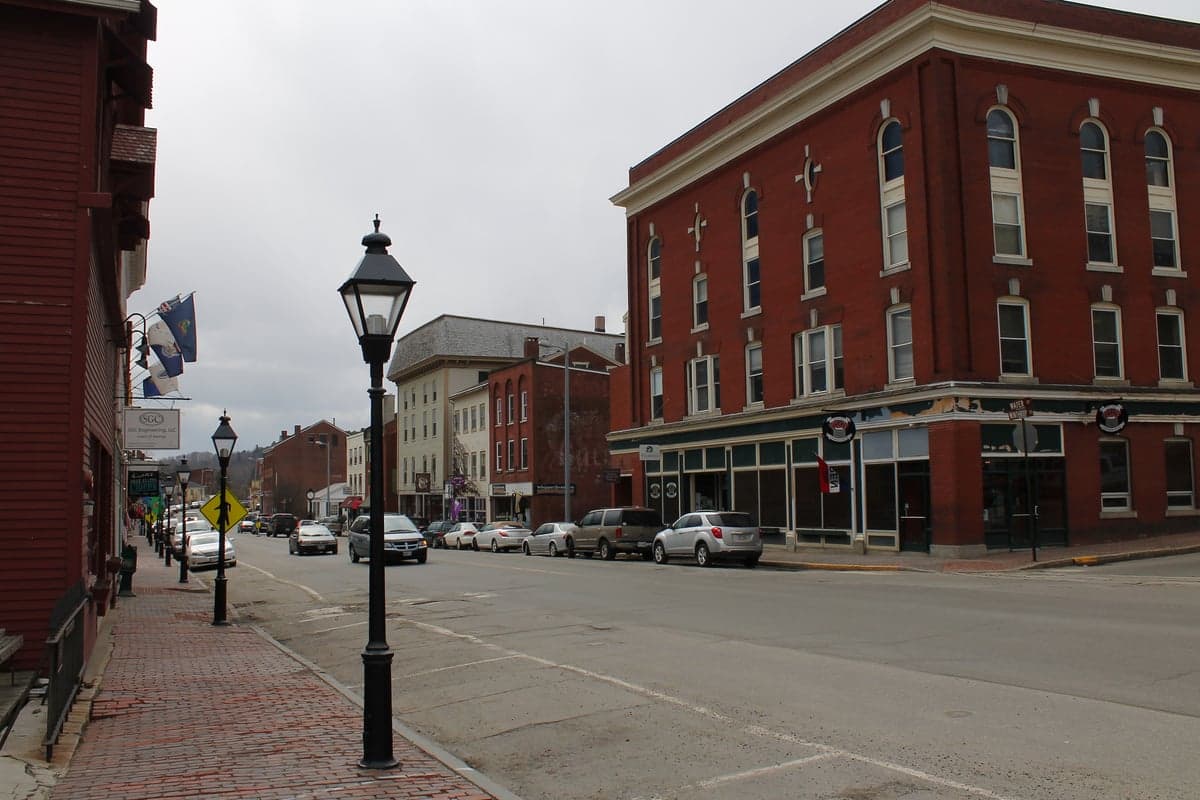
Hallowell, Maine, sits in a political landscape that’s been shifting under our feet for a while now. The area carries a Cook PVI of R+4, meaning it leans slightly more Republican than the nation as a whole, but that number doesn’t tell the whole story of what’s happening on the ground. If you’ve lived here as long as I have, you remember when local elections were about potholes and school budgets, not national culture wars. These days, you can feel the progressive tide creeping in from Portland and Augusta, and it’s changing the character of a town that used to pride itself on minding its own business.
How it compares
Drive ten minutes south to Augusta, the state capital, and you’ll hit a different world entirely—bluer, more bureaucratic, with a city council that’s increasingly comfortable with zoning overlays and new fees on small businesses. Head north to farming towns like Readfield or Mount Vernon, and you’re back in solid red territory where people still wave at you on the road. Hallowell is caught in the middle. We’ve got the Kennebec River running through town and a historic downtown that draws tourists, but that same charm has attracted folks from away who bring big-city ideas about how we should live. The contrast is sharpest during election season: you’ll see Trump signs on some lawns and “In This House We Believe” signs on others, sometimes on the same block. That R+4 rating feels like a fragile balance, and I worry it’s tipping in the wrong direction as more people move up from southern New England.
What this means for residents
For those of us who value personal freedom and want government to stay out of our lives, the trend is concerning. The local school board has started pushing diversity, equity, and inclusion training that feels more like indoctrination than education. There’s talk of expanding the city’s rental inspection program, which sounds reasonable until you realize it gives code enforcement the power to enter your property without a warrant. Property taxes have crept up faster than inflation, funding new bike lanes and public art installations that nobody asked for. The town council recently debated a plastic bag ban—in a town of 2,500 people. That’s the kind of overreach that makes you wonder if they’ve got nothing better to do. If you’re a small business owner or a homeowner who just wants to be left alone, you’ll find yourself watching every new ordinance like a hawk.
What daily life is like for families
On the ground, Hallowell is still a decent place to raise kids if you keep your head down. The schools are small and the teachers know your children by name, which is a plus. But the curriculum has started to shift—more emphasis on climate activism in science class, less on traditional civics. The local library hosts drag story hours now, and while you can choose not to attend, the message it sends about the town’s priorities is clear. Neighbors still look out for each other, but the old trust is fraying. You can’t assume the person next door shares your values anymore. For families who want to avoid the culture war noise, the best bet is to get involved in the local Republican committee or the sports booster clubs—those are still safe spaces where common sense rules.
Looking ahead, I’d say Hallowell has maybe five to ten years before it becomes a smaller version of Portland if we don’t push back. The city council elections in 2025 will be a real test. If the progressive slate wins, expect more regulations on short-term rentals, higher impact fees on new construction, and a general attitude that government knows best. The old-timers here remember when Hallowell was a working-class mill town where nobody locked their doors. That’s gone. The question is whether we can keep enough of the old spirit to stop the slide into a managed, permitted, fee-for-everything existence. If you’re thinking of moving here, come with your eyes open—and maybe bring a few friends who still believe in the Second Amendment and low taxes.

State Political ClimatePolitical Climate in Maine
State Political AnalysisPolitical Environment in the State
Maine has long been known as a politically independent state, but over the past decade it has shifted noticeably to the left, with Democrats now controlling the governorship, both chambers of the legislature, and both U.S. Senate seats. The state’s overall partisan lean is now reliably Democratic at the presidential level—Joe Biden won it by 9 points in 2020—but that masks a deep and growing urban-rural split. The real story is that Maine’s political trajectory has moved from a classic swing state to a solidly blue state in presidential elections, while its rural interior remains deeply conservative, creating a tension that defines daily life here.
Urban vs. rural divide
The political map of Maine is essentially a tale of two regions. The southern coastal corridor—anchored by Portland, the state’s largest city, and extending through Brunswick, Bath, and Kennebunk—drives the state’s Democratic lean. Portland and its suburbs vote overwhelmingly blue, often by margins of 30 to 40 points. In contrast, the vast rural interior, including counties like Aroostook, Piscataquis, and Franklin, votes heavily Republican. Aroostook County, for example, went for Trump by 18 points in 2020. The second congressional district, which covers most of the state outside the Portland metro, is one of the few rural districts in the Northeast that consistently elects Republicans—it flipped back to a Republican in 2024 after two terms of a Democrat. The divide is stark: Bangor, the third-largest city, is a purple island in a red sea, while Lewiston and Auburn are more working-class and have trended toward the GOP in recent cycles. If you’re looking for a conservative community, you’ll find it in places like Ellsworth or Caribou, but you’ll be far from the economic and cultural centers.
Policy environment
Maine’s policy environment has become increasingly progressive, and that’s a concern for anyone who values limited government. The state has a progressive income tax with rates up to 7.15%, and property taxes are among the highest in the nation—averaging around 1.3% of home value annually. Sales tax is relatively low at 5.5%, but the overall tax burden is heavy. On education, Maine has a strong public school system, but recent legislation has pushed parental rights to the back burner. In 2023, the legislature passed a law requiring schools to adopt policies that affirm transgender students’ gender identity without parental notification in some cases—a clear erosion of parental authority. Healthcare is heavily regulated, with the state expanding Medicaid under the Affordable Care Act and imposing strict insurance mandates. Election laws are relatively open: same-day voter registration is allowed, and no voter ID is required at the polls, which has raised concerns about election integrity among conservatives. The state also has a ranked-choice voting system for federal and state primaries, which has been criticized for diluting the impact of a single vote.
Trajectory & freedom
Maine is becoming less free by any objective measure, especially for conservatives. The most concerning trend is on gun rights. In 2023, after a mass shooting in Lewiston, the Democratic-controlled legislature passed a strict “red flag” law and expanded background checks to private sales, despite Maine having one of the highest rates of gun ownership in the country. This was a major infringement on the Second Amendment. On medical freedom, Maine imposed some of the longest-lasting COVID-19 mandates in the Northeast, including vaccine requirements for healthcare workers that remained in place well after other states dropped them. Parental rights have been under assault, as noted, with the state’s Department of Education actively promoting gender ideology in schools without parental consent. On property rights, the state has a strong “right to farm” law, but local zoning and environmental regulations—especially in coastal areas—can be burdensome. The state’s tax burden has not been reduced; in fact, a 2024 ballot measure to lower the income tax rate failed. The trajectory is clear: more regulation, less personal autonomy, and a government that increasingly sees itself as the arbiter of your choices.
Civil unrest & political movements
Maine has seen its share of political flashpoints. The most visible was the Lewiston mass shooting in October 2023, which killed 18 people and sparked a fierce debate over gun control that ultimately led to the red flag law. On the left, activist groups like the Maine People’s Alliance and the Maine Women’s Lobby have been highly effective at pushing progressive legislation, including paid family leave and a $15 minimum wage. On the right, the Maine Gun Owners Association and the Maine Family Policy Council have mobilized against these measures, but they’ve been outgunned in the legislature. Immigration politics are a growing issue: Portland is a sanctuary city, and the state has seen a significant increase in asylum seekers, particularly from African countries, which has strained local resources and sparked some backlash. There have been no major secession movements, but the “Maine Independence” movement, which advocates for the state to leave the U.S., is a fringe left-wing idea that gets little traction. Election integrity remains a hot topic, with conservatives pointing to the lack of voter ID and the use of ballot drop boxes as vulnerabilities. The 2020 and 2022 elections saw no major scandals, but trust in the system is low among many rural voters.
Projection
Over the next 5 to 10 years, Maine is likely to continue its leftward drift, driven by in-migration from out-of-state—particularly from Massachusetts and New York—into the southern coastal corridor. These new residents tend to be more educated, more affluent, and more progressive, and they are reshaping the political landscape. The rural interior will remain red, but its population is aging and declining, meaning its electoral power will wane. The second congressional district could flip back and forth, but the state as a whole will stay blue at the presidential and Senate levels. The biggest wildcard is the state’s housing crisis: skyrocketing home prices and a severe shortage of rentals are pushing younger Mainers out, which could accelerate the demographic shift. For a conservative moving in now, expect to see more gun control, higher taxes, and a continued erosion of parental rights. The state’s natural beauty and low crime rates will remain draws, but the political environment will feel increasingly hostile to traditional values.
Bottom line for a new resident: If you’re a conservative considering Maine, you need to be prepared for a state that is politically blue and getting bluer. You’ll find like-minded communities in the rural north and west, but you’ll be far from jobs, healthcare, and amenities. The cost of living is high, taxes are heavy, and your personal freedoms—especially on guns and parenting—are under constant threat from the state government. Maine is a beautiful place to live, but it’s no longer a place where conservatives can feel at home without a fight. If you value low taxes, strong Second Amendment protections, and parental control over your children’s education, you may want to look elsewhere or be ready to engage in the political battle to turn things around.
* Values derived from national, state, county, city and local statistics and may differ in a specific area. Last updated: 2026-05-01T03:37:33.000Z
Narrative content on this page is AI-generated and may contain mistakes. Verify any details that matter before acting on them.
ReloMaps may earn a commission from affiliate links at no extra cost to you.

