 Popular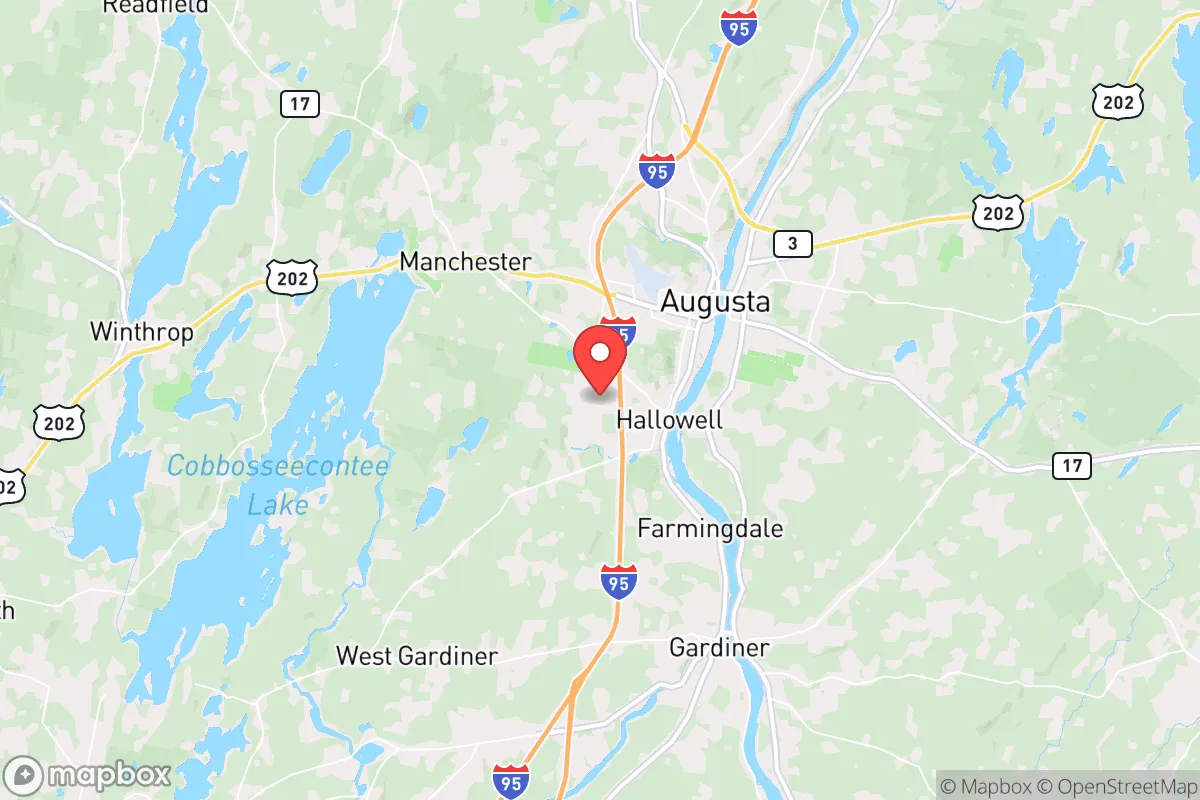
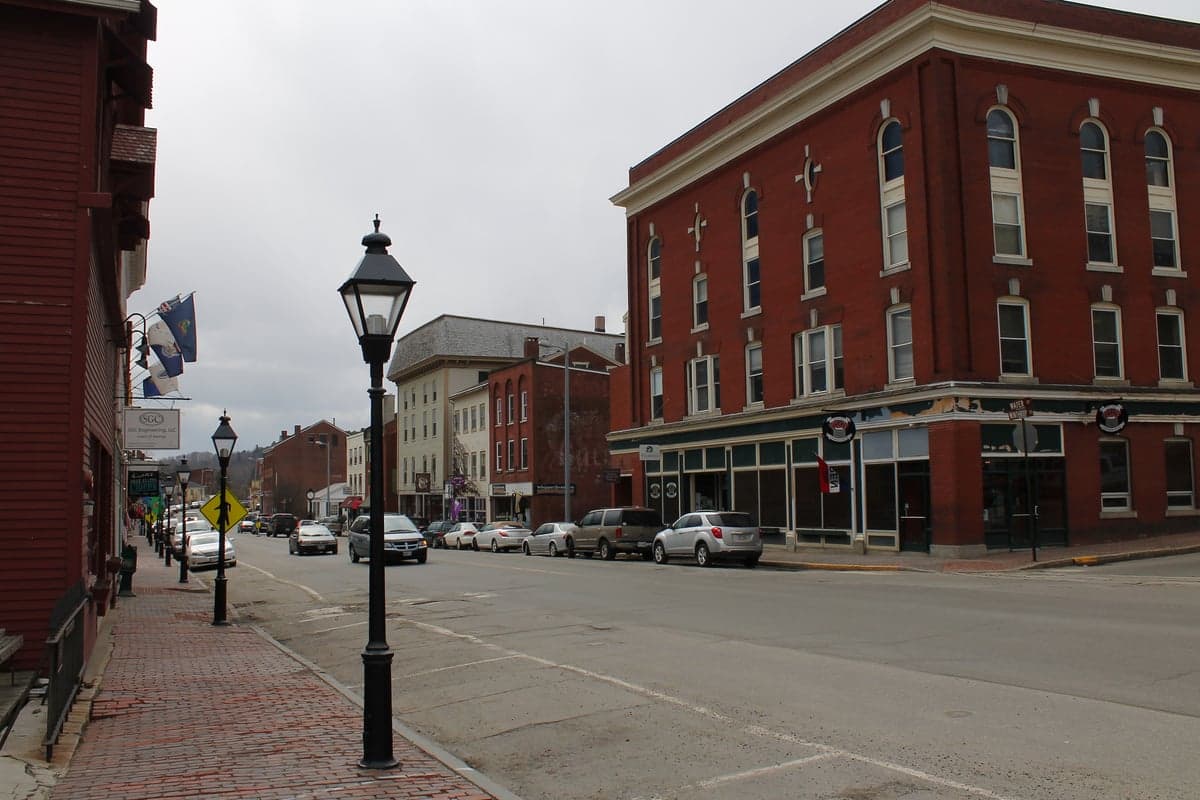
Photo: Wikipedia
Quality of Life in Hallowell, ME
A high quality of life with strong walkability, manageable living costs, healthy neighborhood signals, and solid amenity access.
What does Quality of Life tell us?
Quality of Life blends cost of living, nearby amenities, socioeconomic signals, and neighborhood character. City-level scores represent the whole municipality; individual neighborhoods can differ.
What does this tell us?
Quality of Life blends cost of living, nearby amenities, socioeconomic signals, and neighborhood character. City-level scores represent the whole municipality; individual neighborhoods can differ.
Cost of Living
19% below national average
The Real Cost of Living in Hallowell, ME for 2026
| Tier | Individual | Family (4) |
|---|---|---|
| Survival | $13k | $25k |
| Comfortable | $52k | $76k |
| Luxury | $106k+ | $165k+ |
| Elite (Top 5%) | $136k+ | $211k+ |
77%
The Area Signal
A metric tracking the socioeconomic signals of the area.
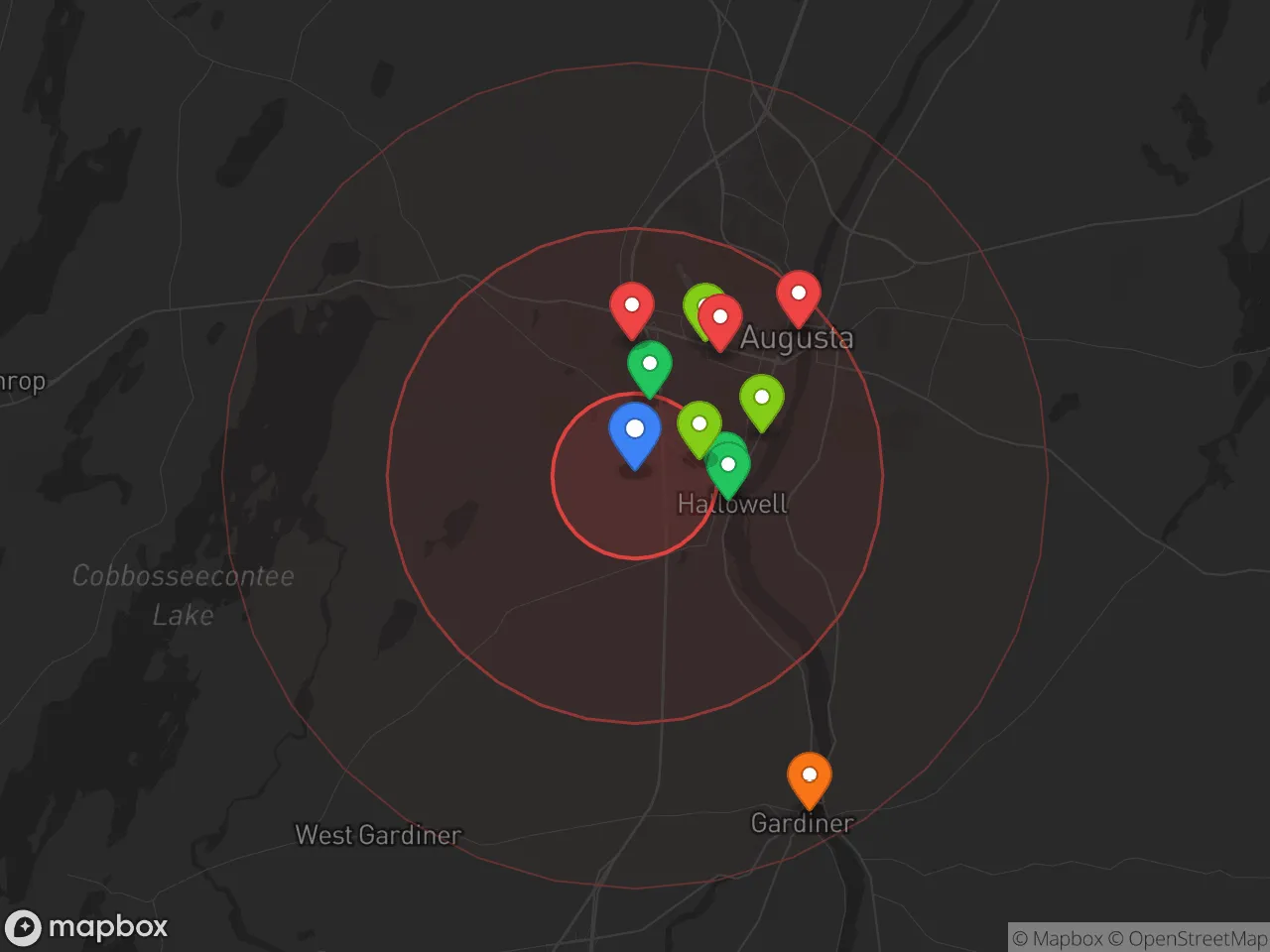
Hobbies
Explore the areaGroceries
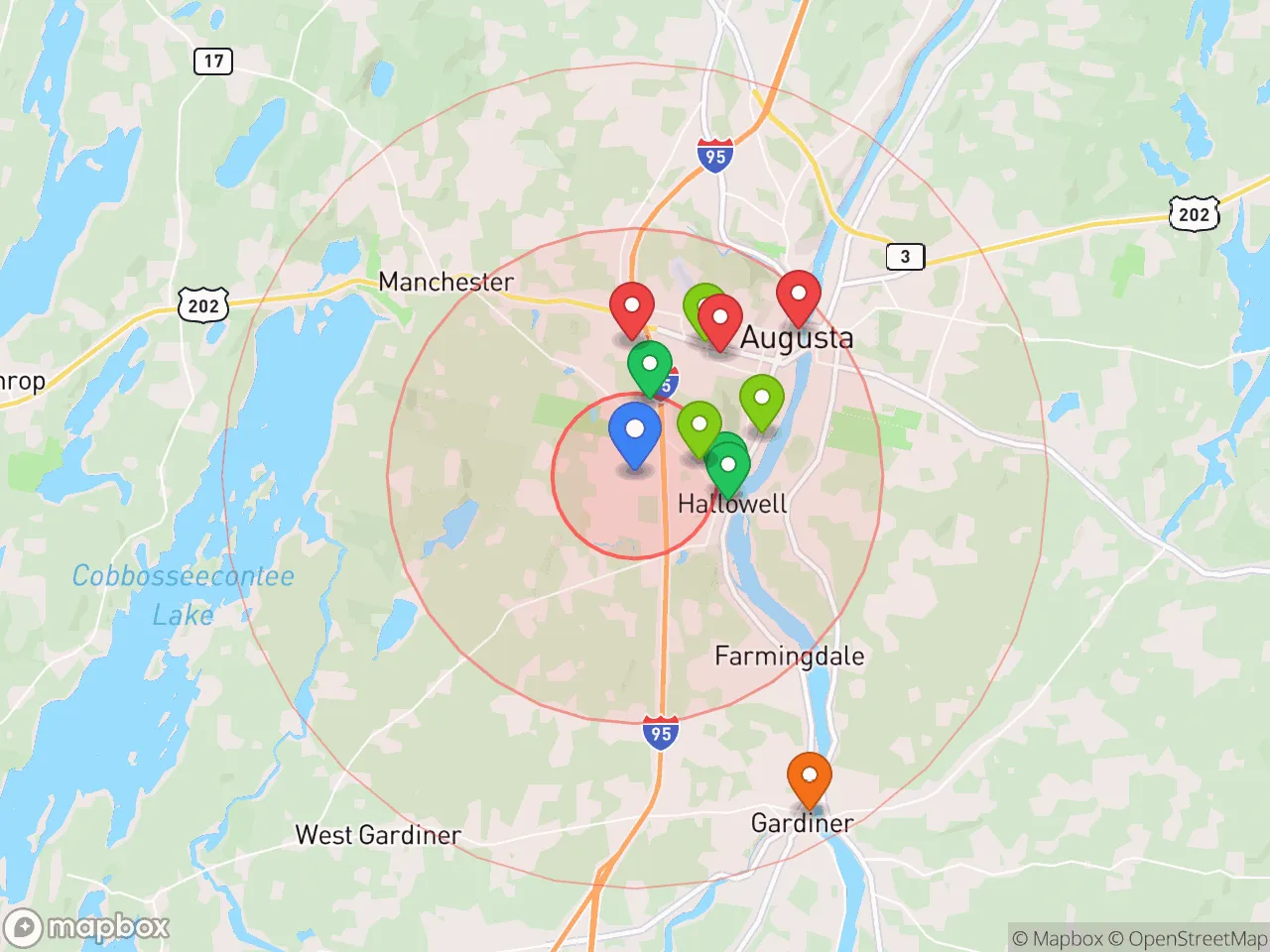
5 within 10 miles
Gas
20 within 10 miles
Hospital
6 within 20 miles
Airport
PDX — Portland International Jetport
Post Office
USPS — Hallowell, ME
Critical Amenities
Quality-of-Life Analysis
Hallowell, Maine, presents a distinctive quality-of-life profile as a small, walkable city with a cost of living well below the national average, attracting a mix of state government employees, artists, and young professionals. With a cost-of-living index of 81 (19% below the U.S. average), the city offers an affordable entry point into the greater Augusta area while maintaining a historic, riverfront character that sets it apart from more suburban or rural Kennebec County communities. The population skews slightly older and more educated than the state average, reflecting its role as a quiet, cultured enclave rather than a family-centric suburb.
Cost of living, housing affordability, and how Hallowell compares to Augusta and Gardiner
Hallowell’s housing market is notably more affordable than the national median, with a median home value of $266,700—roughly $60,000 below the Maine state median—and a median rent of just $830, which is significantly lower than the national median rent of approximately $1,200. This affordability is a key draw for first-time homebuyers and renters who might otherwise be priced out of Portland or coastal towns. Compared to neighboring Augusta (median home value ~$210,000) and Gardiner (~$235,000), Hallowell commands a slight premium due to its historic district and walkable downtown, but it remains far cheaper than the Portland metro area, where median values exceed $450,000. The average commute of 24.4 minutes is slightly longer than Augusta’s 20-minute average, reflecting residents who work in the capital but choose Hallowell’s quieter, more scenic setting. Property taxes in Hallowell are moderate for Maine, at roughly 1.2% of assessed value, though buyers should note that the city’s older housing stock often requires higher maintenance costs than newer subdivisions in nearby Manchester or Winthrop.
What daily life is like: amenities, schools, and the local rhythm
Daily life in Hallowell centers on its compact, historic downtown along the Kennebec River, which features independent bookstores, art galleries, and farm-to-table restaurants like The Liberal Cup and Slates. The city’s public schools, part of the Hallowell-based Regional School Unit 2 (RSU 2), serve roughly 1,200 students and are rated above average for the region, with Hall-Dale Elementary and Hall-Dale Middle/High School both earning consistent B+ ratings from niche.com. For higher education, the University of Maine at Augusta is a 10-minute drive, and Colby College in Waterville is 30 minutes north. Outdoor amenities include the Kennebec River Rail Trail (a 6.5-mile paved path connecting Hallowell to Augusta and Gardiner), Vaughan Woods State Park, and the Hallowell Reservoir for hiking and fishing. The city’s cultural calendar is anchored by the annual Hallowell Day festival in July and the Old Hallowell Antique Show. The rhythm is notably slower than in Portland: most shops close by 6 p.m., and the nightlife is limited to a handful of pubs and the historic Hallowell Opera House, which hosts live music and theater. The city lacks a major grocery store within walking distance—residents typically drive 5 minutes to the Hannaford in Augusta—and the nearest hospital, MaineGeneral Medical Center, is a 10-minute drive.
Hallowell is best suited for those who value historic character, walkability, and a tight-knit community over suburban amenities or urban nightlife. It appeals strongly to state workers (the Maine State House is a 5-minute drive), retirees seeking a low-cost, culturally rich environment, and creative professionals who can work remotely or commute to Augusta. Families with school-age children will find solid public schools and safe streets, though the limited after-school activities and small youth sports scene may feel restrictive compared to larger towns. For anyone seeking an affordable, walkable, and historically rich small city within commuting distance of Maine’s capital, Hallowell offers a rare combination of low cost and high character.

Crime in Hallowell, ME
Lower crime rates than 97% of comparable U.S. locations.
Violent CrimeViolent Crime Analysis
Property CrimeProperty Crime Analysis
Crime Analysis
Hallowell, Maine, is one of the safest small cities in the state, with a violent crime rate of 0 per 100,000 residents and a property crime rate of 189.9 per 100,000 — figures that place it well below both the Maine state average and the national median. This Kennebec County community of roughly 2,500 people benefits from its compact size, active police presence, and a socioeconomic profile that typically correlates with lower crime. However, as a small city located within commuting distance of the larger Augusta metro area, prospective residents should consider how regional justice policies may affect long-term safety trends.
Crime in context
Hallowell’s violent crime rate of zero incidents per 100,000 is exceptional — the national average hovers near 380 per 100,000, and even Maine’s statewide rate (roughly 110 per 100,000) is far higher. Property crime in Hallowell, at 189.9 per 100,000, is also significantly lower than the national average of approximately 1,950 per 100,000 and below Maine’s statewide property crime rate of about 1,100 per 100,000. These numbers place Hallowell among the safest municipalities in Kennebec County, alongside neighboring towns like Manchester and Farmingdale. The low crime rates reflect a community where most offenses are limited to minor theft and vandalism rather than violent confrontations.
What residents experience
Daily life in Hallowell is characterized by a strong sense of security. Residents routinely walk downtown along Water Street, patronize local shops and restaurants, and use the Kennebec River Rail Trail without significant concern. The Hallowell Police Department maintains a visible presence, and the city’s annual events — such as the Old Hallowell Day festival — draw crowds without notable incidents. However, as a community near a larger metro area (Augusta, population 19,000), Hallowell is not immune to spillover effects. Maine’s progressive judicial philosophy, including bail reform laws and sentencing guidelines that prioritize rehabilitation over incarceration, has been criticized by some for contributing to repeat property offenses and a revolving-door cycle for nonviolent criminals. While Hallowell’s numbers remain low, residents in neighboring Augusta and Waterville have reported increased thefts and drug-related crimes, trends that could eventually affect smaller communities like Hallowell if regional policies remain unchanged.
Neighborhood-level variation in Hallowell is minimal but worth noting. The downtown core, with its historic buildings and tourist traffic, sees slightly higher rates of petty theft and vehicle break-ins, particularly during summer months. Residential streets like Winthrop Street and the area near Vaughan Field are generally quieter, with even lower incident rates. The city’s compact geography — just over 6 square miles — means that most crime is concentrated along the commercial corridor, while outlying residential areas remain extremely safe. For families and retirees seeking a low-crime environment within reach of Augusta’s amenities, Hallowell’s current data is reassuring, though ongoing attention to regional justice policies is advisable for those concerned about long-term safety trends.
* Values derived from national, state, county, city and local statistics and may differ in a specific area. Last updated: 2026-05-01T03:37:33.000Z
Narrative content on this page is AI-generated and may contain mistakes. Verify any details that matter before acting on them.
ReloMaps may earn a commission from affiliate links at no extra cost to you.

