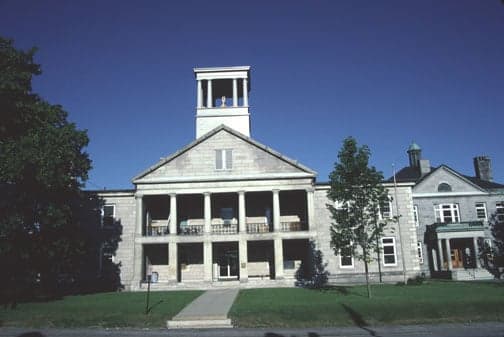
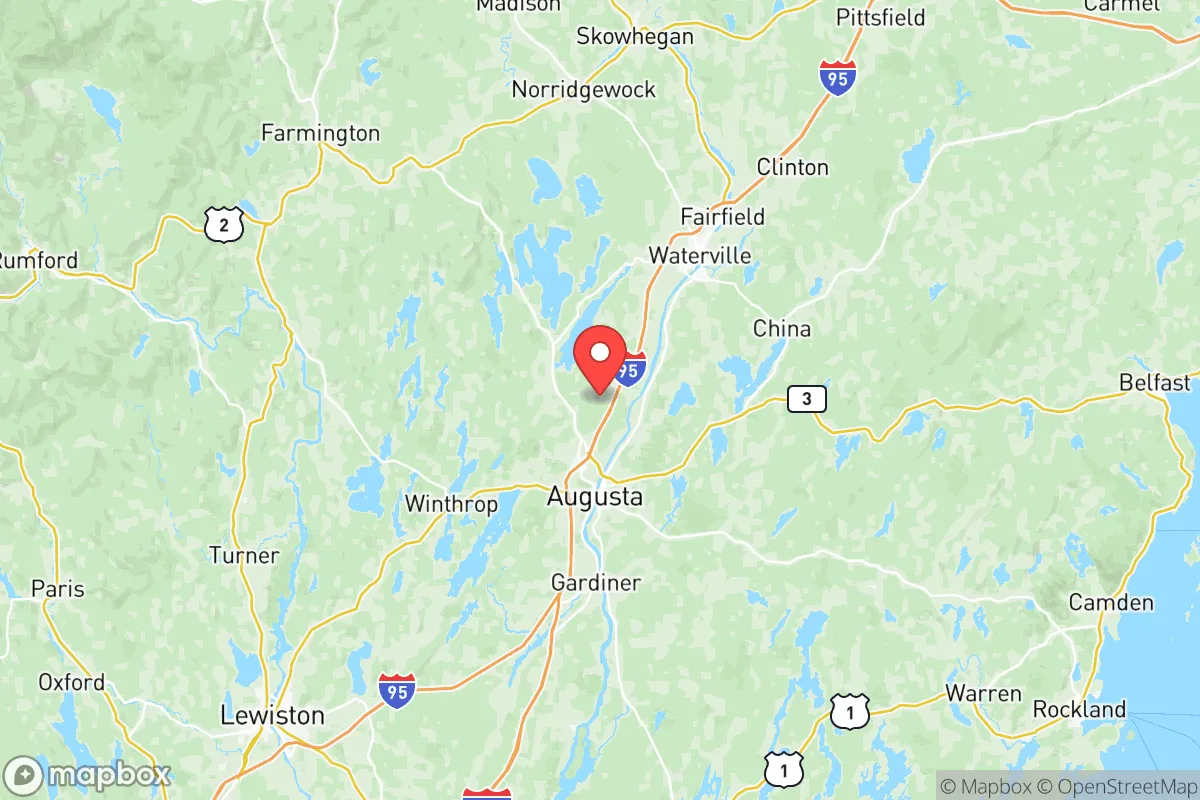
Photo: Wikipedia
Find The Best Places To Live in Kennebec County
PRO TIP! You can paste a Zillow or Redfin link to get info on that property.
Best Places to Live in Kennebec County
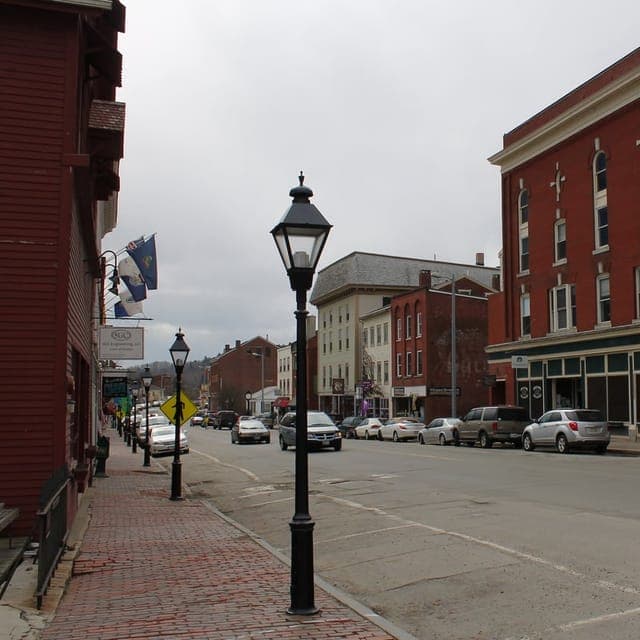

Cities & Towns in Kennebec County
Cities in Kennebec County
What It's Like Living in Kennebec County, ME
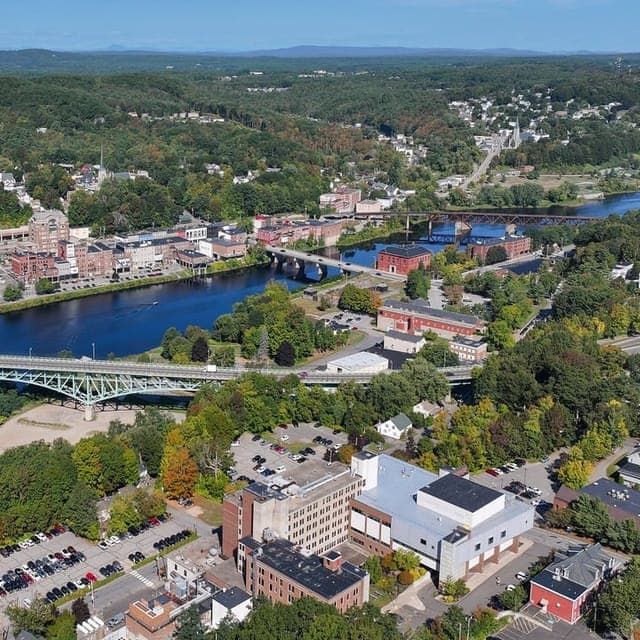
Living in Kennebec County means settling into a place where the pace of life is dictated more by the seasons than by the clock. It’s a region of central Maine where the state capital, Augusta, anchors the county, but the real character comes from the mill towns like Waterville, the lake communities around Belgrade, and the quiet rural stretches of China and Vassalboro. People here tend to be self-sufficient, friendly in a reserved way, and accustomed to making their own fun—whether that’s ice fishing on Messalonskee Lake or catching a show at the Waterville Opera House.
Daily Rhythm: Work, Weather, and the Commute That Isn't
The average commute in Kennebec County is just under 24 minutes, which means most people aren't spending their lives in a car. In Augusta, state government jobs and healthcare at MaineGeneral Medical Center provide steady, middle-class employment. Waterville has a strong blue-collar backbone, with manufacturing and logistics tied to the old mills, though Colby College increasingly shapes the town’s economy and culture. The median household income sits at $65,062, which goes further here than in most of the country thanks to a cost of living index of 80—20% below the national average. That $219,900 median home value buys a three-bedroom ranch with a yard in Winslow or a fixer-upper on a dirt road in Palermo, not a condo with a view.
Winter is the dominant season. From November through March, snow removal is a way of life, and you’ll see neighbors helping neighbors with plows and snowblowers. Summers are a reward: mild, green, and full of lake days. The median age of 44 reflects a population that’s a mix of young families priced out of Portland and retirees who want quiet. For parents, the school systems are a mixed bag—Augusta and Waterville have solid public options, but many families in towns like Manchester or Readfield send their kids to private or charter schools if they can swing it.
Sports, Community, and the Things That Bring People Together
High school sports are the main event here. Friday nights in the fall mean driving to the local field to watch the Lawrence High School Bulldogs or the Messalonskee Eagles play football—it’s a genuine community gathering, not a backdrop for social media. Basketball is big too, especially in Waterville, where the rivalry between Waterville Senior High School and Winslow High School has been going on for decades. There’s no major pro sports team in the county, but the Maine Celtics (the Boston Celtics’ G League affiliate) play in Portland, about an hour south, and plenty of locals make the trip.
For entertainment, the Waterville Opera House is a gem—a beautifully restored 1902 theater that hosts concerts, plays, and film screenings. The Belfast & Moosehead Lake Railroad offers scenic rides through the county’s interior. In the summer, the Kennebec River draws kayakers and anglers, and the Belgrade Lakes region is a magnet for families with boats. The Common Ground Country Fair in nearby Unity is a huge draw for the back-to-the-land crowd, but Kennebec County’s own Windsor Fair is a more down-home alternative with tractor pulls and fried dough.
Pros and Cons of Living Here: What Locals Actually Say
What people love: The affordability is the top reason people move here. You can buy a house on a single income, raise kids without the pressure of a big city, and still be within two hours of the Maine coast and the mountains. The violent crime rate is low—87.5 per 100,000 residents, well below the national average—so people don’t think twice about leaving doors unlocked in smaller towns like Chelsea or Litchfield. The sense of community is real; when someone’s barn burns down or a family falls on hard times, the town rallies with a fundraiser at the local VFW.
What frustrates people: The job market is limited. If you’re not in healthcare, education, or state government, you’re often commuting to Portland or working remotely. The winters are long and dark, and seasonal affective disorder is a real topic of conversation. Dining out is not a strong suit—there are solid spots like The Liberal Cup in Hallowell and Jorgensen’s Café in Waterville, but you won’t find the restaurant scene of Portland. Shopping is mostly big-box stores in Augusta or a drive to Freeport for the outlets. The 30.9% college-educated rate is lower than the national average, which can make it harder to find a deep social circle of professionals if you’re new in town.
Cultural quirks: People here are proud of their Maine roots, but they’re not showy about it. You’ll hear “ayuh” for yes and “wicked” as an intensifier. The county has a strong independent streak—gun ownership is common, and the local politics lean conservative in the rural towns and more moderate in Augusta and Waterville. The biggest local identity marker is probably the Kennebec River itself; it’s the spine of the county, and people define themselves by which side of it they live on. If you’re looking for a place where you can have space, raise a family without breaking the bank, and enjoy the outdoors without crowds, Kennebec County fits the bill—just be ready for winter to last five months.

* Values derived from national, state, county, city and local statistics and may differ in a specific area. Last updated: 2026-05-11T21:39:20.000Z
Narrative content on this page is AI-generated and may contain mistakes. Verify any details that matter before acting on them.
ReloMaps may earn a commission from affiliate links at no extra cost to you.

