Photo: Wikipedia
Personal Sovereignty in Hana, HI
Self-reliance is harder here. Restrictive laws and challenging geography make a self-reliant lifestyle difficult to maintain.
What does Personal Sovereignty tell us?
Personal Sovereignty measures your capacity for self-reliance and independence with minimal government friction. Higher scores mean fewer barriers between you and the way you want to live... but it assumes you have the space you need and good neighbors.
What does this tell us?
Personal Sovereignty measures your capacity for self-reliance and independence with minimal government friction. Higher scores mean fewer barriers between you and the way you want to live... but it assumes you have the space you need and good neighbors.
State Policy
Energy independence: Importer (2% of energy produced in-state)
Personal Liberty
Homesteading

Personal Liberty Analysis
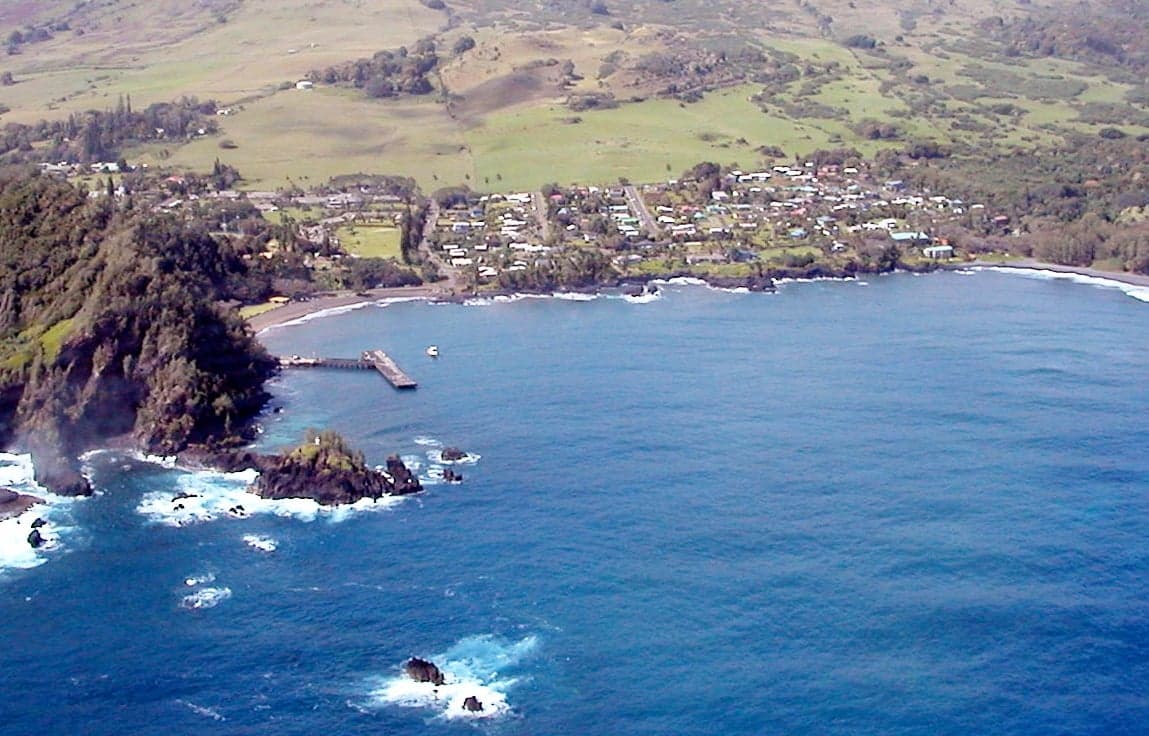
Hana, Hawaii, presents a deeply contradictory environment for personal sovereignty. On one hand, its extreme isolation on Maui’s rugged eastern coast offers a level of physical detachment from government infrastructure and population centers that is rare in the United States. On the other hand, this isolation exists within the State of Hawaii, which imposes some of the nation’s most restrictive gun laws, highest tax burdens, and most aggressive land-use regulations. For a survivalist or prepper seeking true autonomy, Hana’s remoteness is a double-edged sword: it provides natural barriers against societal collapse, but the legal and bureaucratic framework of the state severely limits the tools and freedoms needed to navigate that collapse independently.
Tax burden and regulatory posture in a remote island economy
Hawaii’s tax climate is among the most hostile in the nation for those seeking financial self-reliance. The state levies a general excise tax (GET) of 4% on nearly all goods and services, including groceries and medical supplies—a regressive structure that hits preppers stocking supplies hard. Property taxes in Hana are relatively low compared to Oahu (around 0.35% of assessed value), but the state’s income tax brackets top out at 11%, and the cost of living is roughly 30% above the national average. For a family trying to build a self-sufficient homestead, every dollar earned is taxed before it can be reinvested into land, tools, or food storage. The regulatory posture is equally stifling: Hawaii’s Land Use Commission zones nearly all of Hana’s rural acreage as “Conservation” or “Agricultural,” meaning any structure, fence, or water catchment system requires county and state permits that can take years to approve. Building codes are enforced by the County of Maui, and off-grid construction—like a composting toilet or solar array—must meet strict health and electrical standards that often require licensed contractors. This bureaucratic maze effectively discourages the kind of rapid, low-cost infrastructure building that a prepper mindset values.
Self-defense and gun law specifics in Hawaii’s restrictive environment
For anyone prioritizing the right to keep and bear arms, Hana—and Hawaii as a whole—is a legislative disaster. Hawaii is a may-issue state for concealed carry, and as of 2024, the Maui Police Department has issued fewer than a dozen permits to residents county-wide. Open carry is effectively banned in public. The state also bans standard-capacity magazines (over 10 rounds), most semi-automatic rifles defined as “assault pistols,” and suppressors. A handgun purchase requires a permit from the county police chief, a 14-day waiting period, and registration with the state. For a survivalist, this means that even in remote Hana, the legal ability to defend your property or family with a rifle or a concealed handgun is severely curtailed. The practical workaround some residents use is to rely on long guns like lever-action rifles or pump shotguns, which are less restricted but still require registration. However, the state’s red flag law (Act 52) allows for temporary seizure of firearms based on a complaint, and the police presence in Hana is minimal—a single substation with one or two officers—meaning that if a threat arises, self-defense options are legally narrow and response times are long. This is a critical vulnerability for anyone who views personal sovereignty as inseparable from the right to armed self-defense.
Self-reliance and homesteading viability: lot sizes, zoning, and off-grid feasibility
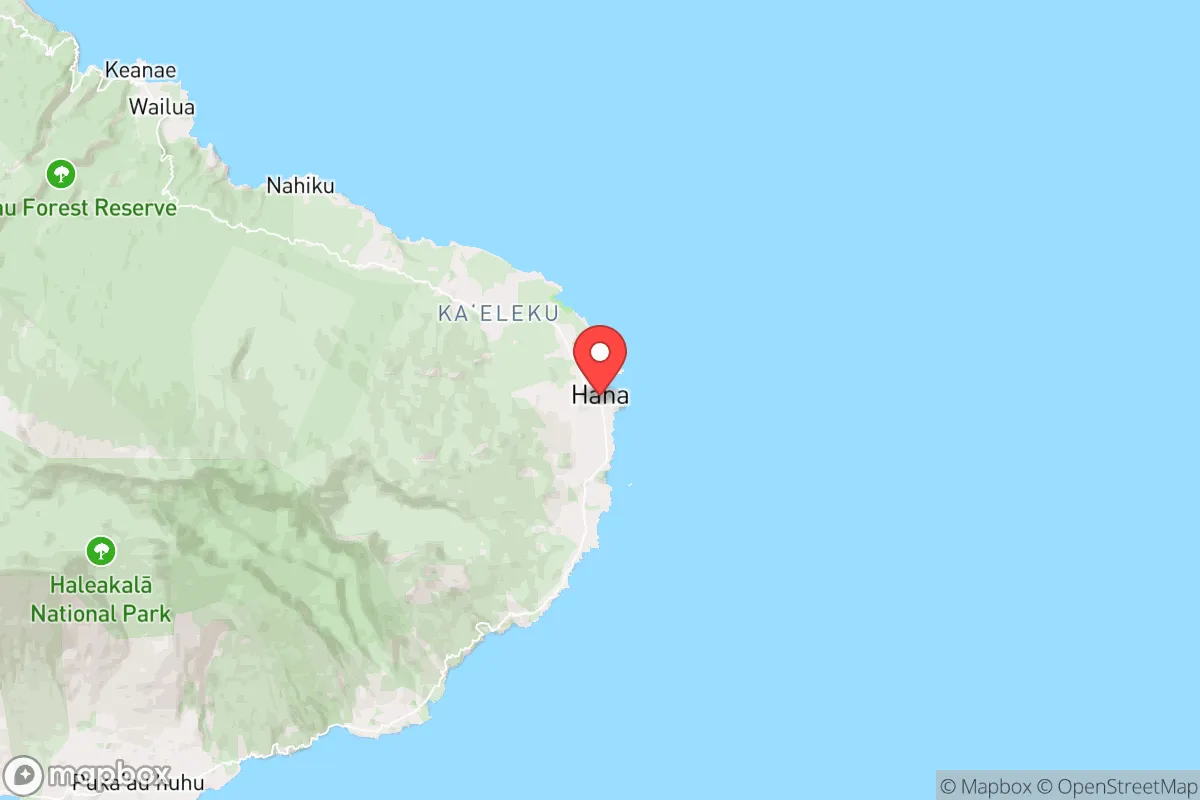
Hana’s rural zoning and large lot sizes offer genuine potential for self-reliance, but the path is obstructed by state-level restrictions. Most residential parcels in Hana are 1 to 5 acres, with some agricultural lots exceeding 10 acres. The county allows off-grid water catchment systems (rainwater collection is standard), and solar panels are common, but net metering rules from Hawaiian Electric require grid interconnection for any system over 10 kW. Composting toilets are legal but must meet Department of Health standards, and greywater systems require a permit. The biggest hurdle is zoning for livestock and crops: agricultural land is taxed at a lower rate but requires an active farm plan approved by the county, which can mandate minimum acreage for pigs, goats, or cattle. For a family wanting to raise chickens, grow a vegetable garden, and keep a few goats for milk, the paperwork is significant. Food self-sufficiency is feasible—the climate allows year-round growing of taro, bananas, breadfruit, and citrus—but the cost of land (around $500,000–$1 million for a 3-acre parcel) and the difficulty of obtaining building permits make it a slow, expensive process. The isolation also means that any major equipment failure (like a solar inverter or water pump) requires a trip to Kahului, 50 miles away on a winding, often-closed road. For a prepper, Hana offers the raw ingredients for self-reliance but demands a high tolerance for bureaucratic friction and logistical delays.
Personal liberties: parental rights, medical autonomy, speech, and property
Hawaii’s state government has a strong record of overriding local and parental autonomy. Parental rights are limited: the state mandates vaccination for school attendance (with a narrow medical exemption), and the Department of Education has broad authority over curriculum, including sex education and critical race theory frameworks. Medical autonomy is similarly constrained—Hawaii has a strict prescription drug monitoring program, and ivermectin or hydroxychloroquine prescriptions for off-label use are heavily scrutinized by the state medical board. Free speech is protected under the First Amendment, but Hana’s small, tight-knit community (population ~1,200) means that expressing controversial political or religious views can lead to social ostracism, though not legal penalty. Property rights are the most compromised: the state’s county zoning and land-use laws give government broad power to dictate what you can build, where you can build it, and how you can use your land. The Hawaii Land Reform Act also allows the state to condemn leasehold land for public purposes, and eminent domain has been used for conservation projects. For a property owner, this means that even if you buy land outright, the state retains significant control over its use. The overall environment is one where personal liberties are legally protected on paper but practically constrained by a dense web of state regulations and a culture that prioritizes collective compliance over individual freedom.
In summary, Hana offers a unique but compromised form of personal sovereignty. Its physical isolation and agricultural potential are genuine assets for a survivalist or prepper, but the state’s tax burden, gun laws, and regulatory overreach create a ceiling on autonomy that is lower than in many mainland rural areas. Compared to places like rural Idaho or Montana, where property rights are stronger and gun laws are permissive, Hana feels like a beautiful cage. For a single individual or family willing to navigate the bureaucracy and accept the legal limitations, it can work as a retreat—but it is not a sanctuary for those who view personal sovereignty as an absolute right. The trade-off is clear: you gain remoteness and a lush, self-sufficient environment, but you lose the legal tools and freedoms that many conservatives and preppers consider non-negotiable.

* Values derived from national, state, county, city and local statistics and may differ in a specific area. Last updated: 2026-05-15T03:22:14.000Z
Narrative content on this page is AI-generated and may contain mistakes. Verify any details that matter before acting on them.
ReloMaps may earn a commission from affiliate links at no extra cost to you.

