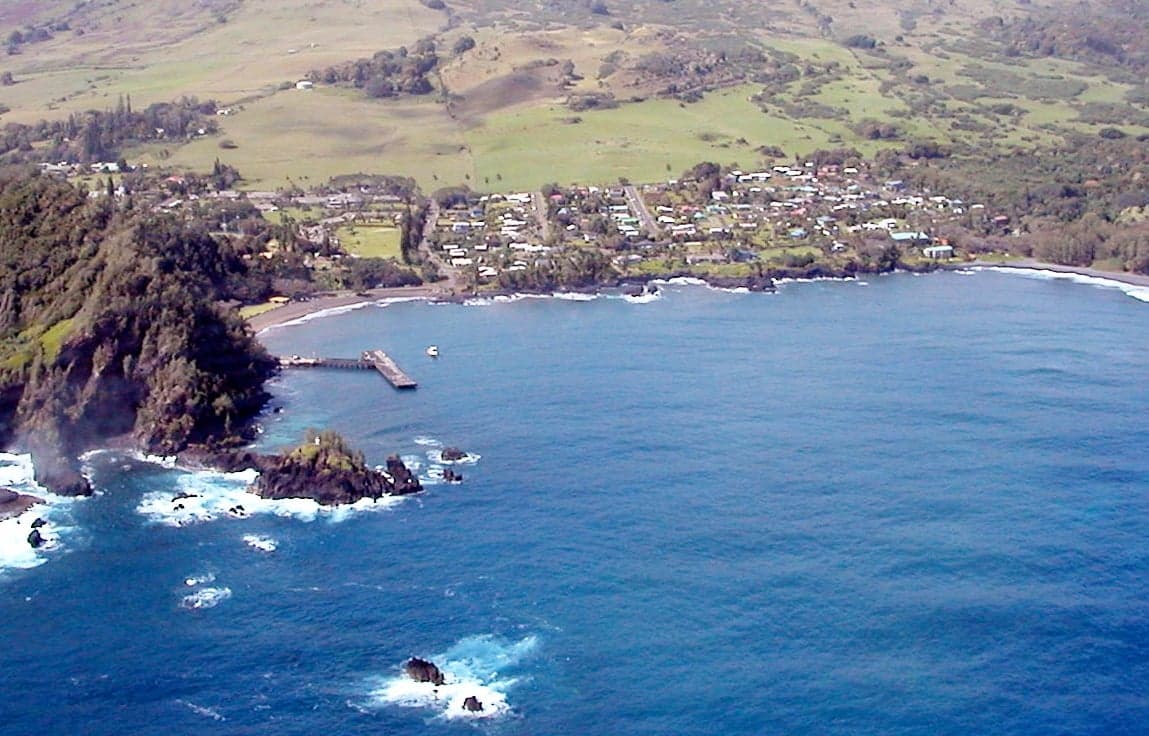
Photo: Wikipedia
Quality of Life in Hana, HI
A high quality of life with strong walkability, manageable living costs, healthy neighborhood signals, and solid amenity access.
What does Quality of Life tell us?
Quality of Life blends cost of living, nearby amenities, socioeconomic signals, and neighborhood character. City-level scores represent the whole municipality; individual neighborhoods can differ.
What does this tell us?
Quality of Life blends cost of living, nearby amenities, socioeconomic signals, and neighborhood character. City-level scores represent the whole municipality; individual neighborhoods can differ.
Cost of Living
167% above national average
The Real Cost of Living in Hana, HI for 2026
| Tier | Individual | Family (4) |
|---|---|---|
| Survival | $42k | $78k |
| Comfortable | $117k | $172k |
| Luxury | $121k+ | $188k+ |
| Elite (Top 5%) | $202k+ | $314k+ |
30%
* top-5% income substituted from county-level data — local Census figures unavailable for small populations
The Area Signal
A metric tracking the socioeconomic signals of the area.
Hobbies
Explore the areaGroceries
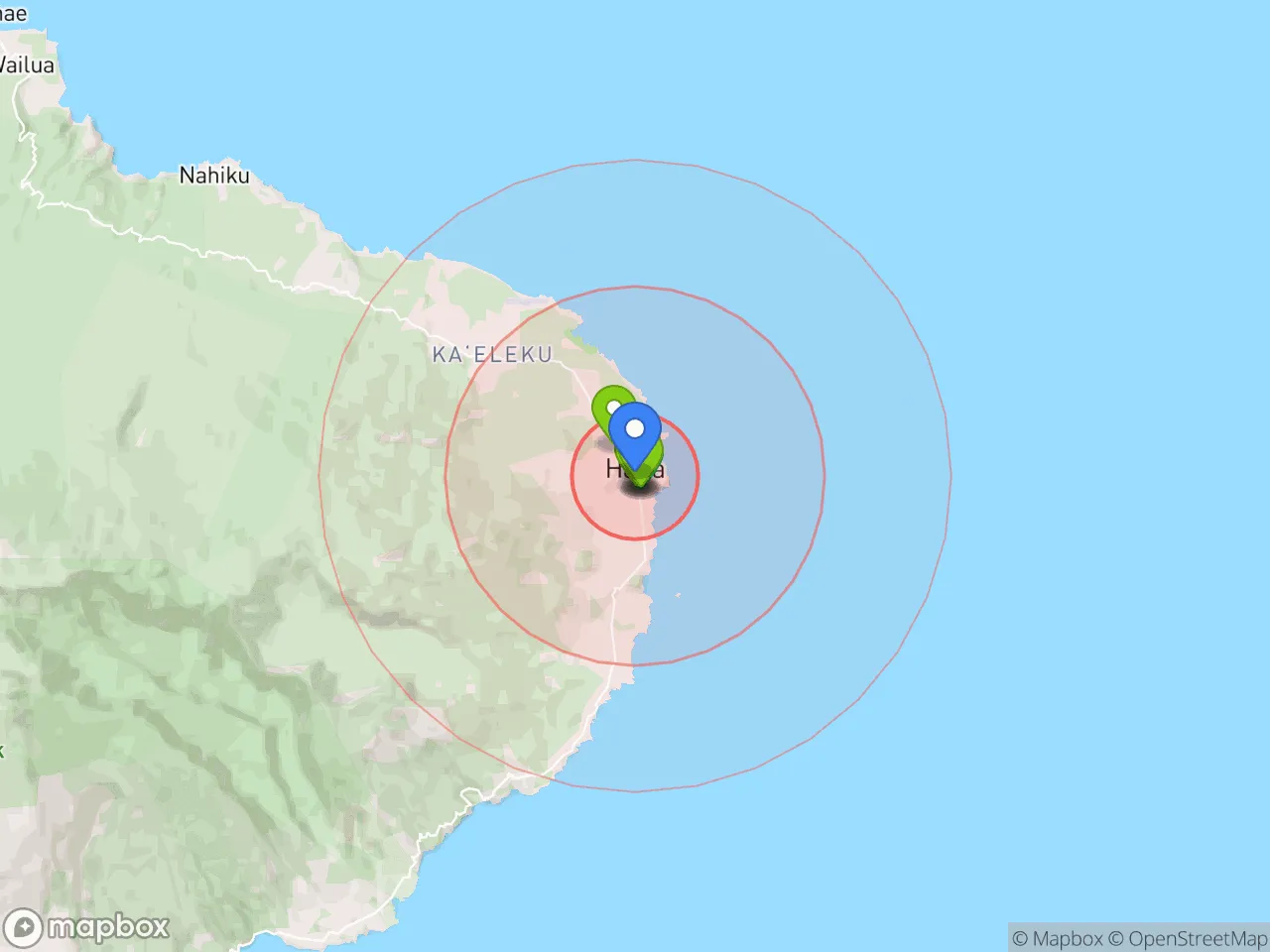
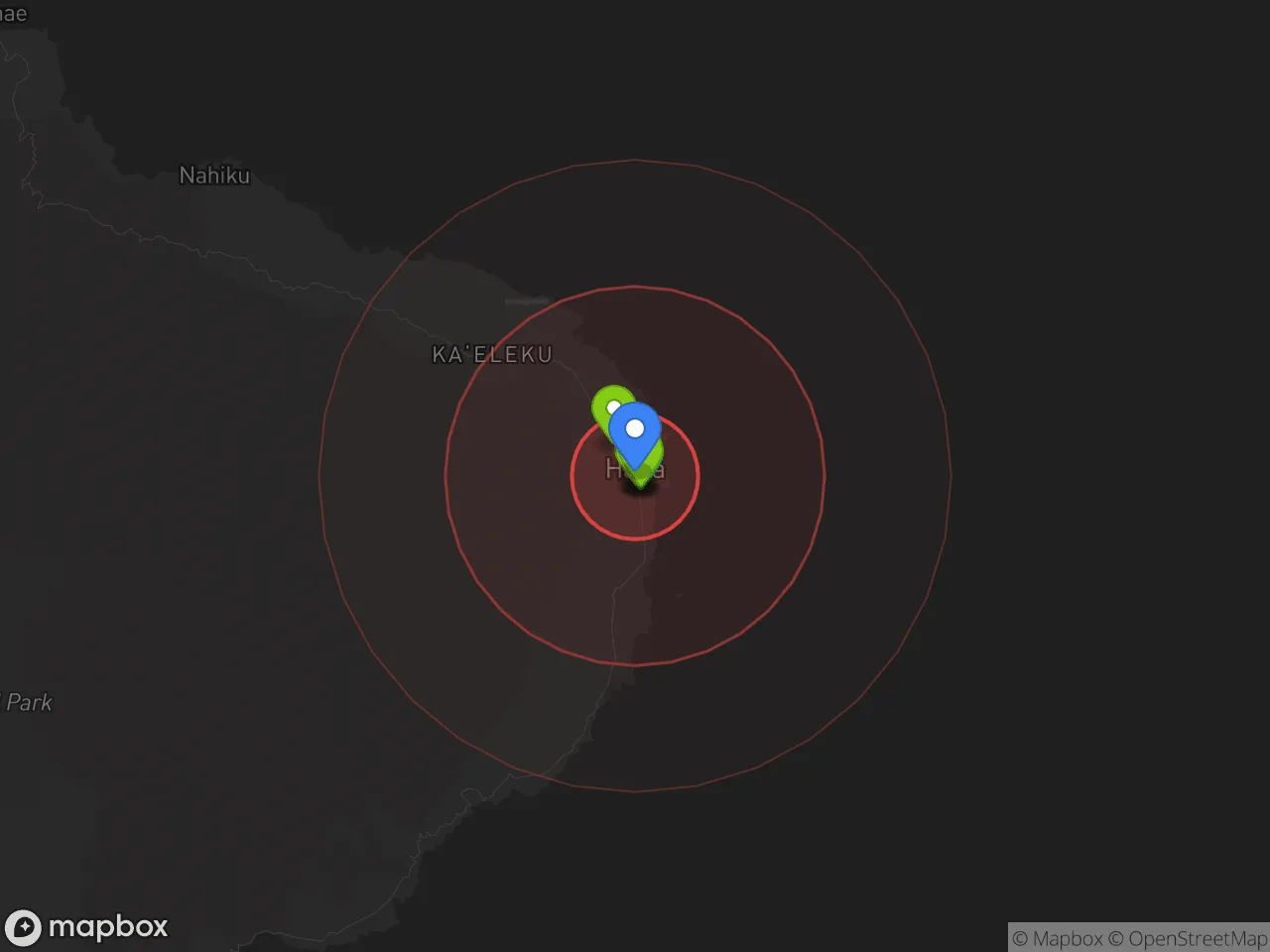
0 within 10 miles
Gas
1 within 10 miles
Hospital
1 within 20 miles
Airport
Daniel K. Inouye International Airport
Post Office
USPS — Hana, HI
Critical Amenities
Quality-of-Life Analysis
Hana, Hawaii, presents a unique quality-of-life profile defined by extreme isolation, profound natural beauty, and a cost of living that far exceeds the national average. With a cost-of-living index of 267 (more than 2.5 times the U.S. average), the community is home to a mix of multigenerational Native Hawaiian families, off-grid homesteaders, and affluent second-home owners who prioritize seclusion and cultural preservation over urban convenience. The population hovers around 1,200, and the town’s character is shaped by its remote location at the end of the Hana Highway—a 52-mile winding road that deters casual tourism and reinforces a tight-knit, self-reliant lifestyle.
Cost of living, housing, and how Hana compares to nearby areas
Hana’s cost of living is among the highest in rural Hawaii, driven largely by housing and the expense of importing goods. The median home value is $610,200, which is significantly lower than in Kahului ($850,000+) or Kihei ($950,000+), but still steep for a town with limited employment and services. Median rent is $3,501 per month, comparable to urban Honolulu, yet rental inventory is extremely scarce—often passed by word-of-mouth rather than listed online. Compared to nearby Huelo or Keanae, Hana offers more amenities (a grocery store, gas station, and health clinic) but at a price premium: groceries are roughly 60% higher than the mainland average. The average commute of 22.8 minutes is deceptively low because most residents work locally or remotely; however, a drive to Kahului for supplies or medical appointments takes 2.5 hours each way, effectively making Hana a two-hour-radius micro-economy. Property taxes are low (roughly 0.25% of assessed value) due to Hawaii’s county-based system, but homeowners insurance is high due to hurricane and volcanic risk.
What daily life is like for families: amenities, schools, and community rhythm
Daily life in Hana revolves around the land and the ocean. The town has one K–12 public school, Hana High & Elementary School, which serves about 300 students and offers Hawaiian language immersion and agricultural programs. There are no private schools or higher education institutions within 50 miles. Healthcare is limited to the Hana Health clinic (basic primary care and emergency stabilization); serious cases require a medevac or a long drive to Maui Memorial Medical Center in Wailuku. Amenities include a single grocery store (Hana Ranch Store), a post office, a bank, a gas station, and a handful of restaurants and food trucks. There is no movie theater, shopping mall, or chain retail. The community rhythm is slow and seasonal: weekdays are quiet, weekends see a modest influx of tourists, and major events like the Hana Rodeo or the East Maui Taro Festival draw the entire valley. Internet access has improved with fiber-optic service from Spectrum, but cell coverage remains spotty outside the town center. For families, the trade-off is clear: children grow up with direct access to waterfalls, black-sand beaches, and a strong sense of place, but they lack the extracurricular variety and academic competition of larger towns.
Hana is best suited for individuals and families who are deeply committed to a rural, self-sufficient lifestyle and who value cultural immersion over material convenience. Remote workers with reliable income, retirees seeking solitude, and Native Hawaiian families reconnecting with ancestral lands are the most common profiles. Those who thrive here are comfortable with long supply chains, limited social services, and a pace of life dictated by weather and harvest rather than clocks. Conversely, newcomers expecting resort-style amenities or easy access to urban jobs will find Hana isolating and expensive. For the right person, however, the quality of life—measured in clean air, quiet nights, and community interdependence—is unmatched on Maui.

Crime in Hana, HI
Generally safer than 64% of comparable U.S. locations.
Violent CrimeViolent Crime Analysis
Property CrimeProperty Crime Analysis
Crime Analysis
Hana, a small, remote community on Maui's eastern shore, presents a unique safety profile that diverges sharply from Hawaii's more urbanized areas. With a violent crime rate of 200.2 incidents per 100,000 residents and a property crime rate of 1,586.9 per 100,000, the area experiences less violent crime than the national average but faces a property crime rate that is notably higher than both the state and national benchmarks. The community's isolation and tight-knit social fabric play a significant role in shaping daily safety realities, though visitors and new residents should remain vigilant about theft and vehicle break-ins.
Crime in context
Hana's violent crime rate of 200.2 per 100,000 is 43% lower than the national average of roughly 380 per 100,000, and sits below Hawaii's statewide rate of approximately 250 per 100,000. This is consistent with the area's character as a rural, agricultural community where serious interpersonal violence is uncommon. However, the property crime rate of 1,586.9 per 100,000 is approximately 20% higher than the national average of 1,320 per 100,000 and significantly exceeds the Hawaii state average of around 2,900 per 100,000. The disparity is largely driven by thefts from vehicles and break-ins targeting vacation rentals and parked cars along the Hana Highway, a well-known tourist route. Maui County as a whole, including Hana, operates under a prosecutorial and judicial system that has been influenced by progressive criminal justice reforms in recent years, including bail reform and diversion programs. While these policies aim to reduce incarceration, critics argue they have contributed to a revolving-door effect for property offenders, undermining deterrence and public confidence in the justice system.
What residents experience
For those living in Hana full-time, the most common safety concern is property crime, particularly theft from unlocked vehicles and vacation homes. Many residents report that leaving valuables visible in a parked car is an open invitation for theft, especially at popular trailheads like the Pipiwai Trail and at Waianapanapa State Park. Violent confrontations are rare, and most residents feel safe walking alone during daylight hours. However, the community's isolation means that emergency response times from the nearest police station in Hana town can be slow, and serious incidents may require a Medevac flight to Maui Memorial Medical Center in Kahului. The area's progressive judicial environment, which emphasizes treatment and alternatives to incarceration for non-violent offenders, has been a point of contention among long-time residents who feel it fails to adequately protect victims of repeat property crimes.
Neighborhood-level variation in Hana is minimal due to the community's small size and dispersed settlement pattern. The most significant safety difference is between the core of Hana town—where a visible police presence and community watch programs exist—and the more remote stretches of the Hana Highway and coastal subdivisions like Hamoa and Kipahulu. In these outlying areas, property crime risks are higher due to fewer witnesses and longer police response times. For prospective residents, the key takeaway is that Hana offers a low risk of violent crime but demands proactive property security measures, particularly for those living along the tourist corridor.
* Values derived from national, state, county, city and local statistics and may differ in a specific area. Last updated: 2026-05-15T03:22:14.000Z
Narrative content on this page is AI-generated and may contain mistakes. Verify any details that matter before acting on them.
ReloMaps may earn a commission from affiliate links at no extra cost to you.

