Photo: Wikipedia
Find The Best Places To Live
in Kahului
PRO TIP! You can paste a Zillow or Redfin link to get info on that property.
What It's Like Living in Kahului, HI
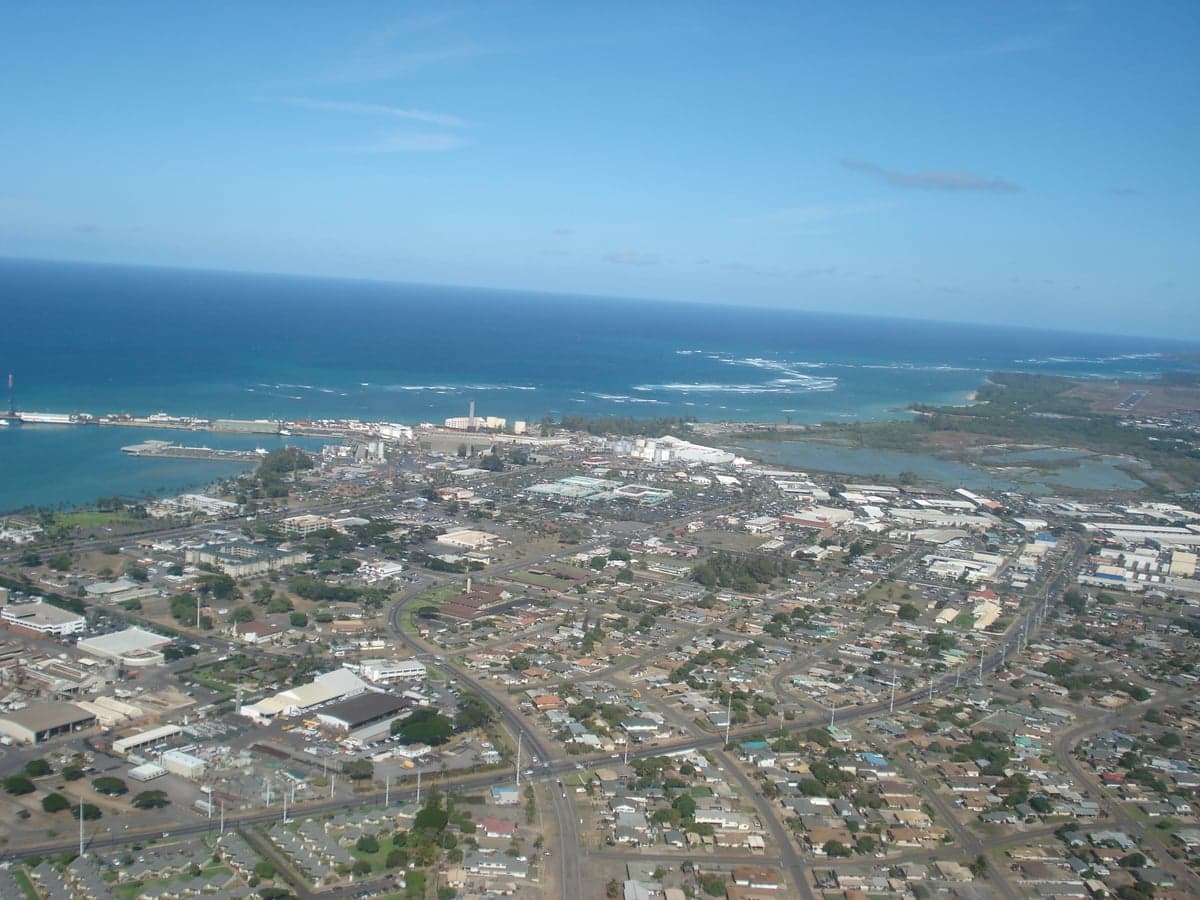
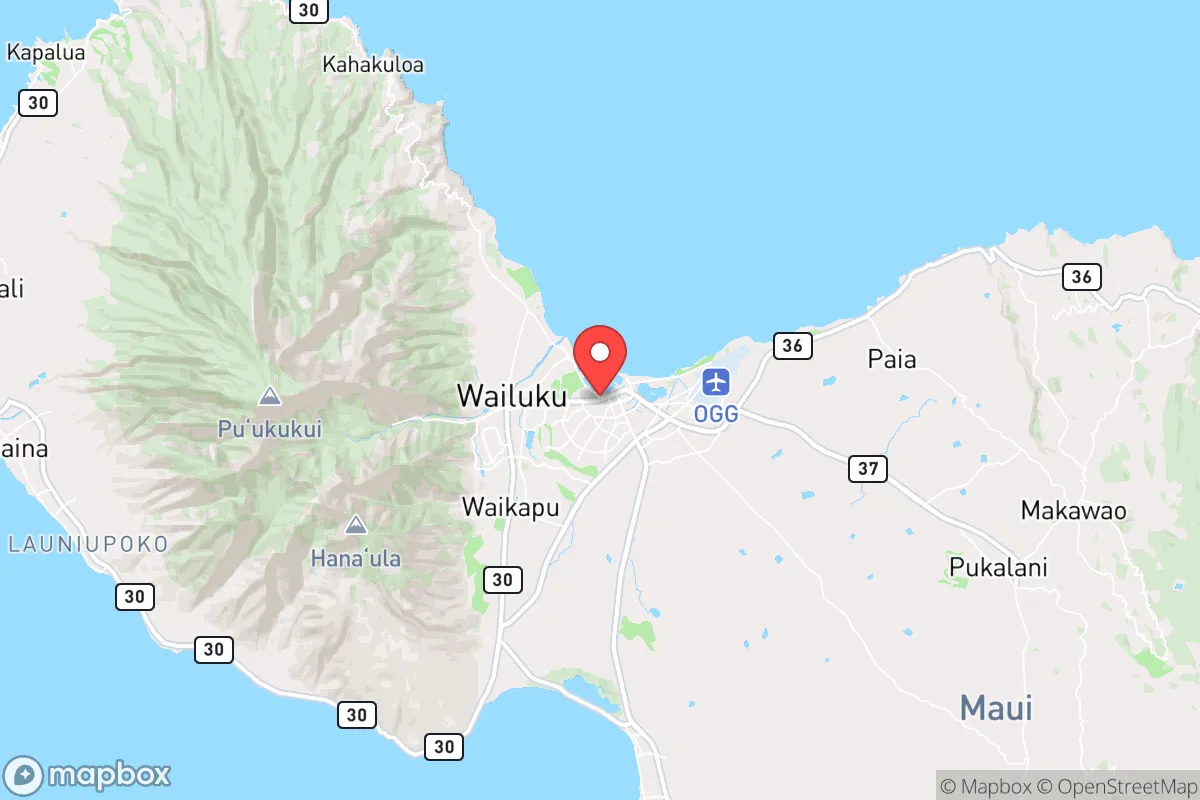
Kahului is the commercial and transportation hub of Maui, a working town that doesn’t bother with the resort polish of Wailea or the artsy pretensions of Paia. It’s where locals actually live, work, and shop, and its vibe is practical, family-oriented, and unpretentious. If you’re moving here, you’re trading white-sand tourist beaches for the convenience of being five minutes from Costco, the airport, and the island’s best plate lunches.
The Daily Rhythm: Work, Errands, and Weekend Life
Most people’s day revolves around the commute—which, at an average of 22 minutes, is mercifully short by mainland standards. You’ll spend that time on the Hana Highway or Kaahumanu Avenue, often behind a cane truck or a tourist who’s lost. The morning rush is real but manageable; the afternoon gridlock near the Queen Kaahumanu Center can test your patience. After work, locals hit the Kahului Harbor for sunset fishing, grab a plate at Da Kitchen (the fried mahimahi is legendary), or run errands at the Maui Mall. Weekends mean farmers’ markets—the Maui Swap Meet at the University of Hawaii Maui College is a Saturday ritual for fresh mango, local honey, and handmade crafts—or a drive upcountry to Kula for cooler air and lavender farms.
The median age here is 43.5, and the median household income sits at $92,062. That’s a solid middle-class number, but it gets eaten fast by the cost of living index of 194—nearly double the national average. The people who fit in best are those who don’t need a nightlife scene every weekend: teachers, nurses, airport workers, and small business owners who value stability over flash. If you’re a single parent or a couple raising kids, Kahului’s practicality is a huge plus. If you’re looking for a party, you’ll head to Kihei or Lahaina.
Sports, Community, and the Local Identity
High school sports are a big deal here. Baldwin High School’s Bears and Maui High School’s Sabers pack bleachers for football games on Friday nights, and the rivalry is genuine but good-natured. There’s no pro team on the island, but the University of Hawaii Maui College hosts community events and the occasional basketball tournament. The real sports culture is in the water: Kanaha Beach Park is a world-class windsurfing and kiteboarding spot, and on any given afternoon you’ll see locals launching into the trade winds. The Maui Marathon and the XTERRA Trail Run both pass through or start in Kahului, drawing a fit, outdoorsy crowd.
Culturally, Kahului is more “local” than touristy. You’ll hear Hawaiian and Pidgin as often as English. The Maui Nui Botanical Gardens hosts native plant workshops and cultural festivals. The annual Maui County Fair at the War Memorial Complex is a classic small-town event with carnival rides, livestock exhibits, and malasadas. One quirk: many longtime residents still refer to neighborhoods by plantation camp names—Puunene, Wailuku—even though the sugar mill closed years ago. That history is baked into the town’s identity.
What’s There to Do: Entertainment, Food, and Outdoors
Entertainment is low-key. The Maui Arts & Cultural Center is the island’s premier venue for concerts, plays, and art exhibits—it’s where you’ll see everyone from local slack-key guitarists to touring national acts. For bars, Kahului Ale House is the go-to for craft beer and a casual dinner, while Maui Brewing Company in Kihei is a short drive for a livelier scene. Restaurants worth the trip: Tin Roof for mochiko chicken, Geste Shrimp Truck for garlic shrimp, and Sam Sato’s in Wailuku for saimin and dry noodles—a local institution since 1933.
Outdoor life is the real draw. Iao Valley State Monument is a 10-minute drive and offers a short, lush hike to the iconic needle. Kealia Pond National Wildlife Refuge is a quiet spot for birdwatching. For a beach day, locals skip the resort beaches and head to Baldwin Beach Park in Paia or Kanaha Beach—both are a 10-minute drive and far less crowded. The Haleakala sunrise is a bucket-list experience, but it requires a 2 a.m. drive and a reservation; many locals prefer sunset for fewer crowds.
Pros and Cons of Living in Kahului
- Pros: Central location means everything is close—airport, shopping, schools, and medical facilities. The weather is consistently warm (70-85°F year-round) with reliable trade winds that keep humidity manageable. The commute is short, and the community is tight-knit. Violent crime is low at 200.2 per 100,000—below the national average—and property crime is mostly petty theft from unlocked cars.
- Cons: The cost of living is brutal. Median home value is $833,200, and only 24.6% of adults hold a college degree, which limits white-collar job opportunities. Rent for a two-bedroom apartment often exceeds $2,500. The town itself is not scenic—it’s flat, industrial, and dominated by big-box stores. If you want ocean views or a walkable downtown, this isn’t it. Traffic on Kaahumanu Avenue can back up during tourist season, and the airport noise is constant for neighborhoods near the runway.
Kahului isn’t a postcard. It’s the place where people live their real lives on Maui—commuting, raising kids, shopping at Costco, and grilling on weekends. If you can handle the cost and the lack of resort glamour, it’s a practical, safe, and genuinely local place to call home.

Similar towns to Kahului
* Values derived from national, state, county, city and local statistics and may differ in a specific area. Last updated: 2026-04-24T00:06:39.000Z
Narrative content on this page is AI-generated and may contain mistakes. Verify any details that matter before acting on them.
ReloMaps may earn a commission from affiliate links at no extra cost to you.

