Photo: Wikipedia
Strategic Assessment of Hanalei, HI
Strong survivability profile. Good buffer from population centers, with manageable environmental and tactical risks.
What does the Strategic Assessment tell us?
Our Strategic Assessment grades tactical survivability of an area. Major population centers, military targets, fallout zones, natural disasters, and border exposure all drive risk — lower exposure means a more defensible position in a crisis.
This is heavily inspired by Joel Skousen's Strategic Relocation book. Highly recommended you checkout the book ($)What does this tell us?
Our Strategic Assessment grades tactical survivability of an area. Major population centers, military targets, fallout zones, natural disasters, and border exposure all drive risk — lower exposure means a more defensible position in a crisis.
This is heavily inspired by Joel Skousen's Strategic Relocation book. Highly recommended you checkout the book ($)Strategic Pillars

Key Distances
Regional Safe Places
Below is our recommended "safe zones" in Hawaii and the surrounding area based on our strategic heuristics. For most people, it's unrealistic to live in a “safe zone” full-time due to work, family or other personal reasons. They tend to be more rural. However, many of these areas are perfect for second homes and retreat properties that double as a vacation home or even a short-term rental.

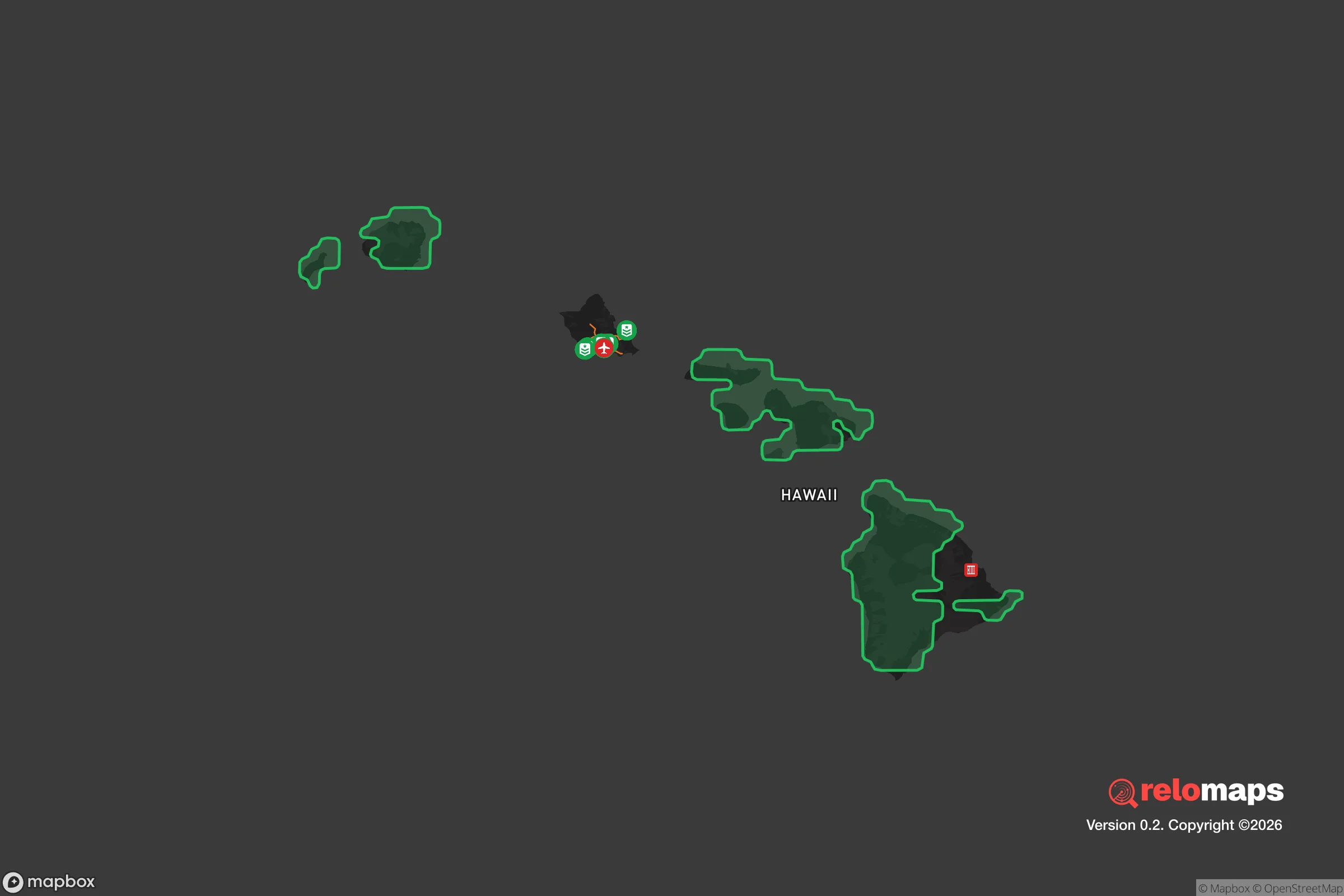


Important Note: For informational purposes only. This does not mean nothing bad ever happens in the green zones. Please use common sense. This is based on public data and modeled with AI. We tried to take a conservative approach but mistakes happen. We update this regularly as new information becomes available.
Solar Generator Recommendations
Backup power matters more here than in safer locations. We've picked three solar generators across budgets and capacity tiers — start with the budget unit if you only need a few essentials, or step up if you want to run a fridge and HVAC for days at a time.

Jackery Portable Power Station Explorer 300
Budget OptionPower on the Go: Weighing only 11 lbs, it's convenient to set up and store with book-sized foldable solar panels

BLUETTI Portable Power Station AC180
Designed for both indoor and outdoor scenarios, AC180 is highly capable as it has a robost capacity and continuous output power.

EF ECOFLOW DELTA Pro Ultra Power Station
Upgraded PickEcoFlow DELTA Pro Ultra is a whole-home energy system designed to grow with your family. Integrated with the Smart Home Panel 2, it scales to meet your evolving energy needs — keeping your home powered, intelligent, and secure through every stage of life.
We earn a commission, at no additional cost to you.
Strategic Assessment Analysis
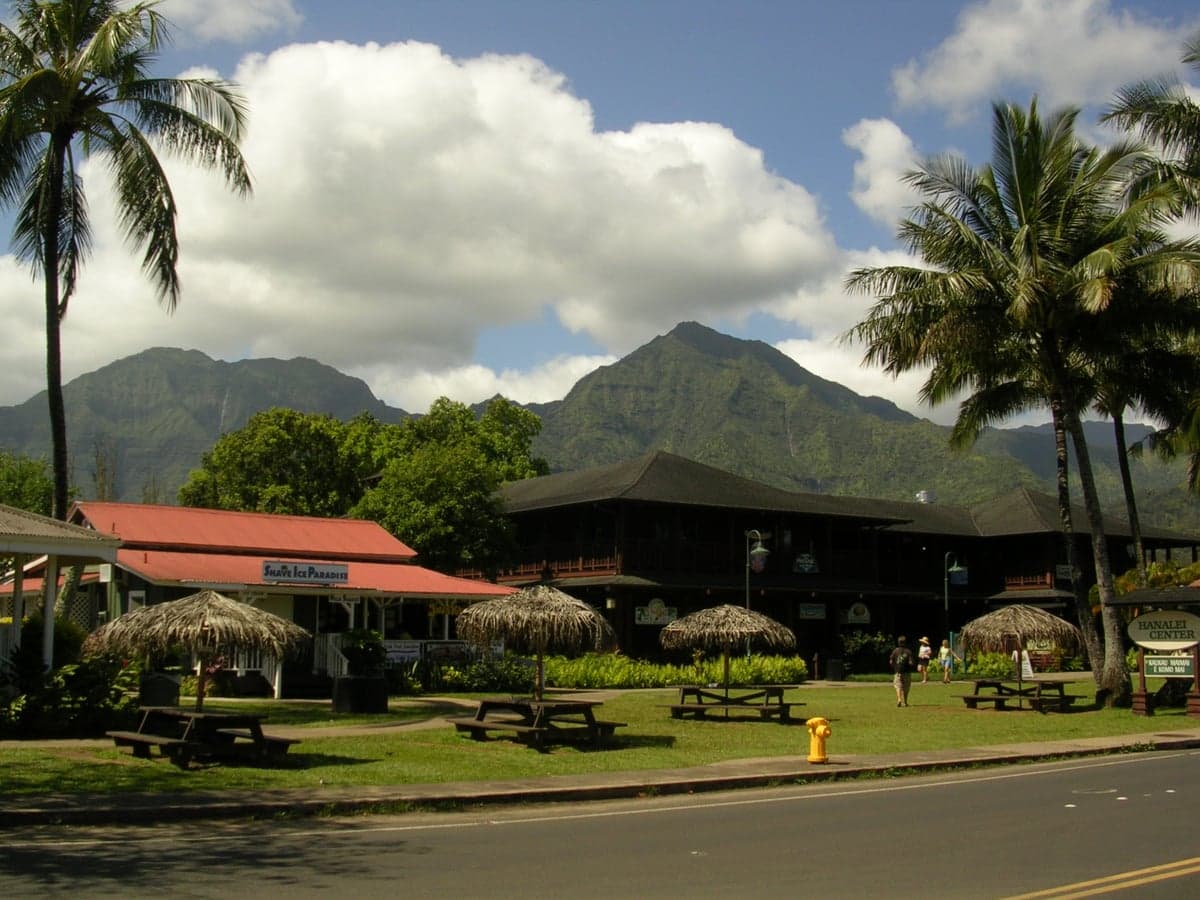
Hanalei, on Kauai’s north shore, offers a strategic relocation option for those prioritizing geographic isolation and natural resilience in an increasingly unstable world. Its location—roughly 5,500 miles from the West Coast and shielded by the Pacific—places it far from the continental fault lines of civil unrest, mass casualty events, and fallout from major metropolitan targets. While no place is immune to risk, Hanalei’s remoteness, combined with its access to fresh water and arable land, makes it a defensible redoubt for individuals and families seeking to decouple from the vulnerabilities of mainland population centers.
Geographic position and natural advantages for long-term survival
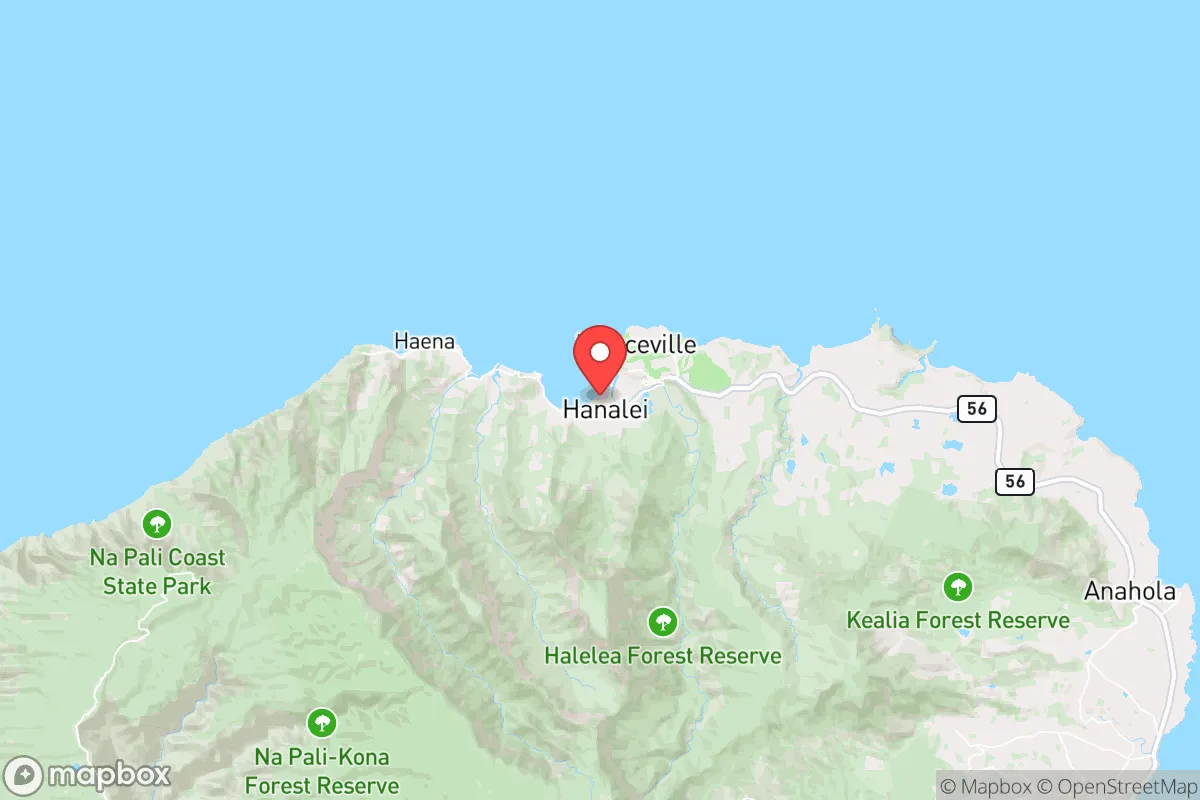
Hanalei sits at the heart of Kauai’s lush north shore, bordered by the Pacific Ocean to the north and the rugged, largely uninhabited Na Pali Coast to the west. The Hanalei River and its tributaries drain from Mount Waialeale—one of the wettest spots on Earth—providing a reliable, year-round source of fresh water. This hydrological advantage is critical for a prepper: you can filter and store water without relying on municipal systems that may fail during a grid-down scenario. The surrounding mountains, including Namolokama and Mamalahoa, create a natural bowl that limits access points—only one paved road, Kuhio Highway (Route 560), leads into Hanalei from the east, and it’s frequently closed by landslides or flooding. This chokepoint offers a significant defensive benefit, as any approach by road can be monitored or blocked with minimal effort. The valley’s fertile alluvial soil supports taro, fruit trees, and vegetables, meaning subsistence agriculture is viable without heavy machinery or imported inputs. For a relocator, this means you can establish a self-sufficient homestead with relative ease compared to arid or cold-climate retreats.
Risks, exposures, and proximity to fallout-relevant landmarks
Hanalei’s greatest strength—its isolation—also introduces specific vulnerabilities. The nearest major population center is Lihue, about 30 miles southeast, home to the island’s main airport and port. While Lihue is small (population roughly 6,500), it represents a potential chokepoint for supply chains and a target for any organized disruption. The Pacific Missile Range Facility on Kauai’s west side, a U.S. Navy installation, is a strategic asset that could become a target in a conflict involving China or North Korea. Hanalei lies roughly 40 miles northeast of this facility, placing it within the potential fallout zone of a conventional or nuclear strike. Prevailing trade winds blow from the northeast, which would carry airborne contaminants away from Hanalei in most scenarios, but a shift in wind patterns or a ground burst could still deposit fallout. Additionally, the north shore is exposed to Pacific tsunamis—the 2011 Tohoku event caused significant damage to Hanalei Bay, and a larger event could inundate low-lying areas. The single road out means evacuation is impractical during a fast-moving disaster; you must plan to shelter in place for weeks or months. For a conservative prepper, these risks are manageable with proper preparation—stockpiling food, medical supplies, and a water filtration system—but they underscore that Hanalei is not a zero-risk sanctuary.
Practical resilience for a relocator: food, water, energy, and defensibility
For a relocator serious about self-sufficiency, Hanalei offers a rare combination of resources. Water is abundant: the Hanalei River flows year-round, and rainfall averages over 80 inches annually. A simple rain catchment system with a 1,000-gallon tank can supply a family of four for months, and a Berkey or Sawyer filter can make it potable. Food production is straightforward: taro, breadfruit, bananas, papayas, and avocados grow with minimal effort, and the ocean provides fish, opihi (limpets), and seaweed. Hunting wild pigs and goats in the mountains is legal with a license, adding protein. Energy independence is achievable: solar panels are common on the north shore, and the consistent trade winds make small wind turbines viable. Battery storage (e.g., Tesla Powerwall or DIY lithium) can run a refrigerator, lights, and communications for days without grid power. Defensibility is strong: the valley’s single road can be blocked at the Hanalei Bridge or the Princeville junction, and the steep, forested hillsides make foot approaches difficult. A small group of prepared individuals could secure the perimeter with basic observation posts. The main weakness is medical care—the nearest hospital is in Lihue, and serious trauma would require evacuation by helicopter or boat. Stockpiling trauma kits, antibiotics, and training in basic emergency medicine is non-negotiable. For families, the local community is tight-knit and largely self-reliant, which can be a double-edged sword: newcomers are viewed with suspicion, but building relationships with like-minded neighbors is essential for mutual aid during a collapse.
Overall, Hanalei presents a compelling strategic picture for the conservative prepper who values isolation, natural resources, and defensibility over proximity to jobs or amenities. Its distance from mainland chaos—riots, supply chain failures, or nuclear exchange—buys time to adapt. The risks are real: tsunami exposure, a single evacuation route, and proximity to a military target. But for a relocator willing to invest in rainwater catchment, solar power, and a deep pantry, Hanalei offers a rare chance to build a truly independent life. The trade-off is that you must be prepared to stay put for extended periods—this is not a bug-out location but a long-term homestead. If your goal is to ride out the coming instability in a place where the land can sustain you and the geography protects you, Hanalei deserves serious consideration.

* Values derived from national, state, county, city and local statistics and may differ in a specific area. Last updated: 2026-05-15T21:56:50.000Z
Narrative content on this page is AI-generated and may contain mistakes. Verify any details that matter before acting on them.
ReloMaps may earn a commission from affiliate links at no extra cost to you.

