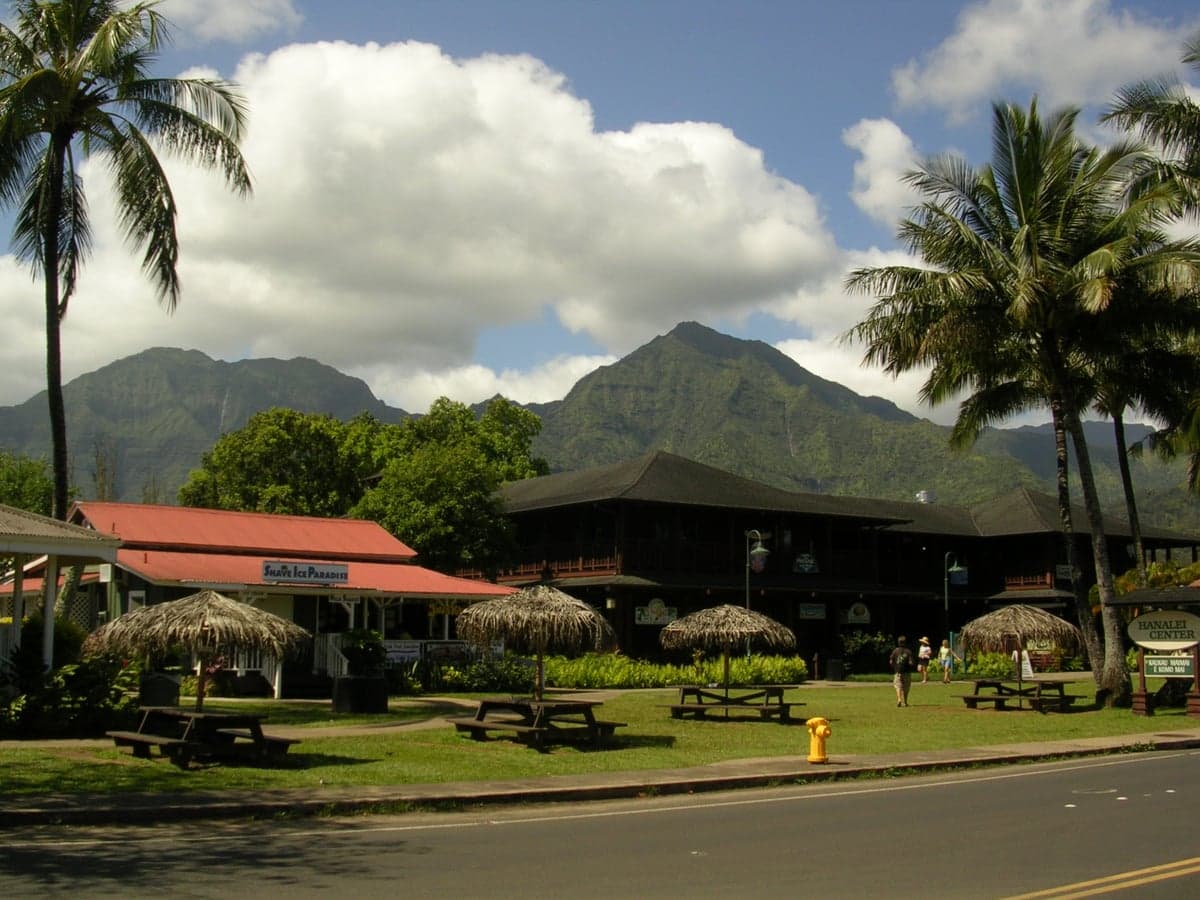
Photo: Wikipedia
Quality of Life in Hanalei, HI
A high quality of life with strong walkability, manageable living costs, healthy neighborhood signals, and solid amenity access.
What does Quality of Life tell us?
Quality of Life blends cost of living, nearby amenities, socioeconomic signals, and neighborhood character. City-level scores represent the whole municipality; individual neighborhoods can differ.
What does this tell us?
Quality of Life blends cost of living, nearby amenities, socioeconomic signals, and neighborhood character. City-level scores represent the whole municipality; individual neighborhoods can differ.
Cost of Living
The Real Cost of Living in Hanalei, HI for 2026
| Tier | Individual | Family (4) |
|---|---|---|
| Survival | $40k | $75k |
| Comfortable | $116k | $171k |
| Luxury | $170k+ | $264k+ |
| Elite (Top 5%) | $200k+ | $310k+ |
67%
* top-5% income substituted from state-level data — local Census figures unavailable for small populations
The Area Signal
A metric tracking the socioeconomic signals of the area.
Hobbies
Explore the areaGroceries
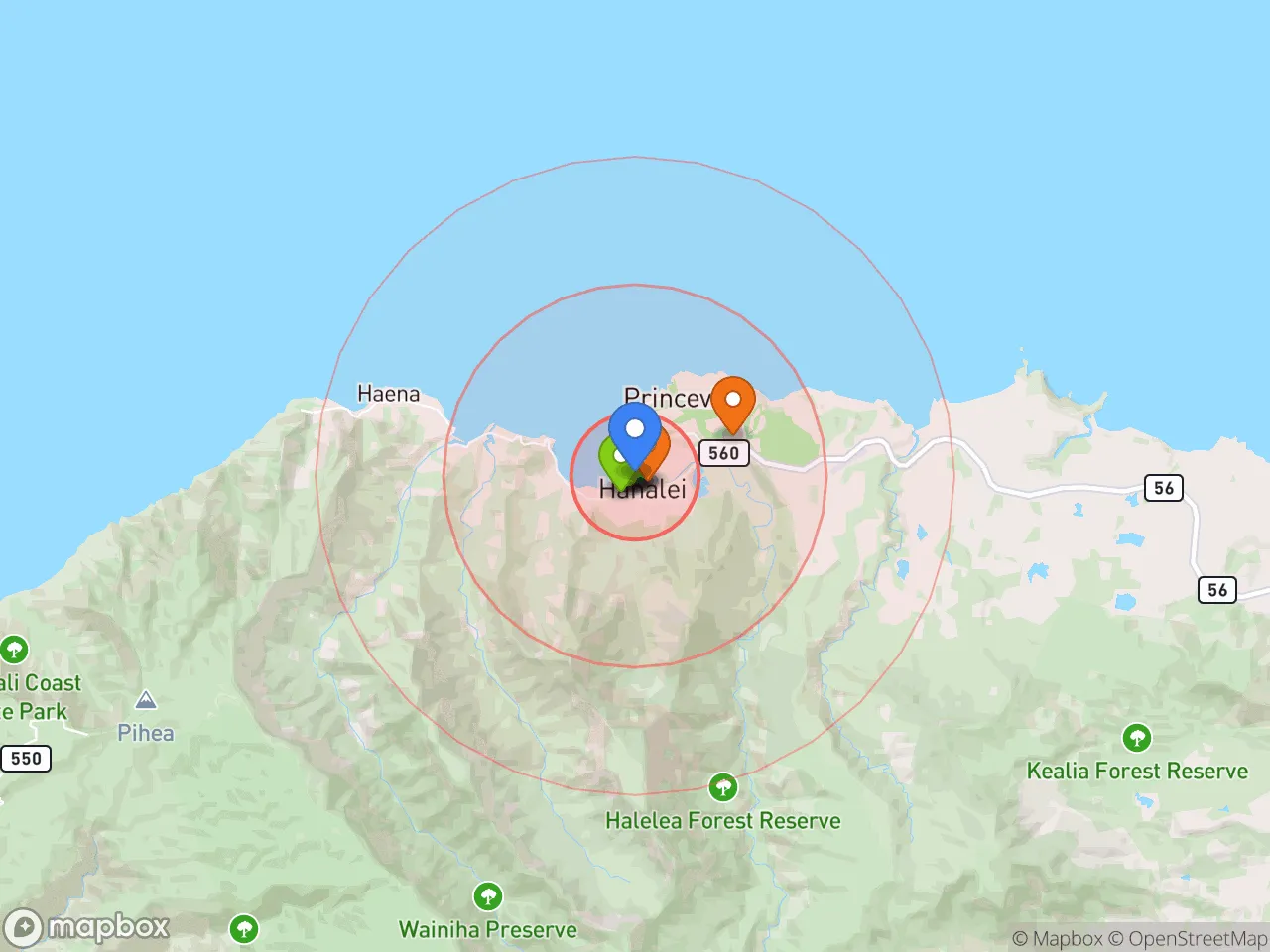
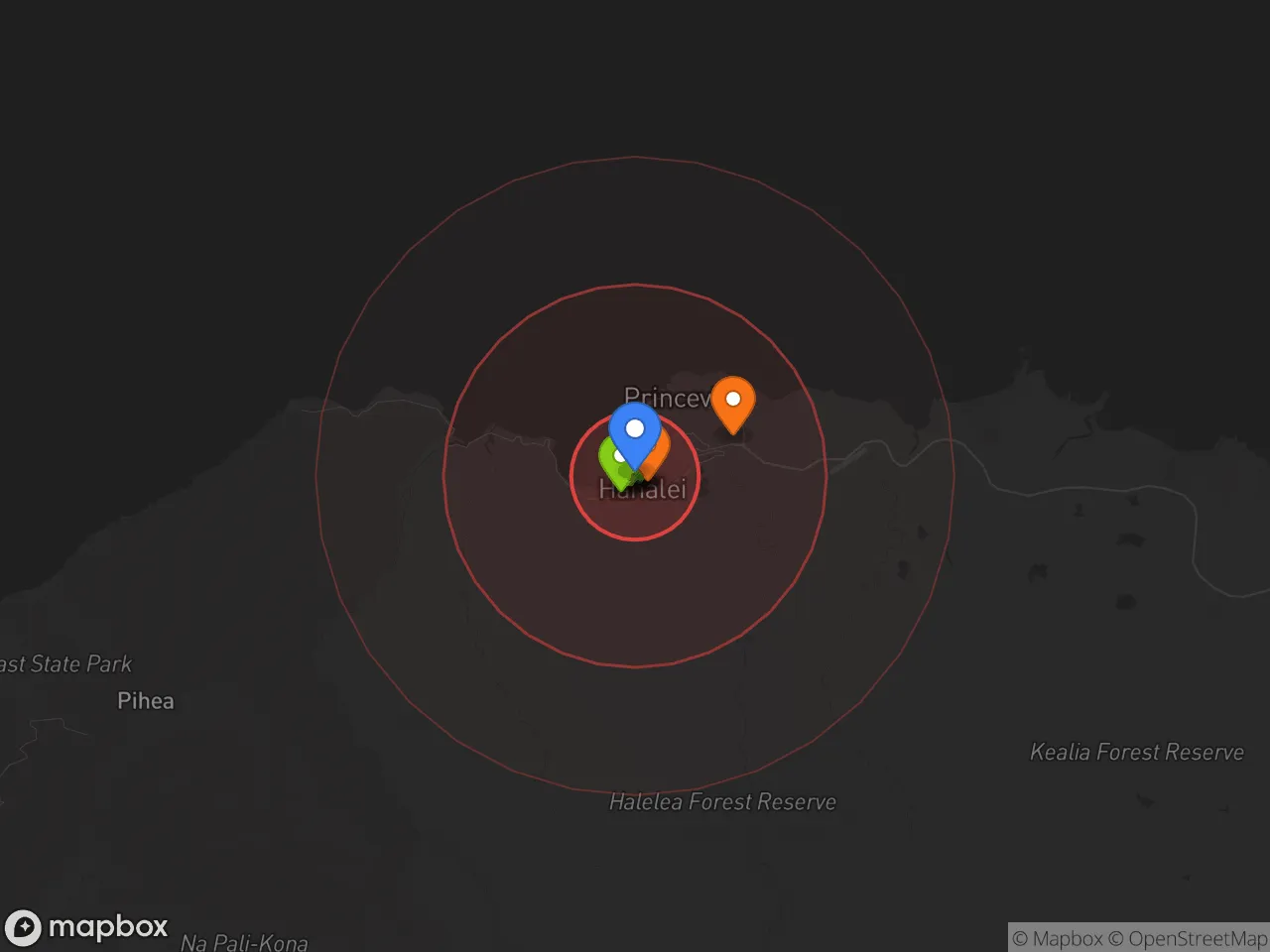
0 within 10 miles
Gas
3 within 10 miles
Hospital
2 within 20 miles
Airport
Daniel K. Inouye International Airport
Post Office
USPS — Hanalei, HI
Critical Amenities
Quality-of-Life Analysis
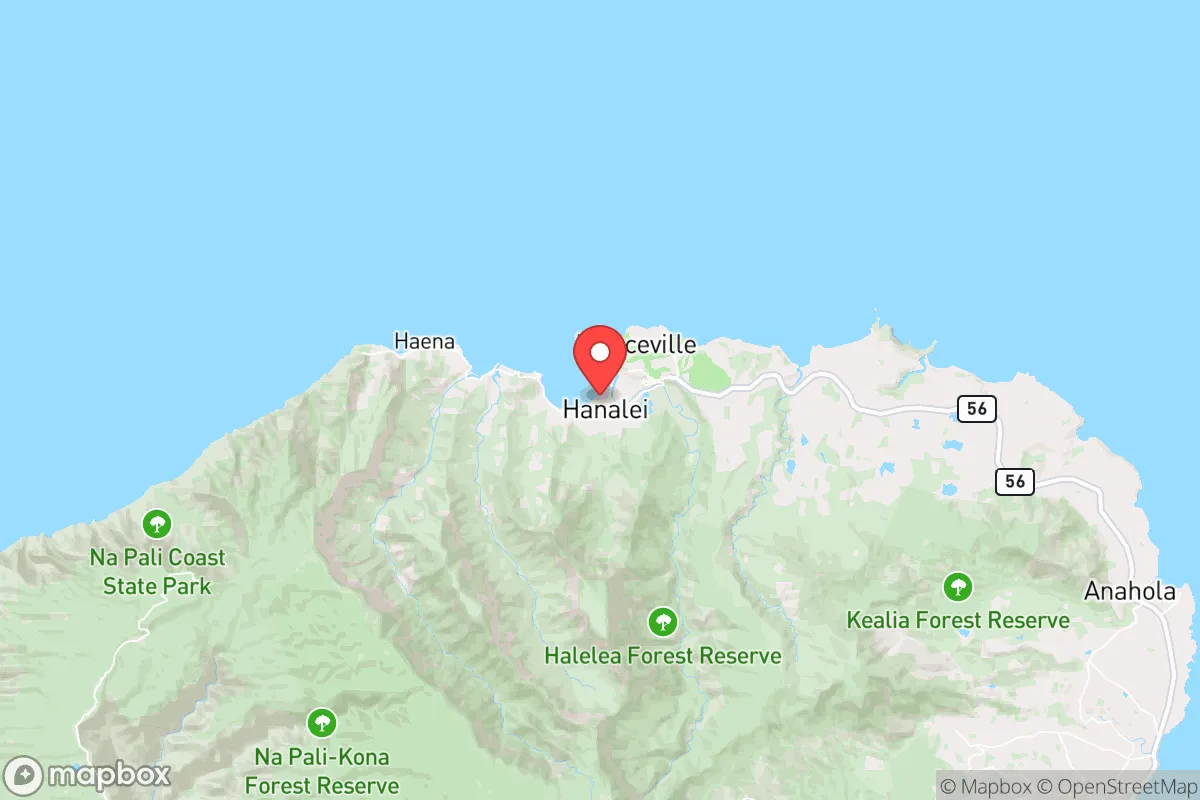
Hanalei, on Kauai’s north shore, is one of Hawaii’s most affluent and exclusive small towns, drawing a mix of second-home owners, remote professionals, and longtime local families who prize its lush, rural beauty. With a cost-of-living index of 413 (more than four times the U.S. average), Hanalei is significantly more expensive than nearby towns like Kapaʻa (index ~180) or Lihue (~170), driven almost entirely by housing. The median home value sits at $2,000,001, while median rent is $2,500—a figure that understates the market, as rental inventory is extremely tight and many units are vacation rentals. For context, a comparable home in Princeville, just two miles east, might cost 10–15% less, while moving to Kapaʻa on the east side cuts home prices by roughly half. The average commute of 26.4 minutes reflects the reality that most workers travel south to Lihue or Kapaa for employment, as Hanalei itself has limited year-round jobs outside tourism, retail, and small-scale agriculture.
What daily life is like for families and remote workers in Hanalei
Hanalei’s daily rhythm is defined by its natural setting: mornings at Hanalei Bay, afternoons at the farmers market, and evenings with few dining or entertainment options beyond a handful of restaurants and food trucks. The town has one public elementary school, Hanalei Elementary School (grades K–5), which serves about 200 students and feeds into Kapaa Middle and Kapaa High Schools—a 30-minute bus ride each way. For private education, families often look to Island School in Lihue (45 minutes) or consider homeschooling. Amenities are sparse: there is no full-service grocery store in Hanalei proper (the nearest is Foodland in Princeville, 5 minutes away), and medical care requires a drive to Lihue’s Wilcox Medical Center. Internet infrastructure has improved with fiber-optic service from Hawaiian Telcom, making remote work feasible, though power outages during winter storms are common. The town’s small size and tight-knit community mean that newcomers—especially those not connected to local families—may find it socially insular.
Who thrives in Hanalei and who should look elsewhere
Hanalei is best suited for affluent retirees, remote workers with high incomes (typically $300,000+ household), and families who prioritize outdoor lifestyle over urban convenience. The lack of affordable housing, limited job market, and isolation (the nearest Costco is 45 minutes away in Lihue) make it a poor fit for budget-conscious renters or those needing frequent access to specialized services. For buyers, the entry point for a single-family home is roughly $1.5 million, and even a small condo in Princeville starts around $600,000. Those who can absorb the cost and embrace the slow pace—surfing, hiking the Kalalau Trail, and community potlucks—will find Hanalei unmatched in natural beauty. But for anyone seeking career growth, nightlife, or affordable living, the trade-offs are steep.

Crime in Hanalei, HI
Generally safer than 62% of comparable U.S. locations.
Violent CrimeViolent Crime Analysis
Property CrimeProperty Crime Analysis
Crime Analysis
Hanalei, on Kauai’s north shore, is one of Hawaii’s safest small towns, with a violent crime rate of 215 per 100,000 residents and a property crime rate of 1,680 per 100,000. These figures place Hanalei well below both the Hawaii state average and national benchmarks, though property crime—particularly theft from vehicles and vacation rentals—remains a concern for visitors and seasonal residents. The town’s isolation, small year-round population of roughly 500, and tight-knit community contribute to a general sense of security, though the area is not immune to the property crime pressures that affect tourist-heavy destinations across the islands.
Crime in context
Hanalei’s violent crime rate of 215 per 100,000 is roughly 40% lower than the national average of 380 per 100,000 and significantly below Hawaii’s state rate of 250 per 100,000. Property crime at 1,680 per 100,000 is about 20% below the U.S. average of 2,100 per 100,000, but slightly above the Hawaii state rate of 1,550 per 100,000. The elevated property crime figure is driven largely by thefts from unlocked cars and vacation homes, especially along the Hanalei Bay shoreline and in the Princeville resort area just east of town. Violent incidents are rare and typically involve disputes among known individuals rather than random attacks. Kauai County as a whole maintains a lower crime profile than Oahu or Maui, and Hanalei benefits from the county’s relatively conservative approach to law enforcement compared to more progressive jurisdictions on the mainland.
What residents experience
For full-time residents, daily life in Hanalei feels safe, with most crime limited to opportunistic property offenses. The Hanalei Police Substation, staffed by Kauai County officers, maintains a visible presence along Kuhio Highway and responds quickly to calls. Residents report that package theft and bicycle theft are the most common nuisances, particularly during peak tourist months (June–August and December–January). Break-ins at vacation rentals are a recurring issue, with thieves targeting electronics, surfboards, and cash left in plain sight. Violent crime is so infrequent that local news coverage of an assault or robbery becomes a major story. The town’s geography—a narrow valley with one road in and out—acts as a natural deterrent to professional criminals, though it also means that any incident draws immediate community attention.
Neighborhood-level variation is minimal in Hanalei proper, as the town is compact and uniformly residential. The most significant difference lies between Hanalei and the adjacent planned community of Princeville, where property crime rates are slightly higher due to a larger concentration of vacation rentals and transient visitors. Areas along the Hanalei River and near the pier see occasional vehicle break-ins, while homes set back on side streets like Aku Road or Weke Road experience very little crime. Overall, Hanalei offers a safety profile that is among the best in Hawaii for a tourist-adjacent town, with violent crime essentially negligible and property crime manageable through basic precautions like locking vehicles and securing rental properties.
* Values derived from national, state, county, city and local statistics and may differ in a specific area. Last updated: 2026-05-15T21:56:50.000Z
Narrative content on this page is AI-generated and may contain mistakes. Verify any details that matter before acting on them.
ReloMaps may earn a commission from affiliate links at no extra cost to you.

