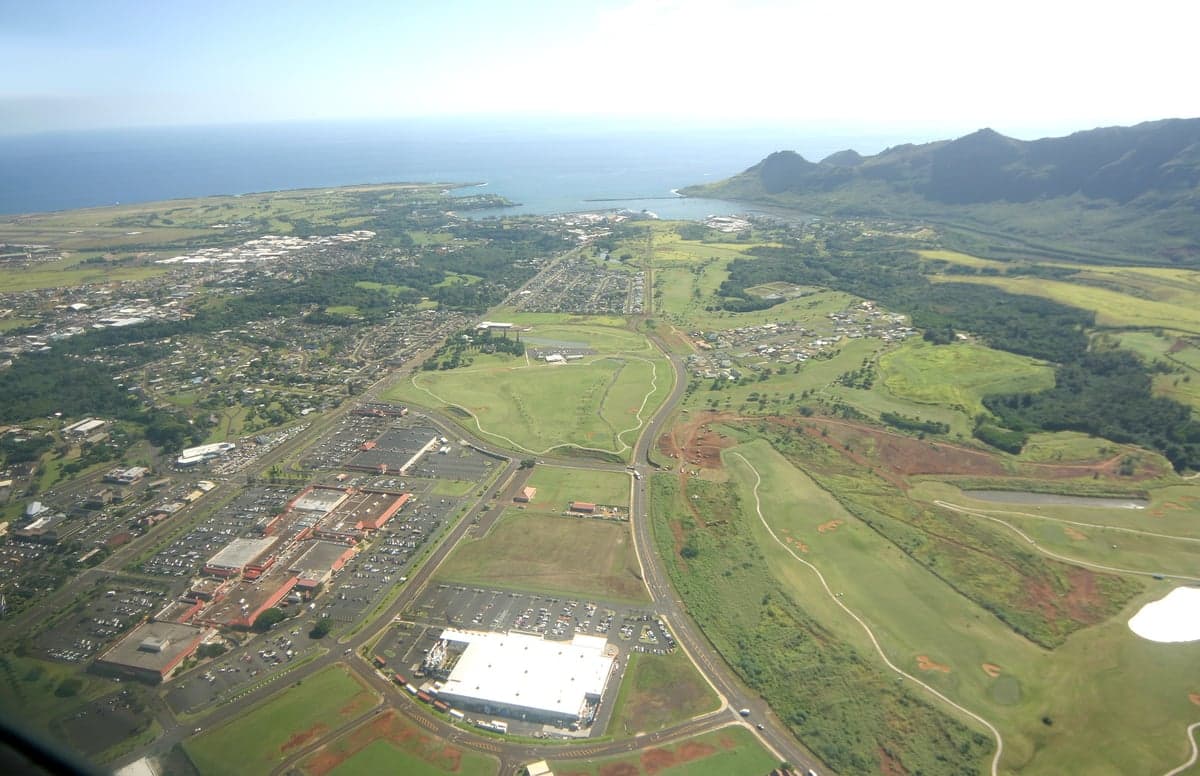
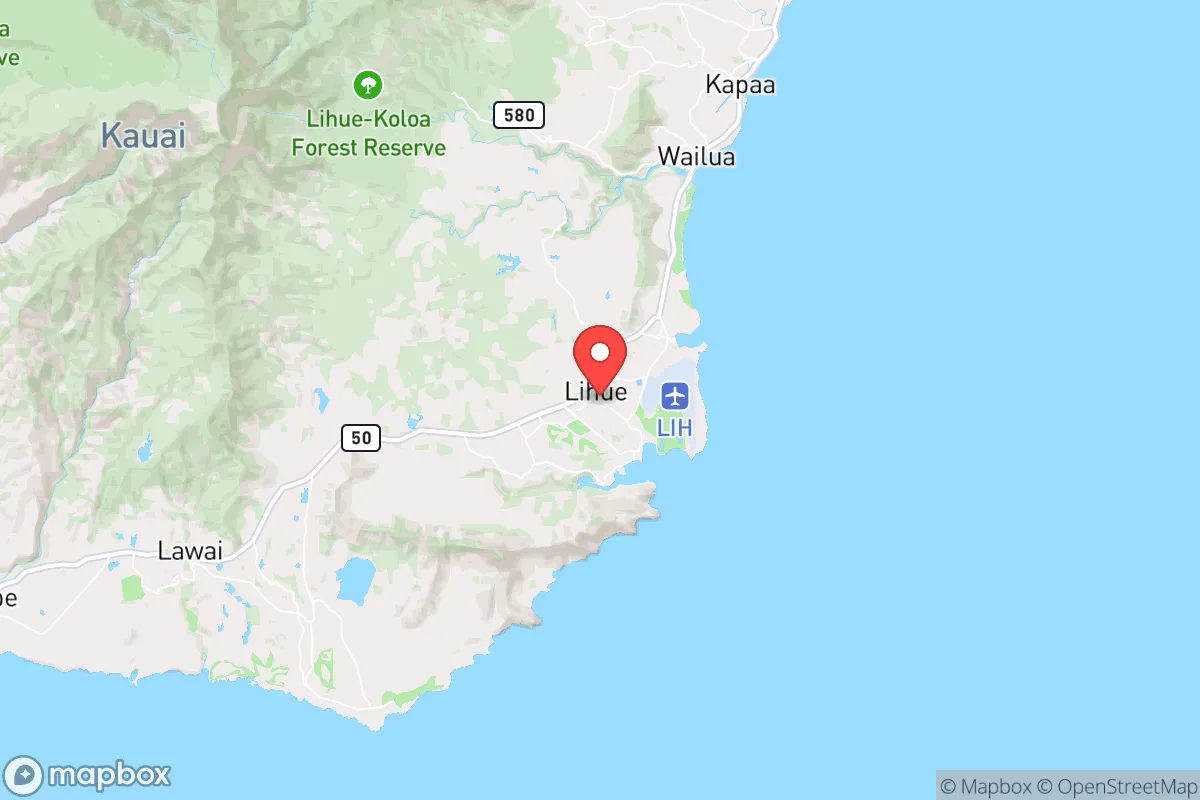
Photo: Wikipedia
Find The Best Places To Live
in Lihue
PRO TIP! You can paste a Zillow or Redfin link to get info on that property.
What It's Like Living in Lihue, HI
Lihue feels less like a tourist postcard and more like the working spine of Kauai—a place where the island’s government, commerce, and daily grind actually happen. With a population just shy of 7,800, it’s small enough that you’ll recognize faces at the grocery store, but big enough to have a Costco, a hospital, and the only airport on the island. The vibe is practical and unhurried, shaped by a median age of 43.1 and a median household income of $77,420—comfortable but not lavish, especially given that the cost of living index sits at 222, more than double the national average.
Daily Rhythm: What Life Actually Looks Like Here
Most mornings in Lihue start with a commute that averages just over 15 minutes—a genuine luxury compared to Honolulu or even Kapa‘a. People head to work at Wilcox Medical Center, the county offices, or the resorts along Kalapaki Beach. Lunch might mean a plate lunch from Hamura’s Saimin Stand, a local institution where the saimin and lilikoi chiffon pie draw lines out the door. After work, you’ll see families at Vidinha Stadium for soccer practice or high school football games, and retirees walking the path along Nāwiliwili Harbor. Weekends often involve a trip to the Kauai Community Market for local produce, or a short drive to Po‘ipū or Hanalei for a beach day—though locals know to avoid the tourist traffic on the main highway by heading out early.
The kind of person who fits in Lihue is someone who values stability over excitement. It’s a place for government workers, healthcare professionals, and small business owners who don’t mind that the nearest mall is a 40-minute drive away. Single individuals might find the social scene limited—bars are few, and dating options are thin—but parents appreciate the tight-knit school community and the fact that kids can still ride bikes to the park without constant worry. The median home value of $843,900 means most newcomers rent or buy a condo; single-family homes in decent condition rarely dip below $700,000.
Sports, Community, and What People Do for Fun
High school sports are a genuine cultural force here. Kauai High School football games on Friday nights draw crowds that include grandparents, former players, and local business owners who shut down early to attend. The rivalry with Kapa‘a High is real and friendly—expect packed bleachers and a lot of plate lunches sold at the concession stand. There’s no professional sports team on the island, but the Kauai Interscholastic Federation (KIF) events in volleyball, basketball, and paddling are well-attended. Outrigger canoe paddling is a big deal year-round; the Nāwiliwili Canoe Club has a strong local following, and regattas on the harbor draw families for entire weekends.
For entertainment, Lihue doesn’t have a concert venue or a nightclub. The main draw is the Kauai War Memorial Convention Hall, which hosts the occasional concert, craft fair, and the annual Kauai County Farm Bureau Fair in August—a classic small-town fair with rides, livestock, and local food. The Lihue Hongwanji Mission holds bon dances in summer, and the Kauai Community College campus occasionally puts on plays and art shows. For a movie, you’ve got the Kukui Grove Cinemas, a four-screen theater that shows mainstream releases. Most people’s idea of a night out is dinner at Duke’s Kauai on Kalapaki Beach, followed by a walk along the harbor as the sun sets—simple, reliable, and very Lihue.
Pros and Cons of Living in Lihue
What longtime residents love:
- The weather is genuinely ideal—year-round temperatures between 70 and 85°F, with trade winds keeping humidity manageable. No snow, no tornadoes, no extreme heat.
- The commute is short and predictable. You can live in Lihue and work anywhere on the east side without spending hours in traffic.
- The sense of community is real. People know their neighbors, and there’s a strong culture of helping out—whether it’s a fundraiser for a local family or a shared ride to the airport.
- Access to nature is unmatched. You can be hiking the Kuilau Ridge Trail or kayaking the Wailua River within 15 minutes of leaving your house.
What frustrates them:
- The cost of living is punishing. A median home value of $843,900 on a median income of $77,420 means most people are house-poor or renting indefinitely. Groceries are 30-50% higher than on the mainland.
- Island fever is real. There’s one main road (Highway 50/56), and when there’s an accident or a landslide, the whole island slows down. Flights to Honolulu are the only way off-island for most trips.
- The job market is narrow. Unless you work in healthcare, government, tourism, or education, opportunities are scarce. Remote work helps, but reliable high-speed internet can be spotty in some neighborhoods.
- Violent crime is low by national standards (215 per 100K, which is below the US average), but property crime—especially theft from cars and break-ins—is a persistent annoyance, particularly near tourist areas.
Cultural Quirks and Practical Realities
Lihue has a distinct local identity that can take newcomers a while to read. “Talk story” is a real thing—people will chat with you at the checkout line or at the post office, and it’s considered rude to rush through it. The local dialect, Hawaiian Pidgin, is common in casual conversation, and learning a few phrases like “howzit” or “shaka” goes a long way. The Kauai Museum on Rice Street offers a solid introduction to the island’s history, from the sugar plantation era to the present. One cultural quirk: many businesses close early or take a long lunch, and “island time” means appointments often start 10-15 minutes late—it’s not rudeness, just a different pace.
Schools play a central role in community life. Lihue Elementary, Chiefess Kamakahelei Middle School, and Kauai High School are the main public options, and parent involvement is high—PTA meetings and school fundraisers are well-attended. Private options include Island School (K-12), which has a strong college-prep reputation. The seasonal rhythm is dictated by school calendars and tourism cycles: summer means more traffic and longer lines, while the “off-season” (September to November, April to May) feels noticeably quieter. Hurricane season (June to November) brings occasional anxiety, but most homes are built to code, and the community rallies quickly when storms pass through.

Similar small towns to Lihue
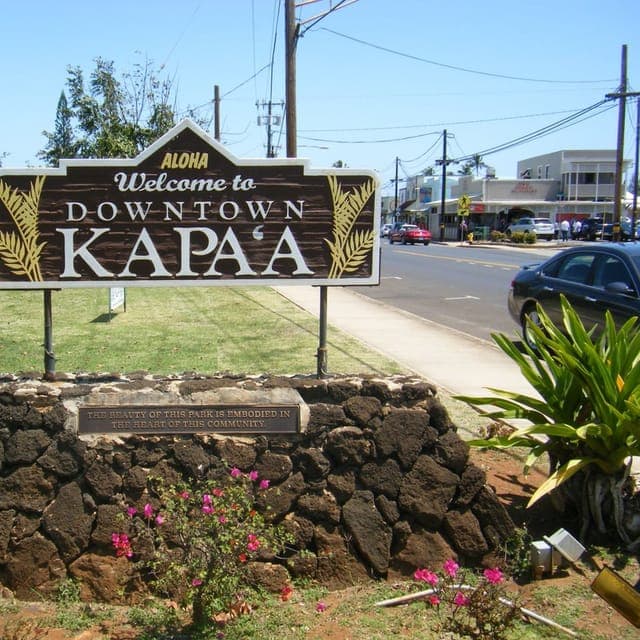
* Values derived from national, state, county, city and local statistics and may differ in a specific area. Last updated: 2026-05-15T21:56:32.000Z
Narrative content on this page is AI-generated and may contain mistakes. Verify any details that matter before acting on them.
ReloMaps may earn a commission from affiliate links at no extra cost to you.

