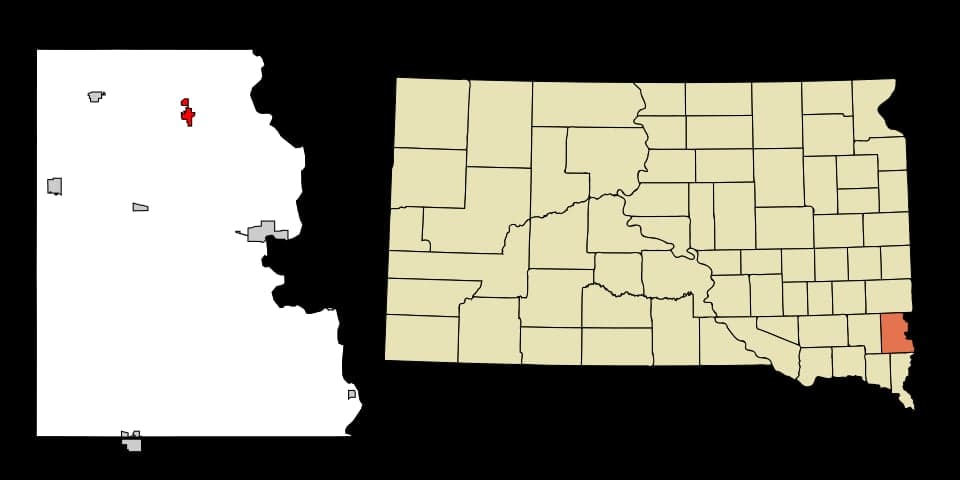
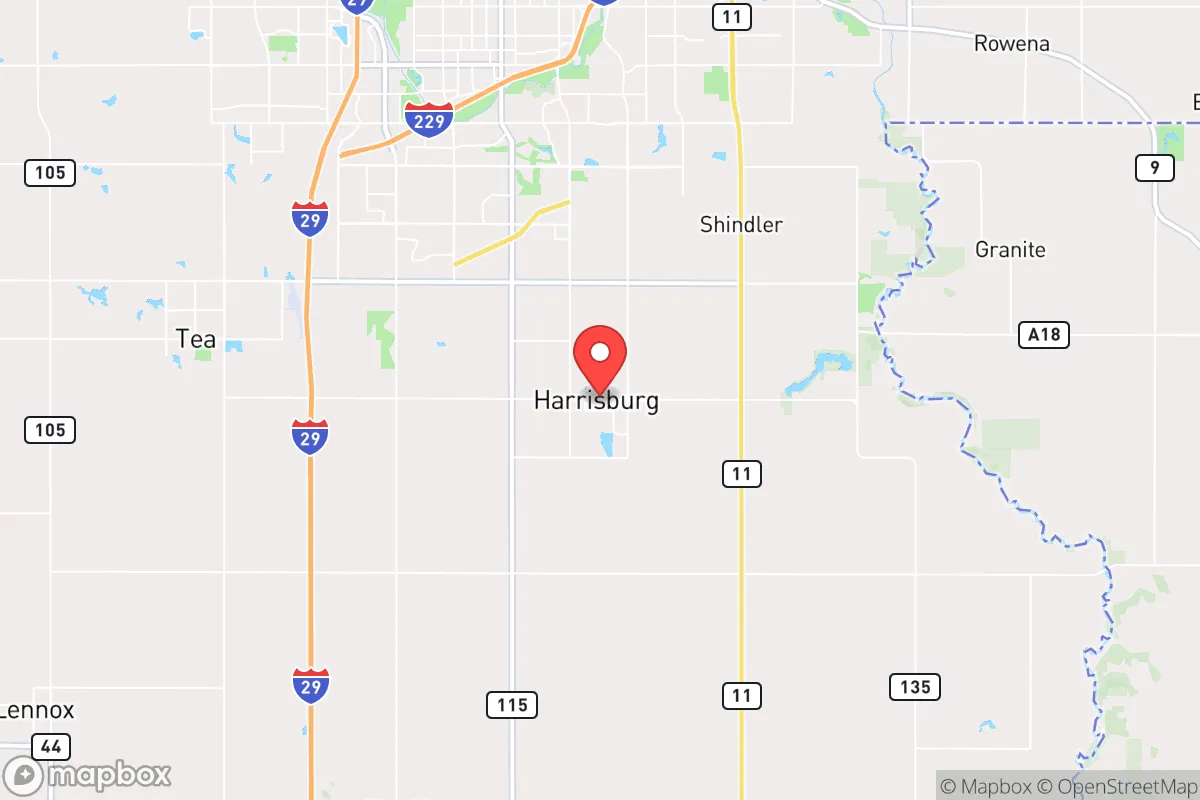
Photo: Wikipedia
Quality of Life in Harrisburg, SD
Above-average quality of iife. The area offers a reasonable cost of living, decent mobility, and a mix of neighborhood amenities.
What does Quality of Life tell us?
Quality of Life blends cost of living, nearby amenities, socioeconomic signals, and neighborhood character. City-level scores represent the whole municipality; individual neighborhoods can differ.
What does this tell us?
Quality of Life blends cost of living, nearby amenities, socioeconomic signals, and neighborhood character. City-level scores represent the whole municipality; individual neighborhoods can differ.
Cost of Living
10% above national average
The Real Cost of Living in Harrisburg, SD for 2026
| Tier | Individual | Family (4) |
|---|---|---|
| Survival | $22k | $40k |
| Comfortable | $55k | $80k |
| Luxury | $97k+ | $150k+ |
| Elite (Top 5%) | $114k+ | $177k+ |
126%
The Area Signal
A metric tracking the socioeconomic signals of the area.


Hobbies
Explore the areaGroceries
4 within 10 miles
Gas
0 within 10 miles
Hospital
3 within 20 miles
Airport
MCI — Kansas City International
Post Office
USPS — Sioux Falls, SD
Critical Amenities
Quality-of-Life Analysis
Harrisburg, South Dakota, is an affluent, fast-growing suburb of Sioux Falls that attracts families and professionals seeking newer housing, strong schools, and a lower cost of living than many other parts of the country. With a cost-of-living index of 110 (10% above the U.S. average), the area is more expensive than the rest of South Dakota but remains a relative bargain compared to major metro regions. The median home value of $281,400 and median rent of $1,349 reflect a community where the typical resident is a homeowner with above-average household income, often commuting into Sioux Falls for work or running a local small business.
Cost of living, housing, and affordability compared to Sioux Falls and the region
Harrisburg's cost-of-living index of 110 is notably higher than the South Dakota state average of roughly 95, but it still undercuts many comparable suburbs in the Upper Midwest. The median home value of $281,400 is about 15% higher than the Sioux Falls metro median of roughly $245,000, reflecting Harrisburg's newer housing stock and strong demand from families. Median rent of $1,349 is similarly elevated—about $150–$200 more per month than in central Sioux Falls—but still well below rents in cities like Denver or Minneapolis. Property taxes in Lincoln County are moderate, and South Dakota has no state income tax, which helps offset the higher housing costs. For buyers, the trade-off is clear: pay a premium for a newer home in a top-rated school district versus older, more affordable options in Sioux Falls proper or nearby towns like Tea or Canton.
Schools, amenities, and what daily life is like for families
Daily life in Harrisburg centers on the Harrisburg School District, which consistently ranks among the top in South Dakota for test scores and extracurricular offerings. The district's three elementary schools, one middle school, and one high school serve a student population that has doubled in the past decade. The average commute of 21 minutes is slightly longer than the Sioux Falls city average of 18 minutes, but still manageable—most residents drive west on 41st Street or Highway 42 into Sioux Falls for work at employers like Sanford Health, Avera Health, or Citibank. Local amenities include the Harrisburg Community Center, the Big Sioux River Recreation Area for fishing and kayaking, and the Harrisburg Farmers Market in summer. For shopping and dining, residents typically head to the 41st Street corridor in Sioux Falls, which offers big-box stores, chain restaurants, and the Empire Place shopping center. The town lacks a downtown core; instead, it has a suburban, car-dependent layout with newer subdivisions, strip malls, and a few local eateries like The Sandbar Grill. Parks are plentiful—the city maintains over a dozen, including the popular Family Park with splash pads and sports fields.
Families with school-aged children and professionals who work in Sioux Falls but want a newer, quieter home will thrive in Harrisburg. Retirees on fixed incomes may find the housing costs and property taxes a stretch, and singles or young renters might prefer the nightlife and walkability of downtown Sioux Falls. For those who prioritize top-rated schools, low crime rates, and a 21-minute commute to a major employment hub, Harrisburg offers a compelling quality-of-life package that justifies its above-average cost of living.

Crime in Harrisburg, SD
Generally safer than 61% of comparable U.S. locations.
Violent CrimeViolent Crime Analysis
Property CrimeProperty Crime Analysis
Crime Analysis
Harrisburg, South Dakota, reports a violent crime rate of 293.3 incidents per 100,000 residents and a property crime rate of 1,280.6 per 100,000, placing it in a middle tier for safety among Sioux Falls metro area suburbs. While these figures are not alarmingly high, they reflect a community that is not immune to crime, and the broader regional context—including the influence of Minnehaha County's justice system—warrants careful consideration for potential residents.
Crime in context
Harrisburg's violent crime rate of 293.3 per 100,000 is roughly 20% below the national average of approximately 370 per 100,000, but it sits notably higher than the South Dakota state average of about 240 per 100,000. The property crime rate of 1,280.6 per 100,000 is above both the national average (around 1,100) and the state average (roughly 1,000). This divergence suggests that while violent incidents are less common than in many U.S. cities, property offenses—such as theft, burglary, and vehicle break-ins—are a more pressing concern. The proximity to Sioux Falls, a growing metro area, introduces urban crime spillover effects, and the local justice environment in Minnehaha County is a factor. Progressive prosecutorial policies, including diversion programs and reduced sentencing for property crimes, have been implemented in the region, which can result in more offenders remaining on the street rather than being incarcerated. This approach, while aimed at reducing recidivism, may contribute to higher property crime rates as repeat offenders face fewer consequences.
What residents experience
For daily life in Harrisburg, the practical impact of these crime rates is mixed. Violent crime is rare enough that most residents do not feel directly threatened, but property crime is a tangible nuisance. Vehicle break-ins and package thefts are the most commonly reported incidents, particularly in neighborhoods near major commuter routes like Interstate 29. The city's rapid growth—Harrisburg's population has more than doubled since 2010—has strained local law enforcement resources, with the police department operating with fewer officers per capita than older, established suburbs. Residents often rely on neighborhood watch groups and private security systems for added protection. The progressive judicial philosophy in Minnehaha County, which includes a focus on rehabilitation over punishment for non-violent offenders, means that individuals caught stealing or committing minor property crimes may face short jail terms or probation, potentially emboldening repeat offenses. This creates a dynamic where the community feels the burden of a justice system that prioritizes offender outcomes over victim restitution and public safety.
Neighborhood-level variation in Harrisburg is modest but noticeable. Older, established subdivisions near the city's core tend to report fewer incidents, while newer developments on the outskirts—closer to unincorporated areas and with less police patrol density—see higher rates of property crime. The area around Harrisburg High School and the main commercial corridor along Cliff Avenue experiences more foot traffic and associated theft. Overall, while Harrisburg is not a high-crime city, the combination of above-average property crime rates and a progressive justice system that may not fully deter offenders means that residents should take proactive security measures and remain aware of their surroundings, especially in newer or less-patrolled neighborhoods.
* Values derived from national, state, county, city and local statistics and may differ in a specific area. Last updated: 2026-04-19T04:24:08.000Z
Narrative content on this page is AI-generated and may contain mistakes. Verify any details that matter before acting on them.
ReloMaps may earn a commission from affiliate links at no extra cost to you.

