Photo: Wikipedia
Personal Sovereignty in Hawaiian Paradise Park, HI
Self-reliance is harder here. Restrictive laws and challenging geography make a self-reliant lifestyle difficult to maintain.
What does Personal Sovereignty tell us?
Personal Sovereignty measures your capacity for self-reliance and independence with minimal government friction. Higher scores mean fewer barriers between you and the way you want to live... but it assumes you have the space you need and good neighbors.
What does this tell us?
Personal Sovereignty measures your capacity for self-reliance and independence with minimal government friction. Higher scores mean fewer barriers between you and the way you want to live... but it assumes you have the space you need and good neighbors.
State Policy
Energy independence: Importer (2% of energy produced in-state)
Personal Liberty
Homesteading

Personal Liberty Analysis
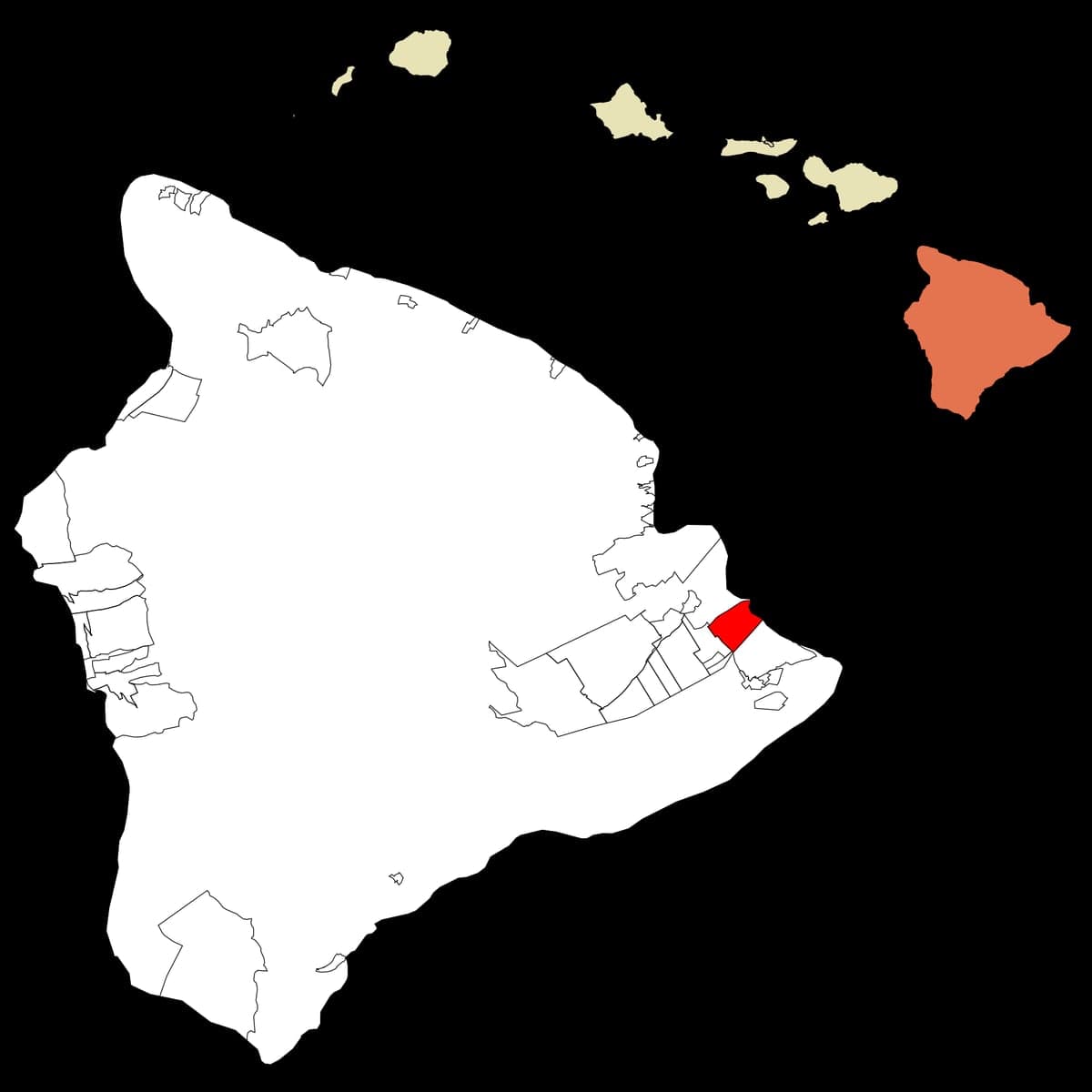
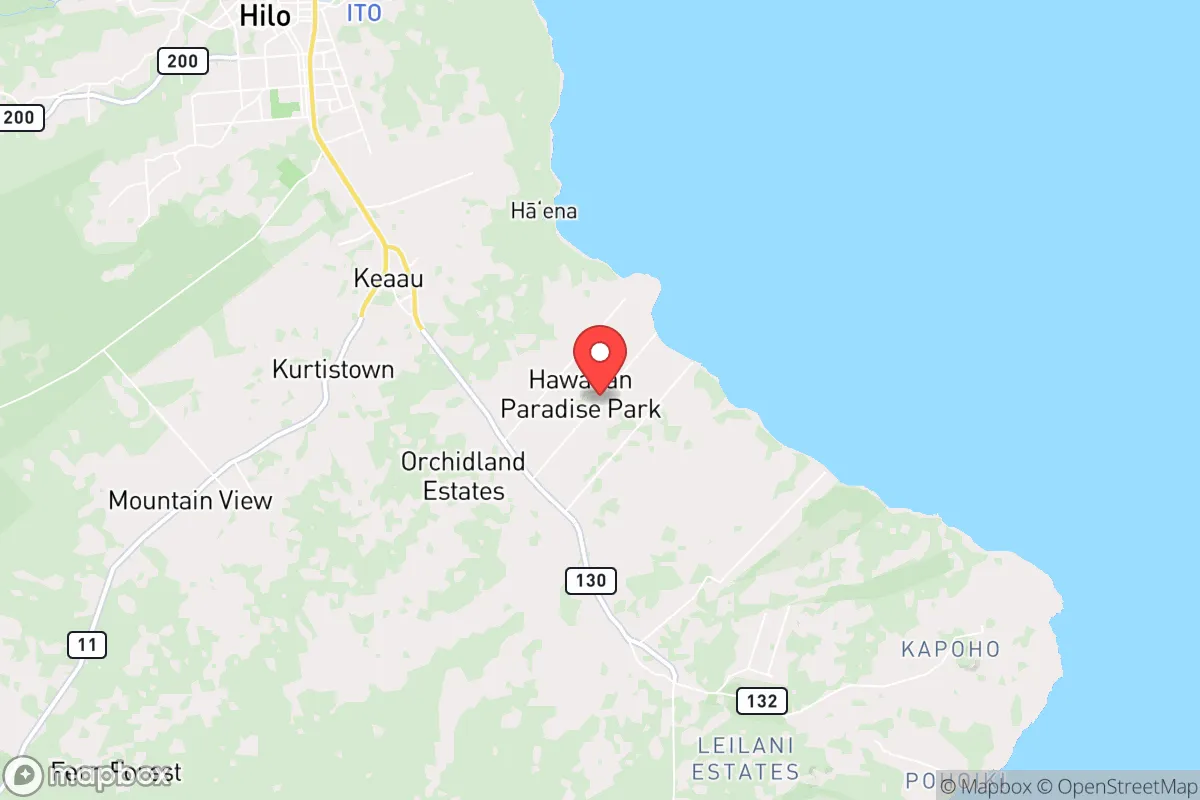
Hawaiian Paradise Park offers a unique but complex environment for personal sovereignty, where the promise of rural self-reliance collides with Hawaii's deeply entrenched state-level bureaucracy. While the subdivision’s large lots and off-grid culture attract those seeking autonomy, the reality is that Big Island governance—from county zoning to state health mandates—imposes significant constraints on individual freedom. For a conservative or survivalist-minded individual, this is not a libertarian paradise but a trade-off: you gain physical space and distance from urban centers, but you lose the legal and regulatory latitude found in mainland states like Texas or Idaho. The key is understanding that personal sovereignty here is exercised in spite of the system, not because of it.
Tax burden and regulatory posture: what you pay and what you can do
Hawaii’s tax climate is a major drag on personal sovereignty. The state has a combined state and local tax burden that ranks among the highest in the nation, with a progressive income tax topping out at 11% and a general excise tax (GET) of 4% that applies to nearly every transaction, including groceries and rent. For a prepper focused on financial independence, this means every dollar earned or spent is heavily taxed. Property taxes in Hawaiian Paradise Park are relatively low compared to the mainland—around 0.5% of assessed value—but the trade-off is that the county and state impose strict permitting and building codes. Unpermitted structures, even on your own land, are routinely targeted for fines or demolition, and the county’s planning department has a reputation for slow, costly approvals. The regulatory posture is one of top-down control: you cannot simply build a cabin, dig a well, or install a septic system without navigating a thicket of permits, inspections, and environmental reviews. This is not a jurisdiction that trusts residents to manage their own property.
Self-defense and gun law specifics: what you can and cannot keep
Hawaii’s gun laws are among the most restrictive in the United States, and Hawaiian Paradise Park is no exception. The state requires a permit to acquire any firearm, a registration for each gun, and a license to carry (which is rarely issued for open or concealed carry). As of 2026, the "may-issue" framework for concealed carry remains effectively prohibitive outside of specific professional exemptions. Magazine capacity is limited to 10 rounds, and certain semi-automatic rifles are banned by name. For a survivalist mindset, this is a critical vulnerability: self-defense options are legally constrained, and the state’s firearm registry creates a paper trail that could be used against gun owners in a future confiscation scenario. Stand-your-ground laws do not exist in Hawaii; the duty to retreat is codified, even in your own home. The practical takeaway is that while you can own firearms, the process is expensive, time-consuming, and subject to political shifts. Stockpiling ammunition or building a defensive arsenal is legally risky, and the local police in Puna are not known for being gun-friendly. If self-defense is a priority, this area ranks poorly compared to mainland alternatives.
Self-reliance and homesteading viability: lot sizes, zoning, and off-grid feasibility
This is where Hawaiian Paradise Park shines for the self-reliant. The subdivision is zoned for agricultural and residential use on lots typically ranging from 1 to 3 acres, with many parcels still undeveloped and covered in ohia forest. Zoning allows for farming, livestock (chickens, goats, pigs), and limited commercial activity like roadside stands. Off-grid living is not just possible but common: many residents rely on rainwater catchment for water, solar panels for electricity, and composting toilets or septic systems. No municipal water or sewer lines exist in most of the subdivision, so you are forced to be self-sufficient from day one. The county does not actively enforce building codes on unpermitted "ohana" (secondary) dwellings unless a complaint is filed, creating a gray area for those who want to build cheaply. However, the trade-off is that the land itself is challenging: lava rock soils require amendment for gardening, invasive species like coqui frogs and albizia trees are constant battles, and the wet climate means mold and rot are perpetual issues. For a prepper, the viability is real but labor-intensive. You can grow food, harvest rainwater, and generate power, but it requires significant sweat equity and a tolerance for living outside the regulatory comfort zone.
Personal liberties: parental rights, medical autonomy, speech, and property
Hawaii’s state government has a strong record of intervening in personal and family matters, which is a red flag for those prioritizing parental rights and medical autonomy. The state mandates comprehensive sex education in public schools, has broad vaccine requirements for school attendance (with limited religious exemptions), and maintains a centralized health department that can impose quarantine or masking orders without local input. During the COVID-19 pandemic, Hawaii had some of the longest-lasting travel restrictions and business closures in the nation, reflecting a top-down approach to public health that many conservatives view as overreach. Parental rights are not explicitly protected in the state constitution, and the Department of Human Services has broad authority to investigate child welfare cases. On property rights, the county’s strict enforcement of vacation rental permits and short-term rental bans limits how you can use your land for income. Free speech is protected under the First Amendment, but the state’s political culture is overwhelmingly progressive, meaning conservative viewpoints—especially on firearms, vaccines, or land use—can face social ostracism. This is not a place where you can easily homeschool without scrutiny or refuse medical mandates without legal pushback. The autonomy you gain in physical space is offset by a loss of legal and cultural freedom.
Overall, Hawaiian Paradise Park offers a mixed sovereignty profile that demands careful trade-offs. The large lots, off-grid infrastructure, and agricultural zoning provide a genuine foundation for self-reliance, but the state’s high taxes, restrictive gun laws, and interventionist regulatory culture create constant friction. For a survivalist or prepper, this area is best suited for those who are willing to operate in the gray zones—building without permits, living off-grid without official approval, and keeping a low political profile. Compared to mainland states like Alaska, Montana, or New Hampshire, Hawaiian Paradise Park ranks lower in overall personal sovereignty due to the state’s centralized control and progressive legal framework. However, for someone who values the isolation, climate, and land affordability of the Big Island, it remains one of the more autonomous places within Hawaii itself—provided you are prepared to fight for every inch of freedom you carve out.

* Values derived from national, state, county, city and local statistics and may differ in a specific area. Last updated: 2026-04-24T14:29:44.000Z
Narrative content on this page is AI-generated and may contain mistakes. Verify any details that matter before acting on them.
ReloMaps may earn a commission from affiliate links at no extra cost to you.

