Photo: Wikipedia
Find The Best Places To Live
in Hawaiian Paradise Park
PRO TIP! You can paste a Zillow or Redfin link to get info on that property.
What It's Like Living in Hawaiian Paradise Park, HI
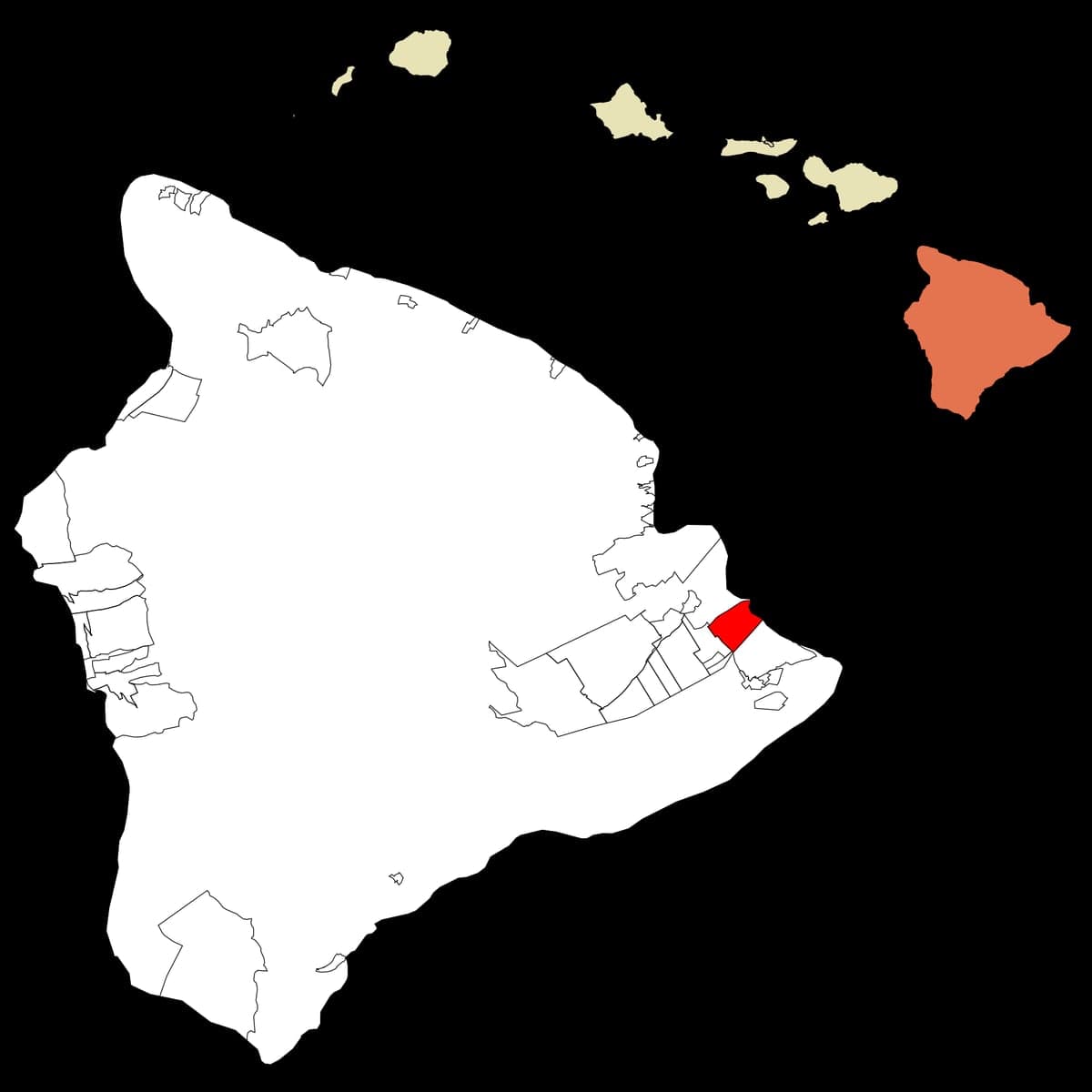
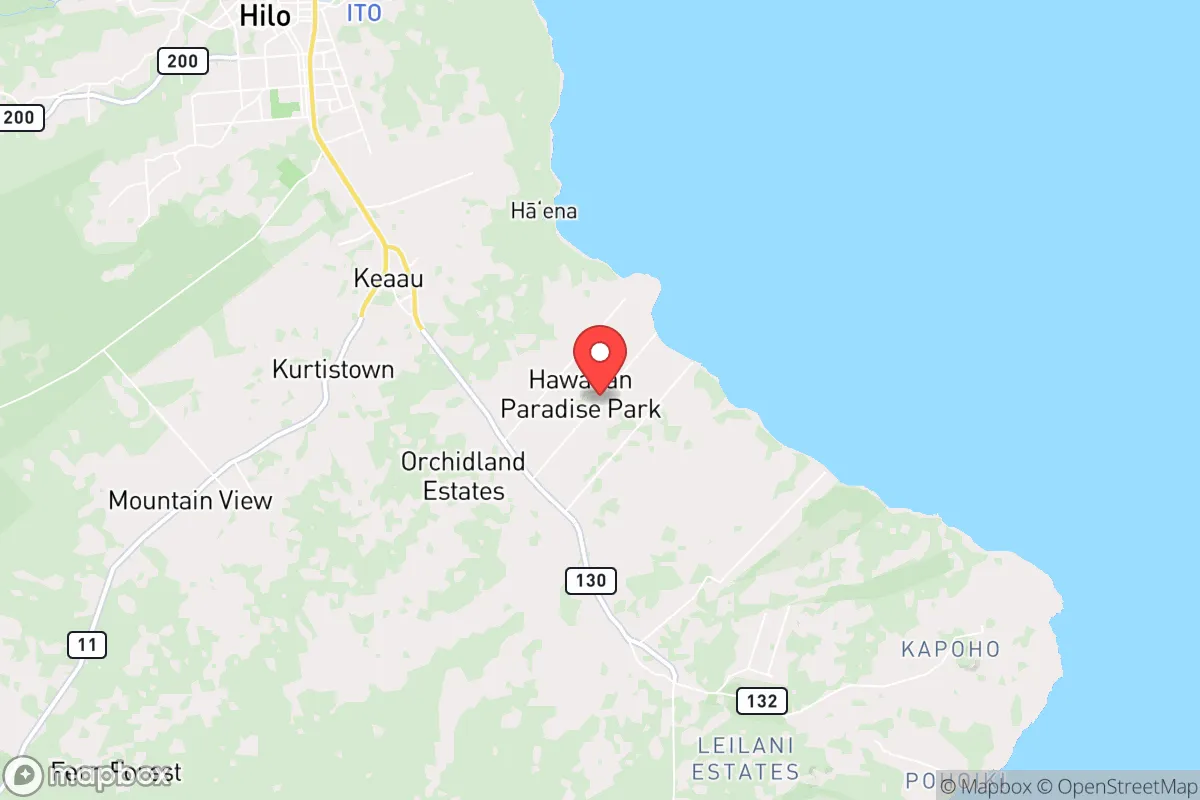
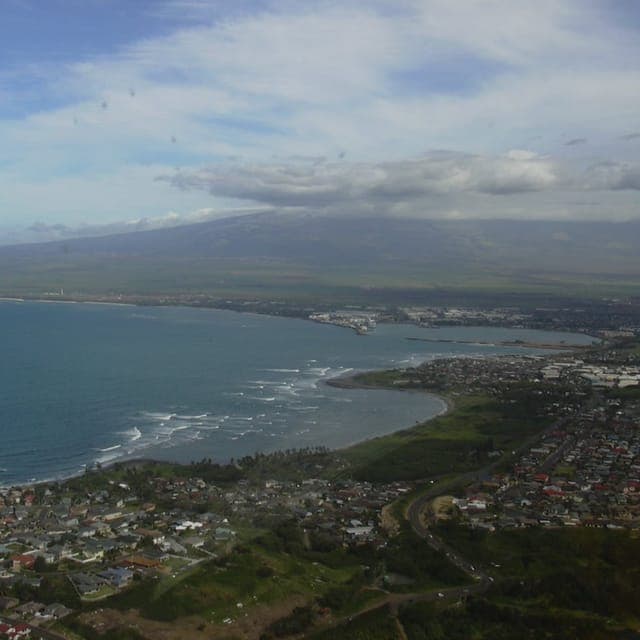
Hawaiian Paradise Park isn’t a manicured resort town or a tourist hub—it’s a sprawling, unincorporated community of roughly 13,300 people on the Big Island’s Puna district, where life moves at a slower, more self-reliant pace. Locals call it HPP for short, and the vibe is a mix of rural homesteaders, remote workers, and families who chose this patch of lava fields and ohia forests for the space and the quiet. If you’re looking for a place where you can have a few acres, hear coqui frogs at night, and not see your neighbors unless you want to, this might be your spot.
The Daily Rhythm: Self-Reliance and Slow Mornings
Most days in HPP start with the sound of birds and the occasional rooster. People here spend their mornings tending to gardens, walking dogs on the unpaved roads, or sipping coffee on a lanai while the humidity lifts. The median age is 41.2, which skews a bit older than the rest of the island, and the median household income of $81,892 is solidly middle-class for Hawaii—enough to afford the median home value of $413,800, which is actually reasonable by island standards. About 23.8% of residents hold a college degree, so you’ll find a mix of tradespeople, nurses, teachers, and folks who work remotely in tech or creative fields.
Grocery shopping means a trip to the Keaau town center or the Hilo Safeway, about 20 minutes north. The average commute is 33.5 minutes, and that’s mostly one road—Highway 130—which can feel like a lifeline and a bottleneck. Weekend errands often double as social outings: you’ll run into neighbors at the Keaau Farmers Market or grab plate lunches at the L&L Drive-Inn. There’s no downtown HPP, no main street—just a grid of roads (many unpaved) and clusters of homes tucked into the jungle. That’s the trade-off for the privacy.
Sports, Community, and What People Do for Fun
High school sports are a genuine community anchor here. Keaau High School’s football and volleyball games draw decent crowds, especially when rival Pahoa comes to town. There’s no pro team on the Big Island, but locals follow the University of Hawaii at Hilo Vulcans and the Rainbow Warriors with quiet loyalty. On weekends, you’re more likely to find people at the beach than in a stadium. MacKenzie State Recreation Area and Isaac Hale Beach Park are the go-to spots for swimming, tide pooling, and camping—though the latter is still recovering from the 2018 Kilauea eruption that reshaped the coastline.
For entertainment, Hilo is the nearest hub, about 25 minutes away. There you’ll find the Hilo Town Tavern for live music and karaoke, and the Palace Theater for indie films. The biggest annual event is the Merrie Monarch Festival in Hilo each spring—a week-long hula competition that draws visitors from across the globe. In HPP itself, the social scene is low-key: potlucks, bonfires at the beach, and the occasional block party on the unpaved roads. The cost of living index is 123—23% above the national average—so eating out is a treat, not a habit. Locals love the Pahoa Village Café for breakfast and the Hilo Burger Joint for a reliable cheeseburger.
Pros and Cons: What Longtime Residents Love and What Frustrates Them
What people love: The space. You can own a few acres of land, grow mango and avocado trees, and have a workshop or a horse paddock. The weather is warm year-round (70s to 80s), with afternoon trade winds keeping the humidity bearable. The community is genuinely neighborly—people wave, share produce, and watch out for each other. The violent crime rate is 200.2 per 100,000, which is slightly above the national average but mostly property-related; most residents feel safe, though they lock their cars and keep dogs.
What frustrates them: The commute. Highway 130 is the only artery, and it gets clogged during school drop-off and after work. The road infrastructure is aging, and some streets in HPP are still unpaved, which means dust in dry months and mud in wet ones. The 2018 eruption closed parts of the coast and rerouted traffic, and some lots near the lava zone are still hard to insure. The median age of 41.2 means fewer young families with kids than you’d find in a mainland suburb, and the schools—Keaau Elementary and Keaau Middle/High—are adequate but not top-tier. Parents often supplement with after-school programs or homeschooling groups.
Cultural Quirks and Practical Realities
HPP has a distinct identity: it’s a place where off-grid living meets modern convenience. You’ll see solar panels on half the roofs, rainwater catchment tanks, and composting toilets alongside fiber-optic internet. The Puna district has a strong DIY ethos—people fix their own cars, build their own sheds, and trade skills rather than cash. There’s also a noticeable libertarian streak; residents value personal freedom and tend to be skeptical of government overreach. That aligns well with a conservative-leaning audience: you won’t find many HOAs telling you what color to paint your house.
Weather-wise, HPP is on the rainy side of the island. Expect frequent showers, especially at night, and lush green vegetation year-round. The dry season (May to October) brings more sun and lower humidity. Seasonal rhythms are subtle—no snow, no fall colors—but the flowering of the ohia lehua trees and the arrival of humpback whales offshore mark the turning of the year. Traffic is worst on Friday afternoons heading into Hilo and Sunday evenings coming back. If you work from home or have a flexible schedule, the commute is manageable. If you’re a daily commuter to Hilo or Kona (90 minutes one way), it wears on you.
For the right person, HPP offers a rare combination: affordable land, a tight-knit community, and the freedom to live on your own terms. It’s not for everyone—the rain, the distance from big-city amenities, and the occasional volcanic uncertainty are real trade-offs. But for those who value space, self-reliance, and a slower pace, it’s hard to beat.

Similar towns to Hawaiian Paradise Park


* Values derived from national, state, county, city and local statistics and may differ in a specific area. Last updated: 2026-04-24T14:29:44.000Z
Narrative content on this page is AI-generated and may contain mistakes. Verify any details that matter before acting on them.
ReloMaps may earn a commission from affiliate links at no extra cost to you.

