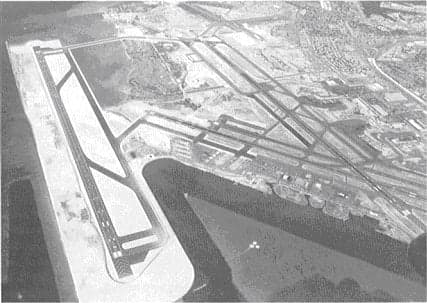
Photo: Wikipedia
Personal Sovereignty in Hickam Housing, HI
Moderate friction. Expect trade-offs in some aspect of personal liberty and independence.
What does Personal Sovereignty tell us?
Personal Sovereignty measures your capacity for self-reliance and independence with minimal government friction. Higher scores mean fewer barriers between you and the way you want to live... but it assumes you have the space you need and good neighbors.
What does this tell us?
Personal Sovereignty measures your capacity for self-reliance and independence with minimal government friction. Higher scores mean fewer barriers between you and the way you want to live... but it assumes you have the space you need and good neighbors.
State Policy
Energy independence: Importer (2% of energy produced in-state)
Personal Liberty
Homesteading

Personal Liberty Analysis
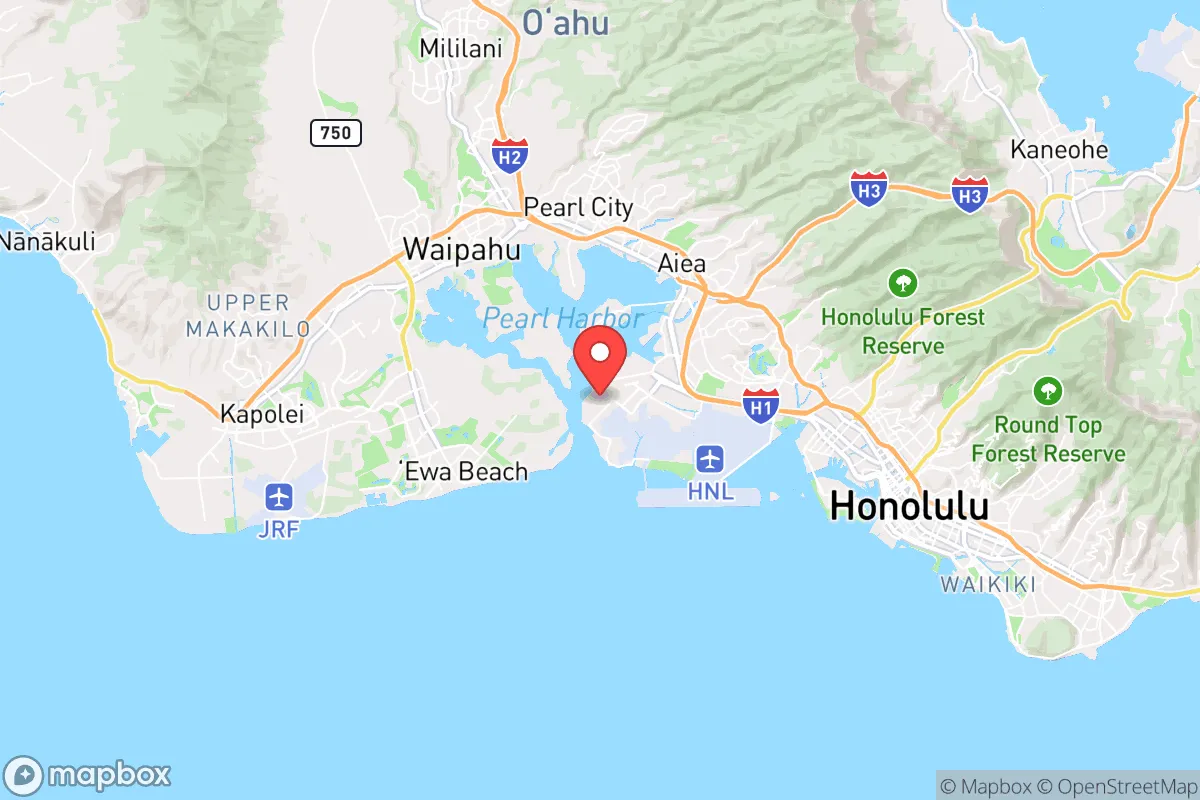
Hickam Housing, located on the island of Oahu within the City and County of Honolulu, presents a uniquely constrained environment for personal sovereignty. As a military housing area on a densely populated island, the autonomy of residents is heavily shaped by federal and state regulations, geographic isolation, and a high cost of living. For those with a survivalist or prepper mindset, the sobering reality is that Hawaii’s state-level policies—combined with the logistical challenges of island life—significantly limit individual freedom compared to mainland alternatives. While the military community offers some structural stability, the overarching regulatory and tax climate in Hawaii creates a low-sovereignty environment that demands careful strategic consideration.
Tax burden and regulatory posture: How Hawaii’s policies affect your autonomy
Hawaii’s tax burden is among the highest in the nation, directly impacting financial sovereignty for residents of Hickam Housing. The state imposes a general excise tax (GET) of 4% on nearly all goods and services, including groceries and medical supplies, which effectively acts as a hidden sales tax. Property taxes are relatively low for owner-occupied homes (around 0.3% of assessed value), but the median home price on Oahu exceeds $1 million, making homeownership a distant goal for most. Income taxes are progressive, with a top marginal rate of 11% on earnings over $200,000. For military personnel, Basic Allowance for Housing (BAH) is not taxed, but state income tax still applies to other earnings. The regulatory environment is equally restrictive: Hawaii has some of the nation’s strictest land-use laws, building codes, and environmental regulations. Permitting for even minor home improvements can take months, and the state’s rent control and tenant-friendly laws limit property rights for landlords. For preppers, this means that building a self-sufficient homestead or even a secure workshop is heavily bureaucratized, reducing the ability to act independently on your own property.
Self-defense and gun law specifics: What you need to know about carrying and owning firearms
Hawaii’s gun laws are among the most restrictive in the United States, severely curtailing the right to self-defense. The state requires a permit to purchase a firearm, a registration for all firearms, and a license to carry a concealed weapon (CCW). As of 2024, following the Bruen decision, Hawaii now issues CCW permits on a “shall-issue” basis, but the process remains arduous: applicants must complete a 16-hour training course, pass a background check, and pay fees exceeding $200. Even then, carrying a firearm in many public places—including beaches, parks, and government buildings—is prohibited. Open carry is effectively banned. Magazine capacity is limited to 10 rounds, and assault weapons (as defined by state law) are banned. For survivalists, this means that self-defense options are heavily constrained. The state’s high cost of living also makes it difficult to stockpile ammunition or maintain a robust armory. While military personnel may store firearms on base under strict regulations, off-base ownership is subject to the same state laws. In a crisis scenario, the ability to defend your home or family is significantly limited compared to states like Texas or Arizona.
Self-reliance and homesteading viability: Lot sizes, zoning, and off-grid feasibility
Hickam Housing itself is a planned military community with small lots, typically 5,000 to 7,000 square feet, and strict homeowners’ association (HOA) rules that prohibit livestock, extensive gardening, or any structural modifications without approval. Off-grid living is virtually impossible within the housing area due to utility connections and base regulations. Even off-base, Oahu’s zoning laws are highly restrictive: agricultural zoning requires a minimum of 1 acre for livestock, and most residential lots are under 10,000 square feet. Rainwater catchment is legal but regulated, and solar panel installation requires permits and grid-tie agreements with Hawaiian Electric. The island’s isolation means that 90% of food and 80% of energy are imported, making self-reliance a logistical nightmare. For preppers, the high cost of land (often $1 million+ per acre in desirable areas) and the lack of off-grid infrastructure mean that true homesteading is not feasible. The best one can do is maintain a small vegetable garden and store supplies, but long-term sustainability is heavily dependent on the fragile supply chain.
Personal liberties: Parental rights, medical autonomy, speech, and property
Hawaii’s progressive governance extends to personal liberties, often at odds with conservative values. Parental rights are relatively strong in education—parents can opt out of certain curricula and homeschool with minimal oversight—but the state mandates comprehensive sex education and requires vaccination for school attendance (with limited medical exemptions). Medical autonomy is constrained: Hawaii has strict vaccine mandates for healthcare workers and schoolchildren, and the state’s COVID-19 policies were among the most aggressive in the nation, including prolonged lockdowns and travel quarantines. Free speech is protected under the First Amendment, but the state has enacted laws against “hate speech” and “misinformation” that some argue chill political expression. Property rights are weak: the state has a history of using eminent domain for development, and the Land Use Commission can rezone property without owner consent. For those valuing individual liberty, the cumulative effect is a high degree of government overreach into daily life, from what you can teach your children to how you can use your land.
Overall, Hickam Housing offers a low-sovereignty environment compared to most mainland locations. The combination of high taxes, restrictive gun laws, limited homesteading potential, and progressive social policies creates a setting where personal autonomy is heavily circumscribed by state and federal authority. For military families, the base provides some stability and community, but the broader Hawaiian context is one of regulatory density and high cost that stifles self-reliance. If personal sovereignty is a top priority—especially for preppers or those concerned about government overreach—relocating to a state with lower taxes, looser gun laws, and more land availability (such as Idaho, Montana, or Texas) would offer a far more favorable strategic position. Hickam Housing is best viewed as a temporary assignment, not a long-term base for building an independent life.

* Values derived from national, state, county, city and local statistics and may differ in a specific area. Last updated: 2026-04-24T06:07:27.000Z
Narrative content on this page is AI-generated and may contain mistakes. Verify any details that matter before acting on them.
ReloMaps may earn a commission from affiliate links at no extra cost to you.

