Photo: Wikipedia
Quality of Life in Hickam Housing, HI
A high quality of life with strong walkability, manageable living costs, healthy neighborhood signals, and solid amenity access.
What does Quality of Life tell us?
Quality of Life blends cost of living, nearby amenities, socioeconomic signals, and neighborhood character. City-level scores represent the whole municipality; individual neighborhoods can differ.
What does this tell us?
Quality of Life blends cost of living, nearby amenities, socioeconomic signals, and neighborhood character. City-level scores represent the whole municipality; individual neighborhoods can differ.
Cost of Living
201% above national average
The Real Cost of Living in Hickam Housing, HI for 2026
| Tier | Individual | Family (4) |
|---|---|---|
| Survival | $29k | $54k |
| Comfortable | $55k | $81k |
| Luxury | $119k+ | $184k+ |
| Elite (Top 5%) | $140k+ | $216k+ |
139%
The Area Signal
A metric tracking the socioeconomic signals of the area.
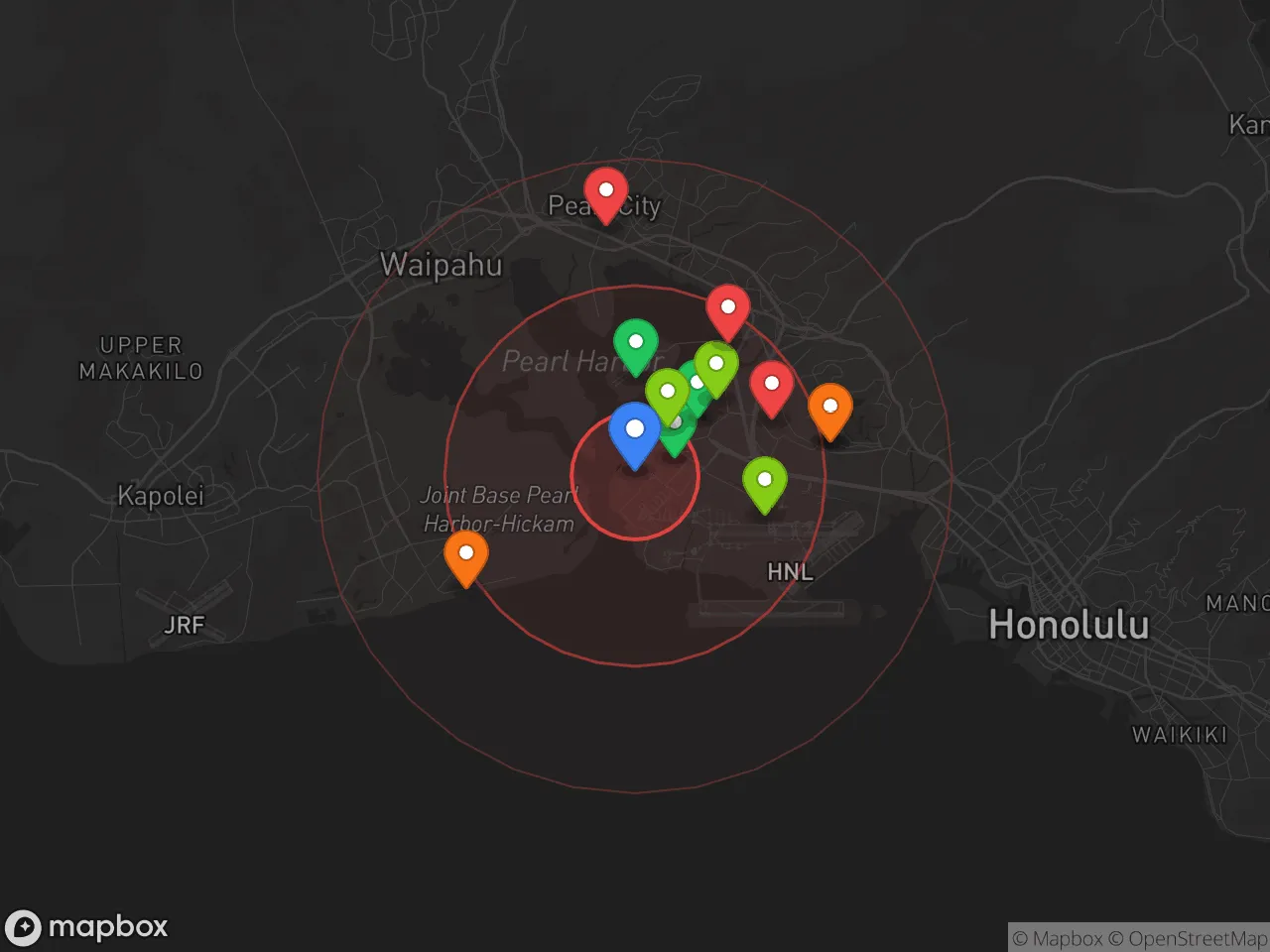
Hobbies
Explore the areaGroceries
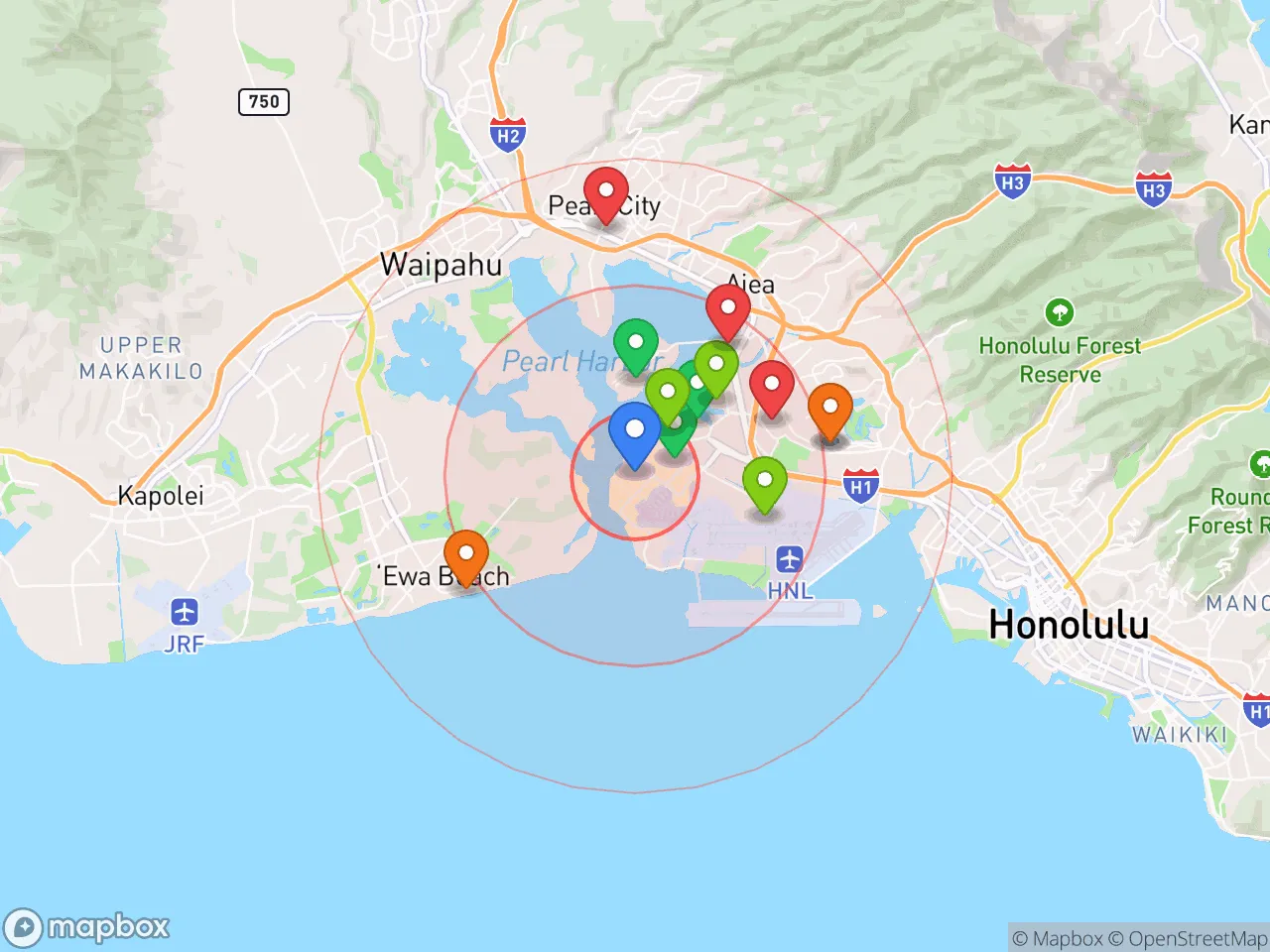
5 within 10 miles
Gas
20 within 10 miles
Hospital
15 within 20 miles
Airport
Daniel K. Inouye International Airport
Post Office
USPS — Honolulu, HI
Critical Amenities
Quality-of-Life Analysis
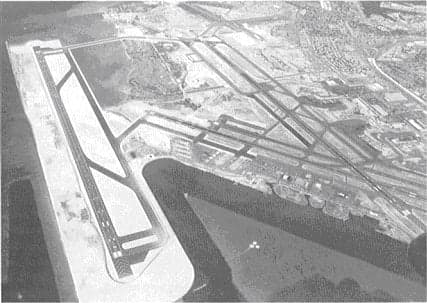
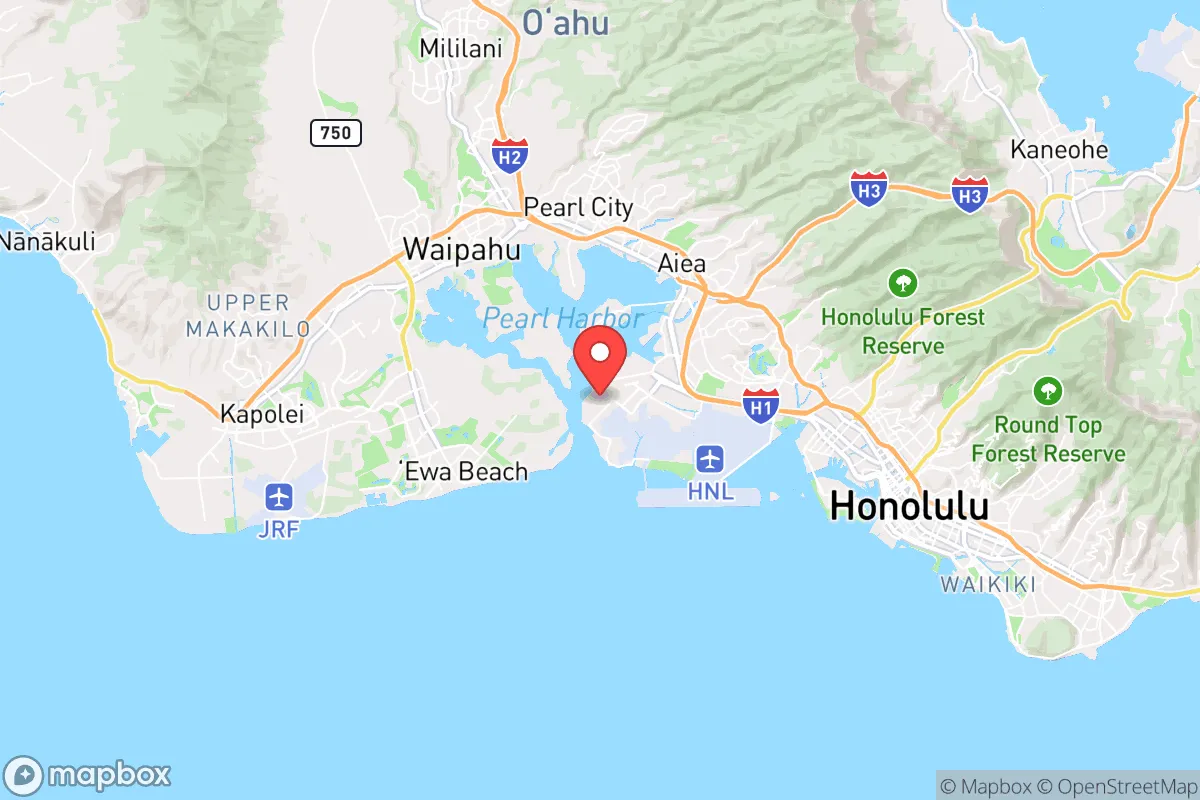
Hickam Housing, located on the island of Oahu adjacent to Joint Base Pearl Harbor-Hickam, is an affluent, master-planned military community with a cost of living index of 301—three times the U.S. average. The population is overwhelmingly composed of active-duty service members, Department of Defense civilians, and their families, creating a transient but tightly-knit neighborhood where stability and security are the norm. With a median home value of $808,200 and median rent of $3,501, the area is among the most expensive in Hawaii, yet it offers a unique blend of suburban comfort and direct base access that civilian Honolulu neighborhoods cannot match.
Cost of living, housing, and affordability compared to nearby Honolulu
Hickam Housing’s cost of living index of 301 is roughly 30% higher than the already elevated Honolulu metro average of around 230, driven almost entirely by housing. The median home value of $808,200 is comparable to upscale Oahu neighborhoods like Kailua ($950,000) but significantly higher than the island-wide median of $680,000. Rents are equally steep: the median of $3,501 for a single-family home is about 15% above the average for similar properties in nearby Aiea or Pearl City. However, most residents receive a Basic Allowance for Housing (BAH) that covers the full rent or mortgage, effectively insulating military families from the sticker shock. For civilians, affordability is a major barrier—a household would need an annual income exceeding $140,000 to comfortably afford the median rent, a threshold few non-military jobs on Oahu meet. The average commute of 26.4 minutes is notably shorter than the Honolulu metro average of 32 minutes, thanks to direct base access and proximity to the H-1 freeway.
Amenities, schools, and what daily life is like for families
Daily life in Hickam Housing revolves around the base’s extensive amenities: a commissary, exchange, multiple fitness centers, golf course, and the Hickam Beach Park with direct shoreline access. The neighborhood is walkable and bike-friendly, with wide, tree-lined streets and low traffic compared to Honolulu proper. Schools are a strong draw—children attend Hickam Elementary School (rated 8/10 on GreatSchools) and Moanalua High School (a National Blue Ribbon School), both on or adjacent to the base. The area lacks commercial nightlife, but the nearby Aloha Stadium Marketplace and Pearlridge Center provide shopping and dining within a 10-minute drive. For families, the rhythm is predictable: school drop-offs, after-school sports at the base youth center, weekend beach trips, and frequent community events like the Hickam Air Show. The transient population means residents are accustomed to making new friends quickly, and the base’s security checkpoint creates a genuine sense of safety—property crime rates here are roughly 60% lower than the Honolulu county average.
Hickam Housing is ideal for military families and DoD civilians who value short commutes, excellent schools, and a secure, amenity-rich environment. It is less suited for civilians seeking affordable housing or vibrant urban nightlife. For those with BAH or a high dual-income household, the trade-off of high costs for unmatched convenience and quality of life is a clear winner. The community’s stability and support networks make it one of the most desirable military housing areas in the Pacific, even if the price tag would be prohibitive for most non-military residents.

Crime in Hickam Housing, HI
Generally safer than 64% of comparable U.S. locations.
Violent CrimeViolent Crime Analysis
Property CrimeProperty Crime Analysis
Crime Analysis
Hickam Housing, located on Joint Base Pearl Harbor-Hickam in Honolulu County, presents a unique safety profile shaped by its status as a military installation. The community's violent crime rate of 200.2 per 100,000 residents is notably lower than the national average, reflecting the controlled access and military law enforcement presence on base. However, the property crime rate of 1,586.9 per 100,000 residents is elevated, driven largely by vehicle break-ins and thefts common in high-traffic military housing areas.
Crime in context
Hickam Housing's violent crime rate sits well below the U.S. average of approximately 380 per 100,000, and is also lower than Honolulu's citywide rate of roughly 270 per 100,000. The property crime rate, however, exceeds both the national average (around 1,950 per 100,000) and the Honolulu average (approximately 3,100 per 100,000). This pattern is typical for military housing: fewer violent confrontations but higher opportunistic theft due to transient populations and unsecured vehicles. The base's military police and security checkpoints provide a deterrent against violent crime that civilian neighborhoods lack.
What residents experience
Residents of Hickam Housing report that the most common safety concerns are property-related, such as packages stolen from doorsteps and unlocked cars rummaged through overnight. Violent incidents are rare and typically involve domestic disputes or altercations among service members, not random attacks on civilians. The presence of the 647th Security Forces Squadron provides 24/7 patrols and rapid response, which contributes to a general sense of security during daytime and evening hours. However, the base's proximity to Honolulu's urban core means that off-base crime trends—including vehicle thefts and burglaries—can spill into the housing areas, particularly near the main gate.
Neighborhood-level variation
Safety within Hickam Housing varies by location. The older, tree-lined neighborhoods near the Hickam Officers' Club and the historic flight line tend to have lower incident rates due to higher visibility and more established community watch efforts. In contrast, the newer, denser housing clusters near the base's main entrance and the Pearl Harbor side see more property crime, as they are closer to public transit stops and have higher foot traffic from non-residents. Residents are advised to always lock vehicles and secure bicycles, as these are the most frequently targeted items. The base's military justice system, which operates under the Uniform Code of Military Justice, ensures swift consequences for offenders, but the broader Honolulu County justice system—influenced by progressive prosecutorial policies—can result in lighter sentences for civilian offenders who commit crimes on base property, a factor that concerns some residents.
* Values derived from national, state, county, city and local statistics and may differ in a specific area. Last updated: 2026-04-24T06:07:27.000Z
Narrative content on this page is AI-generated and may contain mistakes. Verify any details that matter before acting on them.
ReloMaps may earn a commission from affiliate links at no extra cost to you.

