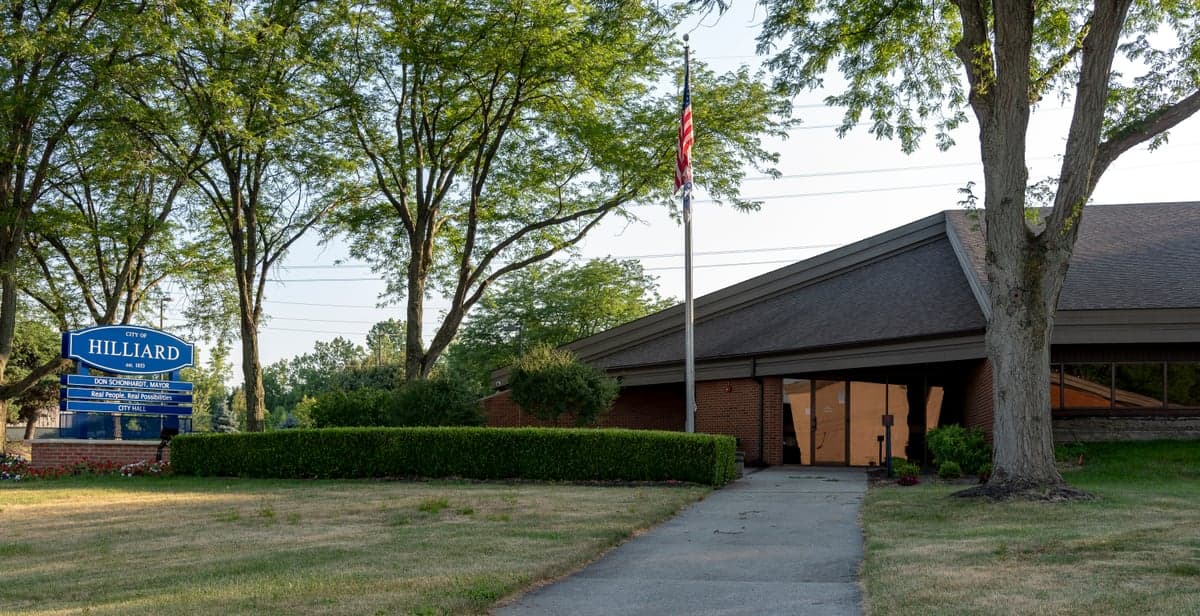
Photo: Wikipedia
Political ClimatePolitical Climate in Hilliard, OH
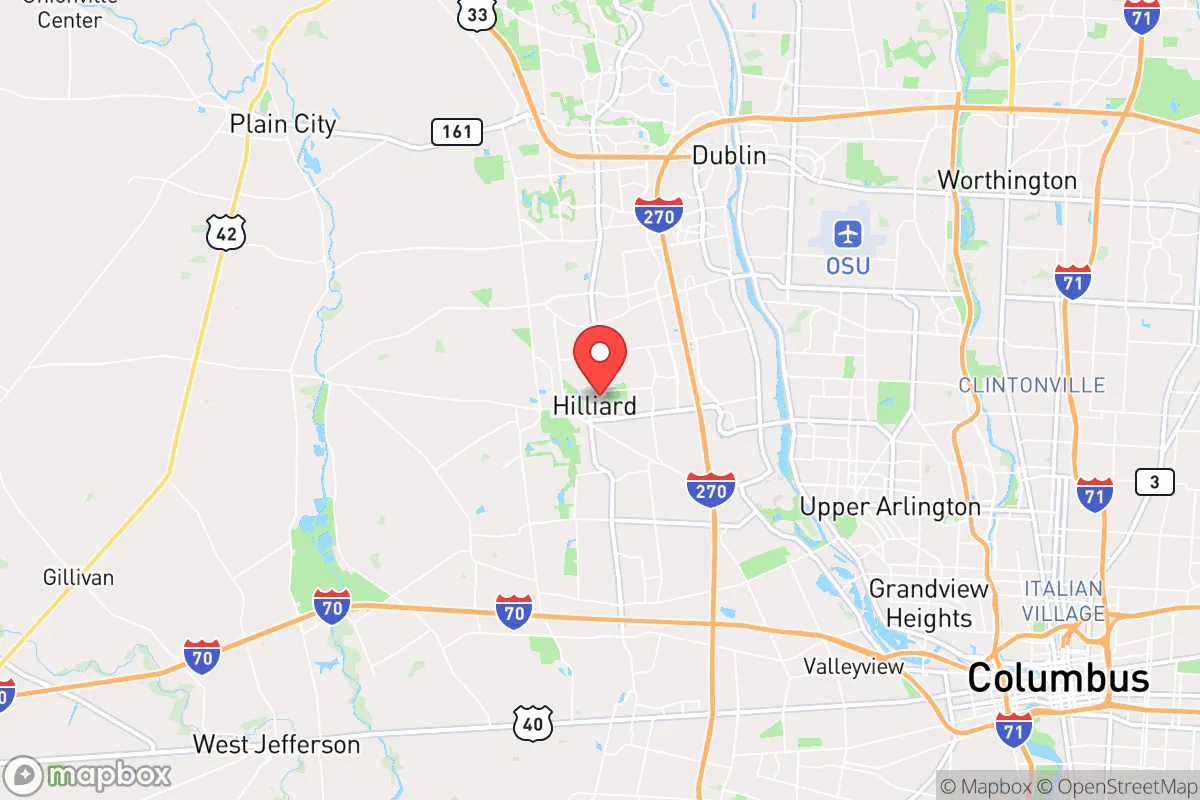
District shown is the primary district for this city’s centroid. Cities may span multiple districts.
Local Political AnalysisPolitical Analysis of Hilliard, OH
Hilliard, Ohio, sits in a politically interesting spot. The Cook PVI rating of R+4 tells you the district leans Republican, but it’s not a deep-red stronghold like some of the more rural counties to the west. Over the last decade or so, I’ve watched this town shift from a reliably conservative suburb into something more contested. You still see plenty of Trump signs in yards during election season, but you also see a growing number of progressive flags and yard signs for local Democrats. The trajectory feels like it’s drifting left, especially among newer residents moving in from Columbus proper or from out of state. It’s not a dramatic swing yet, but the trend is noticeable if you’ve been here a while.
How it compares
Drive ten minutes east into Columbus, and you’re in a solidly blue city—Cook PVI around D+20 or more. That contrast is sharp. Hilliard used to feel like a buffer zone, a place where families could enjoy suburban life without the urban politics. Now, some of that Columbus influence is bleeding over. Compare us to Dublin, just north: Dublin has a similar R+4 rating but feels more moderate and corporate, with a lot of tech transplants who lean left on social issues. Head west to Plain City or Marysville, and you’re back in deep-red territory, where the local government is more hands-off and the culture is more traditional. Hilliard sits in the middle, and that middle is getting squeezed. The school board and city council races here have gotten more competitive, with progressive candidates winning seats in recent cycles—something that would have been rare fifteen years ago.
What this means for residents
For someone who values personal freedoms and limited government, the shift is worth watching. The local government has been generally conservative on fiscal matters—property taxes are reasonable compared to some neighboring suburbs—but there’s been more talk about zoning changes, diversity initiatives, and climate resolutions that feel like they’re imported from the city. The real concern is overreach: mandates on businesses, restrictions on property use, and a growing appetite for “equity” programs that can lead to government picking winners and losers. If you’re the kind of person who wants to be left alone to raise your family, run your business, or practice your faith without a bunch of bureaucratic red tape, Hilliard is still a decent place, but you’ll want to keep an eye on who’s running for local office. The long-term worry is that the progressive wave from Columbus keeps pushing west, and Hilliard becomes another suburb where the local government starts telling you what you can do with your own property or how to run your small business.
Culturally, Hilliard still has a lot of that Midwest common-sense vibe. The schools are strong, the parks are well-maintained, and people generally look out for each other. But there’s a growing divide between the old guard—folks who’ve been here for generations—and the newcomers who want to remake the town in Columbus’s image. The biggest policy distinction is that Hilliard has resisted some of the more aggressive housing density pushes you see in other suburbs, which is a good sign for those who value neighborhood character and lower traffic. But if the political trend continues, expect more fights over things like mask mandates, library book policies, and tax-funded social programs. For now, it’s still a place where a conservative can feel comfortable, but the foundation is cracking. If you’re thinking of moving here, get involved early—local elections matter more than national ones when it comes to your daily life.

State Political ClimatePolitical Climate in Ohio
State Political AnalysisPolitical Environment in the State
Ohio has long been the quintessential bellwether state, but over the past decade it has shifted from a classic purple swing state to a solidly red-leaning one, with Donald Trump winning it by over 8 points in both 2020 and 2024. The Republican coalition here is a mix of working-class voters in the industrial north, rural conservatives across the vast middle, and suburbanites fleeing the chaos of the big cities. The Democratic stronghold is shrinking to just the urban cores of Cleveland, Columbus, and Cincinnati, plus a few college towns like Athens and Oberlin. For a conservative looking to relocate, Ohio offers a state that has been trending in the right direction for about 15 years, but the fight is far from over, especially in the suburbs and the statehouse.
Urban vs. rural divide
The political map of Ohio is a tale of three distinct regions. The "C" cities—Cleveland, Columbus, and Cincinnati—are the blue islands, with Cuyahoga County (Cleveland) delivering over 200,000 votes for Democrats in 2024, enough to offset a lot of rural red. But the real story is the collapse of Democratic support in the suburbs and exurbs. Places like Delaware County (north of Columbus) and Warren County (north of Cincinnati) have become deep red, with Republicans winning by 30-40 points. Meanwhile, the rural counties along the Appalachian foothills—like Vinton and Meigs—are among the most Republican in the nation, often voting 75-80% for Trump. The industrial Mahoning Valley, anchored by Youngstown, has flipped hard red as union Democrats abandoned the party over trade and cultural issues. The divide isn't just geographic; it's cultural. Drive 20 minutes outside any major city, and you'll find yourself in a world of Trump flags, church steeples, and small-town values.
Policy environment
Ohio's policy environment is a mixed bag for conservatives, but the trend is positive. The state has a flat income tax rate of 3.5% (down from 4.8% in 2020), and the legislature is pushing toward full elimination. Property taxes are a sore spot—averaging 1.5% of home value, which is high by national standards—but there's a homestead exemption for seniors. The regulatory climate is business-friendly, with right-to-work laws (though not a full "right-to-work" state, union power has been gutted by the 2011 Senate Bill 5 reforms). Education is a battlefield: the state has a robust school voucher program (EdChoice) that lets parents use public funds for private or religious schools, a huge win for school choice. On healthcare, Ohio expanded Medicaid under Obamacare, which many conservatives see as a government overreach, but the state has resisted a state-run exchange. Election laws have tightened: voter ID is now required (HB 458), and drop boxes are restricted to one per county. It's not Texas or Florida, but it's a solidly conservative policy environment that respects local control.
Trajectory & freedom
Ohio is becoming more free for conservatives, but the battle is constant. The biggest win in recent years was the passage of Constitutional Carry (HB 227) in 2022, allowing law-abiding citizens to carry a concealed firearm without a permit. This was a massive expansion of Second Amendment rights. On parental rights, the state passed the Parents' Bill of Rights (HB 8) in 2023, requiring schools to notify parents about curriculum changes and medical services. This was a direct response to the overreach of progressive school boards in places like Dublin and Upper Arlington. However, there are red flags. In 2023, voters passed Issue 1, enshrining abortion rights in the state constitution—a major loss for the pro-life movement. The legislature has since passed a ban on abortion after viability, but the damage is done. On medical freedom, Ohio was one of the most aggressive states in mandating COVID vaccines for healthcare workers and students, though those mandates have since been repealed. The trajectory is positive, but the 2023 abortion vote shows that the state is not immune to progressive ballot initiatives funded by out-of-state money.
Civil unrest & political movements
Ohio has seen its share of political flashpoints. The 2020 George Floyd protests in Columbus and Cleveland turned violent, with looting and arson in the Short North and downtown areas. The response from Republican Governor Mike DeWine was criticized by conservatives as too weak, leading to the rise of the "Ohio Stands" movement, a grassroots coalition pushing for law-and-order policies. Immigration politics are heating up, especially in Springfield, where a surge of Haitian migrants has strained schools and hospitals, leading to local ordinances requiring English-only signage. There's no sanctuary city policy in Ohio, but Columbus has a "welcoming city" ordinance that conservatives view as a backdoor sanctuary. Election integrity remains a hot topic: the 2020 election in Ohio was clean, but the 2024 primary saw a lawsuit over ballot drop box access in Franklin County. The "Ohio Freedom Alliance" is a growing group of constitutional conservatives pushing for nullification of federal gun laws and environmental regulations. You won't see daily protests, but the political energy is palpable, especially at county fairs and church picnics.
Projection
Over the next 5-10 years, Ohio will likely become more Republican, but with a twist. The in-migration from blue states like California and Illinois is small but growing, mostly to the Columbus suburbs of Powell and New Albany. These newcomers tend to be moderate Republicans or libertarian-leaning, which could soften the state's hard-right edge. The rural population is aging and shrinking, while the urban cores are losing population to the Sun Belt. The key battleground will be the suburbs: if places like Delaware County and Warren County stay red, Ohio stays red. But if the progressive ballot initiatives keep winning (like the 2023 abortion vote), the state could see a slow drift toward purple. The legislature is likely to pass a school choice expansion and a flat tax elimination in the next few years, which will keep conservatives happy. The wildcard is the 2026 governor's race: if a hardline conservative wins, expect more fights over election integrity and medical freedom. For a new resident, expect a state that is solidly conservative but with a few liberal pockets that require vigilance.
Bottom line for a new resident: Ohio is a great place for a conservative family or individual who wants low taxes, strong gun rights, and a community that values faith and family. You'll find your people in the suburbs and small towns, but avoid the urban cores and college towns if you want to avoid progressive politics. The state is trending in the right direction, but you'll need to stay engaged—especially on school board and local elections—to keep it that way. If you're looking for a place where your vote counts and your values are respected, Ohio is a solid bet.
* Values derived from national, state, county, city and local statistics and may differ in a specific area. Last updated: 2026-04-21T20:05:47.000Z
Narrative content on this page is AI-generated and may contain mistakes. Verify any details that matter before acting on them.
ReloMaps may earn a commission from affiliate links at no extra cost to you.

