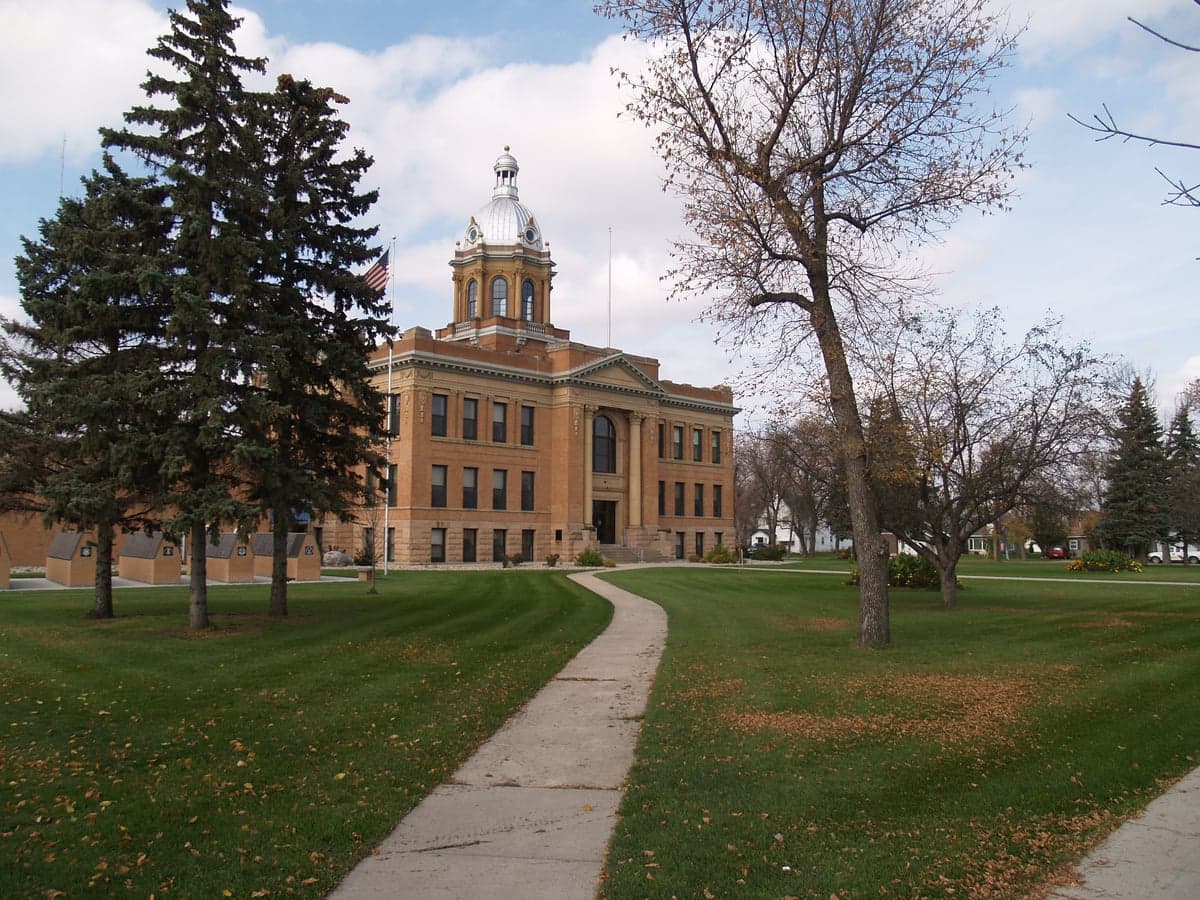
Photo: Wikipedia
Quality of Life in Hillsboro, ND
A high quality of life with strong walkability, manageable living costs, healthy neighborhood signals, and solid amenity access.
What does Quality of Life tell us?
Quality of Life blends cost of living, nearby amenities, socioeconomic signals, and neighborhood character. City-level scores represent the whole municipality; individual neighborhoods can differ.
What does this tell us?
Quality of Life blends cost of living, nearby amenities, socioeconomic signals, and neighborhood character. City-level scores represent the whole municipality; individual neighborhoods can differ.
Cost of Living
41% below national average
The Real Cost of Living in Hillsboro, ND for 2026
| Tier | Individual | Family (4) |
|---|---|---|
| Survival | $10k | $19k |
| Comfortable | $35k | $52k |
| Luxury | $116k+ | $180k+ |
| Elite (Top 5%) | $137k+ | $212k+ |
151%
The Area Signal
A metric tracking the socioeconomic signals of the area.


Hobbies
Explore the areaGroceries
2 within 10 miles
Gas
0 within 10 miles
Hospital
2 within 20 miles
Airport
JFK — John F. Kennedy Memorial
Post Office
USPS — Hillsboro, ND
Critical Amenities
Quality-of-Life Analysis
Hillsboro, North Dakota, presents a notably affordable quality of life in a tight-knit agricultural community, with a cost of living index of 59 (41% below the U.S. average) that attracts a mix of young families, retirees, and workers in farming, manufacturing, and healthcare. The population of roughly 1,600 residents leans toward a stable, family-oriented demographic, with a median age around 40 and a strong sense of local pride centered on the annual Traill County Fair and high school sports. This is a place where neighbors know each other by name, and the slower pace appeals to those seeking a low-stress, budget-friendly lifestyle away from the congestion of Fargo, located about 45 minutes southeast.
Cost of living, housing, and how Hillsboro compares to nearby towns
Hillsboro’s housing market is a standout draw: the median home value sits at $180,800, and the median rent is just $645 per month — roughly half the national median rent. This makes homeownership accessible even for entry-level earners, and the typical mortgage payment (at current rates) often falls below $1,000. Compared to Fargo (median home value ~$290,000) or Grand Forks (~$250,000), Hillsboro offers a 30-40% discount on housing while still providing reasonable access to those larger job centers. The average commute of 18 minutes is notably short, reflecting the town’s compact layout and minimal traffic; most residents can drive from one end of town to the other in under 5 minutes. Utility costs are slightly below the national average, and property taxes in Traill County are moderate, adding to the overall affordability. However, the trade-off is a limited rental market — fewer than 100 units are available at any given time — so prospective renters should act quickly when a listing appears.
What daily life is like for families: schools, amenities, and local rhythm
Daily life in Hillsboro revolves around a handful of core institutions. The Hillsboro Public School District serves roughly 500 students across one elementary, one middle, and one high school, with a student-teacher ratio of about 12:1 and a graduation rate consistently above 90%. The town’s amenities include a modern public library, a 9-hole golf course, and the Hillsboro Medical Center (a critical-access hospital with 24-hour emergency care). For groceries and everyday shopping, residents rely on the local Supervalu and a handful of family-owned shops; for major retail, most drive 30-40 minutes to Fargo’s West Acres Mall or the big-box stores along I-29. The social calendar is anchored by the Traill County Fair (late July), Friday night football games at the high school, and seasonal events like the Hillsboro Holiday Parade. Dining options are limited to a few cafes and a pizza place, so foodies will need to plan trips to Fargo for variety. The local economy is driven by Bobcat Company’s manufacturing plant (the largest employer in town), along with healthcare, education, and agriculture — sugar beet and wheat farming dominate the surrounding fields.
Hillsboro is best suited for those who value low cost, short commutes, and a close community over urban amenities and career diversity. Young families will find safe streets, good schools, and affordable starter homes; retirees can stretch a fixed income comfortably; and remote workers can enjoy a quiet home office with reliable fiber-optic internet (available through Midco). The town’s biggest drawbacks are the limited job market (most opportunities are in manufacturing or healthcare) and the lack of entertainment options — Fargo is a necessary outlet for dining, shopping, and cultural events. For anyone seeking a peaceful, budget-friendly base in the Red River Valley, Hillsboro delivers a solid, no-frills quality of life.

Crime in Hillsboro, ND
Generally safer than 68% of comparable U.S. locations.
Violent CrimeViolent Crime Analysis
Property CrimeProperty Crime Analysis
Crime Analysis
Hillsboro, North Dakota, presents a mixed safety profile for prospective residents. The city’s violent crime rate of 223.3 incidents per 100,000 people is notably lower than the national average, but its property crime rate of 1,417.3 per 100,000 is significantly higher than both the state and national benchmarks. This combination means that while the risk of a violent encounter is relatively low, residents face a substantially elevated chance of experiencing theft, burglary, or vandalism.
Crime in context
To understand Hillsboro’s safety, it is essential to compare its rates to broader averages. The city’s violent crime rate is roughly 39% lower than the national average of about 366 per 100,000, and it also sits below the North Dakota state average. However, the property crime rate is a different story. At 1,417.3 per 100,000, it is approximately 40% higher than the national average and well above the typical rate for small North Dakota communities. This disparity suggests that property crimes—such as theft from vehicles, burglaries, and larceny—are the primary safety concern in Hillsboro. The state’s overall crime picture is generally favorable, but Hillsboro’s property crime figures are an outlier that demands attention.
What residents experience
Daily life in Hillsboro for most residents is shaped by the high property crime rate. Common reports include theft from unlocked cars, stolen outdoor equipment, and occasional break-ins. The violent crime rate, while low, is not zero, and incidents such as assaults or robberies do occur, though they are infrequent. The local police department is active, but the city’s small size means resources are limited. Residents often rely on neighborhood watch efforts and personal vigilance—such as locking doors and securing valuables—as their primary defense. The community’s overall feel is quiet and rural, but the property crime statistics create an undercurrent of caution that is absent in safer peer towns.
Neighborhood-level variation in Hillsboro is not extensively documented, but general patterns can be inferred. Areas closer to the city’s main commercial corridor and the interstate exchange tend to see higher foot traffic and, anecdotally, more property crime. Residential streets on the outskirts of town, particularly those with fewer through streets, are often perceived as safer. However, without granular police data, these are impressions rather than hard facts. Prospective residents should drive through different parts of town at various times and speak with locals to gauge comfort levels. Overall, Hillsboro requires a proactive approach to property security, but its violent crime risk is low enough that most families consider it a manageable trade-off for the area’s affordability and small-town character.
* Values derived from national, state, county, city and local statistics and may differ in a specific area. Last updated: 2026-04-19T09:08:39.000Z
Narrative content on this page is AI-generated and may contain mistakes. Verify any details that matter before acting on them.
ReloMaps may earn a commission from affiliate links at no extra cost to you.

