Photo: Wikipedia
Quality of Life in Hoboken, NJ
A livable area that tracks near national norms for affordability, walkability, and neighborhood health.
What does Quality of Life tell us?
Quality of Life blends cost of living, nearby amenities, socioeconomic signals, and neighborhood character. City-level scores represent the whole municipality; individual neighborhoods can differ.
What does this tell us?
Quality of Life blends cost of living, nearby amenities, socioeconomic signals, and neighborhood character. City-level scores represent the whole municipality; individual neighborhoods can differ.
Cost of Living
169% above national average
The Real Cost of Living in Hoboken, NJ for 2026
| Tier | Individual | Family (4) |
|---|---|---|
| Survival | $45k | $85k |
| Comfortable | $169k | $249k |
| Luxury | $311k+ | $482k+ |
| Elite (Top 5%) | $366k+ | $567k+ |
71%
The Area Signal
A metric tracking the socioeconomic signals of the area.
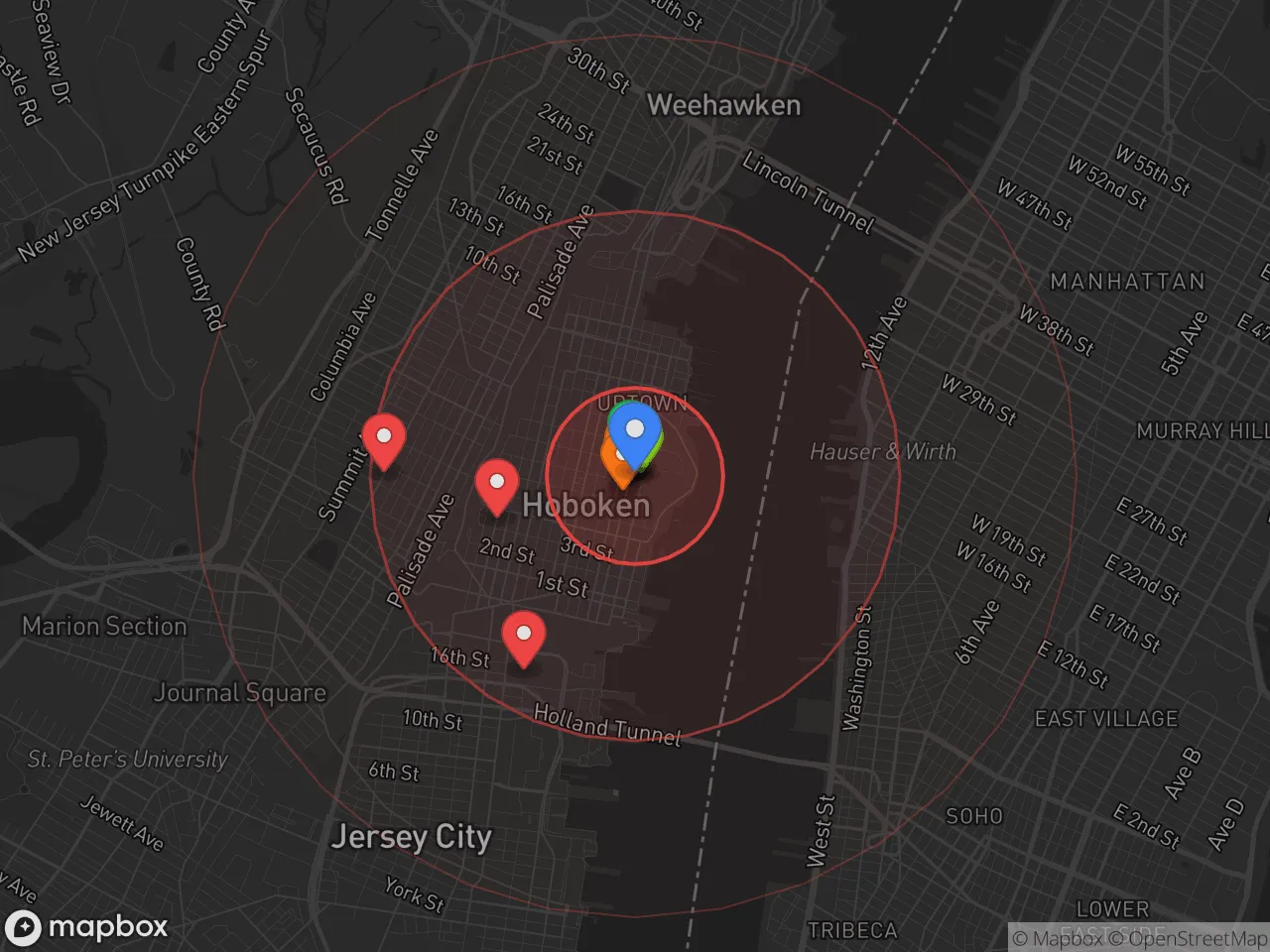
Hobbies
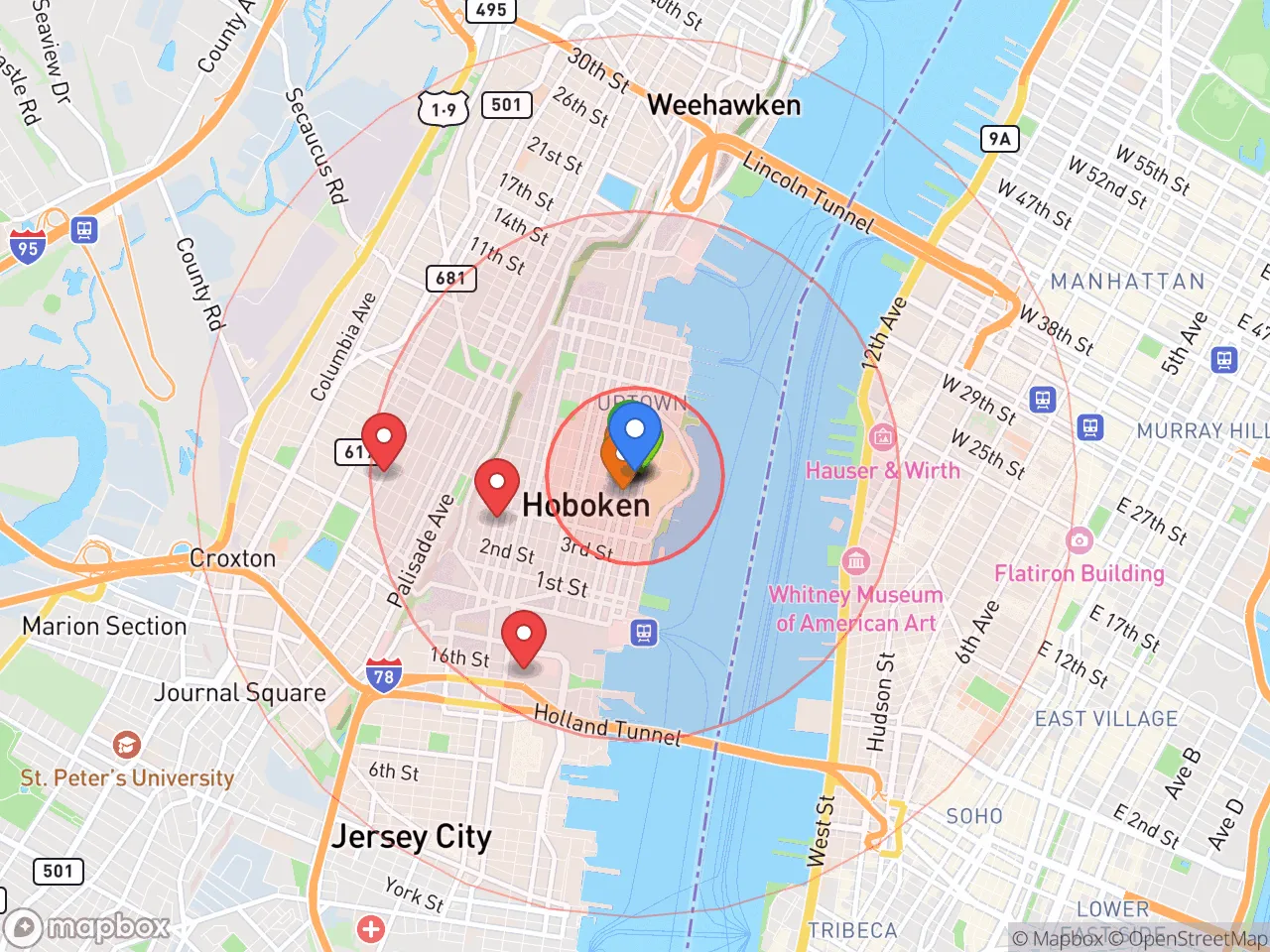
Explore the areaGroceries
0 within 10 miles
Gas
0 within 10 miles
Hospital
0 within 20 miles
Airport
EWR — Newark Liberty International
Post Office
Critical Amenities
Quality-of-Life Analysis
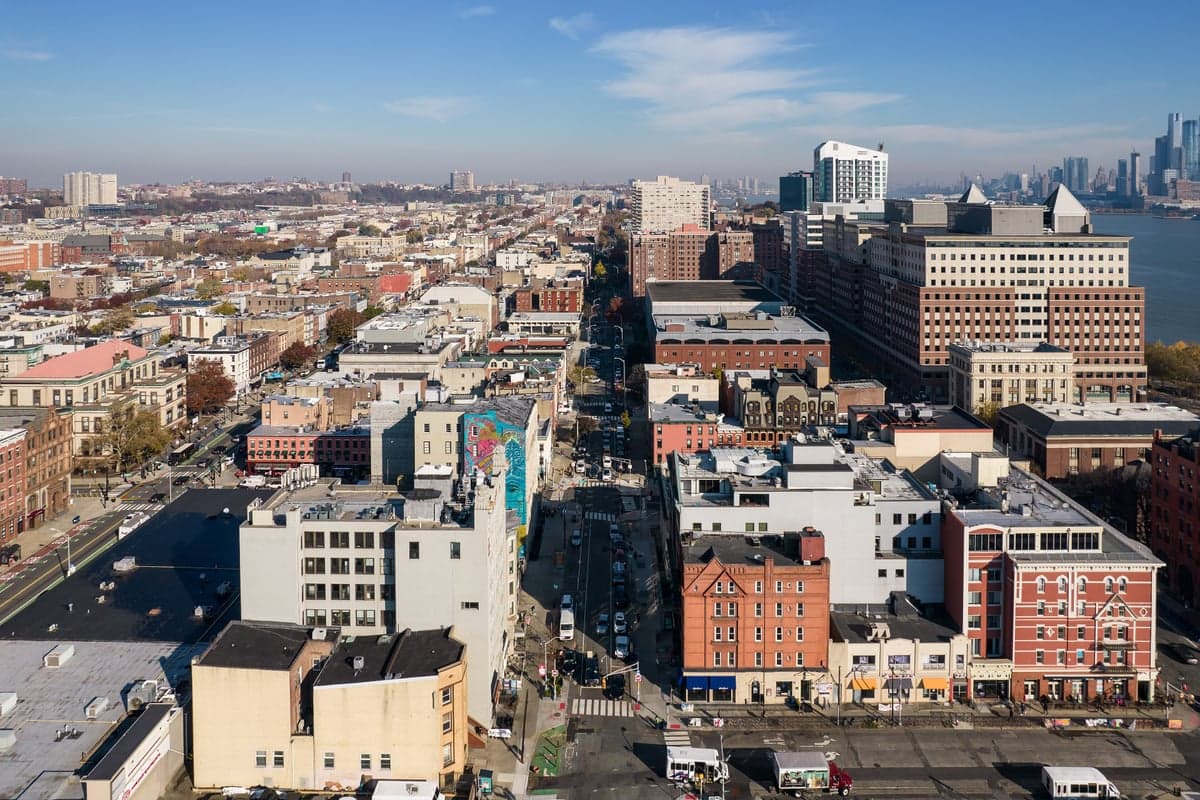
Hoboken, New Jersey, is a densely packed, affluent urban enclave of roughly 60,000 residents, dominated by young professionals, commuters to Manhattan, and families drawn to its walkable, historic streets. With a cost-of-living index of 269—more than 2.5 times the national average—the city commands a premium for its direct proximity to New York City, its vibrant restaurant scene, and its status as a launchpad for careers in finance, tech, and media. The median household income hovers near $150,000, reflecting a population that prioritizes convenience and urban energy over suburban space.
Cost of living, housing, and affordability compared to Manhattan and Jersey City
Hoboken’s housing market is among the most expensive in New Jersey, though it remains a relative bargain compared to Manhattan. The median home value sits at $872,100, while the median rent is $2,819 per month—roughly 30-40% less than comparable neighborhoods in Manhattan like the West Village or Chelsea. However, these figures are significantly higher than in neighboring Jersey City (median rent ~$2,200) and far above the New Jersey state median home value of about $400,000. The city’s housing stock is dominated by pre-war brownstones, converted lofts, and new luxury high-rises along the Hudson River waterfront, with studio apartments often starting above $2,000. Property taxes in Hoboken are moderate for New Jersey (around 1.8% of assessed value), but the overall cost of living is driven by rent, groceries, and dining. For buyers, the market is competitive: homes often sell within weeks, and bidding wars are common for units under $700,000. Renters face a vacancy rate below 3%, making early lease signing essential.
What daily life is like: amenities, schools, and the commute rhythm
Daily life in Hoboken revolves around its compact, walkable grid—most errands are done on foot or by bike, and car ownership is optional for many. The city’s average commute time of 37.3 minutes is driven by the PATH train, which reaches the World Trade Center in 10 minutes and 33rd Street in 20 minutes, supplemented by NJ Transit buses and the NY Waterway ferry. The public school system, Hoboken Public Schools, includes four elementary schools and one high school (Hoboken High School, rated 6/10 on GreatSchools), with a growing number of families opting for private or charter options like the Hoboken Dual Language Charter School. Amenities are dense: the 1.3-mile-long waterfront walkway offers unobstructed views of the Manhattan skyline, while parks like Pier A and Sinatra Park host free concerts and outdoor fitness classes. The restaurant scene is famously diverse, from Italian red-sauce classics at Leo’s Grandevous to modern Asian at Antique Bar & Bakery. Nightlife centers on Washington Street, with dozens of bars and gastropubs drawing a young crowd on weekends. Grocery shopping is served by a Whole Foods, a Trader Joe’s, and several bodegas, though prices are elevated—a gallon of milk often costs $5.50. The city’s walk score of 98 and bike score of 76 mean most residents rarely drive, though parking is notoriously scarce and expensive (monthly garage rates average $300–$500).
Hoboken is best suited for professionals who work in Manhattan or Jersey City and value a short, reliable commute over square footage. Families with young children can thrive here, thanks to the city’s strong sense of community, ample stroller-friendly parks, and a growing number of daycare options, though the high cost and small living spaces may deter those seeking suburban yards. Empty-nesters downsizing from the suburbs also find Hoboken appealing for its walkability and cultural access. Conversely, remote workers on a moderate salary, car-dependent households, or those seeking quiet, low-density living will likely find the city too expensive, crowded, and noisy. For the right demographic—urbanites who prioritize time, convenience, and a lively street life—Hoboken delivers a quality of life that few other New Jersey towns can match.

Crime in Hoboken, NJ
Generally safer than 64% of comparable U.S. locations.
Violent CrimeViolent Crime Analysis
Property CrimeProperty Crime Analysis
Crime Analysis
Hoboken, New Jersey, presents a mixed safety profile for prospective residents. While its violent crime rate of 198.7 incidents per 100,000 people is notably lower than the national average, its property crime rate of 1,394.1 per 100,000 is significantly higher, reflecting the density and transient population of a major urban hub. However, the city operates within a broader Hudson County and New Jersey justice system that has increasingly adopted progressive prosecutorial policies, a factor that directly impacts public safety by prioritizing offender rehabilitation over incarceration, which can lead to more criminals remaining on the street.
Crime in context
Hoboken’s violent crime rate is roughly half the national average of 380 per 100,000, making it safer than many comparably dense cities. Property crime, however, is a more pressing concern, with a rate that is about 30% higher than the national average of 1,100 per 100,000. This is consistent with the experience of small cities adjacent to major metro areas like New York City. The most significant contextual factor is the political and judicial environment. Hudson County, like much of New Jersey, has elected progressive prosecutors who have implemented policies such as cash bail reform, reduced sentencing guidelines, and diversion programs for repeat property offenders. While these measures are designed to reduce mass incarceration, they have a direct negative consequence: they put more criminals back on the street faster, undermining justice for victims and increasing the likelihood of recidivism.
What residents experience
Daily life in Hoboken for most residents involves a high awareness of property crime. Bicycle theft, package theft from building lobbies, and car break-ins are common complaints. The city’s dense, walkable layout means these incidents are often opportunistic. Violent crime is rare but not absent, typically concentrated in late-night hours near bars and transit hubs. The progressive judicial approach means that even when arrests are made, many offenders face minimal consequences. For example, a repeat shoplifter or bike thief may be released with a summons rather than held, creating a cycle of crime that frustrates residents and small business owners. This environment requires residents to be more vigilant than in a suburban or conservative-leaning jurisdiction where law-and-order policies are prioritized.
Neighborhood-level variation is modest but notable. The area around the Hoboken Terminal and Washington Street, the main commercial corridor, sees the highest concentration of property crime due to foot traffic. The residential streets west of Willow Avenue and north of 14th Street are generally quieter, with fewer reported incidents. However, no neighborhood is immune to the effects of the county’s lenient justice system, as offenders can easily move between areas. For those prioritizing safety, the most secure option is a building with a doorman and secure package room, though this comes at a premium rent. Ultimately, Hoboken offers a vibrant urban lifestyle, but it demands a realistic acceptance of its crime risks and the systemic factors that exacerbate them.
* Values derived from national, state, county, city and local statistics and may differ in a specific area. Last updated: 2026-05-23T21:47:46.000Z
Narrative content on this page is AI-generated and may contain mistakes. Verify any details that matter before acting on them.
ReloMaps may earn a commission from affiliate links at no extra cost to you.

