Photo: Wikipedia
Quality of Life in Hoonah, AK
A high quality of life with strong walkability, manageable living costs, healthy neighborhood signals, and solid amenity access.
What does Quality of Life tell us?
Quality of Life blends cost of living, nearby amenities, socioeconomic signals, and neighborhood character. City-level scores represent the whole municipality; individual neighborhoods can differ.
What does this tell us?
Quality of Life blends cost of living, nearby amenities, socioeconomic signals, and neighborhood character. City-level scores represent the whole municipality; individual neighborhoods can differ.
Cost of Living
4% above national average
The Real Cost of Living in Hoonah, AK for 2026
| Tier | Individual | Family (4) |
|---|---|---|
| Survival | $17k | $32k |
| Comfortable | $66k | $97k |
| Luxury | $124k+ | $192k+ |
| Elite (Top 5%) | $146k+ | $226k+ |
84%
The Area Signal
A metric tracking the socioeconomic signals of the area.


Hobbies
Explore the areaGroceries
2 within 10 miles
Gas
0 within 10 miles
Hospital
0 within 20 miles
Airport
Hoonah Public Seaplane Facility
Post Office
USPS — Hoonah, AK
Critical Amenities
Quality-of-Life Analysis
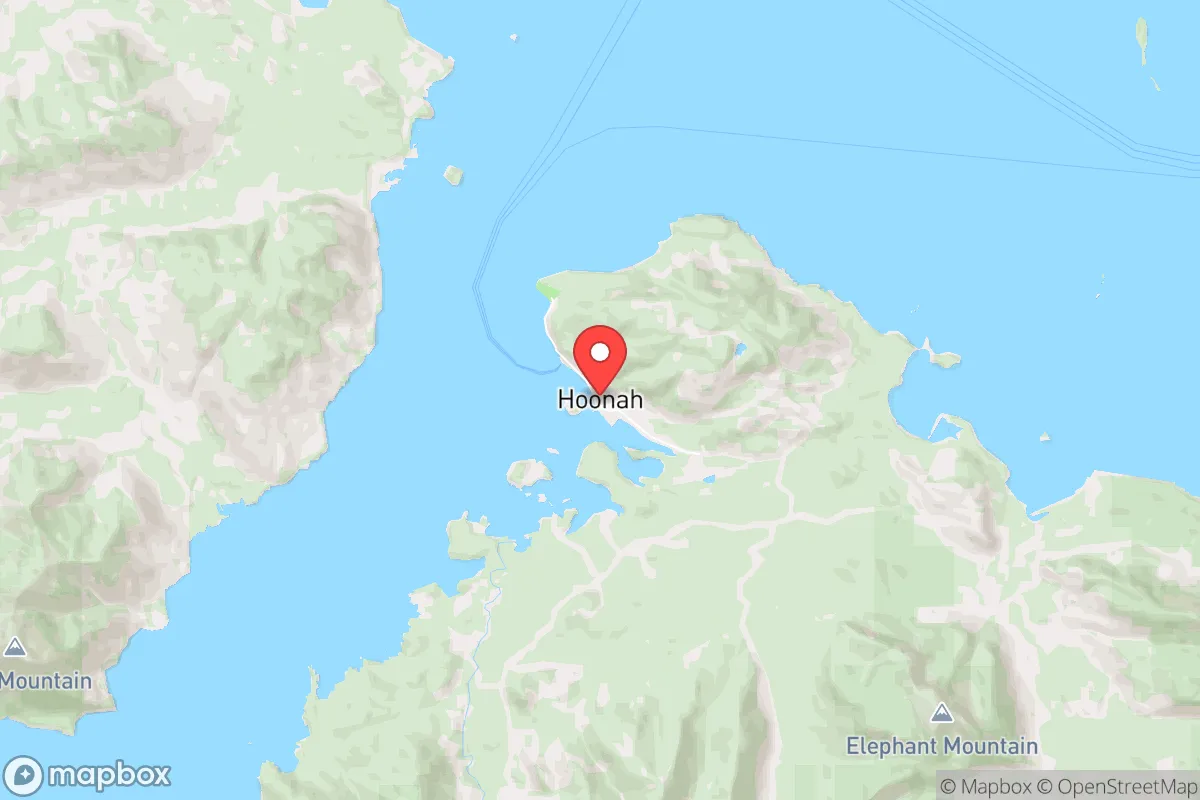
Hoonah, Alaska, presents a unique quality-of-life profile shaped by its remote island location and tight-knit Tlingit community. With a cost of living index of 104—just 4% above the national average—it is notably more affordable than Juneau (index ~130) or Anchorage (index ~125), yet it offers a distinctly different lifestyle centered on subsistence, tourism, and cultural preservation. The population of roughly 750 residents is predominantly Alaska Native, and the area attracts those seeking a slower, nature-immersed pace rather than career-driven affluence.
Cost of living, housing, and affordability compared to Southeast Alaska
Housing in Hoonah is a relative bargain for Southeast Alaska. The median home value of $340,800 is significantly lower than Juneau’s median of roughly $420,000 and far below Sitka’s $480,000. Median rent sits at $1,078, which is about 15% cheaper than Juneau’s average rent of $1,270. However, the trade-off is limited inventory—most homes are older single-family houses or mobile homes, and new construction is rare due to the logistical costs of barge transport. Groceries and utilities are elevated (roughly 15-20% above national averages) because nearly all goods arrive by barge or air, making the overall COL index of 104 a mixed picture: housing is affordable, but daily essentials are not. For comparison, nearby Gustavus (population ~450) has even higher grocery costs but similar home values, while Haines (population ~2,500) is slightly more expensive across the board.
Schools, amenities, and what daily life is like in Hoonah
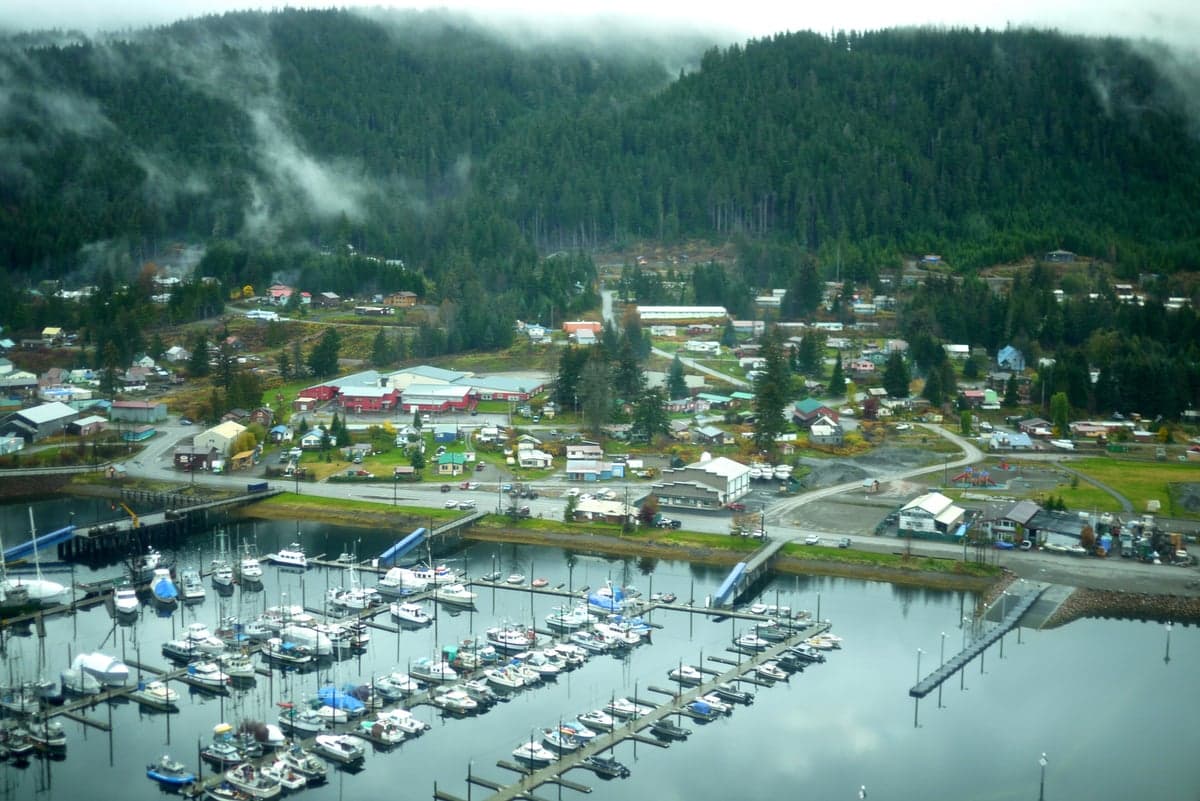
Daily life in Hoonah revolves around the harbor, the Huna Totem Corporation’s tourism operations (which bring cruise ship visitors to Icy Strait Point), and subsistence activities like fishing for salmon and halibut. The Hoonah City Schools district serves roughly 120 students across one K-12 campus, with a student-teacher ratio of about 12:1—small classes but limited advanced coursework. Amenities are sparse: there is one grocery store (Icy Strait Market), a medical clinic (SEARHC Hoonah Health Center), and a handful of restaurants and lodges. There is no movie theater, no chain retail, and no hospital (the nearest is a 45-minute ferry ride to Juneau). Internet access is improving but remains slower and more expensive than urban areas, with Starlink becoming a common alternative to the local cable provider. The rhythm of life is dictated by the seasons: summer brings long daylight hours and a tourism-driven economic boost, while winter sees reduced ferry service, shorter days, and a quieter, more self-sufficient pace.
Hoonah is best suited for people who prioritize community, cultural connection, and outdoor subsistence over career advancement or urban convenience. Those who thrive here are often Alaska Natives returning to ancestral lands, seasonal tourism workers, or remote professionals who can tolerate limited connectivity. Families with young children may appreciate the safe, close-knit environment, but teenagers often leave for high school or college in Juneau or beyond. Retirees seeking affordable waterfront property and a low-stress lifestyle also find Hoonah appealing, provided they are comfortable with the isolation and limited healthcare access. For anyone who values solitude, self-reliance, and deep ties to Tlingit heritage, Hoonah offers a quality of life that no city can replicate.

Crime in Hoonah, AK
Higher crime rates than 66% of comparable U.S. locations.
Violent CrimeViolent Crime Analysis
Property CrimeProperty Crime Analysis
Crime Analysis
Hoonah, Alaska, presents a complex safety picture that diverges sharply from national averages. With a violent crime rate of 726.6 per 100,000 residents and a property crime rate of 1,909.5 per 100,000, the community faces significant public safety challenges that potential residents should weigh carefully. These figures place Hoonah well above many comparable rural communities, though the nature of crime here differs markedly from urban environments.
Crime in context
Hoonah's violent crime rate is more than double the national average of approximately 380 per 100,000, while its property crime rate sits near the national median. Compared to the Alaska statewide average—which itself is elevated—Hoonah's violent crime rate is roughly 40% higher. The community's isolation, accessible primarily by ferry or small aircraft, creates a unique dynamic where offenders and victims often know each other, and law enforcement response times can be extended. The Alaska Department of Public Safety reports that the Hoonah Police Department, with only a handful of officers, handles the majority of calls, with backup from the Alaska State Troopers often hours away.
What residents experience
Residents describe a community where property crimes like theft from vehicles and unoccupied homes are the most common daily concerns, while violent incidents—though statistically high—tend to be concentrated in specific circumstances. The local economy, heavily dependent on seasonal fishing and tourism, means that transient workers and seasonal population fluctuations can strain resources. Alcohol-related incidents account for a disproportionate share of both violent and property crimes, mirroring patterns seen across rural Alaska. The Hoonah Indian Association and local tribal courts work alongside the municipal system, but the justice pipeline is thin: the nearest superior court is in Juneau, a 45-minute flight away, which can delay case resolution and reduce deterrence.
Neighborhood-level variation in Hoonah is less pronounced than in larger cities, but some patterns emerge. The waterfront area near the Icy Strait Point cruise ship dock sees higher rates of petty theft and disorderly conduct during the summer tourist season. Residential areas farther from the harbor, particularly along the Hoonah road system, report fewer property crimes but similar rates of domestic incidents. The Hoonah City Schools area and the nearby Alaska Native village of Whitestone generally experience lower crime rates than the core commercial district. For those considering relocation, connecting with the Hoonah Police Department or the local public safety advisory committee can provide the most current block-level data, as annual UCR reports may not capture seasonal spikes or recent trends.
* Values derived from national, state, county, city and local statistics and may differ in a specific area. Last updated: 2026-04-19T19:21:29.000Z
Narrative content on this page is AI-generated and may contain mistakes. Verify any details that matter before acting on them.
ReloMaps may earn a commission from affiliate links at no extra cost to you.

