Photo: Wikipedia
Find The Best Places To Live
in Hoonah
PRO TIP! You can paste a Zillow or Redfin link to get info on that property.
What It's Like Living in Hoonah, AK
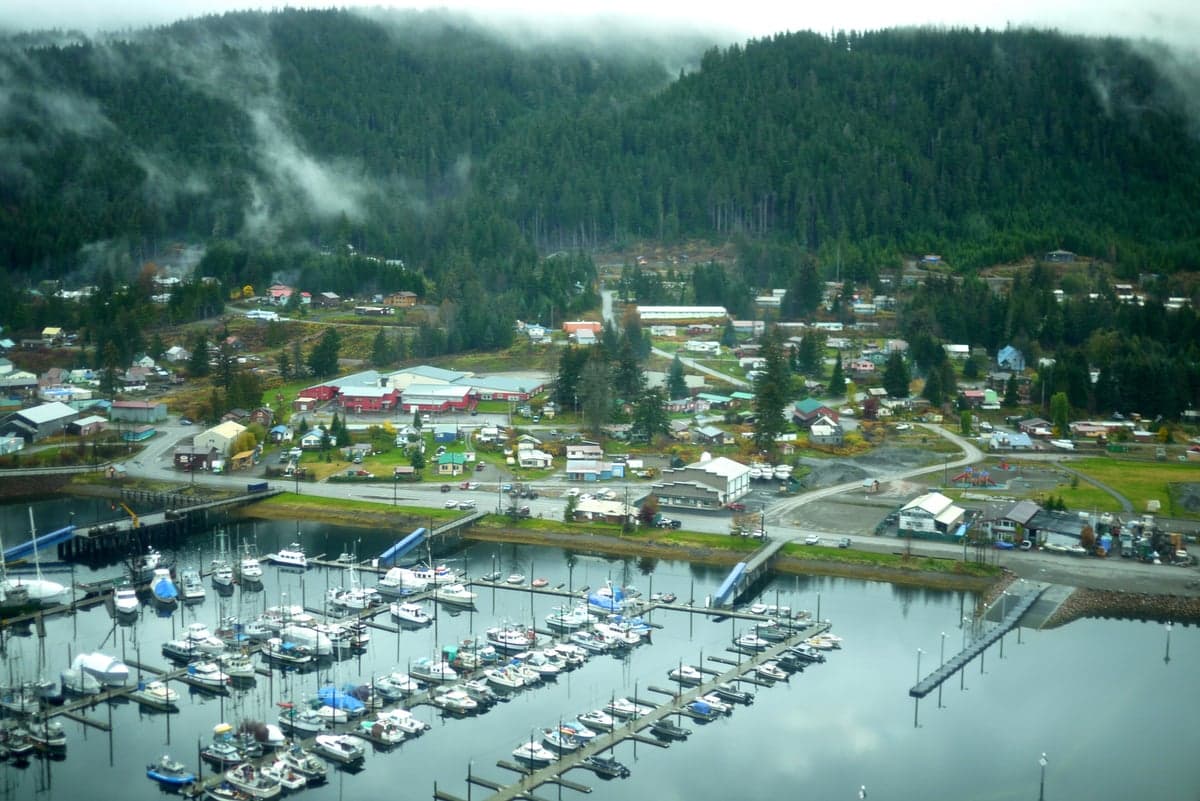
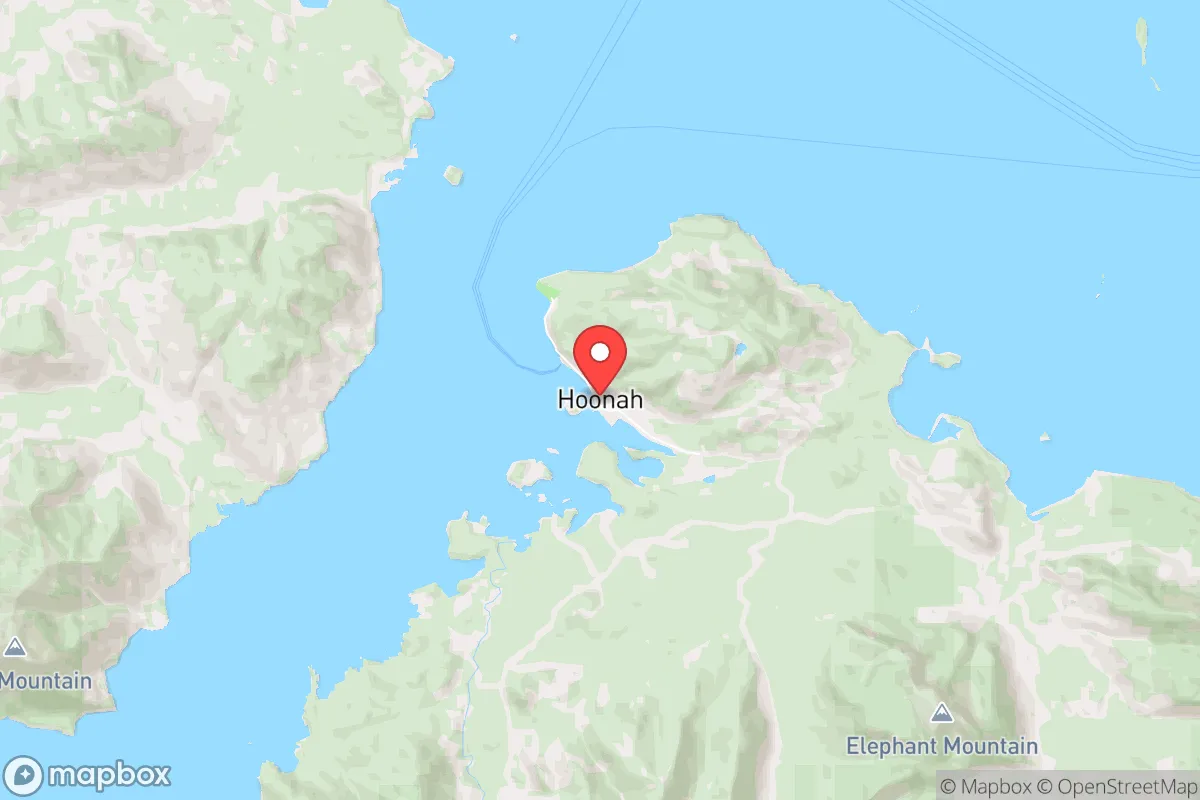
Hoonah is the kind of place where the grocery store doubles as the town bulletin board and your neighbor’s boat launch schedule is more relevant than any traffic report. Perched on the northern shore of Chichagof Island, this Tlingit community of 894 people feels less like a remote outpost and more like a tightly woven village where everyone knows who caught the biggest halibut that week. Life here runs on its own clock—one set by tides, salmon runs, and the long, quiet stretches of winter darkness.
Daily Rhythm in a Coastal Fishing Town
Most mornings in Hoonah start with a glance at the weather gauge, not a commute. The median age of 46.5 reflects a population that skews older and more settled, but the town’s heartbeat is still the working waterfront. Icy Strait Seafoods and the local fishing fleet employ a solid chunk of the workforce, and summer brings a seasonal surge of cannery workers and charter captains. When people aren’t working, they’re often on the water—setting crab pots, trolling for king salmon, or running skiffs out to the outer islands for deer hunting. The Icy Strait itself is a highway of humpback whales and sea otters, and locals treat it like their backyard.
Weekends are low-key by design. The Hoonah Trading Company is the main spot for groceries and hardware, and the Alaska Native Brotherhood Hall hosts community potlatches, bingo nights, and the occasional wedding reception. For a drink, the Hoonah Bar is the default—a no-frills place where the jukebox leans toward classic country and the conversation turns on who’s heading out for the next halibut opener. There’s no mall, no movie theater, and no chain restaurants. What you get instead is a pace of life that forces you to slow down and actually talk to people.
Sports, Schools, and the Social Glue
High school sports are a big deal here, not because the stands are packed, but because the whole town shows up. The Hoonah Braves basketball team draws a crowd that rivals any big-city Friday night lights, and the gym doubles as the community’s living room during winter tournaments. The school itself—Hoonah City Schools, serving roughly 150 students K-12—is the social anchor. When the Braves play a home game against Gustavus or Klukwan, it’s an event that cuts through the seasonal isolation.
There’s no pro sports team within 500 miles, but that doesn’t mean locals don’t follow the game. Satellite dishes and Starlink terminals bring in Seahawks and Mariners games, and the Icy Strait Classic—a local fishing derby each summer—is the closest thing to a championship season. For families, the school’s role goes beyond academics: it’s where kids learn to set nets, where parents volunteer for the annual Hoonah Seafood Festival, and where the Tlingit language program keeps cultural traditions alive.
What There Is to Do (and What There Isn’t)
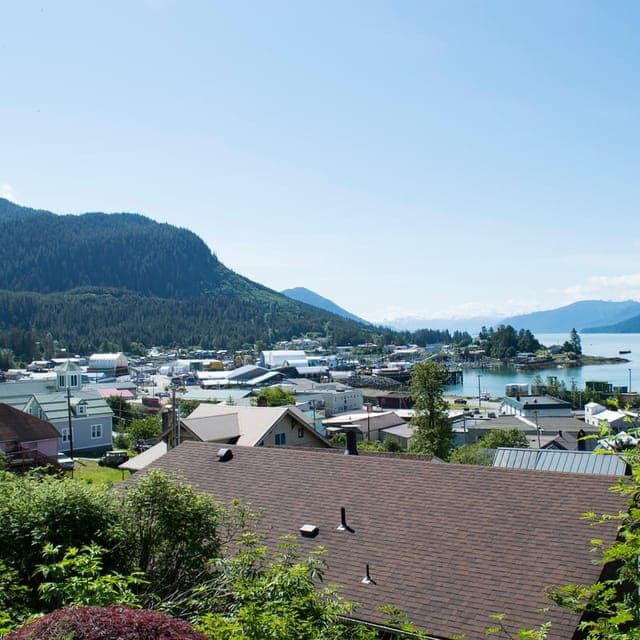
Outdoor recreation is the main event. Hiking the Mount Robert Barron Trail rewards you with a view of the entire Icy Strait, and the Hoonah City Park has a playground and picnic shelter that sees steady use in the brief summer. Kayaking around the harbor or taking a charter out to Point Adolphus for bear viewing is how most visitors spend their time, but locals treat these as routine weekend trips. The Hoonah Heritage Center offers a museum and cultural exhibits that explain the area’s Tlingit roots, and the annual Celebration of the Sea in July brings in artists, carvers, and dancers from across Southeast Alaska.
That said, entertainment options are limited. There’s no movie theater, no bowling alley, and no live music venue beyond the occasional band at the bar. The cost of living index sits at 104—slightly above the national average—but that’s driven by freight costs, not housing. The median home value of $340,800 is surprisingly reasonable for Alaska, and the median household income of $81,406 means most families can afford a modest home with a view of the water. The trade-off is that groceries and gas are expensive, and anything you order online takes weeks to arrive via barge or plane.
Pros and Cons of Living in Hoonah
- Pro: Unmatched access to wilderness. You can be on a whale-watching trip or a salmon fishing charter 15 minutes after deciding to go. The scenery is world-class, and the solitude is real.
- Con: Isolation and weather. Hoonah is only accessible by plane or ferry. The violent crime rate of 726.6 per 100,000 is high—well above national averages—and much of it is tied to alcohol and seasonal tensions in a small, tight community. It’s not a place where you leave your door unlocked without thinking twice.
- Pro: Strong community bonds. When someone’s boat breaks down or a family needs help with a fuel bill, neighbors step up. The social fabric is thick, and newcomers who respect local ways are welcomed.
- Con: Limited economic diversity. If you don’t work in fishing, tourism, or the school, job options are scarce. Only 18.9% of adults hold a college degree, and many young people leave after high school for Juneau or Anchorage.
- Pro: Affordable housing by Alaska standards. A $340,800 median home value gets you a house with a view and a yard, something unthinkable in Juneau or Sitka.
- Con: Seasonal darkness and rain. Winter days are short and gray, and the rain can wear on even the most dedicated outdoorsperson. It’s a place that rewards self-sufficiency and a tolerance for damp weather.
Hoonah isn’t for everyone. It’s for people who value quiet competence, who don’t mind paying $6 for a gallon of milk, and who find satisfaction in a day spent pulling crab pots or watching humpbacks feed in the strait. The median age of 46.5 hints at a community that’s aging in place, but the kids who grow up here carry a deep pride in their Tlingit heritage and their ability to thrive in one of the most beautiful, demanding corners of Alaska. If you’re looking for a place where the pace matches the tide and the neighbors actually know your name, Hoonah delivers—on its own terms.

Similar small towns to Hoonah

* Values derived from national, state, county, city and local statistics and may differ in a specific area. Last updated: 2026-04-19T19:21:29.000Z
Narrative content on this page is AI-generated and may contain mistakes. Verify any details that matter before acting on them.
ReloMaps may earn a commission from affiliate links at no extra cost to you.

