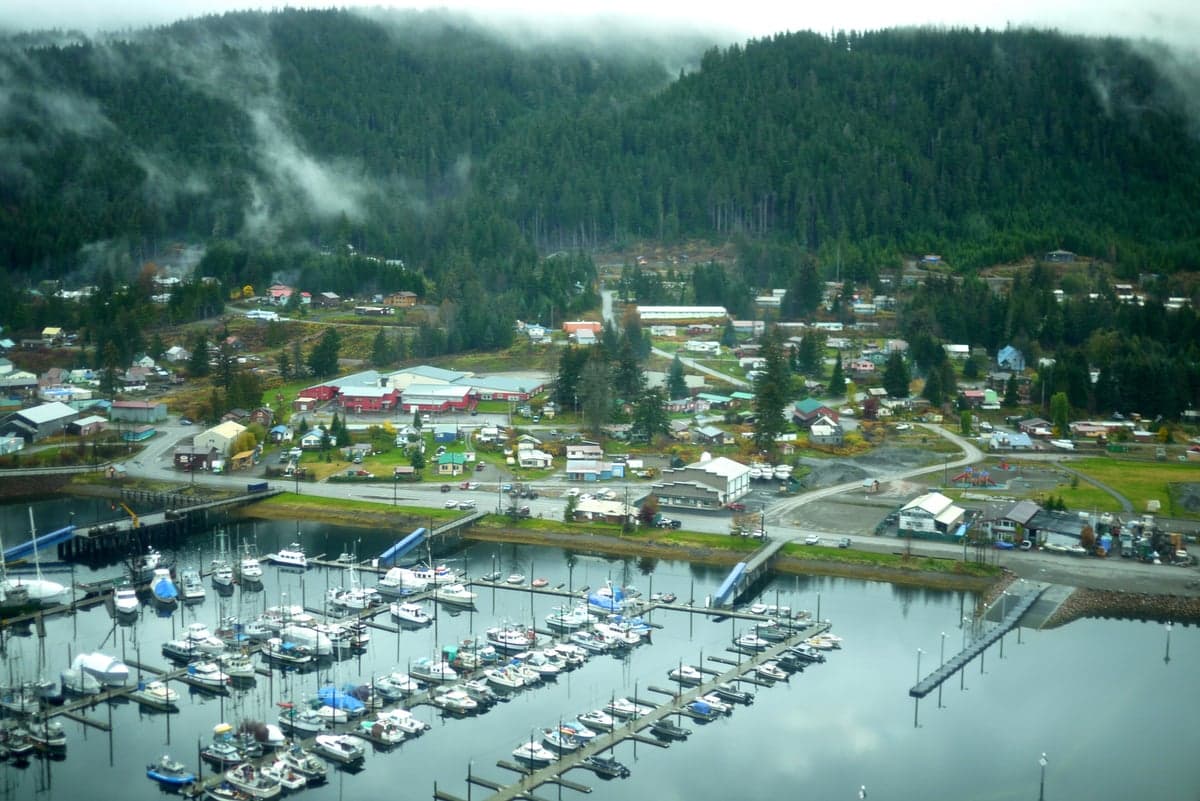
Photo: Wikipedia
Strategic Assessment of Hoonah, AK
Strong survivability profile. Good buffer from population centers, with manageable environmental and tactical risks.
What does the Strategic Assessment tell us?
Our Strategic Assessment grades tactical survivability of an area. Major population centers, military targets, fallout zones, natural disasters, and border exposure all drive risk — lower exposure means a more defensible position in a crisis.
This is heavily inspired by Joel Skousen's Strategic Relocation book. Highly recommended you checkout the book ($)What does this tell us?
Our Strategic Assessment grades tactical survivability of an area. Major population centers, military targets, fallout zones, natural disasters, and border exposure all drive risk — lower exposure means a more defensible position in a crisis.
This is heavily inspired by Joel Skousen's Strategic Relocation book. Highly recommended you checkout the book ($)Strategic Pillars

Key Distances
Regional Safe Places
Below is our recommended "safe zones" in Alaska and the surrounding area based on our strategic heuristics. For most people, it's unrealistic to live in a “safe zone” full-time due to work, family or other personal reasons. They tend to be more rural. However, many of these areas are perfect for second homes and retreat properties that double as a vacation home or even a short-term rental.
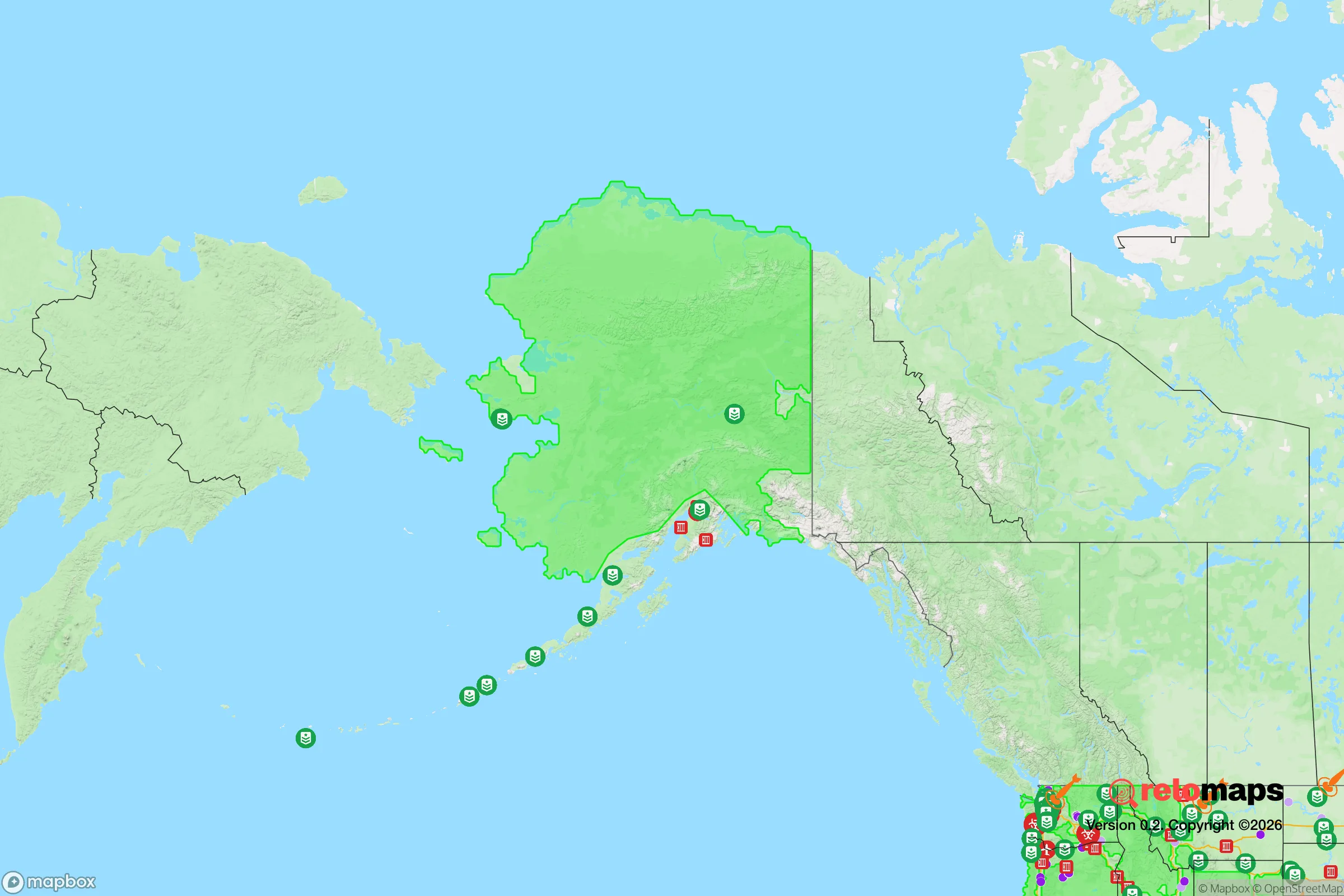
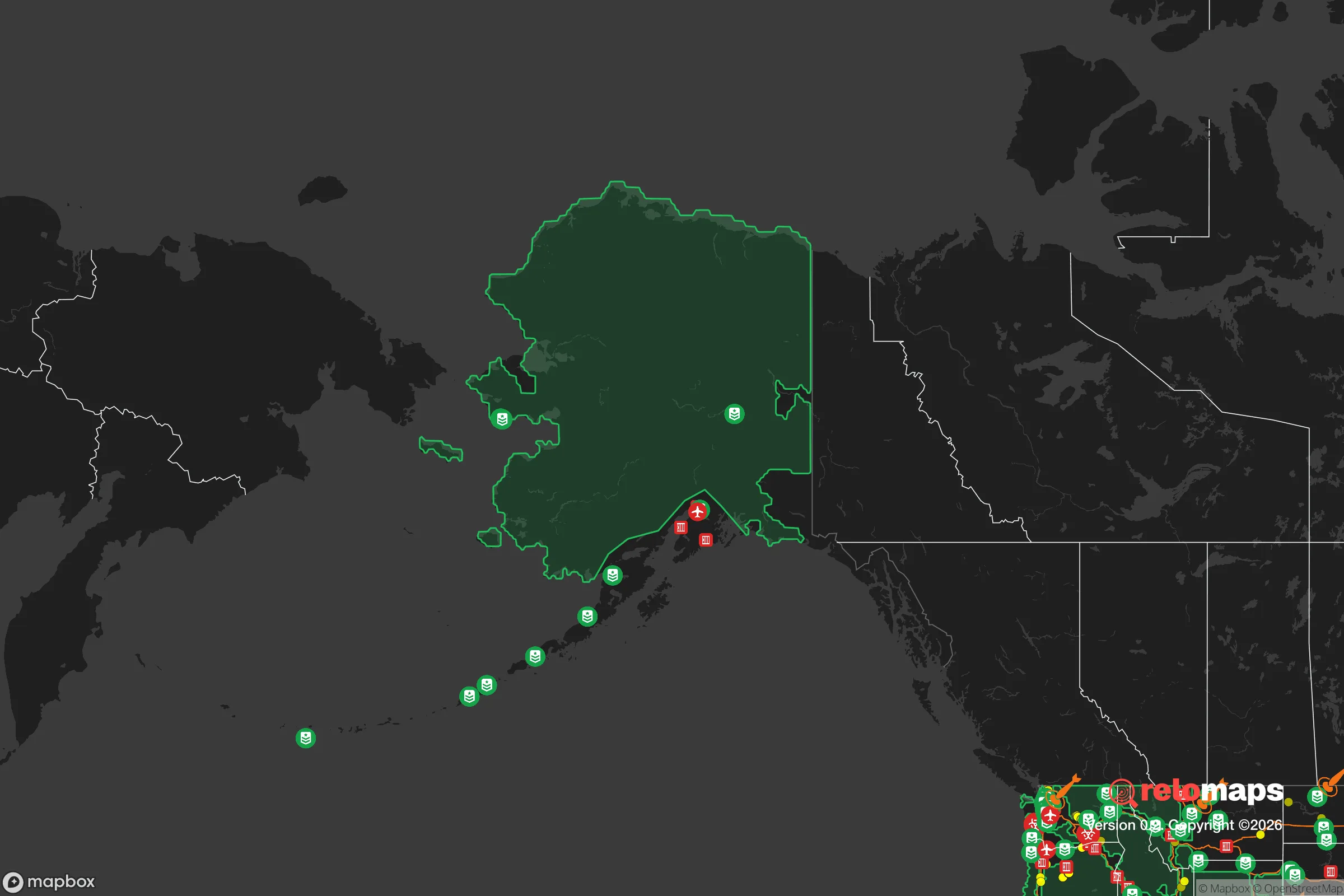


Important Note: For informational purposes only. This does not mean nothing bad ever happens in the green zones. Please use common sense. This is based on public data and modeled with AI. We tried to take a conservative approach but mistakes happen. We update this regularly as new information becomes available.
Solar Generator Recommendations
Backup power matters more here than in safer locations. We've picked three solar generators across budgets and capacity tiers — start with the budget unit if you only need a few essentials, or step up if you want to run a fridge and HVAC for days at a time.

Jackery Portable Power Station Explorer 300
Budget OptionPower on the Go: Weighing only 11 lbs, it's convenient to set up and store with book-sized foldable solar panels

BLUETTI Portable Power Station AC180
Designed for both indoor and outdoor scenarios, AC180 is highly capable as it has a robost capacity and continuous output power.

EF ECOFLOW DELTA Pro Ultra Power Station
Upgraded PickEcoFlow DELTA Pro Ultra is a whole-home energy system designed to grow with your family. Integrated with the Smart Home Panel 2, it scales to meet your evolving energy needs — keeping your home powered, intelligent, and secure through every stage of life.
We earn a commission, at no additional cost to you.
Strategic Assessment Analysis
Hoonah, Alaska, offers a strategic relocation option for those prioritizing isolation and natural resource abundance in an increasingly uncertain world. Located on Chichagof Island in the Inside Passage, this community of roughly 750 residents sits about 40 miles west of Juneau by air or sea, but feels far more remote. For a prepper or survivalist, Hoonah’s primary advantage is its position: surrounded by temperate rainforest, the Pacific Ocean, and the Tongass National Forest, it provides a natural buffer against the cascading failures of urban centers. The town’s resilience is rooted in its location—far from major highways, power grids, and population concentrations—and its existing infrastructure for subsistence living, which aligns with a conservative ethos of self-reliance and preparedness.
Geographic position and natural advantages for long-term survival
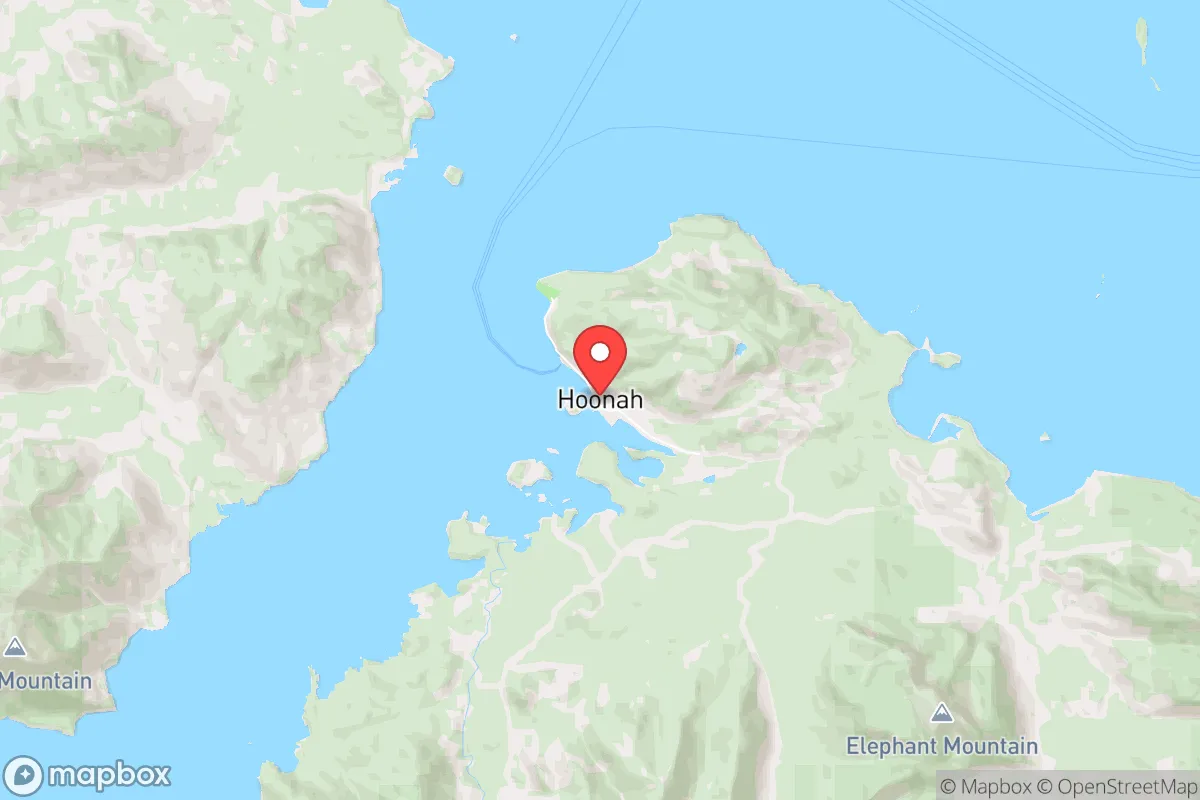
Hoonah’s geography is its strongest asset for a strategic relocation. The town sits on the north shore of Icy Strait, with the Gulf of Alaska to the west and the Inside Passage to the east. This position offers direct access to some of the richest marine ecosystems in North America, including salmon runs, halibut grounds, Dungeness crab, and herring. The surrounding Tongass National Forest provides abundant deer, bear, and small game, as well as berries, mushrooms, and timber for construction and fuel. The climate is maritime—cool summers, mild winters, and heavy rainfall—which means fresh water is virtually unlimited from dozens of streams and lakes within walking distance. For a relocator, this means you can secure food and water without relying on supply chains. The terrain is rugged, with steep mountains and dense forest, which naturally limits access by road—there are none connecting Hoonah to the mainland. This isolation is a double-edged sword but, from a prepper perspective, it’s a massive advantage: no major highways mean no refugee flows, no supply chain disruptions from trucking strikes, and no easy approach for hostile groups. The only practical access is by floatplane or boat, which gives residents control over who enters.
Risks, exposures, and proximity to fallout-relevant landmarks
No location is without vulnerabilities, and Hoonah has several that a strategic relocator must weigh. The most immediate risk is seismic activity: the area sits near the Fairweather Fault, capable of producing magnitude 8+ earthquakes. A major quake could trigger a tsunami—Hoonah’s harbor and low-lying areas are vulnerable, though much of the town is built on higher ground. The 2018 Anchorage earthquake and the 1964 Good Friday quake are reminders that Alaska is tectonically active. For fallout concerns, Hoonah is far from any nuclear power plants, major military bases, or strategic targets. The nearest potential fallout-relevant landmarks are Joint Base Elmendorf-Richardson near Anchorage (about 600 miles away) and the submarine base at Bangor, Washington (over 800 miles). Prevailing winds in Southeast Alaska blow from the west and southwest, meaning fallout from a Pacific theater conflict would likely be dispersed over the ocean or Canada, not Hoonah. However, the town’s reliance on marine fuel and air transport for supplies is a critical vulnerability. If fuel shipments stop due to a national emergency, Hoonah’s boats and planes—its lifelines—become useless. A relocator should plan for at least a year’s worth of fuel storage, or alternative propulsion like sail or oar. Additionally, the dense forest canopy presents a wildfire risk during dry spells, though the wet climate mitigates this most years.
Practical resilience for a relocator: food, water, energy, and defensibility
For a survivalist, Hoonah’s practical resilience is high but requires upfront investment. Food security is excellent: the ocean and forest provide year-round protein, and the town has a small commercial fishing fleet. You can catch salmon from July to September, halibut year-round, and harvest deer in the fall. Gardening is possible in raised beds or greenhouses, though the short growing season (May to September) limits crops to cold-hardy varieties like kale, potatoes, and root vegetables. Water is abundant—most homes draw from wells or direct rainwater collection, and the town’s municipal water comes from a nearby lake. For energy, Hoonah is not on the road-connected power grid; it relies on diesel generators for electricity, with some hydroelectric capacity from a small dam on the Hoonah River. This means power is expensive and vulnerable to fuel disruptions. A relocator should invest in solar panels (though cloud cover is heavy), a small wind turbine, or a micro-hydro setup if near a stream. Defensibility is strong: the town is compact, with a single road in and out (the Hoonah Highway, which is really just a 3-mile stretch from the ferry terminal to the town center). The surrounding terrain is impassable to vehicles, and the forest provides cover for perimeter security. Community cohesion is a wildcard—Hoonah is predominantly Tlingit Native, with a tight-knit population that may be wary of outsiders. Building trust through respect for local customs and offering skills (medical, mechanical, construction) is essential for long-term integration. The nearest hospital is in Juneau, a 40-minute flight or 3-hour boat ride away, so medical self-sufficiency is non-negotiable.
Overall, Hoonah presents a compelling but niche strategic picture for a conservative-leaning relocator. It offers near-total isolation from urban collapse, abundant natural resources, and a defensible geography that few locations in the Lower 48 can match. The trade-offs are real: seismic risk, logistical dependence on fuel, and a challenging climate that demands physical toughness and adaptability. For someone willing to invest in off-grid energy, stockpile supplies, and integrate into a small indigenous community, Hoonah could serve as a long-term refuge from the instability of the modern world. But it’s not a beginner’s retreat—this is a place for those who already know how to hunt, fish, fix engines, and live without Amazon. If that describes you, Hoonah is worth a serious look.

* Values derived from national, state, county, city and local statistics and may differ in a specific area. Last updated: 2026-04-19T19:21:29.000Z
Narrative content on this page is AI-generated and may contain mistakes. Verify any details that matter before acting on them.
ReloMaps may earn a commission from affiliate links at no extra cost to you.

