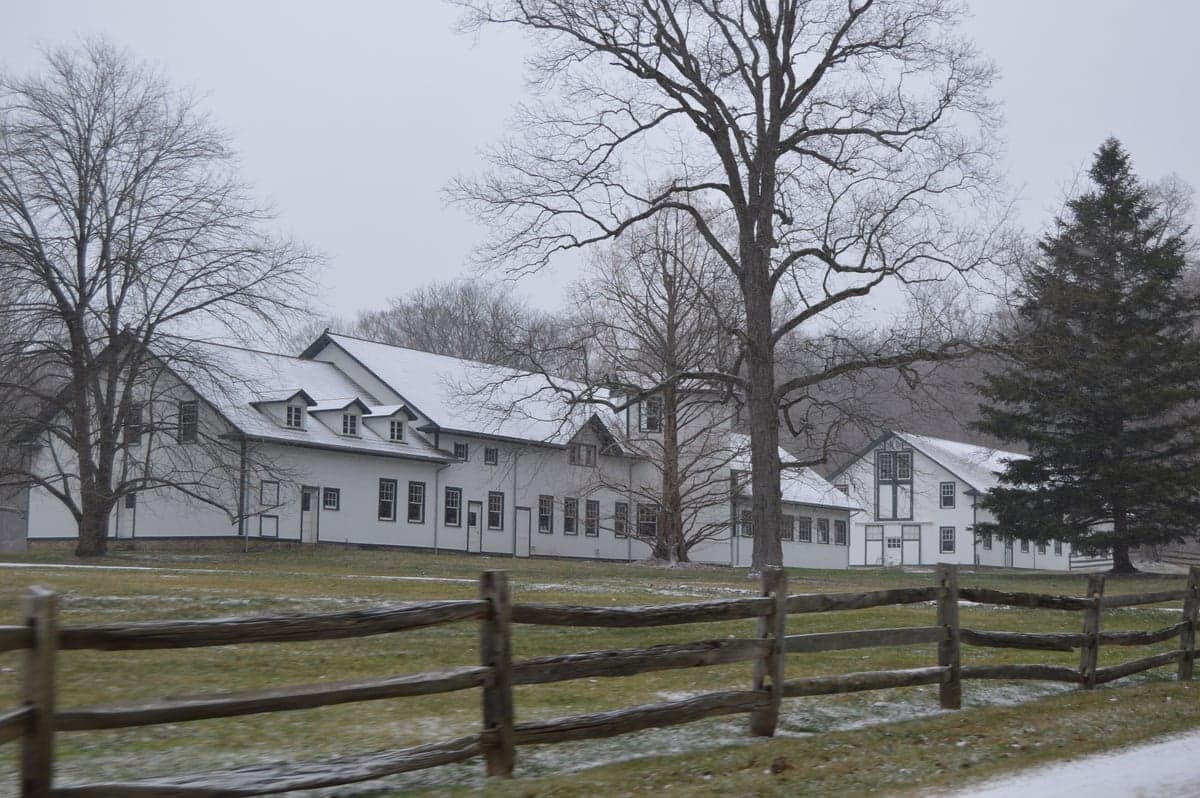
Photo: Wikipedia
Quality of Life in Hunting Valley, OH
A high quality of life with strong walkability, manageable living costs, healthy neighborhood signals, and solid amenity access.
What does Quality of Life tell us?
Quality of Life blends cost of living, nearby amenities, socioeconomic signals, and neighborhood character. City-level scores represent the whole municipality; individual neighborhoods can differ.
What does this tell us?
Quality of Life blends cost of living, nearby amenities, socioeconomic signals, and neighborhood character. City-level scores represent the whole municipality; individual neighborhoods can differ.
Cost of Living
201% above national average
The Real Cost of Living in Hunting Valley, OH for 2026
| Tier | Individual | Family (4) |
|---|---|---|
| Survival | $50k | $94k |
| Comfortable | $288k | $424k |
| Luxury | $368k+ | $571k+ |
| Elite (Top 5%) | $756k+ | $1.2M+ |
48%
The Area Signal
A metric tracking the socioeconomic signals of the area.
Hobbies
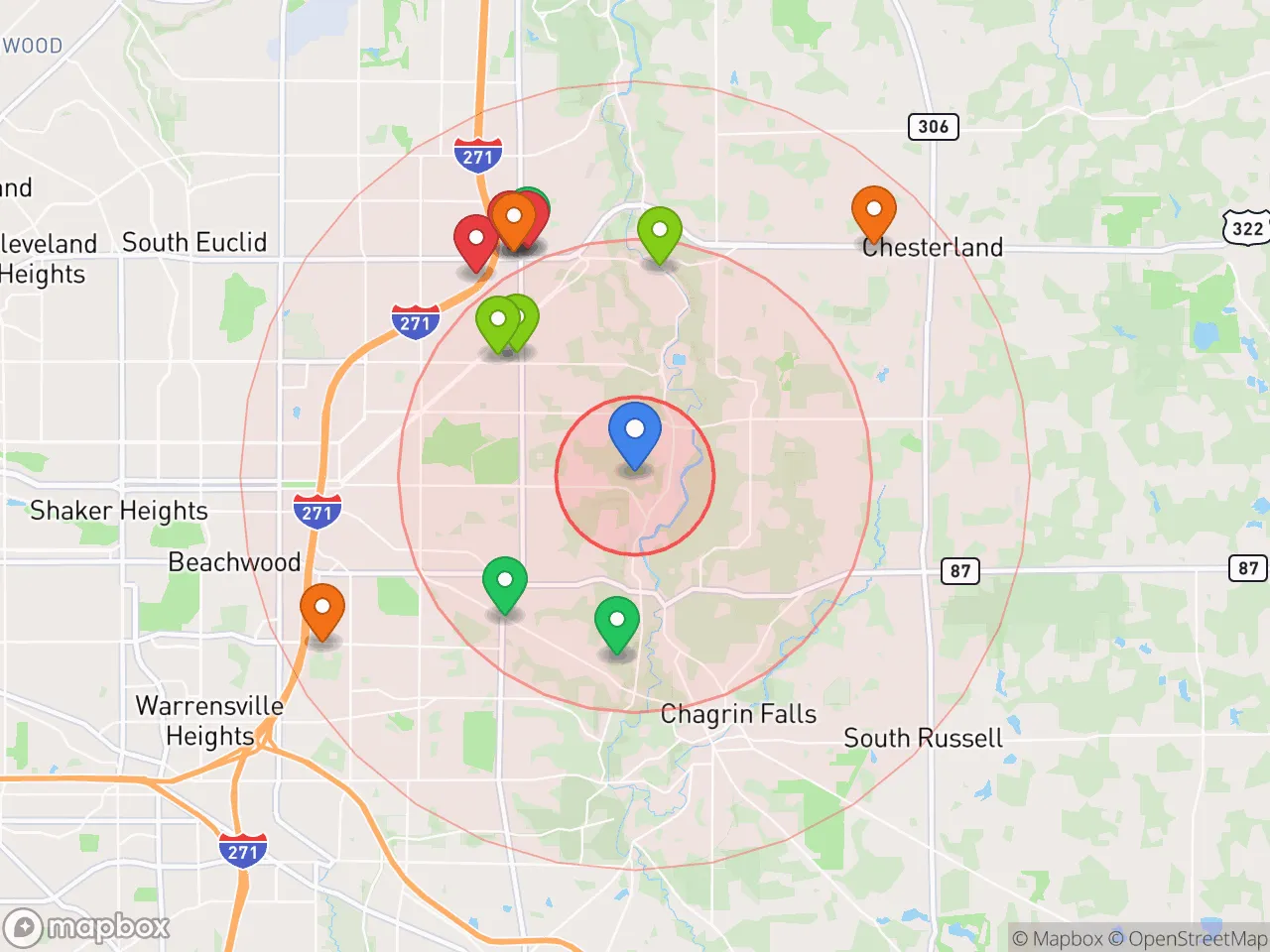
Explore the areaGroceries
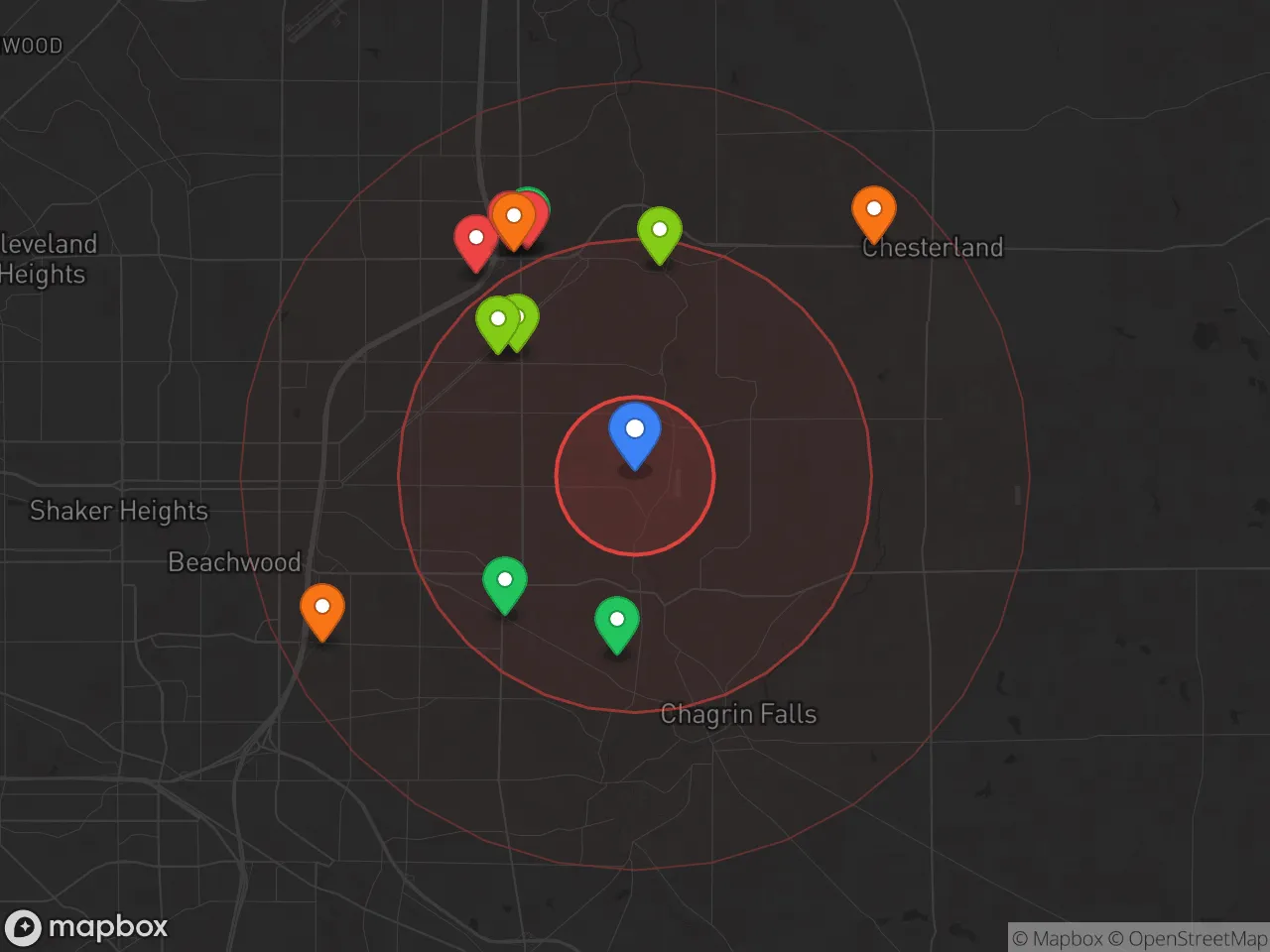
6 within 10 miles
Gas
20 within 10 miles
Hospital
20 within 20 miles
Airport
Pittsburgh International Airport
Post Office
USPS — Hunting Valley, OH
Critical Amenities
Quality-of-Life Analysis
Hunting Valley, Ohio, is one of the wealthiest and most exclusive communities in the state, with a cost of living index of 301—three times the national average—placing it firmly in the top 1% of U.S. municipalities by affluence. The village is home to a small, high-net-worth population of roughly 700 residents, many of whom are executives, business owners, and professionals drawn by the area's extraordinary privacy, large estate lots, and proximity to Cleveland's economic and cultural hubs. Life here is defined by low density, significant property holdings, and a deliberate pace far removed from suburban sprawl.
Cost of living, housing, and affordability compared to nearby suburbs
Hunting Valley's cost of living is driven almost entirely by its housing market. The median home value stands at $1,484,200, a figure that dwarfs neighboring communities like Pepper Pike (median ~$550,000) and Moreland Hills (~$600,000). Rents are also elevated, with a median of $1,750 per month, though rental inventory is extremely limited—most housing is owner-occupied single-family estates on lots of five acres or more. Property taxes in Hunting Valley are among the highest in Cuyahoga County, reflecting both the high assessed values and the quality of local public services. For context, a home at the median value would carry an annual tax bill of roughly $25,000–$30,000. Compared to the national average, groceries and healthcare are modestly above baseline, but transportation and utilities are in line with other wealthy Northeast Ohio suburbs. The village has no commercial zoning, meaning there are no stores, restaurants, or businesses within its borders—residents must drive to nearby Chagrin Falls, Gates Mills, or Orange for everyday errands.
What daily life is like for families: schools, amenities, and community rhythm
Daily life in Hunting Valley revolves around the Orange City School District, which serves the village alongside Orange, Moreland Hills, and Pepper Pike. The district consistently ranks among Ohio's top 10 public school systems, with a student-to-teacher ratio of roughly 14:1 and strong performance in Advanced Placement and college readiness. The village itself offers no retail, no sidewalks, and limited street lighting—a deliberate design that preserves its rural, estate-like character. Residents rely on private vehicles for all transportation, and the area's winding, wooded roads are popular for equestrian use and cycling. The Chagrin River runs through the village, providing scenic corridors and access to the Cleveland Metroparks' North Chagrin Reservation, which offers hiking, golf, and nature centers just minutes away. Community life is low-key and private; there are no village-wide festivals or commercial gathering spots. Social interaction tends to occur through the school district, private clubs like the Chagrin Valley Hunt Club or Kirtland Country Club, and neighborhood events on large private estates.
Hunting Valley is best suited for affluent families, empty-nesters, and executives who prioritize privacy, space, and top-tier public schools over walkability or urban convenience. The village's lack of commercial zoning and its minimum five-acre lot requirement create a buffer from the bustle of nearby Chagrin Falls and Cleveland, but also demand a car-dependent lifestyle and a tolerance for high property taxes. For those who can afford the entry price and value seclusion, estate living, and a strong school district, Hunting Valley offers a quality of life that is unmatched in Northeast Ohio.

Crime in Hunting Valley, OH
Lower crime rates than 95% of comparable U.S. locations.
Violent CrimeViolent Crime Analysis
Property CrimeProperty Crime Analysis
Crime Analysis
Hunting Valley, Ohio, is one of the safest communities in the state, with a violent crime rate of 0 per 100,000 residents and a property crime rate of 254.5 per 100,000. This places the village far below both the national average and the rates seen in nearby Cleveland and its inner-ring suburbs. The data reflects a community where serious crime is virtually nonexistent, though residents should remain aware of the broader regional crime trends that can occasionally spill over from the greater Cleveland metropolitan area.
Crime in context
Hunting Valley’s violent crime rate of zero is a statistical outlier even for affluent suburbs. By comparison, the national violent crime rate hovers around 380 per 100,000, and Ohio’s statewide rate is approximately 300 per 100,000. Property crime in Hunting Valley, at 254.5 per 100,000, is roughly one-third of the national average of 1,954 per 100,000. These figures place the village among the safest 5% of all Ohio municipalities. However, the village’s proximity to Cleveland—a major metro area where progressive prosecutors and judges have implemented policies such as reduced cash bail and diversion programs for property offenders—means that regional crime pressures cannot be entirely ignored. While Hunting Valley itself is insulated by low density and high property values, the surrounding Cuyahoga County justice system’s ideological tilt toward offender rehabilitation over incarceration has been linked to higher recidivism rates in the broader region, a concern for residents who travel into Cleveland for work or entertainment.
What residents experience
Daily life in Hunting Valley is characterized by an exceptional sense of security. The village is patrolled by the Hunting Valley Police Department, which maintains a visible presence along the winding, wooded roads. Most reported incidents involve minor thefts from unlocked vehicles or package thefts, rather than violent confrontations. The community’s layout—large estates on multi-acre lots with limited public access—naturally deters casual criminal activity. Residents commonly leave doors unlocked during the day, and neighborhood watch programs are informal but effective due to the small, interconnected population of roughly 700 people. The primary safety concern is not crime from within but the potential for property crimes committed by individuals traveling from nearby urban areas, a pattern seen across affluent enclaves adjacent to high-crime metros.
Neighborhood-level variation within Hunting Valley is minimal. The village is uniformly affluent, with no significant pockets of higher crime. The most notable difference is between properties along main roads like Fairmount Boulevard and those on secluded private lanes; the latter experience even fewer incidents due to limited visibility and access. For residents seeking maximum security, homes with gated driveways and private security systems are common, though the village’s overall safety record makes such measures more a matter of preference than necessity. The key takeaway for prospective residents is that Hunting Valley offers a near-zero violent crime environment, but the progressive criminal justice policies of the surrounding Cuyahoga County system warrant awareness, particularly for those who frequently cross into Cleveland proper.
* Values derived from national, state, county, city and local statistics and may differ in a specific area. Last updated: 2026-04-27T14:31:40.000Z
Narrative content on this page is AI-generated and may contain mistakes. Verify any details that matter before acting on them.
ReloMaps may earn a commission from affiliate links at no extra cost to you.

