Photo: Wikipedia
Find The Best Places To Live
in Hunting Valley
PRO TIP! You can paste a Zillow or Redfin link to get info on that property.
What It's Like Living in Hunting Valley, OH
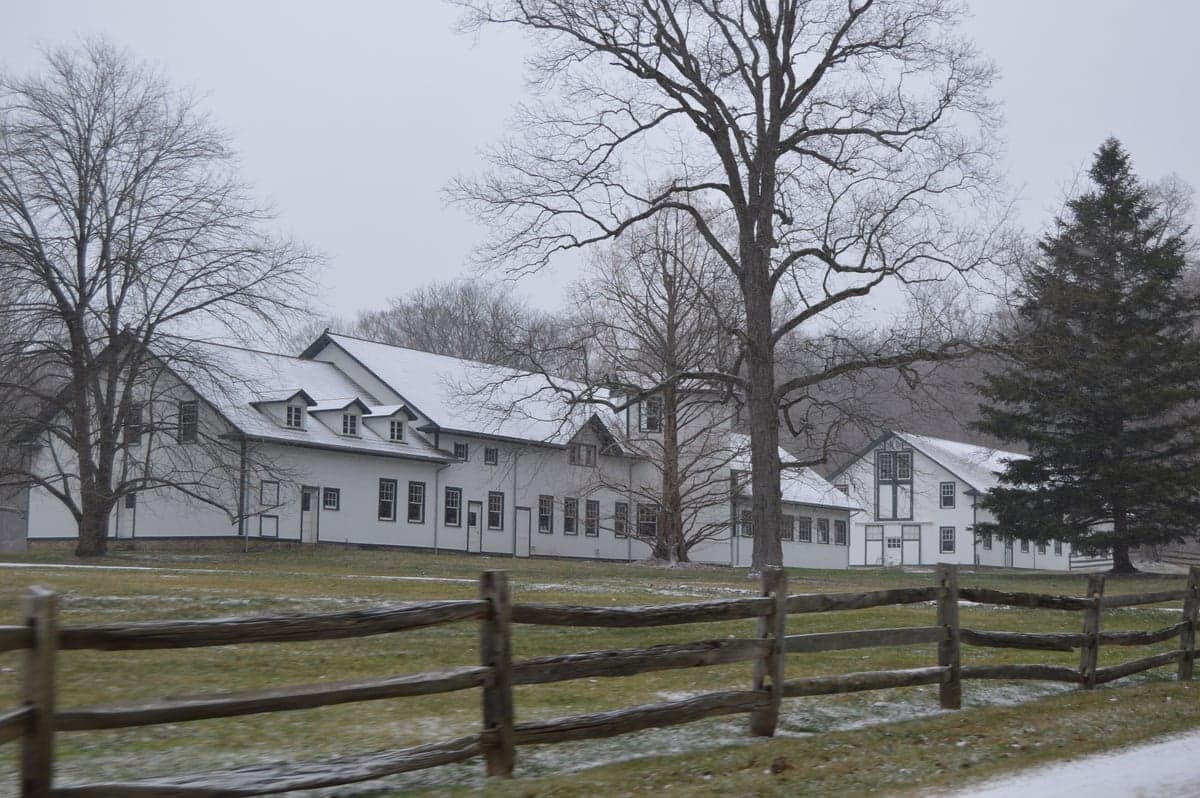
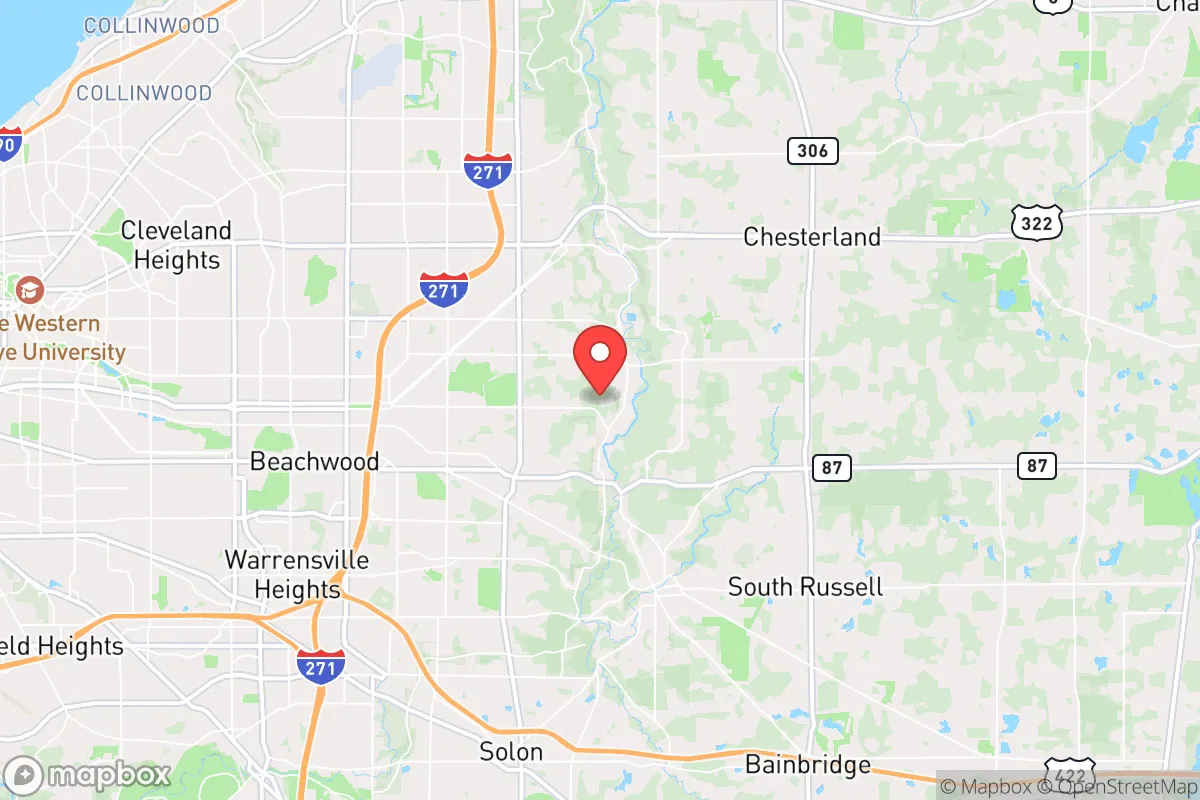
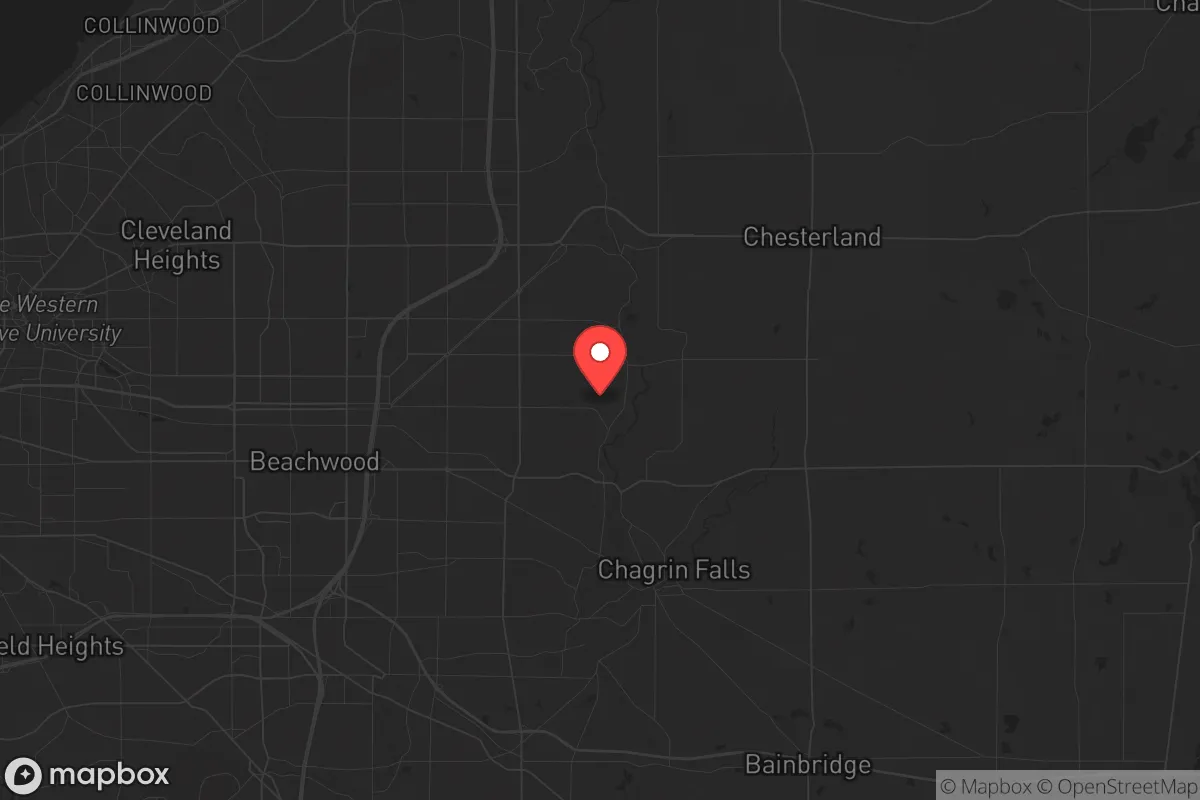
Hunting Valley, Ohio, feels less like a suburb and more like a private nature preserve where a few hundred families happen to live. With a population of just 780 and a median age of 55, this is a place where quiet, space, and privacy are the main attractions—not nightlife or walkable downtowns. If you value acreage over amenities and want your nearest neighbor to be a forest or a horse farm, Hunting Valley might be the only place in Greater Cleveland that delivers.
The Daily Rhythm: Quiet, Spacious, and Car-Dependent
Daily life in Hunting Valley revolves around the home and the land. Most residents live on multi-acre estates, many with private stables, ponds, or long driveways that disappear into the woods. There are no sidewalks, no downtown strip, and no coffee shop to walk to—everything requires a car. The nearest commercial hub is Pepper Pike or Orange Place, about a 10-minute drive, where you’ll find grocery stores, dry cleaners, and the occasional restaurant. For serious shopping or dining, people head to Legacy Village in Lyndhurst or Eton Chagrin Boulevard in Woodmere, both about 15 minutes away. The median household income here is $203,750, and the median home value sits at $1,484,200, so the cost of living index of 301 (three times the national average) reflects a lifestyle built on land ownership, not urban convenience.
Weekends are often spent on the property itself—gardening, trail riding, or hosting gatherings on sprawling lawns. Many residents are empty-nesters or executives who work in Cleveland’s financial, legal, or medical sectors, and they value the commute: downtown Cleveland is about 30 minutes via I-271 or the scenic Chagrin River Road. For families, the draw is Orange City Schools, which serve Hunting Valley and consistently rank among Ohio’s top public districts. The schools are a major community anchor, with Friday night football at Orange High School drawing a modest but loyal crowd—nothing like the frenzy of a Big Ten town, but a genuine gathering point for local parents.
Sports, Outdoors, and the Horse-Country Identity
Hunting Valley’s identity is deeply tied to equestrian life. The Chagrin Valley Hunt Club, founded in 1908, is the social and cultural heart of the community, hosting fox hunts (now drag hunts), horse shows, and social events. If you don’t ride, you’ll still notice the miles of bridle paths and the occasional sight of riders crossing the road. For non-equestrian outdoor activity, the North Chagrin Reservation of the Cleveland Metroparks is the go-to—it’s a 10-minute drive and offers hiking, mountain biking, and the popular Squire’s Castle picnic area. The Chagrin River runs through the area, and fly fishing for steelhead trout is a quiet local pastime.
Pro sports fandom here leans toward the Cleveland Guardians (MLB), Browns (NFL), and Cavaliers (NBA), but it’s not a game-day town. Most residents watch from home or head to a private club. The biggest annual event is the Chagrin Falls Blossom Time Festival in neighboring Chagrin Falls, a 10-minute drive, which features a parade, carnival, and fireworks in late May. For music, Blossom Music Center in Cuyahoga Falls (20 minutes south) is the summer home of the Cleveland Orchestra and a major concert venue for national acts.
Pros and Cons of Living in Hunting Valley
What longtime residents love is the absolute privacy and safety. The violent crime rate is 0 per 100,000—literally zero incidents in recent years—and the rural feel within a major metro area is rare. The property taxes are high (typical for Ohio’s wealthiest enclaves), but they fund excellent schools and Metroparks. The biggest frustration is the lack of any local commercial life. There’s no place to grab a quick dinner or meet a neighbor for coffee without driving. Delivery options are limited, and Amazon packages sometimes get left at the end of long driveways. Winters can feel isolating: snow removal on private drives is the homeowner’s responsibility, and the winding, tree-lined roads can be treacherous in ice.
- Pros: Unmatched privacy, zero crime, top-rated schools, horse-country lifestyle, close to Metroparks and Blossom Music Center.
- Cons: No walkable amenities, high cost of living (301 index), heavy reliance on cars, long private drive maintenance, limited social scene for singles or young adults.
Hunting Valley is not for everyone. With 76.6% of adults holding a college degree and a median age of 55, it’s a community of established professionals and retirees who prioritize land, quiet, and security over convenience or nightlife. Singles in their 20s or 30s would likely find it isolating—most social life happens in nearby Chagrin Falls, Pepper Pike, or Cleveland’s eastern suburbs. But for a family that wants acreage and top-tier schools, or for someone who dreams of waking up to woods and horses rather than traffic, Hunting Valley offers a version of suburban life that’s increasingly hard to find.

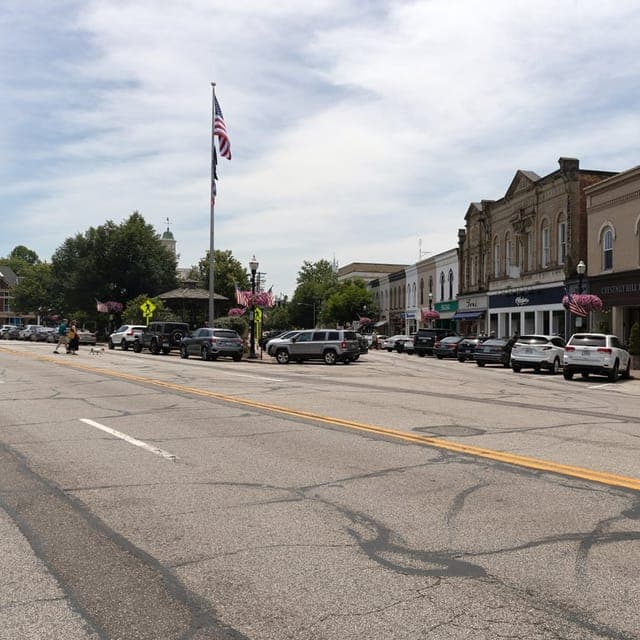
Similar small towns to Hunting Valley
* Values derived from national, state, county, city and local statistics and may differ in a specific area. Last updated: 2026-04-27T14:31:40.000Z
Narrative content on this page is AI-generated and may contain mistakes. Verify any details that matter before acting on them.
ReloMaps may earn a commission from affiliate links at no extra cost to you.

