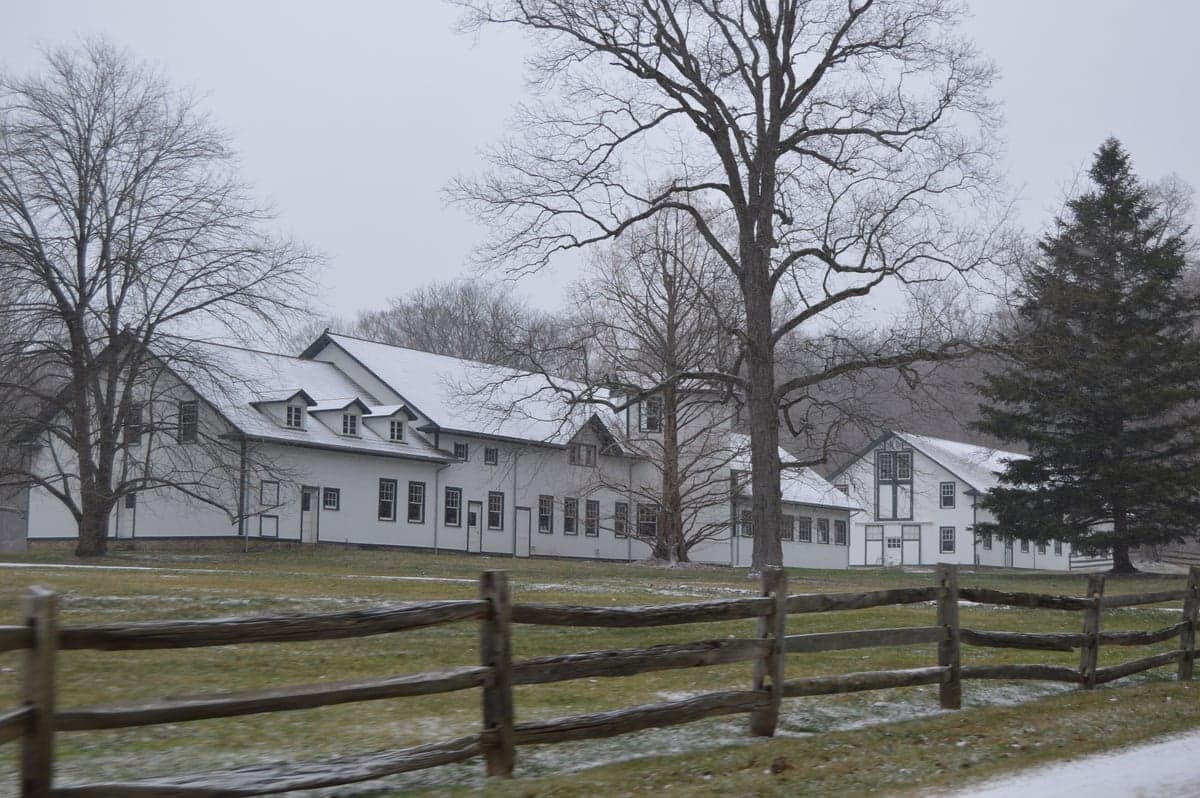
Photo: Wikipedia
Political ClimatePolitical Climate in Hunting Valley, OH
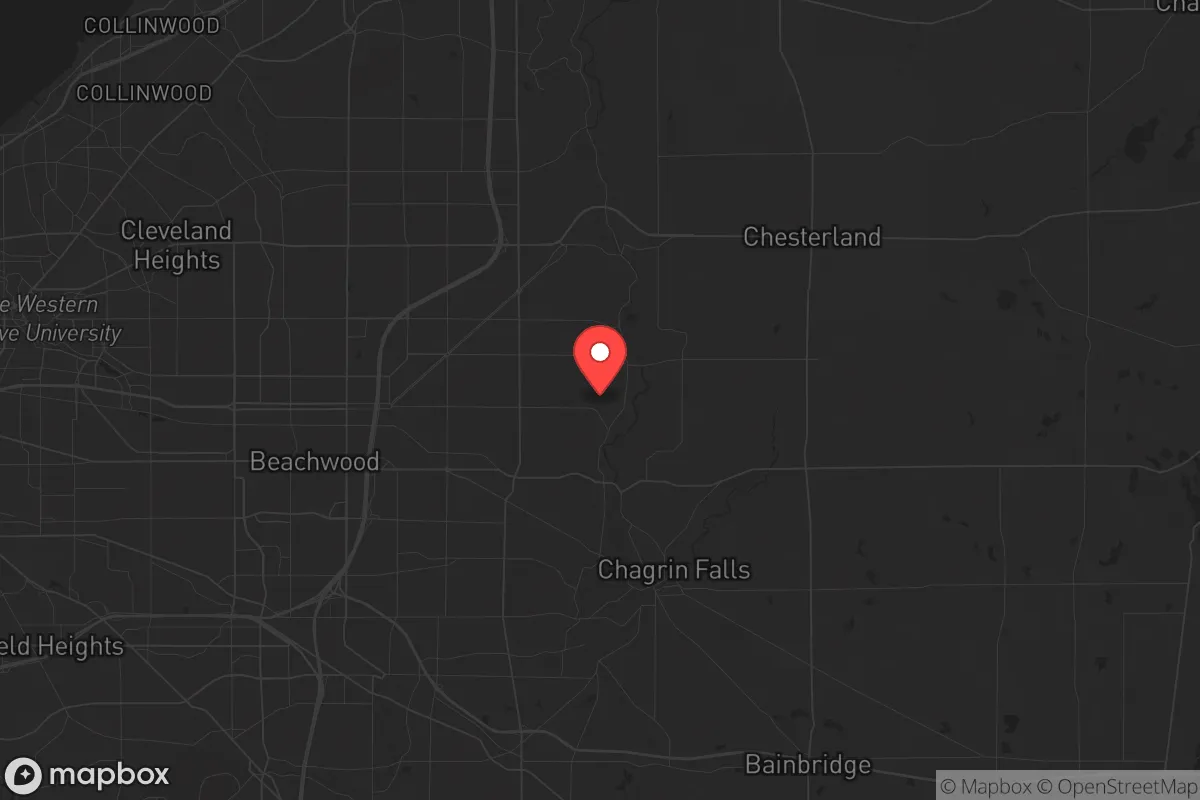
District shown is the primary district for this city’s centroid. Cities may span multiple districts.
Local Political AnalysisPolitical Analysis of Hunting Valley, OH
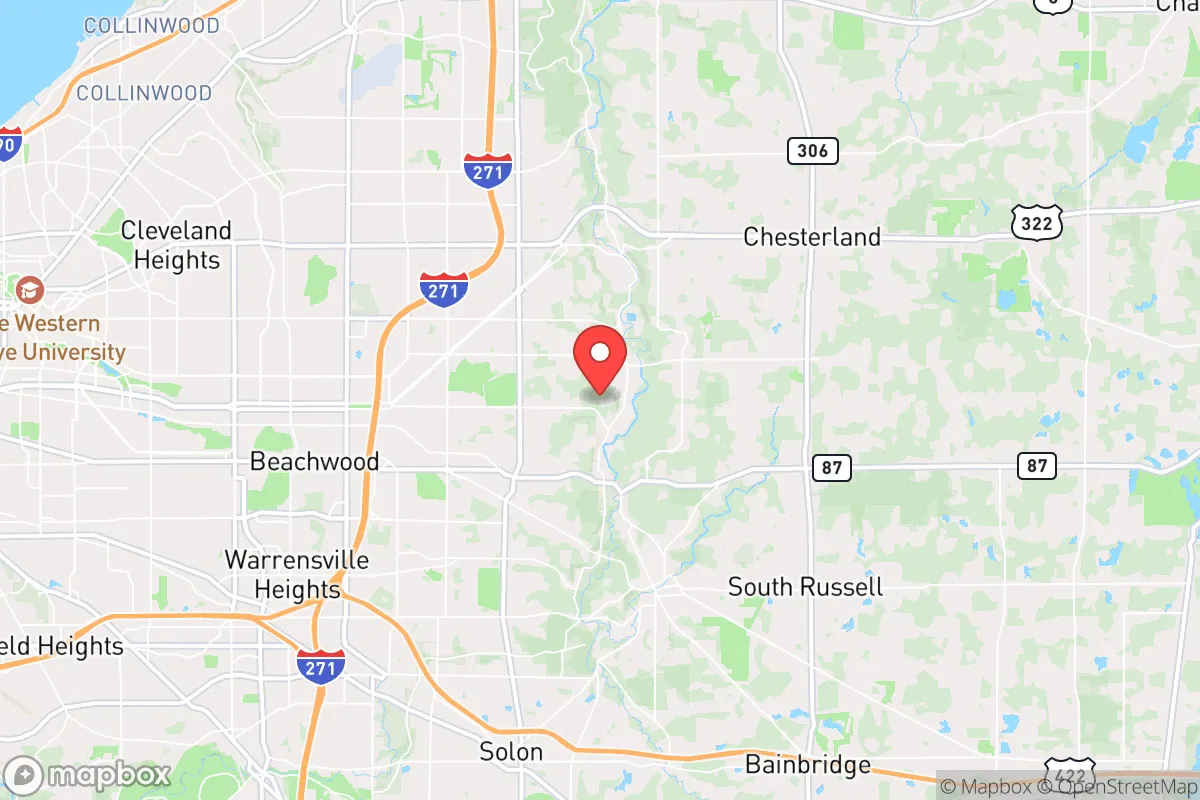
Hunting Valley, Ohio, is one of the most politically lopsided communities in the state, carrying a Cook Partisan Voting Index of D+28. That means this small, wealthy enclave in Cuyahoga and Geauga counties votes about 28 points more Democratic than the national average. If you’re looking at a map, it’s a deep blue island surrounded by redder towns like Moreland Hills and Chagrin Falls, which lean more moderate or conservative. The trajectory here has been a steady march leftward over the past two decades, and frankly, it’s a trend that raises eyebrows for anyone who values limited government and personal liberty.
How it compares
Drive five miles west to Pepper Pike or ten miles south to Solon, and you’ll find communities that still have a healthy mix of conservative and independent voters. But Hunting Valley is a different animal. Its D+28 score puts it in the same league as college towns like Oberlin or inner-ring suburbs like Shaker Heights. The contrast is stark when you look at nearby Geauga County towns like Bainbridge or Russell Township, where Republicans still hold their own. In Hunting Valley, the local elections often go uncontested by conservatives, and the political conversation tends to center on environmental regulations, land-use restrictions, and social policies that feel more like a progressive wish list than common-sense governance. The shift hasn’t been sudden—it’s been a slow erosion of the kind of live-and-let-live ethos that used to define this area.
What this means for residents
For folks who’ve lived here a while, the biggest concern is how this political tilt affects daily life. Property taxes are already high, and with a D+28 lean, there’s little appetite for pushing back on new spending or regulations. You see it in the local zoning battles—more restrictions on what you can do with your own land, more hoops to jump through for simple improvements. The school board and village council tend to reflect the same progressive priorities, which means policies that might sound good on paper—like “sustainability” mandates or diversity initiatives—often come with a side of government overreach. If you value personal freedom, like the right to build a fence without a year-long review or to opt out of a new tax levy, this is not the place where those fights are won. The long-term outlook? Unless there’s a major demographic shift, Hunting Valley will likely get bluer, and with it, the pressure to conform to a one-size-fits-all progressive agenda will only grow.
Culturally, Hunting Valley has always been a quiet, rural-style retreat for wealthy families, but the political climate is starting to change the feel of the place. There’s a growing emphasis on “community standards” that can feel like a polite way of telling people how to live. The local government has pushed for more public access to private lands through conservation easements, which sounds nice until you realize it limits what you can do with your own property. And while the area remains safe and well-maintained, the underlying philosophy is shifting toward a model where the village knows best. For a conservative who values independence, it’s a slow but steady drift away from the principles that made this country great. If you’re thinking of moving here, just know what you’re signing up for—a beautiful, peaceful place with a political machine that’s humming along in a direction you might not agree with.

State Political ClimatePolitical Climate in Ohio
State Political AnalysisPolitical Environment in the State
Ohio has long been the quintessential bellwether state, but over the past decade it has shifted from a classic purple battleground to a reliably red-leaning state, with Donald Trump winning it by 8 points in both 2016 and 2020 and by a similar margin in 2024. The dominant coalition is now a mix of working-class voters in small towns and rural areas, combined with suburban conservatives in the outer rings of Cincinnati, Columbus, and Cleveland. This shift accelerated after 2010, as the Democratic Party lost its grip on the Mahoning Valley and Appalachian southeast, while the GOP consolidated power in the state legislature and governor’s mansion. For a conservative looking to relocate, Ohio offers a solidly red state government with a track record of pushing back against federal overreach, though the major metro areas still lean blue and can feel like islands of progressive governance.
Urban vs. rural divide
The political map of Ohio is starkly divided. The three major metros—Cleveland, Columbus, and Cincinnati—anchor the Democratic vote, with Cuyahoga County (Cleveland) delivering a 30-point margin for Democrats in 2024, while Franklin County (Columbus) and Hamilton County (Cincinnati) are closer to 15-20 point blue leans. But outside those urban cores, the state is deeply red. The rural northwest, including counties like Van Wert and Mercer, routinely votes 75-80% Republican. The Appalachian southeast, from Steubenville down to Portsmouth, flipped hard from blue to red after 2012, driven by cultural conservatism and economic anxiety over coal and manufacturing losses. Suburban counties like Delaware (north of Columbus) and Warren (north of Cincinnati) are now solidly red, while inner-ring suburbs like Shaker Heights and Upper Arlington remain liberal strongholds. The divide is so sharp that a 30-minute drive from downtown Columbus to rural Madison County can feel like crossing into a different country politically.
Policy environment
Ohio’s state-level policy environment is broadly conservative, with a flat income tax rate of 3.5% (down from 4.8% in 2020) and no estate tax. The state legislature, controlled by a supermajority of Republicans, has passed right-to-work legislation (though it was repealed by referendum in 2011), and has consistently opposed Medicaid expansion, though it was implemented via executive action in 2013. Education policy is a mixed bag: school choice is robust, with the EdChoice voucher program allowing students in low-performing districts to attend private schools, but the state also mandates Common Core standards, which many conservatives view as federal overreach. Election laws have tightened: voter ID requirements were strengthened in 2023, and early voting hours were standardized, though the state still allows no-excuse absentee voting. Healthcare policy is largely market-driven, with no state-level individual mandate and limited abortion access after a 2019 heartbeat bill was signed into law, though a 2023 constitutional amendment enshrined abortion rights, overriding the legislature. For a conservative, the tax and regulatory environment is favorable, but the abortion amendment and lingering Common Core are sore points.
Trajectory & freedom
Ohio’s trajectory on personal freedom is a mixed bag. On the positive side, the state has expanded gun rights significantly: in 2022, it passed constitutional carry (permitless concealed carry), and it has strong preemption laws preventing local governments from enacting their own gun restrictions. Parental rights were bolstered in 2023 with the Parents’ Bill of Rights, which requires schools to notify parents of curriculum changes and prohibits instruction on sexual orientation in grades K-3. Property rights are strong, with no statewide rent control and limited eminent domain abuse. However, the 2023 abortion amendment, passed by a 57-43 margin, enshrined a right to abortion up to fetal viability, overriding the heartbeat bill and representing a major loss for pro-life advocates. Additionally, the state’s COVID-era mandates—including a statewide mask mandate and business closures in 2020—were seen by many conservatives as government overreach, though the legislature has since passed bills limiting future emergency powers. The trend is toward more freedom on guns and parental rights, but less on life issues, and the state’s heavy reliance on property taxes (which fund schools) remains a burden for homeowners.
Civil unrest & political movements
Ohio has seen its share of political flashpoints. The 2020 protests in Columbus and Cincinnati over George Floyd’s death turned violent in some areas, with property damage and clashes with police, but the state avoided the prolonged unrest seen in Portland or Seattle. The 2023 abortion amendment campaign saw intense grassroots organizing on both sides, with pro-life groups like Ohio Right to Life and progressive groups like Planned Parenthood Advocates of Ohio pouring millions into ads. Election integrity remains a hot topic: the 2020 election in Ohio was relatively smooth, but the 2022 primary saw some controversies over ballot drop boxes and signature verification, leading to the 2023 voter ID law. Immigration politics are less heated than in border states, but the influx of Haitian migrants in Springfield in 2023 sparked local tensions and a state-level push for stricter enforcement. The “Ohio is for Lovers” slogan has been co-opted by both sides, but the real divide is between the urban progressive activists in Columbus and the rural conservative populists in places like Lima and Zanesville. A new resident will notice the political polarization in local news and social media, but physical unrest is rare outside of protests in the capital.
Projection
Over the next 5-10 years, Ohio is likely to become more conservative at the state level, driven by continued out-migration from the urban cores and in-migration of conservatives from blue states seeking lower taxes and gun rights. The rural and exurban areas are growing faster than the cities, with counties like Delaware and Warren seeing double-digit population growth. However, the 2023 abortion amendment shows that progressive ballot initiatives can still win statewide, especially on social issues, and the Democratic base in the cities is aging but still potent. The state’s economy is diversifying, with tech and logistics growth in Columbus and Dayton, but the loss of manufacturing jobs in the Rust Belt will continue to fuel populist anger. Expect the GOP to maintain supermajorities in the legislature, but with internal fights between establishment conservatives and the more populist, Trump-aligned wing. For a new resident, the state will likely remain a red-leaning swing state for presidential elections, but with a solidly conservative state government that will continue to push for lower taxes, school choice, and gun rights, while fighting federal mandates on energy and environmental policy.
For a conservative moving to Ohio, the bottom line is this: you get a state with a conservative government that respects gun rights, keeps taxes low, and protects parental authority, but you’ll have to live with the 2023 abortion amendment and the occasional progressive ballot initiative. The urban-rural divide means you can choose your community—live in a red suburb like Mason or Powell for a conservative bubble, or in a blue city like Cleveland if you prefer urban amenities and don’t mind the politics. The state is trending redder overall, but the fight over cultural issues will continue, and you’ll need to stay engaged to protect the freedoms that matter most to you. Ohio is a good bet for a conservative relocation, but it’s not a libertarian paradise—it’s a battleground where your vote and your voice still matter.
* Values derived from national, state, county, city and local statistics and may differ in a specific area. Last updated: 2026-04-27T14:31:40.000Z
Narrative content on this page is AI-generated and may contain mistakes. Verify any details that matter before acting on them.
ReloMaps may earn a commission from affiliate links at no extra cost to you.

