 Popular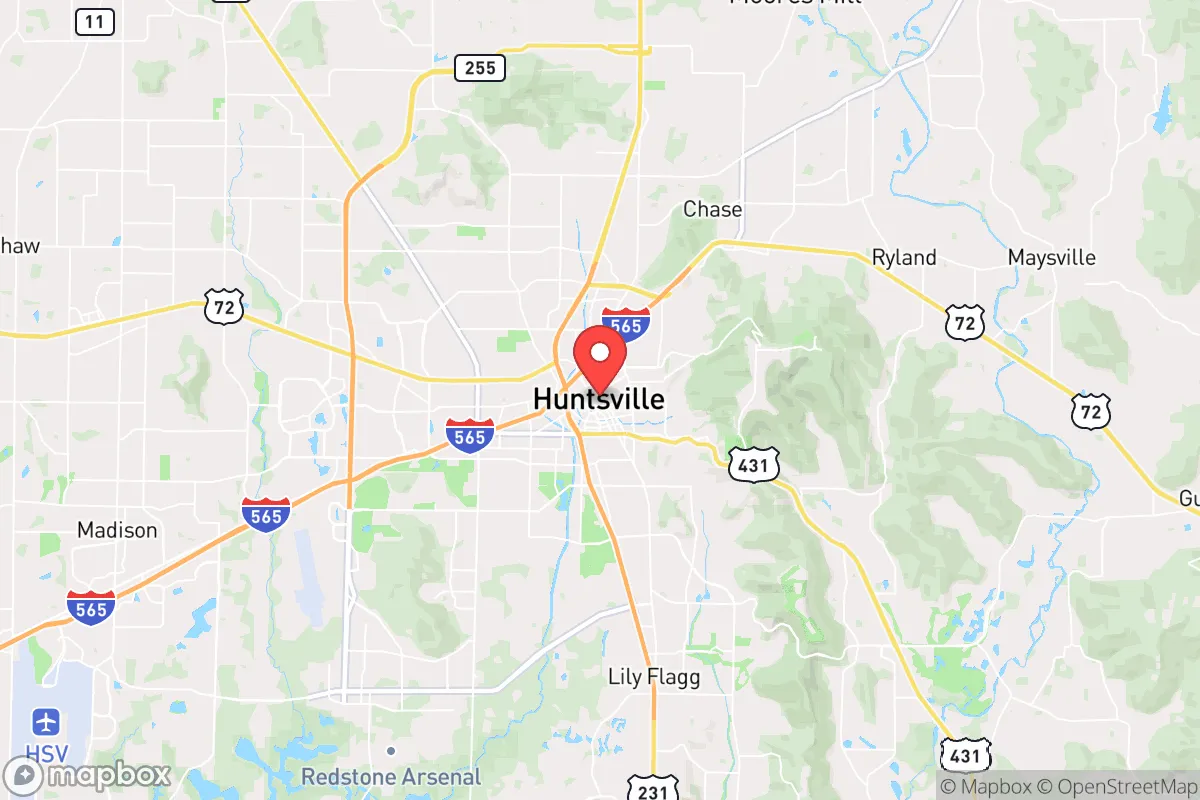
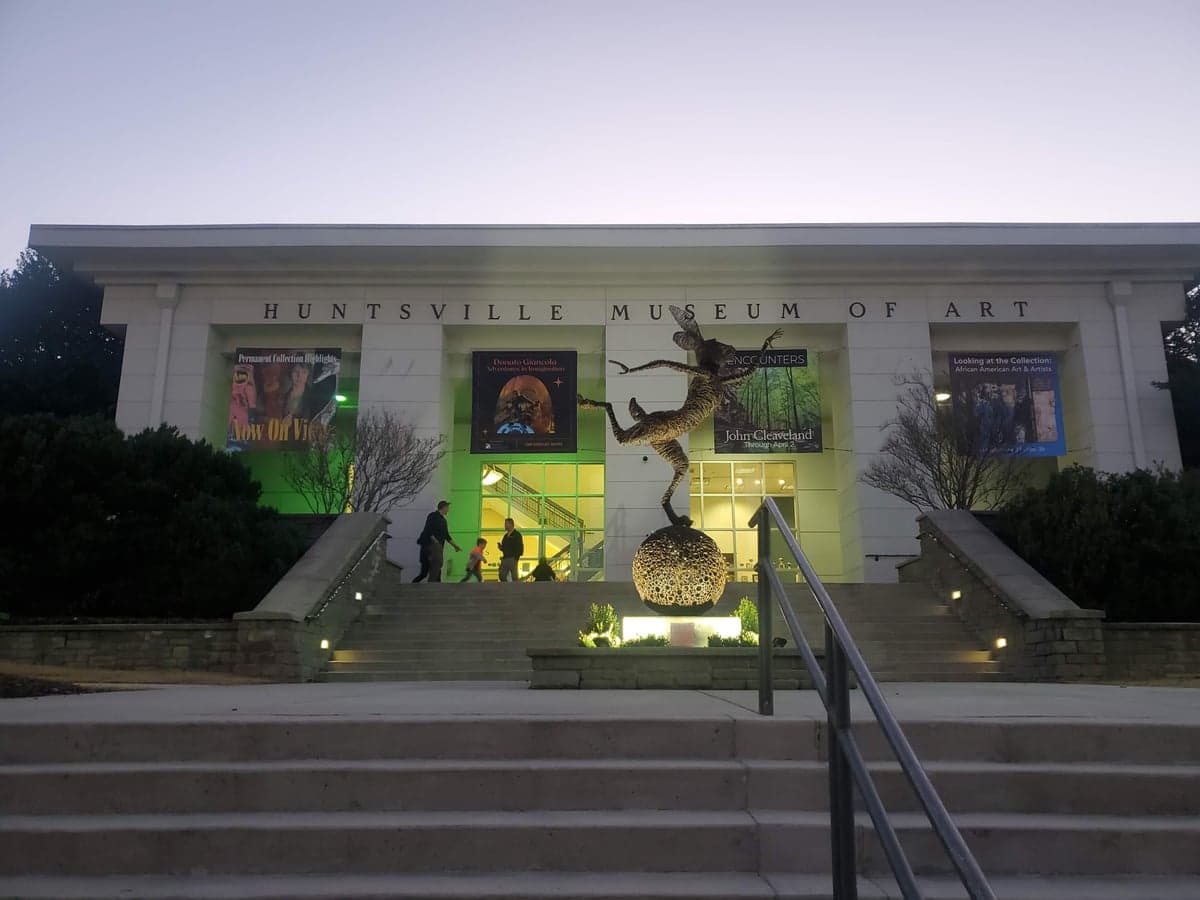
Photo: Wikipedia
Political ClimatePolitical Climate in Huntsville, AL
District shown is the primary district for this city’s centroid. Cities may span multiple districts.
Local Political AnalysisPolitical Analysis of Huntsville, AL
Huntsville, Alabama, leans solidly conservative, with a Cook Partisan Voting Index of R+15, meaning the area votes about 15 points more Republican than the national average. That’s not just a number—it reflects a deep-rooted culture of self-reliance and limited government that has defined this place for decades. But if you’ve lived here as long as I have, you’ve noticed the political winds shifting, especially as the city’s booming aerospace and tech sectors bring in newcomers from all over. The trajectory is still conservative overall, but there’s a growing tension between the old-school, leave-me-alone crowd and a more progressive, government-knows-best element that’s starting to make noise in local elections and school board meetings.
How it compares
Drive 20 miles south to Decatur, and you’ll find a similar conservative vibe, though it’s more blue-collar and less influenced by the federal contractors that dominate Huntsville. Head west to Madison, a Huntsville suburb, and it’s even more reliably Republican—think church potlucks and backyard barbecues where nobody’s debating carbon taxes. But the real contrast is Birmingham, about 90 minutes south, which leans Democratic and has a much more activist local government. Huntsville’s R+15 rating puts it squarely in the same camp as Athens and Scottsboro to the northeast, but the difference is that Huntsville’s growth is attracting a younger, more diverse crowd that sometimes brings big-city ideas about zoning, public transit, and “equity” initiatives. That’s where the friction starts—when folks who moved here for the jobs start pushing for policies that feel like the very places they left behind.
What this means for residents
For the average Huntsville resident, the political climate means you can generally expect low taxes, minimal red tape, and a government that stays out of your business—at least for now. Property taxes are among the lowest in the state, and there’s no state income tax on wages, which is a big deal for families trying to get ahead. But the creeping concern is that as the city grows, so does the appetite for “solutions” that come with strings attached. You’re seeing it in debates over mask mandates in schools, vaccine requirements for city contractors, and even discussions about “affordable housing” mandates that sound an awful lot like government picking winners and losers. The long-time residents I talk to are watching these trends like hawks, because once you let the camel’s nose under the tent, it’s hard to push it back out. The near-term outlook is still solidly conservative, but the long-term trajectory depends on whether the newcomers assimilate into Huntsville’s live-and-let-live culture or try to reshape it in their own image.
Culturally, Huntsville still feels like a place where personal freedom and responsibility are the default, not something you have to fight for. You can buy a gun without a waiting period, build a shed on your property without a dozen permits, and send your kid to a school that isn’t pushing critical theory on them. But there’s a growing divide between the old guard—who remember when the biggest political fight was over a new highway interchange—and the new arrivals who want bike lanes, “inclusive” zoning, and a more active city council. The policy distinction that matters most is that Huntsville’s leadership has historically been pragmatic, not ideological, which has kept the worst of government overreach at bay. If that pragmatism holds, we’ll be fine. If it gives way to progressive activism, well, that’s when I start looking at property in New Market or Hazel Green, where the county government is even more hands-off.

State Political ClimatePolitical Climate in Alabama
State Political AnalysisPolitical Environment in the State
Alabama is a deeply red state, with Republicans holding every statewide elected office and supermajorities in both legislative chambers, a position they’ve solidified over the past 20 years. The state voted for Donald Trump by a 25-point margin in 2024, and the GOP’s dominance extends from the governor’s mansion down to county commissions. However, this isn’t a monolithic conservative monolith—there’s a real urban-rural split, and the political climate is shaped by a mix of traditional Southern conservatism, evangelical influence, and a growing libertarian streak that’s wary of federal overreach.
Urban vs. rural divide
The political map of Alabama breaks down along clear geographic lines. The major metros—Birmingham, Montgomery, and Huntsville—are the blue dots in a sea of red. Jefferson County (Birmingham) has trended Democratic for decades, driven by a large African American population and a growing professional class. Montgomery County, home to the state capital, is similarly Democratic, though its politics are more moderate than Birmingham’s. Huntsville, the state’s fastest-growing city, is a fascinating exception: it’s a Republican-leaning metro thanks to its high concentration of defense contractors and engineers, but it’s not as deep red as the rural areas. The rural counties—like DeKalb, Marshall, and Geneva—are reliably Republican, often by 60-70 point margins. The Black Belt, a swath of counties stretching across central Alabama, is heavily Democratic and predominantly African American, but these areas have low voter turnout and shrinking populations. The real political energy is in the suburbs and exurbs, places like Auburn and Opelika, where families and retirees are moving for lower taxes and a slower pace.
Policy environment
Alabama’s policy environment is aggressively conservative, with a strong emphasis on limited government and low taxes. The state has no income tax on Social Security benefits, and the top marginal income tax rate is just 5%, one of the lowest in the South. Property taxes are among the lowest in the nation, averaging about 0.4% of assessed value, which is a huge draw for families and retirees. The regulatory posture is business-friendly, with right-to-work laws and minimal zoning restrictions outside of major cities. Education policy is a mixed bag: the state has a robust school choice movement, including charter schools and a growing Education Savings Account program, but public school funding remains below the national average. Healthcare is a flashpoint—Alabama refused to expand Medicaid under the Affordable Care Act, leaving many rural hospitals struggling, but the state has also passed laws protecting medical conscience rights for doctors and limiting abortion access. Election laws are strict: voter ID is required, and the state has closed primaries, which some see as a safeguard against fraud and others as a barrier to participation. The legislature has also passed laws banning ballot drop boxes and limiting absentee voting, moves that conservatives argue protect election integrity.
Trajectory & freedom
Alabama is trending toward more personal freedom in several key areas, but there are worrying signs of government overreach. On the positive side, the state passed constitutional carry in 2022, allowing law-abiding citizens to carry a concealed firearm without a permit—a major win for gun rights. The legislature also passed a parental rights bill in 2023 that requires schools to notify parents of any changes to a child’s mental or physical health, and it banned transgender procedures for minors. Property rights are strong, with no statewide rent control and minimal eminent domain abuse. However, the state’s tax structure is regressive, and sales taxes on groceries are among the highest in the nation, which hits low-income families hard. There’s also a growing concern about the state’s involvement in medical freedom: Alabama has some of the strictest vaccine mandates for schoolchildren, and during COVID, the governor’s emergency powers were used to shut down businesses and mandate masks, though those powers have since been reined in by the legislature. The trajectory is toward more liberty on cultural issues, but the state’s fiscal policies and emergency powers remain a concern for those who value limited government.
Civil unrest & political movements
Alabama has seen relatively little civil unrest compared to other states, but there are active political movements on both sides. The left is concentrated in Birmingham and Montgomery, where groups like the Alabama Poor People’s Campaign and Black Lives Matter have organized protests, particularly after the murder of George Floyd in 2020. These protests were largely peaceful, but there were isolated incidents of property damage in Birmingham. On the right, the Alabama Citizens for Constitutional Freedom and the Alabama Gun Owners Association are active, pushing for further gun rights and opposing federal overreach. Immigration politics are a hot-button issue, especially in rural areas and along the I-65 corridor. The state passed a strict immigration law in 2011 (HB 56), which was largely gutted by the courts, but there’s still a strong sentiment against sanctuary cities—none exist in Alabama. Election integrity controversies have been minimal, but there was a brief flare-up in 2020 when some counties reported long lines and ballot counting delays, leading to calls for stricter laws. The most visible flashpoint for a new resident would be the Confederate monument debates, particularly in Montgomery and Birmingham, where statues have been removed or relocated, sparking heated local battles.
Projection
Over the next 5-10 years, Alabama is likely to become more conservative, not less. The in-migration patterns are clear: people are moving from blue states like California, Illinois, and New York to places like Madison, Hoover, and Vestavia Hills, drawn by lower taxes and a slower pace of life. These newcomers tend to be conservative-leaning, often fleeing high taxes and progressive policies. The rural areas will continue to shrink, but the suburbs and exurbs will grow, solidifying the GOP’s hold. The biggest wildcard is Huntsville, which is attracting a younger, more educated workforce from out of state—some of whom may bring more moderate views. But even there, the political culture is shaped by the defense industry, which tends to be patriotic and pro-military. The state’s demographic shift is slow: the white population is aging, while the Hispanic population is growing, but not fast enough to flip any districts. The Black Belt will continue to lose population, reducing Democratic turnout. Expect more school choice expansion, further tax cuts, and continued resistance to federal mandates on healthcare and education. The biggest threat to freedom is the state’s reliance on sales taxes and its failure to address the regressive tax structure, which could lead to future budget crises.
For a new resident, the bottom line is this: Alabama offers a high degree of personal freedom on cultural and economic issues, but you’ll need to be vigilant about state overreach during emergencies and the regressive tax system. If you’re looking for a place where your gun rights are protected, your taxes are low, and your kids won’t be exposed to progressive ideology in schools, Alabama is a strong choice. Just know that the political climate is stable and deeply conservative, and the biggest battles ahead will be over how much freedom the state government should have during crises—not over whether it should be conservative at all.
* Values derived from national, state, county, city and local statistics and may differ in a specific area. Last updated: 2026-04-19T18:55:52.000Z
Narrative content on this page is AI-generated and may contain mistakes. Verify any details that matter before acting on them.
ReloMaps may earn a commission from affiliate links at no extra cost to you.

