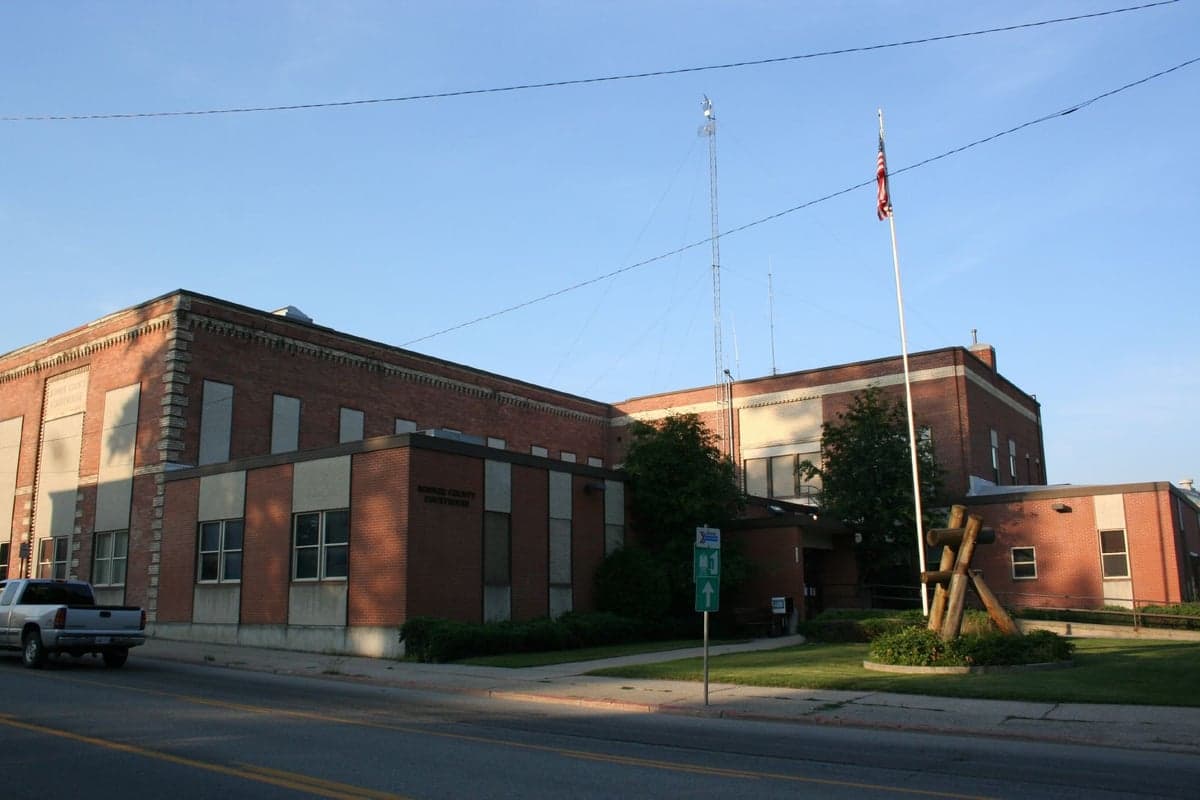
Photo: Wikipedia
Quality of Life in Bonner County
A livable area that tracks near national norms for affordability, walkability, and neighborhood health.
What does Quality of Life tell us?
Quality of Life measures an area by evaluating factors like cost of living, nearby amenities, country club access, airport proximity, socioeconomic signals and neighborhood character. For large states, this is a general average — quality of life can vary dramatically between metro areas, suburbs, and rural communities within the same state.
What does this tell us?
Quality of Life measures an area by evaluating factors like cost of living, nearby amenities, country club access, airport proximity, socioeconomic signals and neighborhood character. For large states, this is a general average — quality of life can vary dramatically between metro areas, suburbs, and rural communities within the same state.
Cost of Living
16% above national average
53%
The Real Cost of Living in Bonner County for 2026
| Tier | Individual | Family (4) |
|---|---|---|
| Survival | $17k | $32k |
| Comfortable | $84k | $124k |
| Luxury | $118k+ | $182k+ |
| Elite (Top 5%) | $151k+ | $233k+ |
Quality-of-Life Analysis
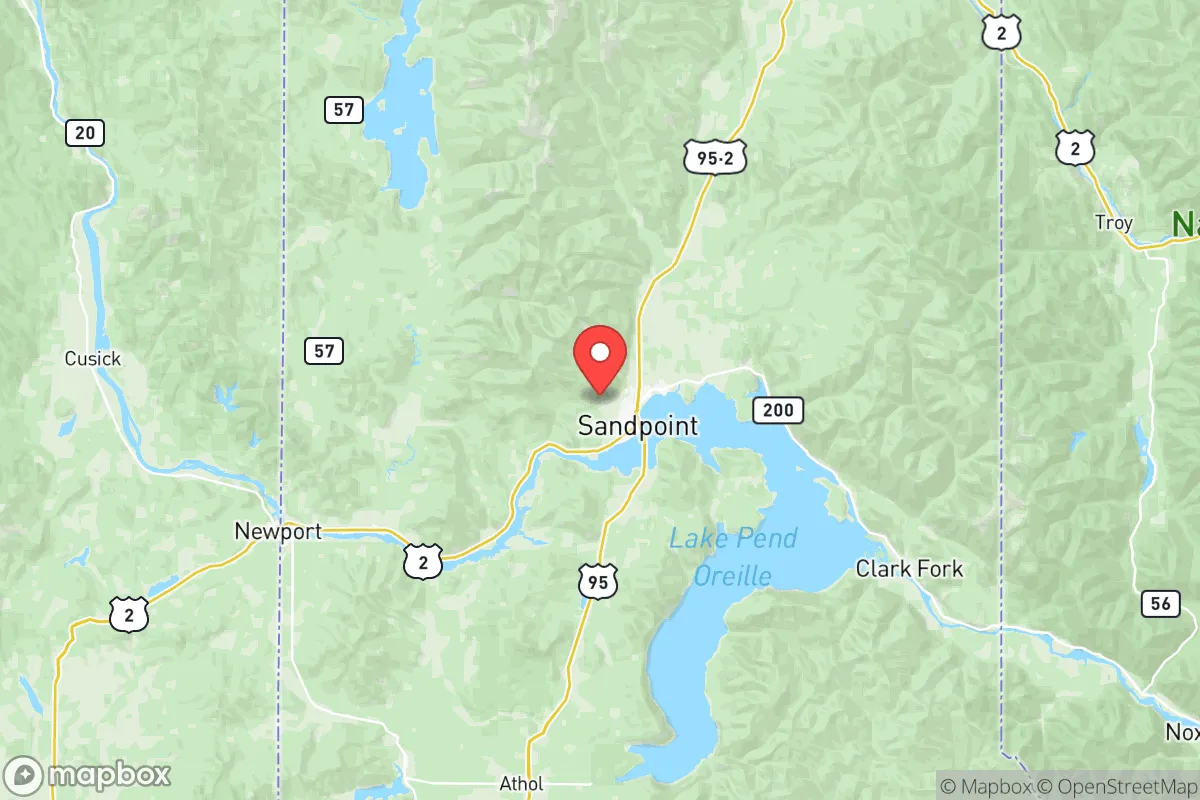
Bonner County, Idaho, offers a broad spectrum of quality-of-life options, from the resort-oriented bustle of Sandpoint to the quiet, self-sufficient lifestyle of remote communities like Nordman and Coolin. The county’s character shifts dramatically across its 1,920 square miles of forest, lakefront, and mountain terrain, attracting distinct groups: second-home owners and outdoor recreationists gravitate to the water, while remote workers and retirees seek affordable land in the interior, and long-time locals maintain a working-lands culture in the agricultural valleys. This diversity means a single county can feel like three different worlds depending on where you land.
Largest town(s) & population centers
Sandpoint, the county seat and only incorporated city of significant size (population roughly 9,000), is the commercial and cultural hub. Daily life here centers on a walkable downtown with independent shops, breweries, and the historic Panida Theater, while Schweitzer Mountain Resort and Lake Pend Oreille provide year-round recreation. Sandpoint’s housing market is the county’s most expensive, with median home values well above the county average of $433,400, and its cost of living index of 116 (16% above the U.S. average) reflects the premium for lake and ski access. Ponderay and Kootenai, immediately south of Sandpoint along U.S. Highway 95, function as bedroom communities and commercial strips, offering more affordable housing options and quick access to big-box retail and the Bonner County Airport.
Smaller towns & rural pockets
Beyond the Sandpoint area, the county’s smaller communities each have a distinct identity. Priest River (pop. ~1,750) anchors the western side with a working-class timber and recreation economy, lower home prices, and a slower pace. Clark Fork, at the eastern tip of Lake Pend Oreille, is a tiny lakeside village popular with anglers and those seeking isolation. The Selkirk Loop corridor north of Sandpoint includes unincorporated areas like Samuels and Colburn, where large-lot residential subdivisions mix with cattle ranches. On the remote Priest Lake side, Nordman and Coolin are unincorporated resort communities with seasonal populations that swell in summer; year-round living there requires a tolerance for long drives (the average county commute is 23.7 minutes, but Priest Lake to Sandpoint is over an hour) and limited services.
Cost & lifestyle range
The cost-of-living spread across Bonner County is wide. At the high end, lakefront properties on Lake Pend Oreille and Priest Lake routinely exceed $1 million, and even modest homes in Sandpoint’s city limits command a premium. At the lower end, the Westmond and Laclede areas south of Sandpoint offer raw land and older fixer-uppers for under $300,000, and manufactured homes in rural subdivisions near Dover or Sagle can be found for $250,000–$350,000. Median rent countywide is $1,059, but rental availability is extremely tight in Sandpoint and near the lakes, while rural rentals are scarce. Amenities follow the same gradient: Sandpoint has a hospital, full-service grocery stores, and fiber internet; Priest River has a clinic and basic services; Nordman has a general store and seasonal gas station. Broadband access is a key differentiator — fiber is common in Sandpoint and newer subdivisions, but many rural pockets still rely on satellite or fixed wireless.
Bonner County best suits people who value outdoor recreation and are comfortable with trade-offs in services and distance. Remote workers with reliable internet and a tolerance for winter driving thrive in the smaller towns, while retirees and second-home owners often prefer Sandpoint’s amenities or the lake communities’ seasonal beauty. Those seeking the lowest cost of entry and a true rural lifestyle will find it in the county’s southern and western reaches, provided they can manage longer commutes and self-sufficient living. The county’s political culture leans conservative, with a strong libertarian streak, and newcomers should expect a community that values privacy and local autonomy above all else.

Crime in Bonner County
Lower crime rates than 77% of comparable U.S. locations.
Violent CrimeViolent Crime Analysis
Property CrimeProperty Crime Analysis
Crime Analysis
Bonner County, Idaho, presents a mixed safety profile where overall crime rates fall below national averages but remain elevated compared to the rest of the state, with notable variation between its small cities and unincorporated areas. The county's violent crime rate of 217.1 incidents per 100,000 residents and property crime rate of 613.4 per 100,000 place it in a middle tier among Idaho's 44 counties. While the region benefits from low population density and strong community ties, specific municipalities and judicial trends warrant closer examination for anyone considering relocation.
Crime in context
Bonner County's violent crime rate is roughly 40% below the national average of 380 per 100,000, but it runs about 15% higher than the Idaho state average of 189 per 100,000. Property crime tells a similar story: the county's rate is about 30% lower than the U.S. figure of 1,954 per 100,000, yet it exceeds the Idaho average of 1,020 per 100,000 by a significant margin. The county seat, Sandpoint, accounts for a disproportionate share of reported incidents, particularly thefts and vehicle break-ins tied to tourism and seasonal population surges. By contrast, smaller communities like Priest River and Clark Fork report substantially lower crime volumes, though their smaller populations can produce volatile year-over-year rates. The Bonner County Sheriff's Office handles law enforcement across most unincorporated areas, while Sandpoint maintains its own police department.
What residents experience
Property crime — primarily larceny, burglary, and motor vehicle theft — is the most common safety concern for Bonner County residents. The county's property crime rate of 613.4 per 100,000 translates to roughly 1 in 163 residents experiencing a property crime annually. Violent crime, at 217.1 per 100,000, is less frequent but not negligible, with aggravated assault making up the majority of incidents. Residents of Sandpoint and the Dover area near the Long Bridge report higher instances of theft from vehicles and storage units, particularly during summer months when the population swells with tourists and seasonal workers. The First Judicial District, which covers Bonner County, has seen increasing concern among residents about progressive sentencing trends and district attorney policies that some argue prioritize offender rehabilitation over public safety. Critics point to a pattern of plea deals and reduced charges for repeat property offenders, which they say contributes to a revolving-door effect in the county jail and undermines deterrence. This judicial philosophy, while well-intentioned, has led to frustration among victims and neighborhood watch groups who feel that accountability is insufficient to prevent recidivism.
Neighborhood-level variation
Safety conditions vary considerably across Bonner County's 1,920 square miles. The Sandpoint urban area, particularly the downtown core and the Kootenai Cutoff Road corridor, sees the highest concentration of reported incidents, including drug-related offenses and theft. The Ponderay commercial district, anchored by the Bonner Mall and big-box retailers, experiences elevated property crime linked to shoplifting and vehicle break-ins. In contrast, the Sagle area south of Sandpoint and the Laclede region along the Pend Oreille River report significantly lower crime rates, benefiting from rural isolation and strong neighborhood watch participation. The Priest Lake area, while generally safe, sees seasonal spikes in burglaries targeting vacation homes during off-peak months. For prospective residents, the safest bets are the smaller unincorporated communities and the outer reaches of the county, where population density is lowest and law enforcement response times are longer but crime incidents are rare. Those considering Sandpoint proper should research specific neighborhoods and consider proximity to the downtown core, as blocks just a few minutes apart can show markedly different safety profiles.
* Values derived from national, state, county, city and local statistics and may differ in a specific area. Last updated: 2026-08-08T12:20:16.000Z
Narrative content on this page is AI-generated and may contain mistakes. Verify any details that matter before acting on them.
ReloMaps may earn a commission from affiliate links at no extra cost to you.

