Photo: Wikipedia
Find The Best Places To Live
in Oak Park
PRO TIP! You can paste a Zillow or Redfin link to get info on that property.
What It's Like Living in Oak Park, IL
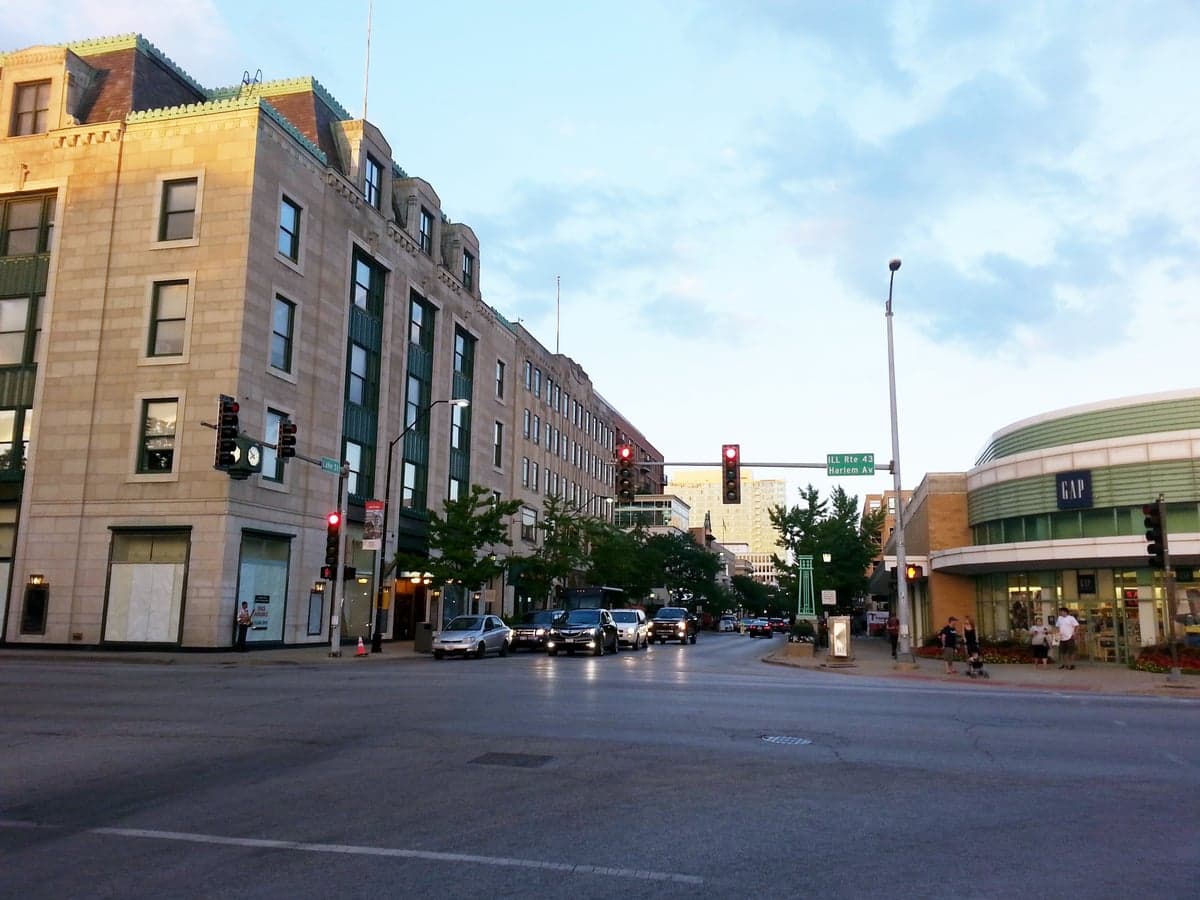
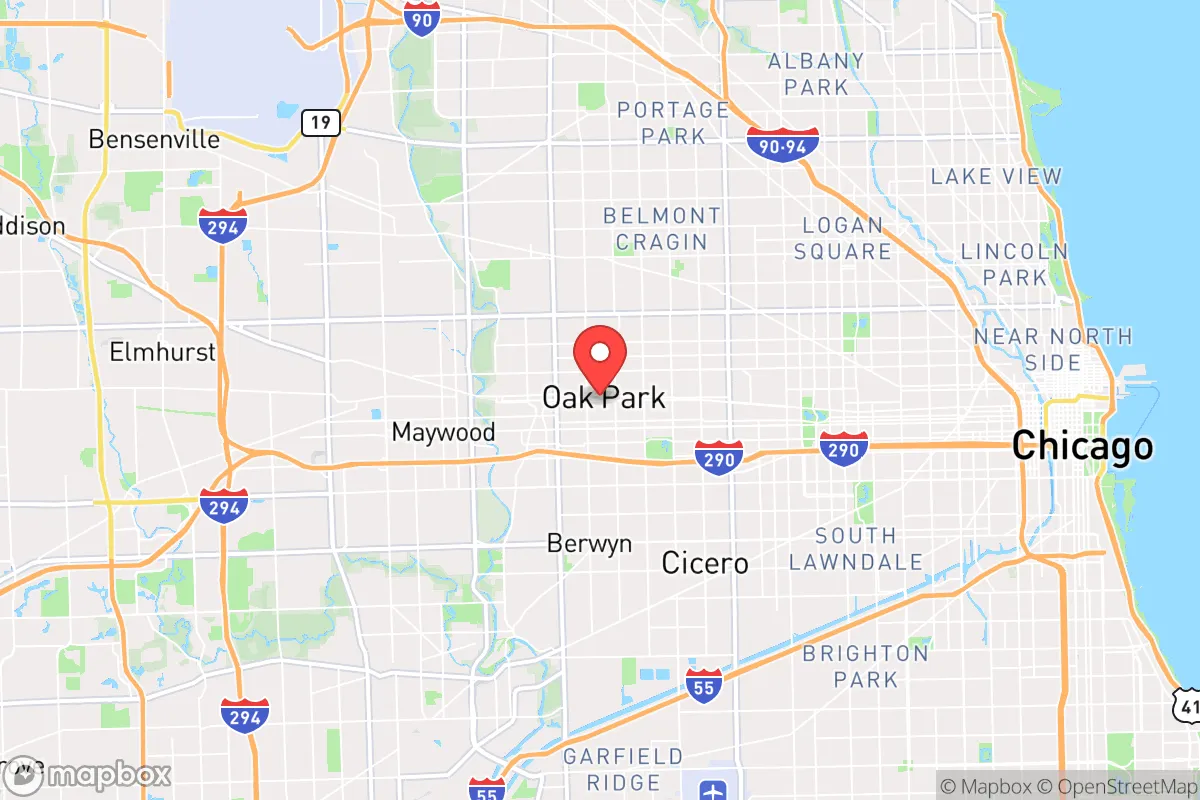
Oak Park, Illinois, is a place where the legacy of Frank Lloyd Wright and Ernest Hemingway meets the daily reality of a dense, walkable suburb just eight miles west of downtown Chicago. It’s a community that wears its progressive politics and architectural pride on its sleeve, but beneath that, you’ll find a surprisingly practical place where families, young professionals, and longtime residents navigate a trade-off: you get a vibrant, historic village with a real downtown, but you pay a premium for it in both dollars and patience.
The Daily Rhythm: Walkable Blocks and a Commuter’s Grind
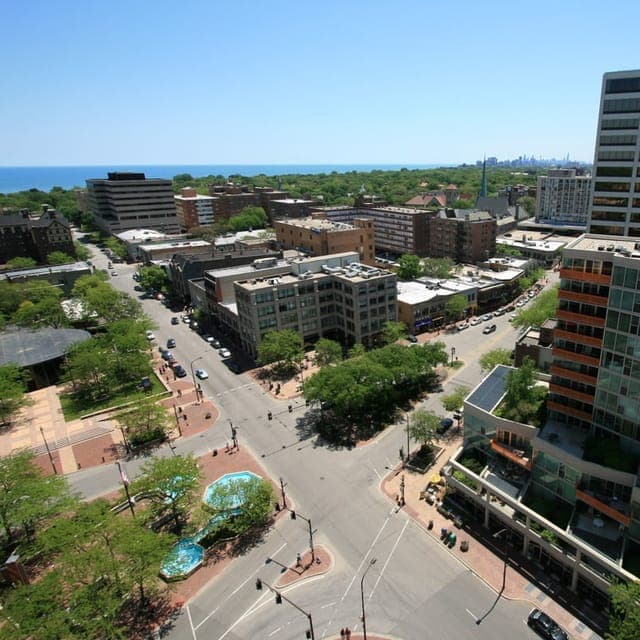
Life in Oak Park revolves around its tree-lined streets and a downtown that actually functions as a town center. On a typical Saturday, you’ll see people grabbing coffee at Buzz Cafe or a pastry from BellyQ, then walking to the Oak Park Farmers’ Market (a staple since the 1970s) on the Pilgrim Church lawn. The village’s 53,315 residents are a mix of professionals, academics, and creative types, with a median age of 40.6 and a staggering 72.5% holding a college degree. That education level shows in the conversations you overhear—often about school board politics, local theater, or the best route to avoid the Eisenhower Expressway.
The practical reality is the commute. The average trip to work is 31.75 minutes, and for many, that means a train ride on the Metra Union Pacific West line or the CTA Green Line. The Green Line station at Harlem and Lake is a lifeline, dropping you in the Loop in about 20 minutes. But if you drive, the Eisenhower (I-290) can turn a 20-minute trip into a 45-minute crawl, especially during Cubs games or construction season. Winters are real—snow removal is generally good, but the lake-effect wind off the city can make a January walk to the train feel like a polar expedition.
Sports, Community, and the High School That Runs the Town
If you want to understand Oak Park’s identity, start with Oak Park and River Forest High School (OPRF). It’s not just a school; it’s the social and athletic anchor of the village. With over 3,200 students, OPRF fields competitive teams in nearly every sport, but football and basketball draw the biggest crowds. Friday night lights at Stadium Field are a genuine community event, where parents, alumni, and even childless neighbors show up to cheer the Huskies. The school’s rivalry with Fenwick High School (just across the border in Oak Park) is intense, but it’s a friendly, respectful one—both schools produce Division I athletes regularly.
For pro sports, Oak Park is firmly in Chicago’s orbit. You’ll see as many Cubs hats as White Sox caps, and the Chicago Bulls and Blackhawks have strong followings. But the real local sports culture is participatory. The Oak Park Runners Club organizes weekly group runs, and the Park District of Oak Park runs leagues for soccer, softball, and tennis that are packed with adults who treat them as seriously as their jobs. The village’s 18 parks and 50 acres of green space (including the sprawling Mills Park and Scoville Park) are used year-round for pick-up games, dog walking, and the occasional outdoor concert.
What’s There to Do: Festivals, Frank Lloyd Wright, and Good Food
Oak Park’s cultural life punches above its weight. The Frank Lloyd Wright Home and Studio draws architecture tourists from around the world, but locals treat it as a neighborhood landmark. The Oak Park Arts District along Harrison Street hosts monthly gallery walks and live music at places like The Avenue and Harrison Street Arts Center. The Oak Park Micro Brew Review (a craft beer festival in August) and the Oak Park Wine Festival in September are the kind of events where you’ll run into your neighbors and end up talking for an hour.
Dining is solid but not flashy. Poor Phil’s is the go-to for a classic bar burger and a beer, while Maya del Sol serves upscale Mexican in a converted bank building. For a special night, Trattoria 225 offers Italian that’s good enough to justify the price tag. The Lake Theatre is a vintage movie house that shows indie films and hosts the Oak Park International Film Festival. And if you’re willing to drive 10 minutes, Ferrara Bakery in Forest Park is a must for cannoli.
Pros and Cons of Living Here: The Honest Trade-Offs
- Pro: Walkability and transit. You can live without a car if you work in the city. The Green Line and Metra are reliable, and the village is bike-friendly with dedicated lanes on major streets.
- Con: The cost. The median home value is $456,300, and the cost of living index sits at 140 (40% above the national average). Rent for a one-bedroom apartment often exceeds $1,500. That $108,026 median income goes fast when property taxes are among the highest in the nation—expect to pay $8,000–$12,000 annually on a typical home.
- Pro: Schools and safety. OPRF is consistently ranked among the top high schools in Illinois. The violent crime rate of 236 per 100,000 is below the national average, and most crime is property-related (car break-ins, package theft).
- Con: The politics and the pace. Oak Park is deeply progressive—think yard signs for every Democratic candidate and a village board that debates everything from zoning to tree removal. If you lean conservative, you’ll feel like an outlier. The village also has a “not invented here” attitude that can frustrate newcomers who want to change things quickly.
- Pro: Community feel. Block parties, the Oak Park Conservatory, and the Oak Park Public Library (a stunning Carnegie building) create real social glue. People know their neighbors.
- Con: Traffic and parking. Street parking is a nightmare near the downtown and the high school. The village’s narrow streets, designed for horse-and-buggy traffic, don’t handle modern volumes well.
The kind of person who fits in here is someone who values walkability, cultural density, and a strong sense of place over space and quiet. It’s a village that rewards engagement—join a committee, coach a youth team, or volunteer at the farmers’ market, and you’ll feel like a local fast. But if you want a big yard, a three-car garage, and a low property tax bill, this isn’t the place. Oak Park is a trade-off, and for the 53,000 people who call it home, it’s one they’ve made willingly.

Similar small cities to Oak Park

* Values derived from national, state, county, city and local statistics and may differ in a specific area. Last updated: 2026-04-29T19:33:16.000Z
Narrative content on this page is AI-generated and may contain mistakes. Verify any details that matter before acting on them.
ReloMaps may earn a commission from affiliate links at no extra cost to you.

