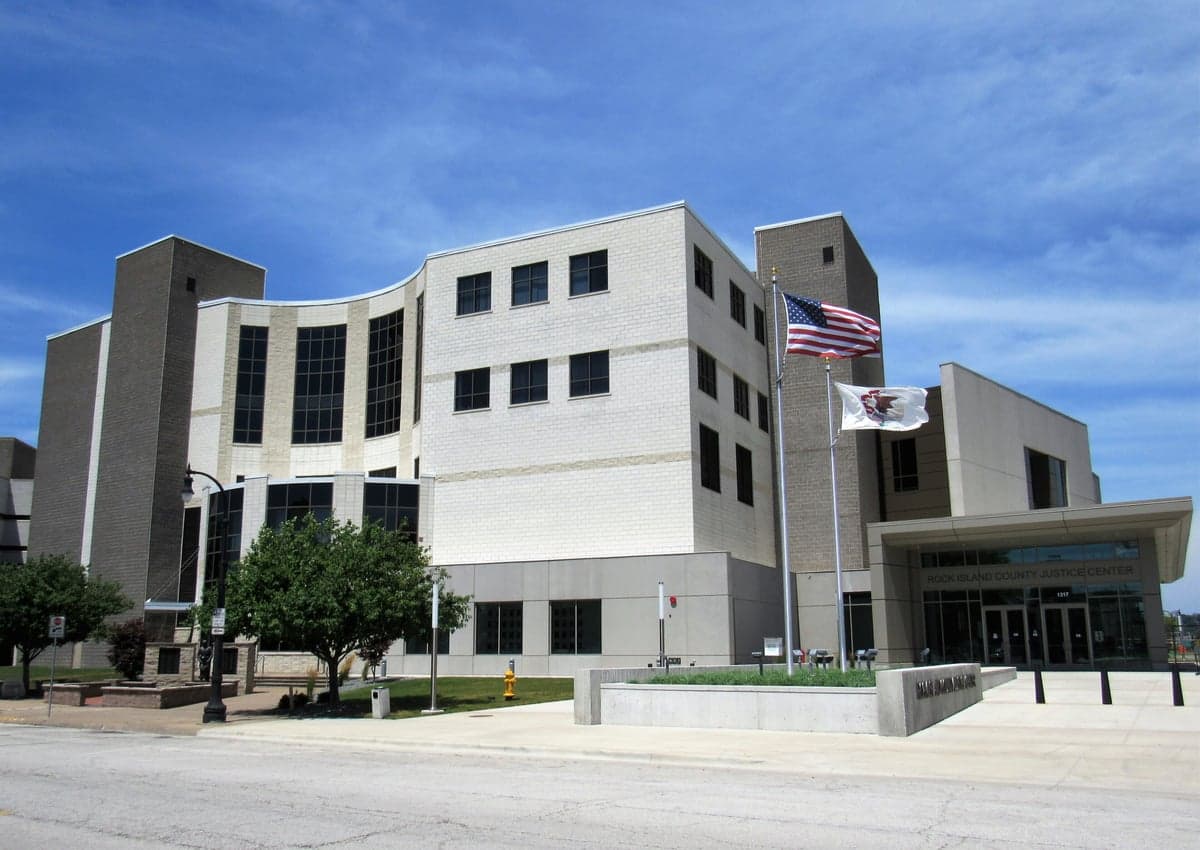
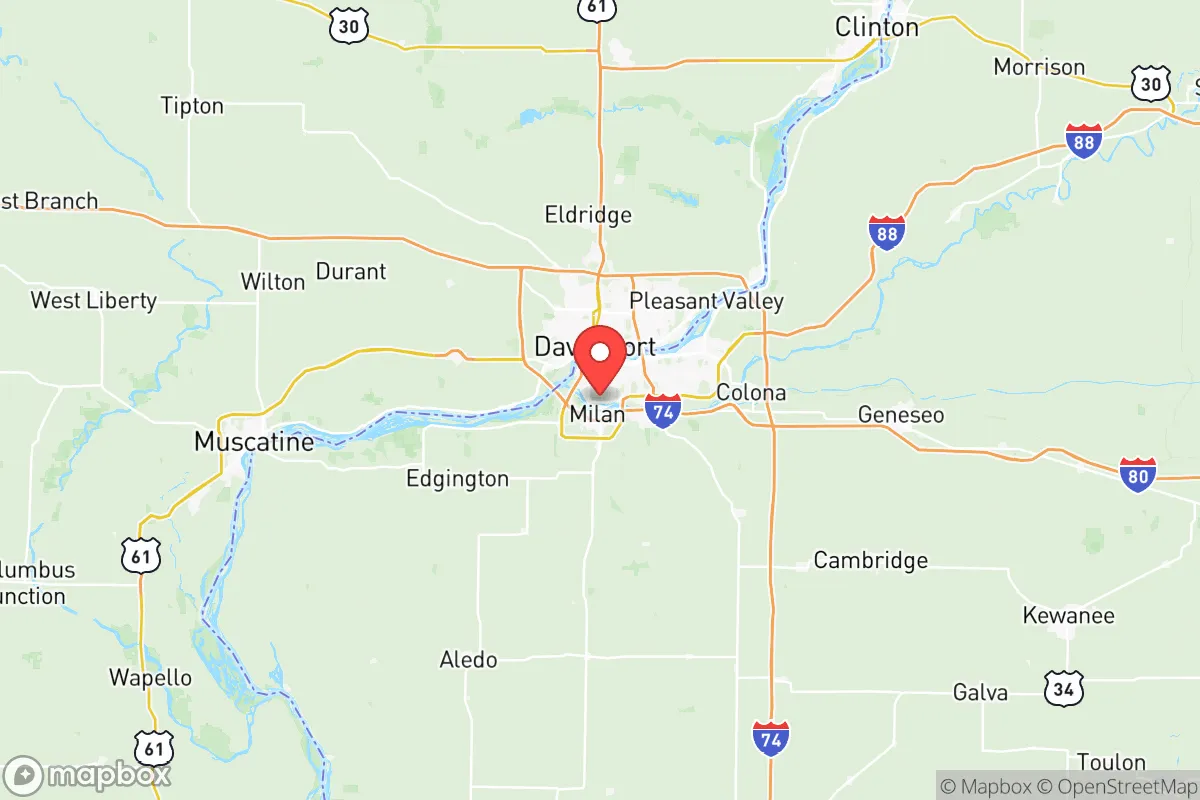
Photo: Wikipedia
Find The Best Places To Live in Rock Island County
PRO TIP! You can paste a Zillow or Redfin link to get info on that property.
Best Places to Live in Rock Island County
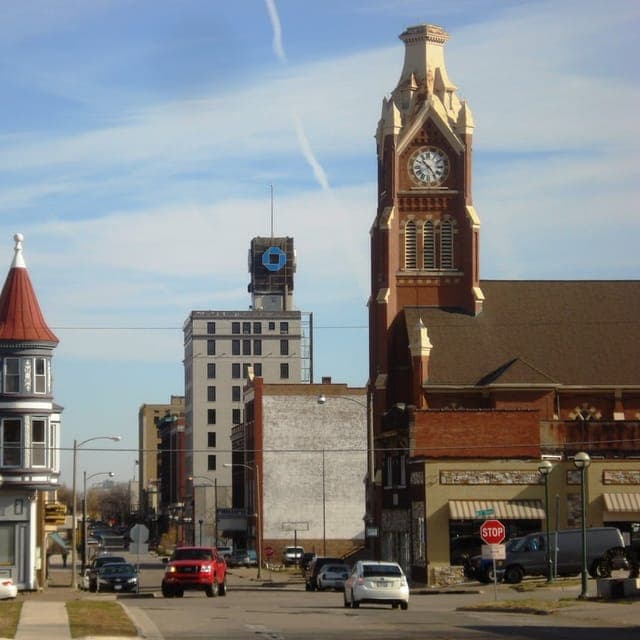
Cities & Towns in Rock Island County
Cities in Rock Island County
What It's Like Living in Rock Island County, IL
Rock Island County feels like the Quad Cities' quieter, more rooted cousin — a place where the Mississippi River isn't just a backdrop but a daily presence in how people live, work, and play. Stretching from the urban energy of Moline and Rock Island proper out to the farm-flanked small towns like Port Byron and Hampton, the county offers a blend of Midwestern practicality and river-town character that appeals to families and singles who want affordability without feeling completely isolated. It's the kind of place where you can own a home on a single income, know your neighbors by name, and still catch a minor-league baseball game or a concert on a weeknight.
The Daily Rhythm: River Views, Short Commutes, and Real Affordability
Life here moves at a pace that surprises newcomers from larger metros. The average commute clocks in at just over 20 minutes — short enough that people in East Moline can work in Moline or Rock Island without dreading the drive. Most residents spend their weekends running errands at the SouthPark Mall in Moline, grabbing groceries at Hy-Vee, or heading to the riverfront for a walk along the paths at Schwiebert Riverfront Park in Rock Island. The county's median home value sits at $144,700, and with a cost of living index of 65 — well below the national average of 100 — that modest figure translates into actual space. A family can afford a three-bedroom house with a yard in Coal Valley or Milan on a median household income of $66,768, something that's become nearly impossible in larger Illinois cities.
The median age here is 40.3, which reflects a population that's settled but not stagnant. You'll find young families in newer subdivisions around Sherrard and Orion, empty-nesters holding onto historic homes in Rock Island's Broadway Historic District, and single professionals renting apartments near the John Deere Commons in Moline. The county's largest employer, John Deere, anchors the local economy, and its presence means a significant portion of the workforce is tied to manufacturing and engineering — jobs that pay well enough to support the lifestyle but don't leave much room for the kind of rapid growth seen in tech hubs.
Sports, Friday Nights, and the River as a Gathering Place
High school sports are a genuine cultural force here, not just a pastime. On fall Fridays, communities from Orion to Alleman pack bleachers for football games, and the rivalries between Rock Island High School, Moline High School, and United Township in East Moline draw crowds that rival small-college attendance. For pro sports, the Quad Cities River Bandits — a minor-league baseball affiliate of the Kansas City Royals — play at Modern Woodmen Park in Davenport, Iowa, but the stadium sits right on the Mississippi and draws plenty of fans from the Illinois side. The river itself is the county's most distinctive recreational asset: people fish off the banks near Sunset Park in Rock Island, launch kayaks at the Sylvan Island access point, and spend summer evenings watching barges glide past from riverside bars like the Dock in Rock Island.
Entertainment options skew practical and community-oriented. The TaxSlayer Center in Moline hosts concerts and events, but locals are just as likely to spend a Saturday at the Quad City Botanical Center or browsing antiques in downtown Rock Island. The annual Quad City Air Show draws crowds to the Davenport riverfront, but on the Illinois side, the Rock Island County Fair in East Moline remains a staple for families. For nightlife, the breweries and gastropubs along Moline's Avenue of the Cities — like Bent River Brewing Company — offer a low-key alternative to the bar scene across the river in Davenport.
What Works, What Doesn't, and Who Thrives Here
The honest pros of living in Rock Island County start with the numbers: a violent crime rate of 243.3 per 100,000 residents, which is below the national average and feels even lower in the smaller towns. Property crime is more of a concern in the urban cores of Rock Island and Moline, but residents in places like Port Byron or Hampton often leave their doors unlocked. The weather follows a true Midwestern rhythm — humid summers perfect for river activities, crisp falls that draw leaf-peepers to the Rock Island Arsenal's wooded grounds, and winters that can be brutal but are softened by the community's willingness to help neighbors shovel out.
The frustrations are real, too. Only 24.1% of adults hold a bachelor's degree or higher, which reflects a workforce that's heavy on trades and manufacturing but light on white-collar professional services. That means career options outside of John Deere and healthcare can feel limited, and ambitious young professionals sometimes feel the pull toward Chicago or Minneapolis. The county's population of 142,995 has remained relatively flat over the past decade, and while that stability keeps housing affordable, it also means less cultural turnover and fewer new restaurants or entertainment venues opening up. Locals joke that you'll see the same faces at every event — and for some, that's a comfort, while for others, it starts to feel small.
The kind of person who fits in here values predictability over novelty. They want a house they can afford, a school system like Moline-Coal Valley or Rock Island-Milan that their kids can walk to, and a weekend routine that might include a trip to the farmer's market in downtown Rock Island or a drive out to Loud Thunder Forest Preserve for hiking. They don't need a new craft brewery every month — they're happy with the same reliable spots, the same river views, and the same neighbors who wave from their porches. For singles, the dating scene can feel limited, but for families and those who prefer a slower, more intentional pace of life, Rock Island County delivers exactly what it promises: a place where you can actually afford to put down roots.

* Values derived from national, state, county, city and local statistics and may differ in a specific area. Last updated: 2026-08-08T13:18:46.000Z
Narrative content on this page is AI-generated and may contain mistakes. Verify any details that matter before acting on them.
ReloMaps may earn a commission from affiliate links at no extra cost to you.

