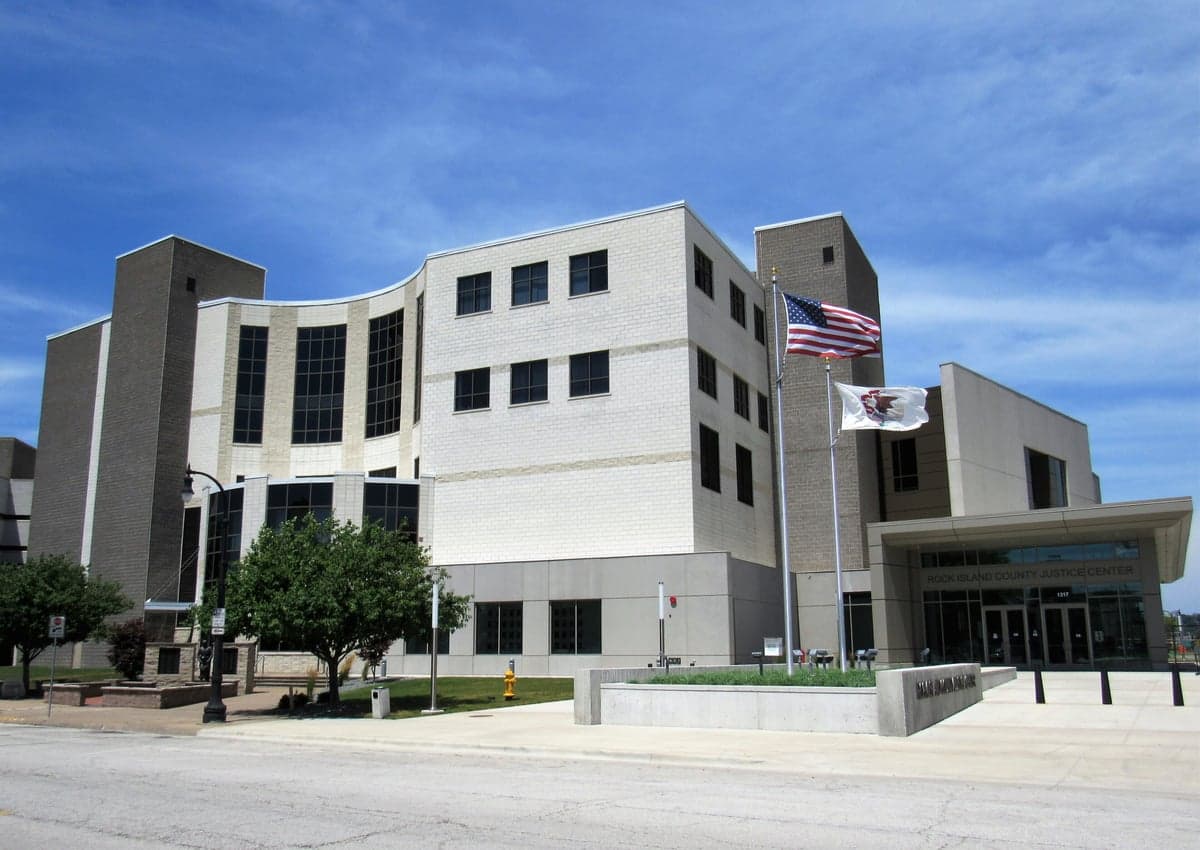
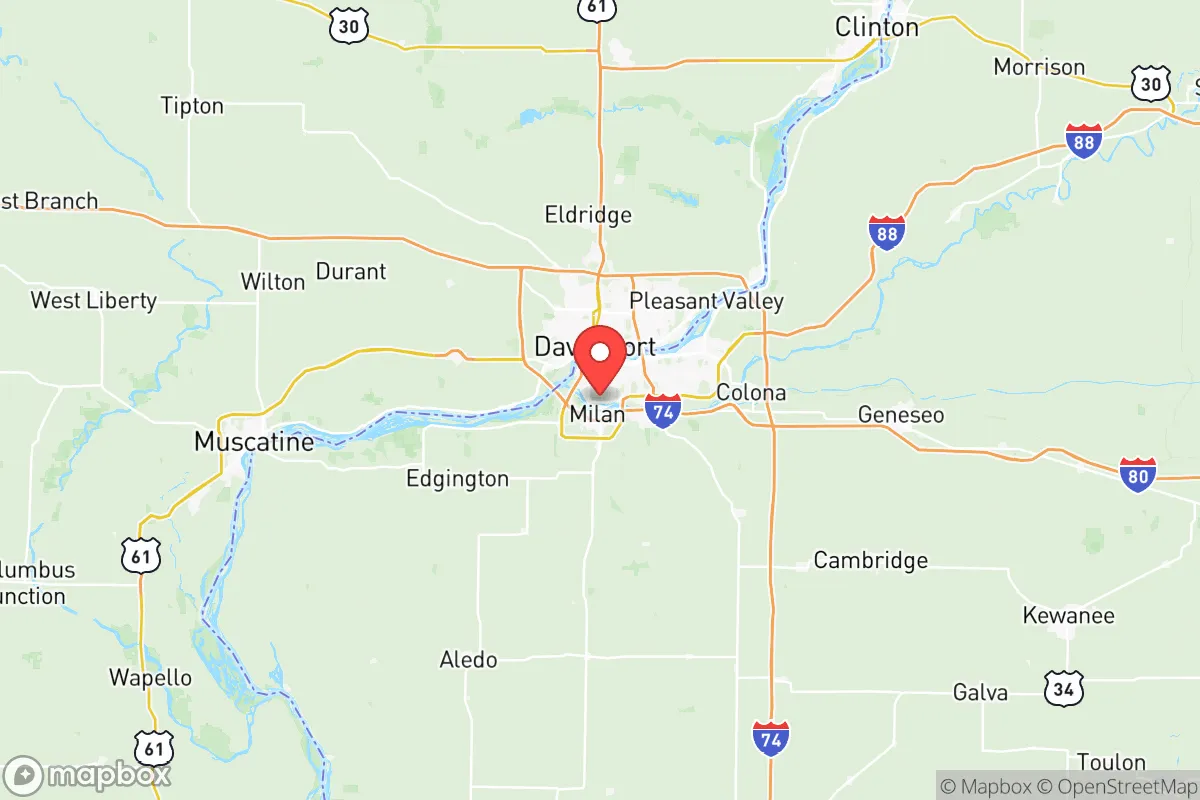
Photo: Wikipedia
Personal Sovereignty in Rock Island County
Viable for self-reliance. Generally workable, though some barriers may limit total independence.
What does Personal Sovereignty tell us?
Personal Sovereignty measures your capacity for self-reliance and independence with minimal government friction. Higher scores mean fewer barriers between you and the way you want to live... but it assumes you have the space you need and good neighbors.
What does this tell us?
Personal Sovereignty measures your capacity for self-reliance and independence with minimal government friction. Higher scores mean fewer barriers between you and the way you want to live... but it assumes you have the space you need and good neighbors.
State Policy
Energy independence: Importer (45% of energy produced in-state)
Personal Liberty
Homesteading

Personal Liberty Analysis
Rock Island County, Illinois, presents a mixed personal sovereignty environment where state-level constraints on taxes, self-defense, and property rights are partially offset by local conditions that can favor self-reliance, particularly outside the urban core of Moline and Rock Island. For a conservative-leaning individual or family weighing autonomy, the county offers lower land costs and more permissive zoning in its rural townships compared to the Quad Cities metro, but operates under Illinois' relatively high tax burden and restrictive gun laws. The key to maximizing personal freedom here lies in choosing the right municipality within the county, as regulatory posture varies significantly between the river cities and the outlying towns.
Tax burden and regulatory posture in Rock Island County
Illinois imposes a flat state income tax of 4.95% and a state sales tax of 6.25%, which combines with local rates to reach 8.25% in Moline and Rock Island but drops to 7.25% in smaller towns like Port Byron and Hampton. Property taxes are the heaviest burden: Rock Island County's average effective property tax rate is approximately 2.1% of assessed value, among the highest in the nation, though actual mill rates vary by township. The county itself has no additional home-rule sales tax beyond the state baseline, but incorporated cities like East Moline and Silvis levy their own local taxes. Regulatory posture is moderate at the county level—building permits are required for structural changes but not for minor repairs—while the state mandates strict environmental reviews for any land disturbance over one acre. For a reader comparing this to Texas or Florida, the tax load is significantly heavier, but within Illinois, Rock Island County is not the worst; Cook County's property tax rates are roughly 30% higher.
Self-defense and gun law specifics in Rock Island County
Illinois is a shall-issue state for concealed carry since 2013, but the process is more burdensome than in constitutional carry states: applicants must complete 16 hours of training, pass a live-fire qualification, and pay a $150 fee for a five-year license. Rock Island County's sheriff's office processes applications without additional local delays, and issuance rates are high for qualified applicants. However, Illinois bans private firearm transfers without a background check through a state police portal, and the FOID card requirement (Firearm Owner's Identification) adds a layer of state oversight not present in most of the Midwest. Magazine capacity is capped at 15 rounds for handguns and 10 for long guns under state law. Local enforcement attitudes vary: the Rock Island Police Department and Moline Police Department are generally professional but operate under state mandates, while rural areas like Hillsdale and Cordova see minimal proactive enforcement of gun laws. Stand-your-ground doctrine does not exist in Illinois; the state requires a duty to retreat before using deadly force outside the home, which is a significant limitation for self-defense advocates. Open carry is prohibited entirely.
Self-reliance and homesteading viability in Rock Island County
Homesteading viability is strongest in the county's unincorporated areas and small towns. Minimum lot sizes in agricultural zones are one acre, with many parcels available in the 2-5 acre range near Taylor Ridge and Reynolds for under $10,000 per acre. Zoning in unincorporated Rock Island County allows chickens, goats, and up to two horses per acre without special permits, though pigs and cattle require a minimum of five acres. Off-grid feasibility is limited by state building codes that mandate connection to the electrical grid for new construction, though solar panels with net metering are permitted. Rainwater collection is legal without restriction, but well permits require a licensed driller and a minimum 50-foot setback from property lines. Composting toilets are allowed under the state's alternative sewage system rules, but require a permit from the county health department. The towns of Carbon Cliff and Oak Grove have more restrictive suburban zoning that bans livestock and limits accessory structures, while Hampton and Port Byron allow hobby farming on lots as small as half an acre. For a family seeking true self-reliance, the rural townships west of the Rock River offer the best combination of low land prices and permissive local ordinances.
Personal liberties in Rock Island County
Parental rights in Illinois are governed by state law that grants parents broad authority over education and medical decisions, though the state mandates vaccination for school attendance with only medical exemption allowed. Rock Island County school districts, including Rock Island-Milan School District and Moline-Coal Valley School District, follow state curriculum standards that include comprehensive sex education and social-emotional learning standards, which some conservative parents find objectionable. Homeschooling is legal with minimal regulation: parents must file a notice of intent and provide instruction in core subjects, but no standardized testing or curriculum approval is required. Medical autonomy is limited by Illinois' status as a state with broad vaccine mandates for healthcare workers and school children, though the county has no additional local mandates. Property rights are generally respected: the county enforces zoning codes but does not engage in aggressive code enforcement against minor violations, and there is no county-level rent control or short-term rental ban outside of Moline and Rock Island city limits. Free speech protections follow First Amendment standards, and the county has no local ordinances restricting political signage beyond standard size and setback rules.
Overall, Rock Island County offers a moderate-to-low personal sovereignty environment compared to states like Texas, Missouri, or Indiana, but within Illinois it is one of the more freedom-friendly counties outside the Chicago collar counties. The combination of high property taxes and restrictive state gun laws are the primary drawbacks, while the availability of affordable rural land, permissive agricultural zoning in unincorporated areas, and minimal local regulatory overreach make it viable for homesteading-minded families who can accept the state-level constraints. For a reader prioritizing maximum autonomy, the rural townships west of the Rock River—particularly around Taylor Ridge, Reynolds, and Hillsdale—provide the best balance of low cost, light local regulation, and proximity to the amenities of the Quad Cities metro.

* Values derived from national, state, county, city and local statistics and may differ in a specific area. Last updated: 2026-08-08T13:18:46.000Z
Narrative content on this page is AI-generated and may contain mistakes. Verify any details that matter before acting on them.
ReloMaps may earn a commission from affiliate links at no extra cost to you.

