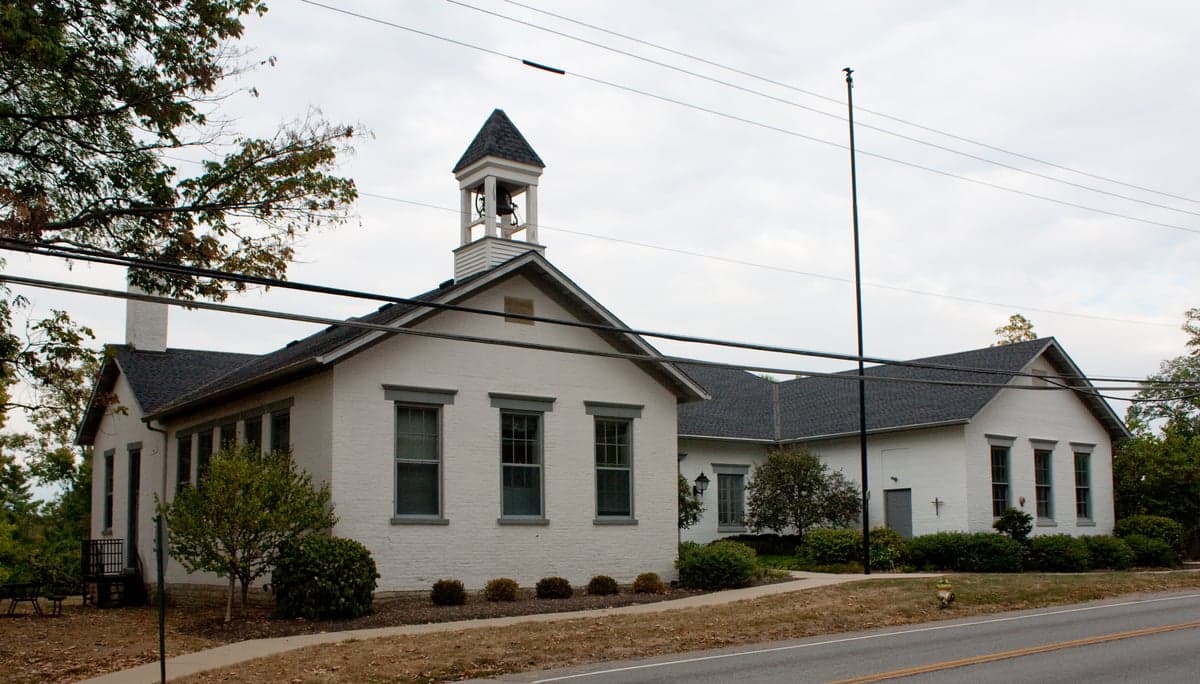
Photo: Wikipedia
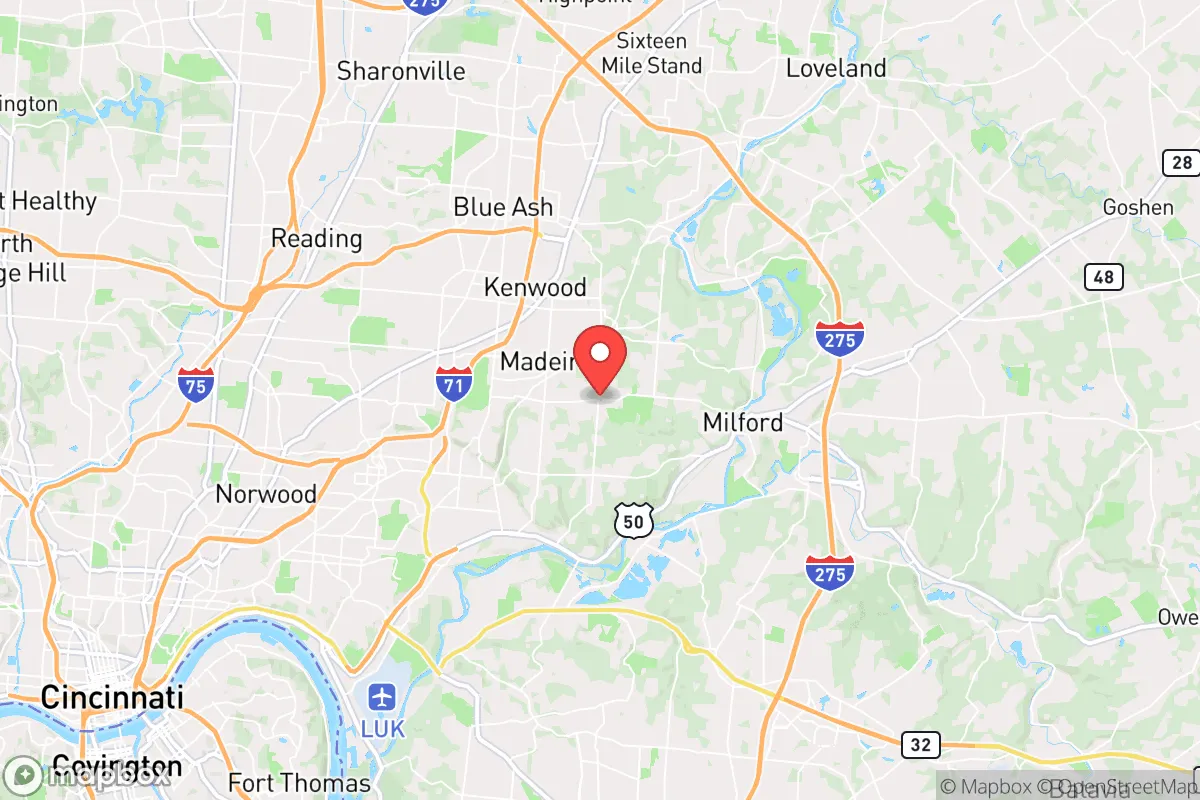
An Unincorporated Community in Hamilton County, Ohio
Find The Best Places To Live
in Indian Hill
PRO TIP! You can paste a Zillow or Redfin link to get info on that property.
What It's Like Living in Indian Hill, OH
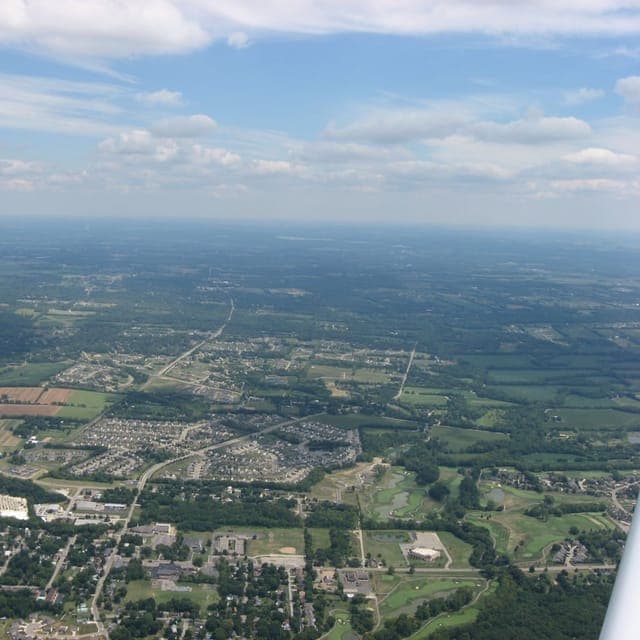
Indian Hill is one of those places that feels like a well-kept secret, even though it’s been a fixture on Cincinnati’s east side for generations. It’s a village of winding, tree-lined roads, sprawling horse farms, and homes that sit far back from the street—some of them historic, some of them modern compounds, all of them set on acreage. The vibe is quiet, private, and deliberately low-key. If you’re looking for a place where neighbors know each other but don’t crowd each other, where the schools are a central organizing force, and where you can drive five minutes and feel like you’re in the middle of nowhere while still being 20 minutes from downtown Cincinnati, this is it.
The Daily Rhythm: Quiet, Spacious, and School-Centric
Life in Indian Hill moves at a slower, more deliberate pace than the surrounding suburbs. There’s no downtown strip of bars or coffee shops within the village limits—that’s not the point. Instead, daily errands and social life tend to center around the Indian Hill Village Center, a small cluster that includes a post office, a bank, a pharmacy, and a few local businesses. For groceries, most residents head to the nearby Kroger Marketplace in Kenwood or the Whole Foods in Montgomery, both about a 10-minute drive. The real social hub, though, is the Indian Hill School District. With a median age of 50.7 and a median household income of $228,194, this is a community of established professionals and empty-nesters, but also a significant number of families who moved here specifically for the schools. The district is small by design—just one elementary, one middle, and one high school—and it’s the kind of place where Friday night football games are a community-wide event, not just a student activity.
Sports, Community, and the Weekend Rhythm
High school sports are a big deal here, but not in the over-the-top, booster-club-everything way you see in some suburbs. The Indian Hill Braves are consistently competitive in the Cincinnati Hills League, and the community turns out for football, soccer, and lacrosse games. The real draw, though, is the Indian Hill Winter Club, a private social and athletic club that’s been around since the 1960s. It’s where families spend winter weekends skating and summer weekends swimming and playing tennis. It’s not cheap, but it’s a central part of the social fabric for many residents. For outdoor recreation, the Little Miami Scenic Trail runs nearby, offering 78 miles of paved biking and hiking along the river. The Indian Hill Golf Club is another anchor—a private, member-owned course that’s more about community than competition. On weekends, you’ll see people at the Kenwood Towne Centre for shopping, or heading into Madeira or Montgomery for dinner at places like Nation Kitchen & Bar or The Governor. The Cincinnati Symphony Orchestra and Playhouse in the Park are a 20-minute drive, and the Blink light festival and Oktoberfest Zinzinnati draw residents downtown a few times a year.
What It’s Really Like: Pros, Cons, and the Unspoken Trade-Offs
The biggest upside is obvious: safety and space. The violent crime rate is 0 per 100,000, which is as good as it gets. The average commute is about 23 minutes, which is reasonable for a village this far out. The schools are excellent, the property values are stable, and the sense of privacy is real. But there are trade-offs. The cost of living index is 291 (nearly three times the national average), and the median home value is $1,156,800. That’s not just expensive—it’s a barrier to entry for anyone who isn’t already well-established. The village also has a reputation for being insular. If you’re not part of the school community or the Winter Club, it can feel hard to break in. There’s no real downtown, no walkable commercial district, and no public transit to speak of. You need a car for everything. The weather is typical Cincinnati: humid summers, cold winters, and a beautiful but brief spring and fall. The leaves in October are stunning along the winding roads, but the gray January days can feel long. For single people, Indian Hill can feel isolating—most social life revolves around families and school events. For parents, it’s a dream. For empty-nesters, it’s a peaceful retreat. For anyone else, it’s worth a long, honest look at whether the trade-offs match your lifestyle.
Cultural Quirks and Local Identity
One thing that stands out is the village’s deliberate resistance to change. There are no streetlights on many roads, no sidewalks in most neighborhoods, and strict zoning laws that keep development low-density. That’s by design—residents voted to keep it that way. The Indian Hill Historical Society maintains a small museum, and the village’s identity is tied to its rural, equestrian roots. You’ll see horse farms and riding trails alongside million-dollar homes. The annual Indian Hill Village Garage Sale is a surprisingly big event, drawing people from all over the region. And the Indian Hill Church (interdenominational) serves as a community gathering point for non-school events. If you’re the kind of person who values privacy, space, and a strong sense of local tradition over convenience and nightlife, Indian Hill makes a lot of sense. If you want walkability, diversity, and a younger crowd, you’ll probably be happier in Oakley or Northside. But for those who fit the profile—established, family-oriented, and willing to pay for peace and quiet—it’s hard to beat.

Similar small towns to Indian Hill

* Values derived from national, state, county, city and local statistics and may differ in a specific area. Last updated: 2026-04-27T14:30:04.000Z
Narrative content on this page is AI-generated and may contain mistakes. Verify any details that matter before acting on them.
ReloMaps may earn a commission from affiliate links at no extra cost to you.

