Photo: Wikipedia
Quality of Life in Indian Hill, OH
A high quality of life with strong walkability, manageable living costs, healthy neighborhood signals, and solid amenity access.
What does Quality of Life tell us?
Quality of Life blends cost of living, nearby amenities, socioeconomic signals, and neighborhood character. City-level scores represent the whole municipality; individual neighborhoods can differ.
What does this tell us?
Quality of Life blends cost of living, nearby amenities, socioeconomic signals, and neighborhood character. City-level scores represent the whole municipality; individual neighborhoods can differ.
Cost of Living
191% above national average
The Real Cost of Living in Indian Hill, OH for 2026
| Tier | Individual | Family (4) |
|---|---|---|
| Survival | $46k | $86k |
| Comfortable | $225k | $330k |
| Luxury | $412k+ | $639k+ |
| Elite (Top 5%) | $691k+ | $1.1M+ |
69%
The Area Signal
A metric tracking the socioeconomic signals of the area.
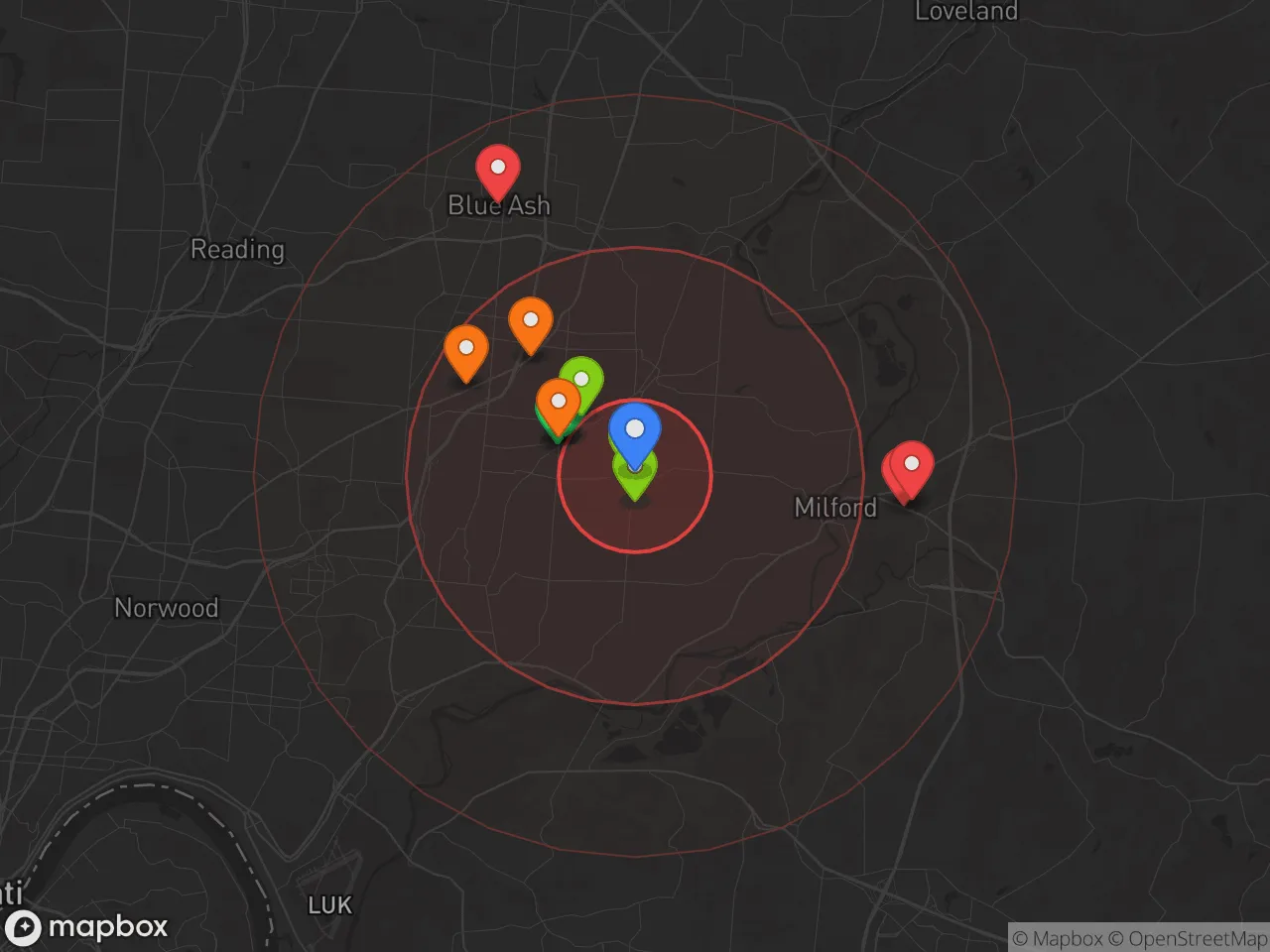
Hobbies
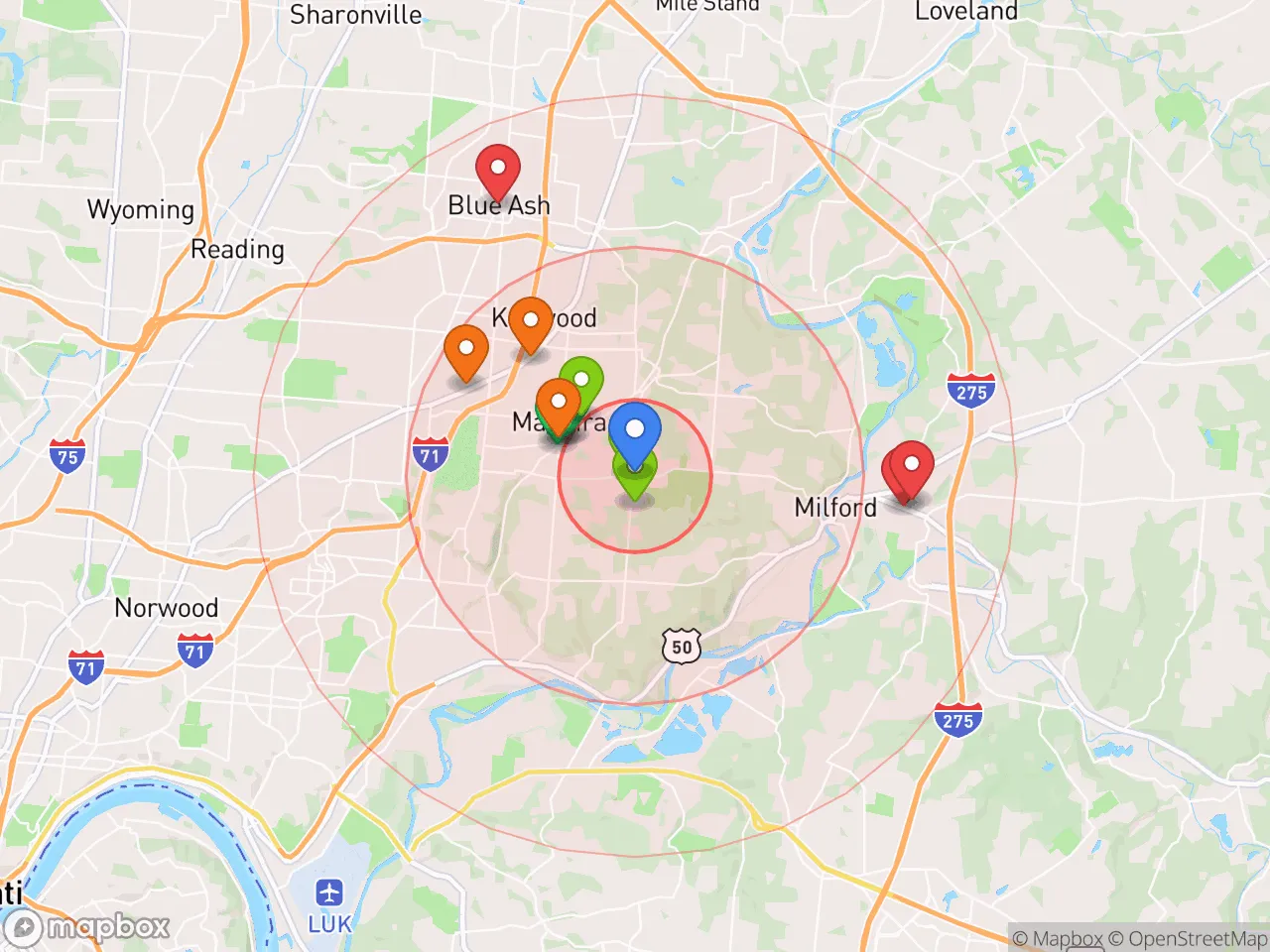
Explore the areaGroceries
7 within 10 miles
Gas
20 within 10 miles
Hospital
20 within 20 miles
Airport
John Glenn Columbus International Airport
Post Office
USPS — 7737 Laurel Avenue, Cincinnati
Critical Amenities
Quality-of-Life Analysis
Indian Hill, Ohio, is one of the most affluent communities in the Cincinnati metropolitan area, consistently ranking among the wealthiest suburbs in the state. With a cost of living index of 291—nearly three times the national average—the village is home to a population of executives, entrepreneurs, and professionals who prioritize privacy, space, and top-tier public services. The median home value of $1,156,800 and median rent of $2,466 reflect a housing market that is dramatically more expensive than nearby suburbs like Madeira or Kenwood, yet still more accessible than comparable enclaves in the Northeast or West Coast.
Cost of living, housing costs, and affordability compared to nearby suburbs
The cost of living in Indian Hill is driven almost entirely by housing. With a median home value exceeding $1.15 million, the entry point for a single-family home is roughly four times higher than the Cincinnati metro average. Renters face a median rent of $2,466, which is about 60% above the regional norm. For context, neighboring Madeira has a median home value near $400,000, while Kenwood sits around $350,000—making Indian Hill a clear outlier. The high property values are sustained by large lot sizes (typically one to five acres), strict zoning that prohibits multifamily development, and the village's reputation for having the region's best public schools. While groceries and healthcare are slightly above average, the primary affordability challenge is the barrier to entry for homebuyers; most residents purchase with significant equity from previous homes or relocate from higher-cost markets.
What daily life is like for families: schools, amenities, and commute patterns
Daily life in Indian Hill revolves around the Indian Hill Exempted Village School District, which consistently ranks among Ohio's top five districts by test scores and college placement. The district serves roughly 2,100 students across four schools, with a student-to-teacher ratio of 14:1 and a per-pupil spending level that is double the state average. Amenities include the Indian Hill Golf Club, the Camargo Club, and the village-owned parks system with over 600 acres of green space, including the 200-acre Indian Hill Preserve. The average commute of 23.6 minutes is slightly longer than the national average but is manageable given the village's location along the I-71 corridor. Most residents drive to jobs in downtown Cincinnati (25 minutes), Blue Ash (15 minutes), or the growing corporate campuses in Mason and West Chester. There is no public transit within the village, and nearly all errands require a car, with the nearest grocery and retail clusters located in Kenwood (5 minutes) or Montgomery (7 minutes).
Indian Hill is best suited for families and professionals who can absorb the high housing costs in exchange for exceptional schools, large private lots, and a low-crime environment. Retirees downsizing from larger estates may also find the village appealing, though the lack of walkable commercial districts and the reliance on driving may deter those seeking an urban or suburban-urban lifestyle. For buyers who prioritize academic outcomes, privacy, and a semi-rural feel within 25 minutes of a major city, Indian Hill offers a quality of life that is difficult to match in the Cincinnati region.

Crime in Indian Hill, OH
Lower crime rates than 97% of comparable U.S. locations.
Violent CrimeViolent Crime Analysis
Property CrimeProperty Crime Analysis
Crime Analysis
Indian Hill, Ohio, is one of the safest communities in the Cincinnati metropolitan area, with a violent crime rate of 0 per 100,000 residents and a property crime rate of 262.6 per 100,000. These figures place the village far below both state and national averages, reflecting a combination of low population density, high property values, and proactive local policing. For context, the national average for violent crime is roughly 380 per 100,000, and Ohio’s average hovers around 300 per 100,000, making Indian Hill’s zero-violent-crime statistic exceptional.
Crime in context
Indian Hill’s property crime rate of 262.6 per 100,000 is roughly one-third of the national average (approximately 1,950 per 100,000) and well below Ohio’s average of about 1,800 per 100,000. The village’s low crime profile is typical of affluent, suburban enclaves in Hamilton County, but it stands in stark contrast to the broader Cincinnati metro area, where violent crime rates in the city proper exceed 1,100 per 100,000. Residents benefit from a dedicated police department that emphasizes community engagement and rapid response, with the village’s small geographic footprint (about 4.5 square miles) allowing for effective patrol coverage. However, readers should note that Indian Hill is part of a larger metropolitan region where progressive judicial policies in Hamilton County have been criticized for leniency toward repeat offenders, a factor that can indirectly affect surrounding communities through regional crime spillover.
What residents experience
For those living in Indian Hill, crime is a rare concern. The most common incidents are non-violent property crimes such as theft from unlocked vehicles or package theft, which occur sporadically rather than as a pattern. The village’s design—large lots, limited commercial zones, and a single main thoroughfare (Indian Hill Avenue)—naturally discourages casual criminal activity. Residents report a strong sense of security, with neighborhood watch programs active in subdivisions like Camargo and the Indian Hill Estates. The local police department also runs a vacation house-check program, further reducing risk. Because violent crime is virtually nonexistent, families and retirees prioritize Indian Hill for its safety, though the high cost of entry (median home prices exceed $1 million) limits access to those who can afford the premium.
Neighborhood-level variation within Indian Hill is minimal, as the entire village maintains consistent low-crime statistics. The most significant safety distinction is between the residential core and the small commercial strip along Shawnee Run Road, where occasional shoplifting or traffic incidents occur. Proximity to the city of Cincinnati—about 15 miles south—introduces a theoretical risk of regional crime migration, but Indian Hill’s physical isolation (bordered by the Little Miami River and wooded areas) and private security patrols in some gated communities effectively mitigate this. For residents concerned about broader metro-area trends, the village’s insulation from Hamilton County’s more progressive criminal justice policies is a key selling point, as local policing remains conservative and enforcement-focused.
* Values derived from national, state, county, city and local statistics and may differ in a specific area. Last updated: 2026-04-27T14:30:04.000Z
Narrative content on this page is AI-generated and may contain mistakes. Verify any details that matter before acting on them.
ReloMaps may earn a commission from affiliate links at no extra cost to you.

