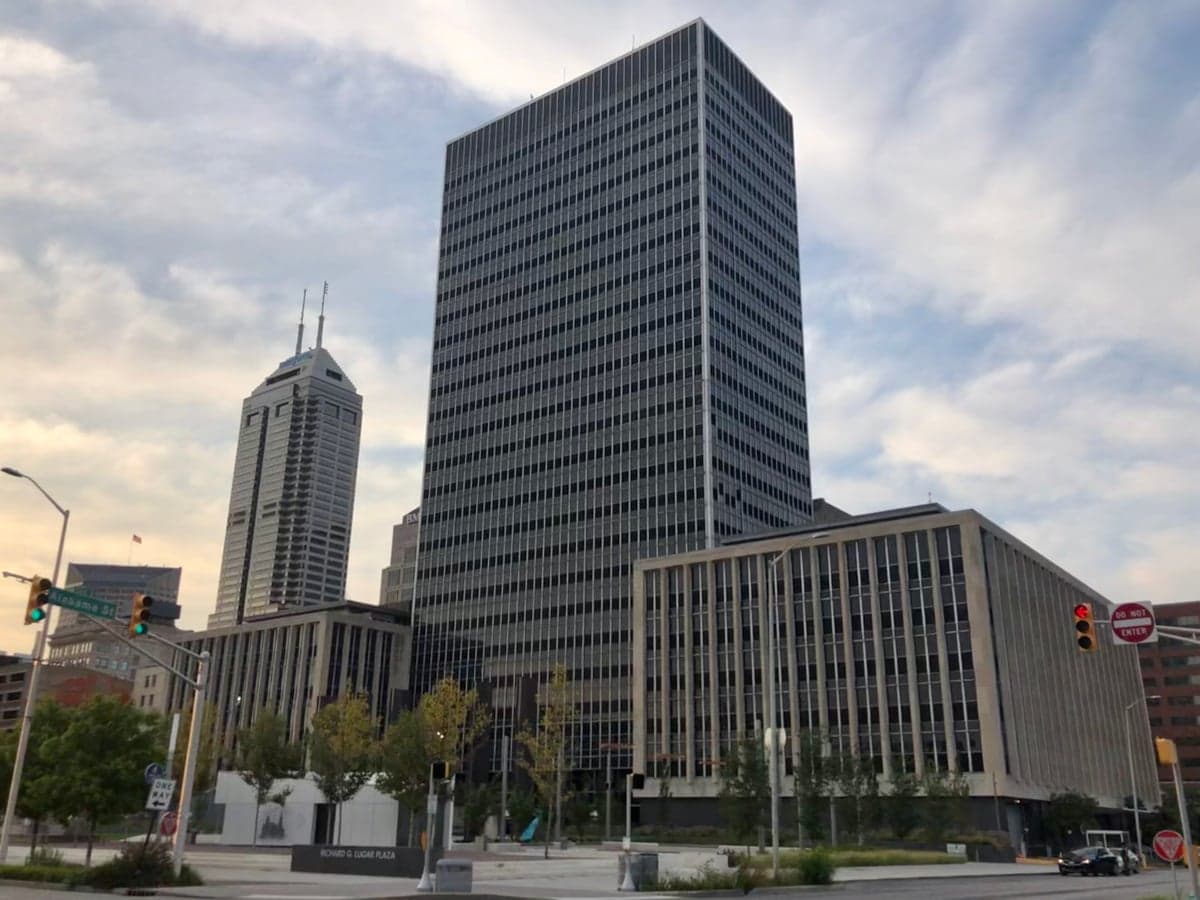
Photo: Wikipedia
Quality of Life in Marion County
A livable area that tracks near national norms for affordability, walkability, and neighborhood health.
What does Quality of Life tell us?
Quality of Life measures an area by evaluating factors like cost of living, nearby amenities, country club access, airport proximity, socioeconomic signals and neighborhood character. For large states, this is a general average — quality of life can vary dramatically between metro areas, suburbs, and rural communities within the same state.
What does this tell us?
Quality of Life measures an area by evaluating factors like cost of living, nearby amenities, country club access, airport proximity, socioeconomic signals and neighborhood character. For large states, this is a general average — quality of life can vary dramatically between metro areas, suburbs, and rural communities within the same state.
Cost of Living
14% below national average
107%
The Real Cost of Living in Marion County for 2026
| Tier | Individual | Family (4) |
|---|---|---|
| Survival | $18k | $33k |
| Comfortable | $40k | $59k |
| Luxury | $115k+ | $178k+ |
| Elite (Top 5%) | $142k+ | $221k+ |
Quality-of-Life Analysis
Marion County, Indiana, offers a broad quality-of-life spectrum that ranges from the dense urban core of Indianapolis to quiet, unincorporated rural pockets, drawing residents who seek everything from 24/7 city energy to small-town calm within a single county. With a cost of living index of 86 (14% below the national average), a median home value of $207,000, and a median rent of $1,107, the county provides affordable entry points across its diverse communities. The average commute of 24.2 minutes is notably manageable, allowing residents in outlying areas to access Indianapolis jobs without excessive travel time.
Largest town(s) & population centers
Indianapolis dominates Marion County as its sole major city and the state capital, housing the vast majority of the county's population. Daily life here is defined by a robust employment ecosystem anchored by employers like Eli Lilly and Company, Indiana University Health, and Salesforce, alongside a vibrant cultural scene with the Indianapolis Museum of Art, the Children's Museum of Indianapolis, and professional sports venues such as Lucas Oil Stadium and Gainbridge Fieldhouse. Neighborhoods vary widely: Broad Ripple offers a walkable, nightlife-oriented village feel; Fountain Square attracts creatives with its arts district and indie shops; and Carmel (technically in Hamilton County but adjacent) and the Meridian-Kessler historic district provide tree-lined, family-friendly streets. The city's public transit system, IndyGo, serves the urban core, but most residents rely on cars for commuting and errands.
Smaller towns & rural pockets
Beyond Indianapolis, Marion County contains several smaller communities that retain distinct identities. Beech Grove, a fully surrounded city of about 14,000, offers a tight-knit, blue-collar atmosphere with its own school system and a historic downtown centered on Main Street. Speedway, home to the Indianapolis Motor Speedway, blends small-town pride with a global motorsports draw, featuring annual events that transform the quiet residential streets into a festival hub. Lawrence, in the northeastern corner, provides suburban comfort with access to Fort Harrison State Park and a mix of mid-century homes and newer subdivisions. Rural pockets are sparse but present, particularly in the far southeastern and southwestern edges of the county, such as the unincorporated areas around Acton and Wanamaker, where farmland and scattered homes sit within a 30-minute drive of downtown Indianapolis.
Cost & lifestyle range
The cost of living and lifestyle options span a clear spectrum across Marion County. At the lower end, neighborhoods like Martindale-Brightwood and parts of Near Eastside in Indianapolis offer median home values well below the county average, often under $150,000, with rents closer to $800–$900, attracting first-time buyers and renters seeking affordability close to downtown jobs. These areas are undergoing gradual reinvestment but still face challenges with older housing stock and limited retail. At the higher end, Meridian-Kessler and Butler-Tarkington feature historic homes valued from $400,000 to over $1 million, with rents exceeding $1,500, drawing professionals and families who prioritize walkable access to the Butler University campus and the Monon Trail. In the suburbs, Lawrence and Speedway sit near the county median, with home values around $200,000–$250,000 and rents of $1,000–$1,200, offering a balanced middle ground with good schools and parks. The rural pockets near Acton provide the cheapest land, with acreage parcels under $200,000, but require longer drives for groceries and services.
Marion County suits a wide range of residents: urban professionals and creatives thrive in Indianapolis's dynamic core, families find stability in suburbs like Lawrence and Speedway, and those seeking quiet, land-based living can settle in the rural fringes near Acton or Wanamaker. The county's low cost of living, combined with a manageable commute and diverse housing stock, makes it a practical choice for anyone who wants access to a major city without the premium price tag of coastal metros.

Crime in Marion County
Generally safer than 62% of comparable U.S. locations.
Violent CrimeViolent Crime Analysis
Property CrimeProperty Crime Analysis
Crime Analysis
Marion County, Indiana, which is coterminous with Indianapolis, presents a mixed safety picture. The county’s violent crime rate of 265.6 per 100,000 residents is notably higher than the national average, while its property crime rate of 1,100.5 per 100,000 significantly exceeds both state and national benchmarks. Residents and prospective movers should be aware that crime is not evenly distributed, with certain neighborhoods and suburban enclaves experiencing far lower rates than the urban core.
Crime in context
Marion County’s violent crime rate is roughly 30% higher than the national average and about 20% above the Indiana state average. The property crime rate is even more elevated, sitting nearly 60% above the national figure. These numbers place Marion County among the higher-crime jurisdictions in the Midwest for its size. For comparison, neighboring Hamilton County—home to Carmel and Fishers—reports violent crime rates below 100 per 100,000 and property crime rates under 800 per 100,000. The disparity is driven largely by concentrated poverty and gang-related activity in Indianapolis’s urban core, particularly in the Near Eastside, Martindale-Brightwood, and parts of the Westside. The Marion County Prosecutor’s Office, under a progressive-leaning administration, has faced criticism for declining to prosecute certain low-level offenses and for a high rate of plea deals, which some argue contributes to recidivism and a perception of leniency that emboldens offenders.
What residents experience
For the average resident, property crime is the most likely encounter. Vehicle break-ins, package theft, and residential burglaries are common complaints, especially in areas near major thoroughfares like I-465 and I-70. Violent crime, while less frequent, is concentrated in specific hotspots: the Haughville and King Park neighborhoods on the near-west side, and the 30th Street Corridor north of downtown, consistently report the highest rates of aggravated assault and robbery. In contrast, the suburban towns within Marion County—Speedway, Beech Grove, Lawrence, and Southport—generally see violent crime rates 40-60% lower than the county average. Speedway, home to the Indianapolis Motor Speedway, has a violent crime rate near 150 per 100,000, while Lawrence’s rate hovers around 180 per 100,000. These communities benefit from smaller, more responsive police departments and less concentrated poverty.
Neighborhood-level variation
Within Indianapolis proper, safety varies block by block. The Meridian-Kessler and Butler-Tarkington neighborhoods, near Butler University, report property crime rates comparable to the suburbs but violent crime rates well below the county average. The Fountain Square area, undergoing gentrification, has seen property crime rise as new development attracts opportunistic theft. The Marion County Sheriff’s Office and Indianapolis Metropolitan Police Department (IMPD) have implemented targeted patrols in high-crime zones, but staffing shortages and a clearance rate for violent crime below 40% limit effectiveness. Residents in safer areas often rely on private security, neighborhood watch programs, and home alarm systems. The judicial environment in Marion County, with a focus on diversion programs and reduced sentencing for nonviolent offenders, has drawn concern from victims’ advocates who argue it undermines deterrence. For those considering a move, the safest bets remain the incorporated towns of Speedway, Beech Grove, and Lawrence, or the northern suburbs of Carmel and Fishers just outside the county line.
* Values derived from national, state, county, city and local statistics and may differ in a specific area. Last updated: 2026-06-01T13:06:35.000Z
Narrative content on this page is AI-generated and may contain mistakes. Verify any details that matter before acting on them.
ReloMaps may earn a commission from affiliate links at no extra cost to you.

