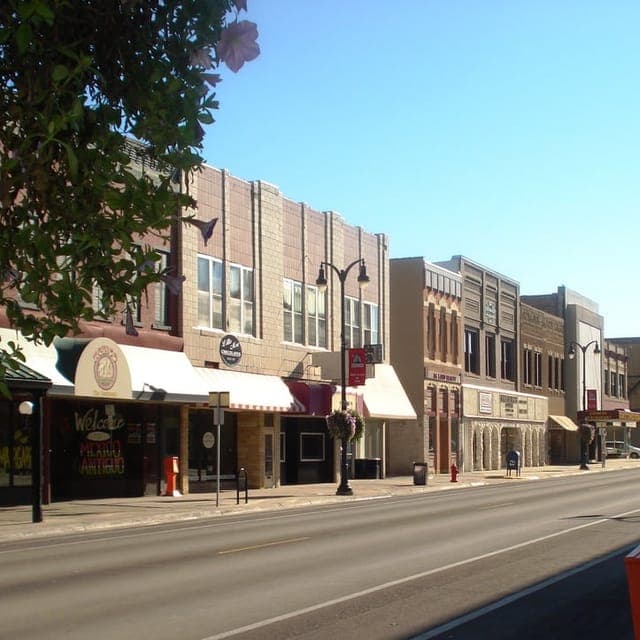
Photo: Wikipedia
Political ClimatePolitical Climate in Iowa
Political Environment in the State
Iowa has been a reliably Republican state for over a decade, carrying a Cook PVI of R+6, but it wasn't always this way. As recently as 2012, the state was a pure toss-up, and it voted for Barack Obama in 2008. The shift has been dramatic: a combination of rural voters consolidating behind the GOP and suburban voters, particularly in places like Polk County (Des Moines), moving left, has created a polarized but solidly red lean. The 2024 presidential election saw Donald Trump win the state by roughly 13 points, a jump from his 8-point win in 2020, signaling a deepening conservative trend that shows no signs of reversing.
Urban vs. rural divide
The political map of Iowa is a textbook case of the urban-rural split. The state's two major metros, Des Moines and Iowa City, are the blue islands. Iowa City, home to the University of Iowa, is a deep-blue college town that routinely votes 70%+ Democratic. Des Moines proper and its inner-ring suburbs like West Des Moines have been trending left, driven by younger professionals and a growing service economy. But the real story is the rural and small-town vote. Counties like Sioux County in the northwest (home to a large Dutch Reformed population) and Plymouth County in the west are among the most Republican in the nation, routinely giving GOP candidates 80% of the vote. The 2020 election saw Dallas County, a fast-growing suburban county west of Des Moines, flip from blue to red, a key indicator that the suburban drift toward the GOP is real. Meanwhile, the northeast corner, around Dubuque and Decorah, remains a mix of blue-collar union Democrats and conservative farmers, but even those areas have shifted right over the past decade.
Policy environment
Iowa's policy environment is a clear reflection of its conservative lean. The state has a flat income tax rate of 3.8% (down from 8.98% in 2022), with a plan to drop to 3.65% by 2026. Property taxes are relatively low, and there is no inheritance tax. The regulatory posture is business-friendly, with right-to-work laws in place and a strong push to limit occupational licensing. On education, Governor Kim Reynolds signed a universal school choice bill in 2023, allowing any family to use state funds for private or homeschool expenses. This is a major win for parental rights. Healthcare policy is mixed: Iowa expanded Medicaid under the Affordable Care Act, but the state has also pursued work requirements for able-bodied adults on the program. Election laws were tightened in 2021, with a law requiring absentee ballot requests to be made earlier and limiting the time polls are open on Election Day. The state also passed a voter ID law in 2017. These measures are seen by conservatives as necessary for election integrity, though critics call them restrictive.
Trajectory & freedom
Iowa is moving in a decidedly more free direction, especially on economic and educational fronts. The 2023 school choice law is the biggest expansion of parental freedom in the state's history. On gun rights, Iowa became a permitless carry state in 2021, meaning any law-abiding adult can carry a concealed firearm without a permit. This was a major victory for Second Amendment advocates. On medical freedom, the state passed a law in 2022 prohibiting mask and vaccine mandates in schools and public universities, a direct response to COVID-era overreach. Property rights have been strengthened with a 2022 law limiting the ability of counties to impose wind and solar energy restrictions that would block private development. However, there are concerns: the state's medical cannabis program remains highly restrictive, with no smokable flower allowed and a low THC cap. And while the state has no personal income tax on Social Security benefits, it still taxes some retirement income, which is a sore point for retirees. Overall, the trajectory is toward more personal liberty, but there are still pockets of government overreach that need attention.
Civil unrest & political movements
Iowa has seen its share of political flashpoints, but they are generally less intense than in coastal states. The 2020 Black Lives Matter protests in Des Moines and Iowa City were significant, with several nights of property damage and clashes with police, but they were smaller than in major cities. The state's response was firm: the governor deployed the Iowa National Guard to protect the state capitol. On the right, the "Parents' Rights" movement has been highly active, particularly in school board elections in suburbs like Ankeny and Waukee, where conservative slates have won majorities and pushed back on critical race theory and LGBTQ curriculum. Immigration politics are less heated than in border states, but there is a growing concern about illegal immigration in agricultural areas, with some counties passing resolutions to declare themselves "Second Amendment sanctuaries" in response to federal overreach. Election integrity remains a hot topic: the 2020 election in Iowa was widely seen as secure, but the 2021 law tightening absentee voting was a direct response to concerns about fraud. There is no serious secession or nullification movement, but the state has a strong tradition of local control and skepticism of federal mandates.
Projection
Looking ahead 5-10 years, Iowa is likely to become even more Republican. The rural population is aging and shrinking, but the suburban growth in places like Dallas County and Johnson County is being driven by families and retirees from blue states who are fleeing high taxes and crime. These newcomers tend to be conservative-leaning, especially on economic and education issues. The state's flat tax and school choice policies are a powerful draw. However, there is a risk: the Iowa City and Ames areas will continue to be blue strongholds due to the university populations, and the state's Democratic Party may try to mobilize young voters and minority communities. But the overall demographic trend favors the GOP. By 2030, expect the state to be R+8 or R+10, with a continued focus on school choice, tax cuts, and Second Amendment rights. The biggest wildcard is the state's aging population: as more retirees move in, healthcare and long-term care policy will become a major issue, and the state will need to balance fiscal conservatism with the needs of an older population.
For a conservative individual or family moving to Iowa, the bottom line is this: you will find a state that respects your right to live your life without excessive government interference. The schools are improving thanks to choice, the taxes are low and getting lower, and your Second Amendment rights are protected. You will need to be aware of the blue pockets in Iowa City and Des Moines, but the state as a whole is a safe bet for anyone looking to escape the chaos of blue states. Just be prepared for cold winters and a strong sense of community that expects you to be a good neighbor. If that sounds like home, Iowa is ready for you.

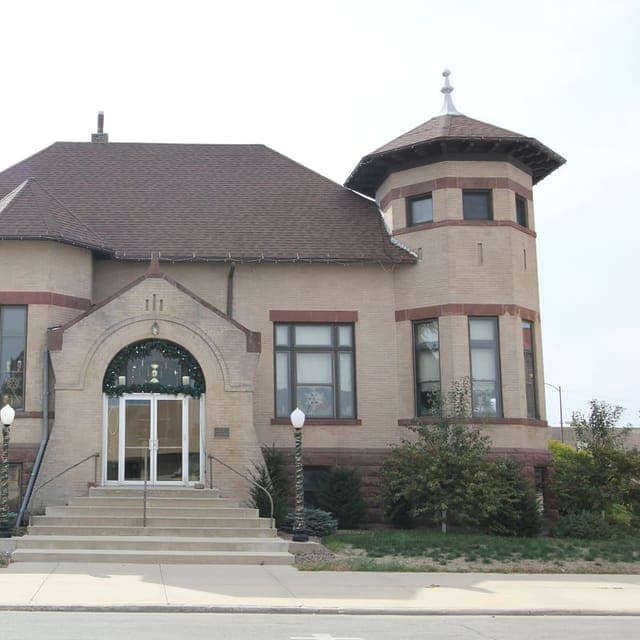
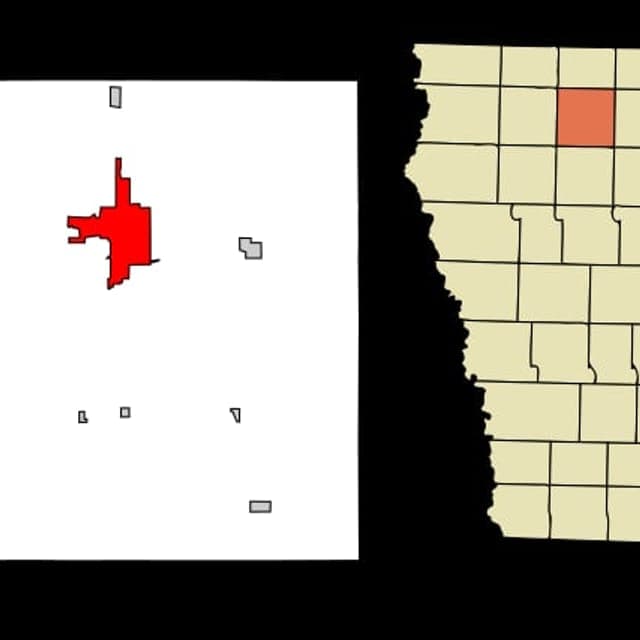
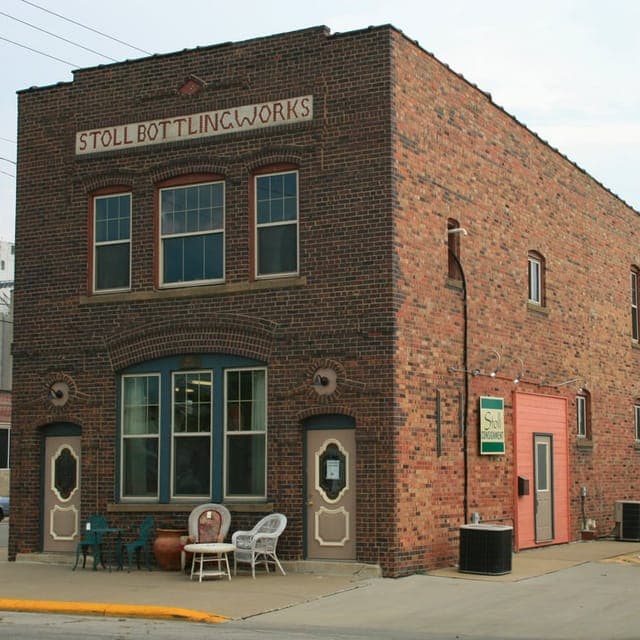
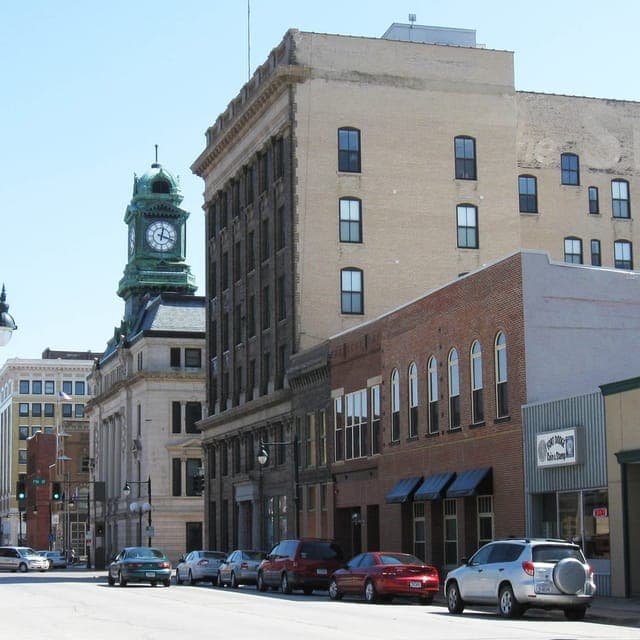
Most Conservative Cities in Iowa
Most Liberal Cities in Iowa
* Values derived from national, state, county, city and local statistics and may differ in a specific area. Last updated: 2026-04-18T22:25:01.000Z
Narrative content on this page is AI-generated and may contain mistakes. Verify any details that matter before acting on them.
ReloMaps may earn a commission from affiliate links at no extra cost to you.

