Photo: Wikipedia
Quality of Life in Iowa
A livable area that tracks near national norms for affordability, walkability, and neighborhood health.
What does Quality of Life tell us?
Quality of Life measures an area by evaluating factors like cost of living, nearby amenities, country club access, airport proximity, socioeconomic signals and neighborhood character. For large states, this is a general average — quality of life can vary dramatically between metro areas, suburbs, and rural communities within the same state.
What does this tell us?
Quality of Life measures an area by evaluating factors like cost of living, nearby amenities, country club access, airport proximity, socioeconomic signals and neighborhood character. For large states, this is a general average — quality of life can vary dramatically between metro areas, suburbs, and rural communities within the same state.
Cost of Living
23% below national average
131%
The Real Cost of Living in Iowa for 2026
| Tier | Individual | Family (4) |
|---|---|---|
| Survival | $15k | $28k |
| Comfortable | $38k | $56k |
| Luxury | $127k+ | $197k+ |
| Elite (Top 5%) | $149k+ | $232k+ |
Quality-of-Life Analysis
Iowa offers a remarkably broad spectrum of quality-of-life options, from dense urban cores to sprawling agricultural landscapes, all within a state with a cost-of-living index of 77 (100 = U.S. average). The state’s median home value of $195,900 and median rent of $949 make it one of the most affordable states in the Midwest, attracting everyone from young professionals seeking career growth to retirees looking for quiet, low-cost living. The average commute of just under 20 minutes underscores the state’s manageable scale, where even major metros offer a pace that feels less frantic than coastal counterparts.
Major metros
If you’re looking for urban living, Iowa has two primary anchors: Des Moines and the Quad Cities (Davenport, Bettendorf, Moline, and Rock Island). Des Moines is the state’s economic and cultural hub, driven by a robust insurance and financial services sector (home to Principal Financial Group and Nationwide) and a growing tech scene. Its downtown has seen a surge in luxury apartments and breweries, but the city retains a Midwestern friendliness and a commute averaging under 18 minutes. The Quad Cities, straddling the Mississippi River, offer a more industrial and blue-collar vibe, with a strong manufacturing base (John Deere, Alcoa) and a lower cost of living than Des Moines. For those seeking a true urban experience with a small-city feel, Des Moines is the clear choice; the Quad Cities appeal to those who want riverfront living and a slower, more affordable urban pace.
Mid-size cities & college towns
Iowa’s mid-size cities and college towns provide a blend of cultural amenities and lower costs. Iowa City, home to the University of Iowa, is a vibrant, walkable college town with a nationally ranked hospital system and a lively arts scene. Its median home value is around $260,000, higher than the state average, but the rental market is competitive due to student demand. Cedar Rapids, the state’s second-largest city, is a manufacturing and logistics hub (Rockwell Collins, Quaker Oats) with a more affordable housing market (median home value ~$175,000) and a strong sense of community. Ames, anchored by Iowa State University, is a classic college town with a focus on agriculture and engineering, offering a low crime rate and a median home value near $230,000. Dubuque, perched on the Mississippi River, blends historic architecture with a growing tourism industry and a median home value around $185,000, appealing to those who want scenic beauty and a slower pace. Council Bluffs, across the river from Omaha, Nebraska, offers a lower cost of living (median home value ~$170,000) and access to a larger metro area’s jobs and entertainment.
Small towns & rural areas
Iowa’s small towns and rural areas define the state’s agricultural heartland, offering a pace of life that is quiet, neighborly, and deeply connected to the land. Pella, known for its Dutch heritage and annual Tulip Time festival, is a picturesque town of about 10,000 with a strong manufacturing base (Pella Corporation windows and doors) and a median home value around $200,000. Decorah, in the northeast Driftless Region, is a haven for outdoor enthusiasts, with trout streams, hiking trails, and a vibrant food co-op scene; its median home value is about $220,000. Storm Lake, in northwest Iowa, is a diverse community with a large meatpacking plant (Tyson Foods) and a median home value under $150,000, attracting immigrants and workers seeking entry-level jobs. Mount Vernon, near Cedar Rapids, is a small town with a historic downtown and a median home value around $250,000, popular with commuters. For those who want true isolation, the Loess Hills region in western Iowa offers dramatic landscapes and tiny towns like Honey Creek (population ~700) with home values under $100,000.
Luxury vs. affordable living
Iowa’s luxury market is concentrated in a few affluent enclaves. West Des Moines and Clive are upscale suburbs with median home values exceeding $350,000, offering top-rated schools, golf courses, and high-end shopping like Jordan Creek Town Center. Okoboji, in the Iowa Great Lakes region, is a seasonal luxury destination where lakefront homes can top $1 million, attracting wealthy families from across the Midwest. On the affordable end, Fort Dodge (median home value ~$120,000) and Mason City (median home value ~$140,000) offer some of the lowest housing costs in the state, with a slower economy but a low barrier to entry. Burlington, on the Mississippi River, has a median home value around $110,000, making it one of the cheapest places to buy a home in Iowa. The spread between luxury and affordable areas is stark: a home in West Des Moines costs roughly three times what a comparable home in Fort Dodge would, but both offer a cost of living well below the national average.
The practical reality is that Iowa’s quality-of-life spectrum is defined by trade-offs between opportunity and cost. Young professionals and families with high incomes gravitate toward Des Moines and its suburbs for jobs and amenities, accepting higher housing costs. College towns like Iowa City and Ames attract students and academics who value walkability and culture. Small towns and rural areas appeal to retirees, remote workers, and those in agriculture who prioritize low costs and a quiet pace. With a statewide average commute under 20 minutes and a cost of living 23% below the national average, Iowa offers a lifestyle where most residents can afford a home and a car, but the choice of where to live largely depends on whether one values urban energy, college-town vibrancy, or rural solitude.

Crime in Iowa
Generally safer than 69% of comparable U.S. locations.
Violent CrimeViolent Crime Analysis
Property CrimeProperty Crime Analysis
Crime Analysis
Iowa’s overall crime picture is mixed: the state’s violent crime rate of 229.1 per 100,000 residents sits well below the national average, but its property crime rate of 1,163.4 per 100,000 is notably higher than the U.S. median. This means that while the risk of a violent encounter is relatively low in most Iowa communities, property theft—especially vehicle break-ins and burglaries—is a more common concern for residents. The state’s rural character and strong community policing in smaller towns help keep violent incidents infrequent, but urban centers and their surrounding suburbs face distinct challenges.
Crime in context
Compared to the national violent crime rate of roughly 380 per 100,000, Iowa’s 229.1 figure is a clear positive, placing it among the safer states for personal safety. However, the property crime rate of 1,163.4 per 100,000 exceeds the national average of about 1,100, driven largely by thefts from vehicles and residential burglaries. Des Moines and Council Bluffs report property crime rates significantly above the state average, while smaller cities like Ankeny and Johnston maintain rates well below it. The state’s judicial districts vary in approach: Polk County (Des Moines) and Linn County (Cedar Rapids) have seen progressive district attorneys prioritize diversion programs and reduced sentencing for property offenders, a philosophy that critics argue leads to higher recidivism and more crimes on the street. In contrast, more conservative jurisdictions like Dallas County (west of Des Moines) and Story County (Ames) maintain stricter enforcement, correlating with lower property crime rates.
What residents experience
For the average Iowan, the most likely crime is a property offense—often a stolen package, a smashed car window, or a garage burglary. Violent crime, while rare, is concentrated in specific areas: Des Moines accounts for roughly 30% of the state’s violent incidents, with gang-related shootings and aggravated assaults clustered in neighborhoods east of the downtown core. Davenport and Waterloo also report violent crime rates above the state average, driven by socioeconomic stressors and, in Davenport’s case, its proximity to the Illinois border. Residents in these cities often cite a perception that the justice system is too lenient: for example, Polk County’s pretrial release policies have been criticized for allowing repeat property offenders back onto the streets quickly, undermining public confidence. In contrast, communities like Coralville and Waukee experience violent crime rates near zero, with property crime kept in check by active neighborhood watch programs and well-funded police departments.
Neighborhood-level variation is stark. In Des Moines, the Beaverdale and West Des Moines areas see property crime rates 40% lower than the city average, while the River Bend and King Irving neighborhoods report rates double the city norm. Similarly, in Cedar Rapids, the Kenwood Park area is relatively safe, while the Wellington Heights neighborhood struggles with higher theft and occasional violent incidents. For prospective residents, the safest bets are the suburban rings around major cities—places like Urbandale, Grimes, and North Liberty—where progressive prosecutorial policies have less influence and community-oriented policing is the norm. Overall, Iowa offers a safe environment for those who choose their neighborhood wisely, but the property crime rate and the impact of lenient justice policies in larger counties warrant careful consideration.
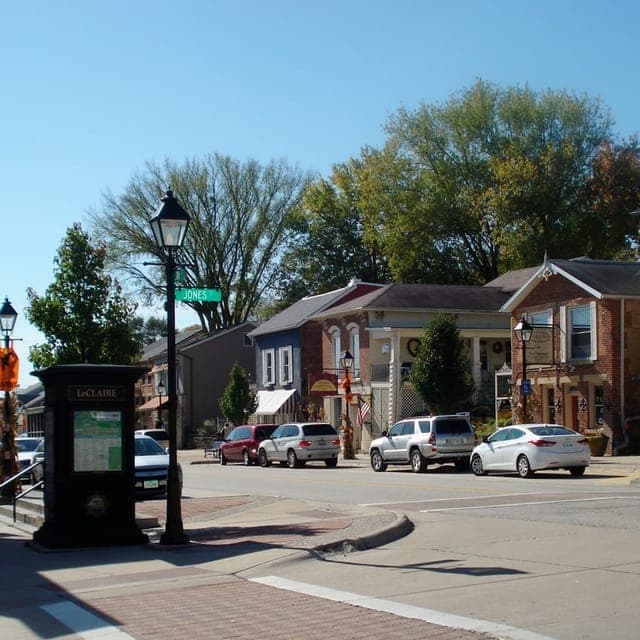
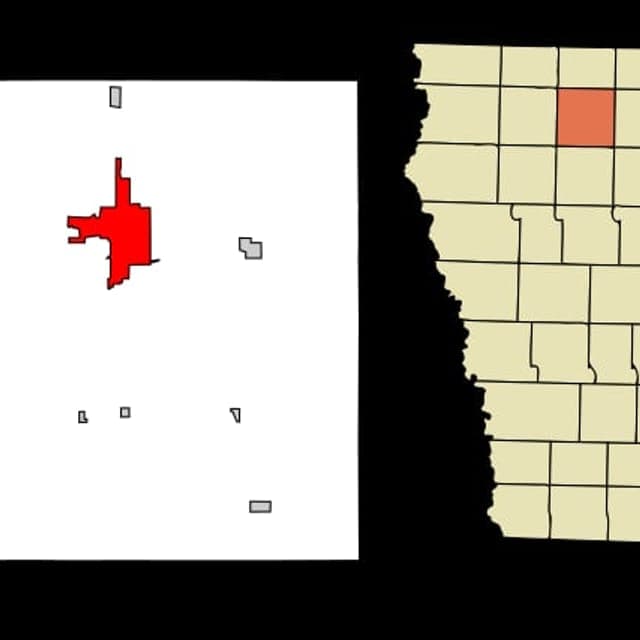
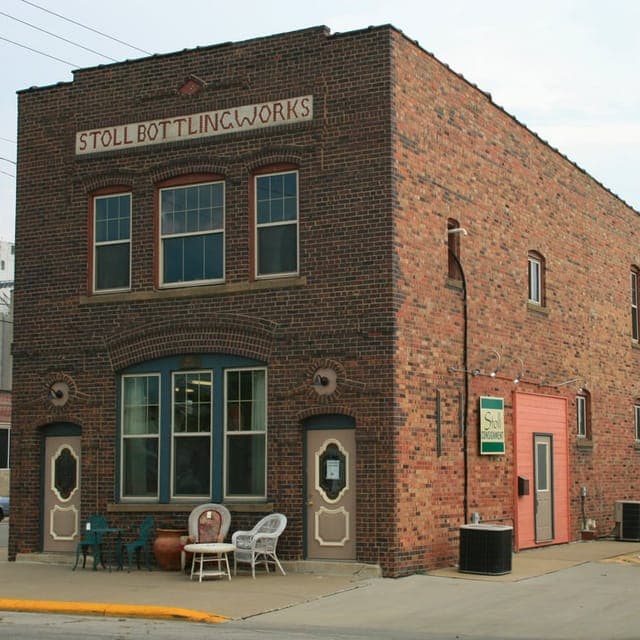
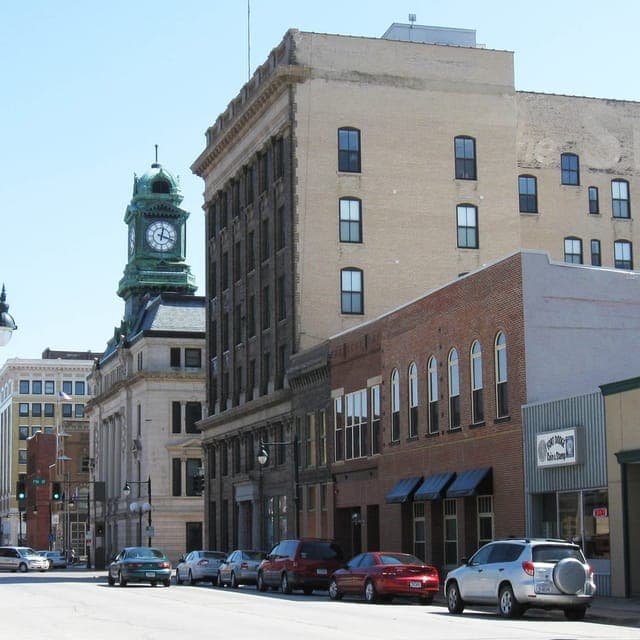
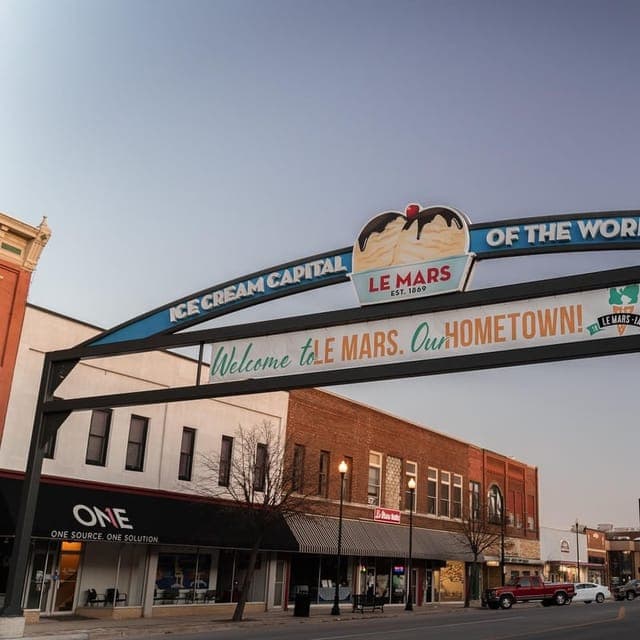
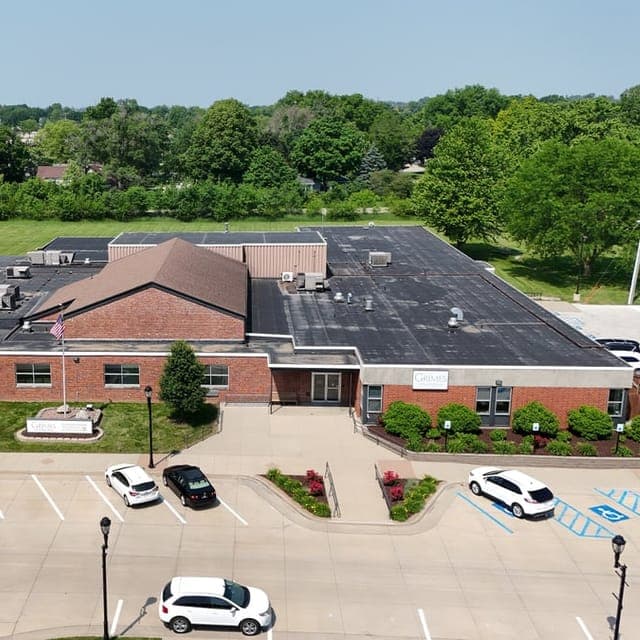
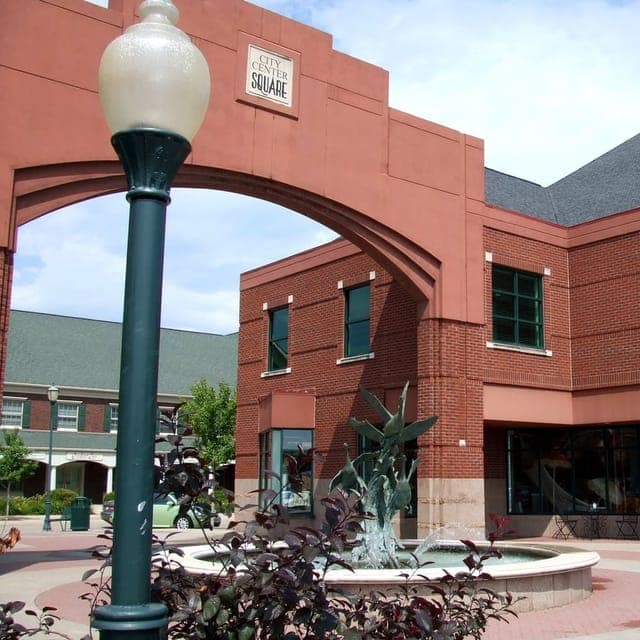
Top Cities for Quality of Life in Iowa

* Values derived from national, state, county, city and local statistics and may differ in a specific area. Last updated: 2026-04-18T22:25:01.000Z
Narrative content on this page is AI-generated and may contain mistakes. Verify any details that matter before acting on them.
ReloMaps may earn a commission from affiliate links at no extra cost to you.

