 Popular
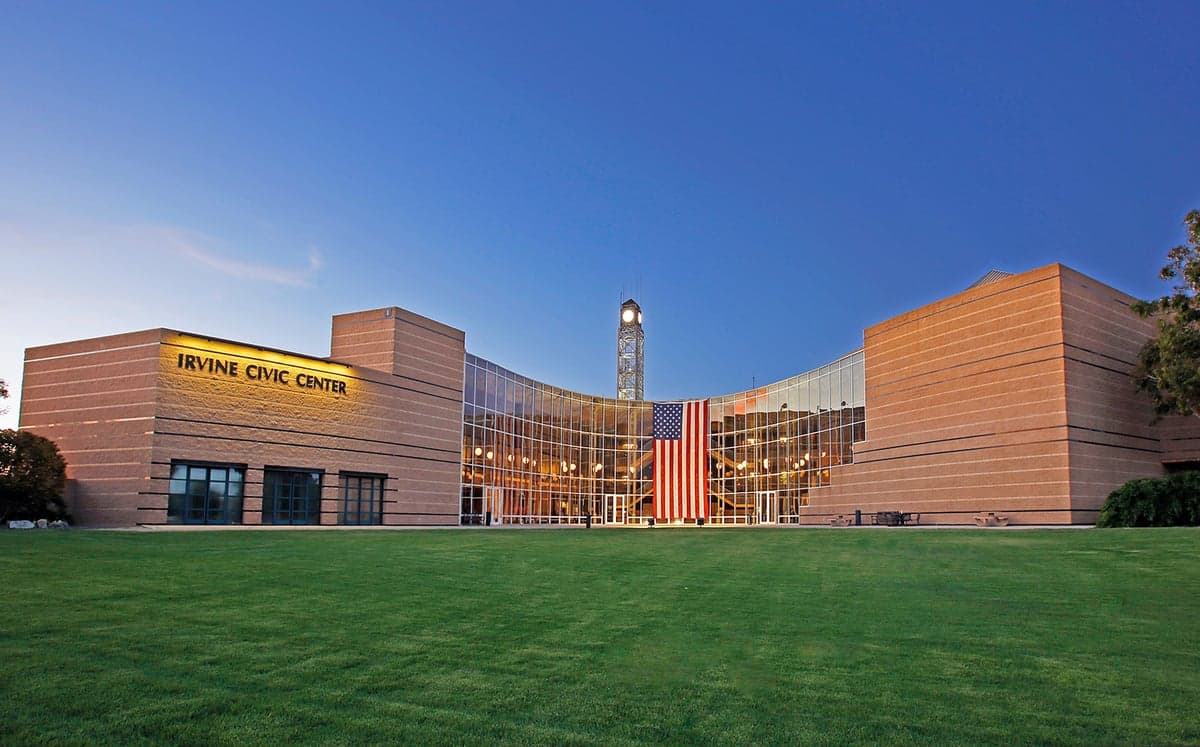
Photo: Wikipedia
Personal Sovereignty in Irvine, CA
Moderate friction. Expect trade-offs in some aspect of personal liberty and independence.
What does Personal Sovereignty tell us?
Personal Sovereignty measures your capacity for self-reliance and independence with minimal government friction. Higher scores mean fewer barriers between you and the way you want to live... but it assumes you have the space you need and good neighbors.
What does this tell us?
Personal Sovereignty measures your capacity for self-reliance and independence with minimal government friction. Higher scores mean fewer barriers between you and the way you want to live... but it assumes you have the space you need and good neighbors.
State Policy
Energy independence: Importer (33% of energy produced in-state)
Personal Liberty
Homesteading

Personal Liberty Analysis
Irvine, California presents a complex and often contradictory environment for personal sovereignty, especially when viewed through a survivalist or prepper lens. While the city boasts high safety and economic opportunity, its governance model is deeply intertwined with state-level policies that significantly curtail individual autonomy in areas like self-defense, property use, and medical choice. For a conservative-leaning individual or family prioritizing self-reliance, Irvine offers a secure physical environment but demands a strategic acceptance of substantial regulatory oversight and a high cost of living that can limit financial independence. The trade-off is clear: you gain a stable, low-crime base of operations, but you operate within a system that heavily prioritizes collective mandates over personal liberty.
Tax burden and regulatory posture: The cost of living under a progressive state
California’s tax structure is a primary constraint on personal sovereignty in Irvine. The state imposes a progressive income tax with a top marginal rate of 13.3%, one of the highest in the nation, which directly reduces the capital available for personal savings, investments, and prepping supplies. Sales tax in Irvine is approximately 7.75%, and property taxes, while capped at roughly 1% of purchase price under Proposition 13, are assessed on some of the highest real estate values in the country—the median home price in Irvine consistently exceeds $1 million. This creates a significant barrier to building wealth and land ownership, two cornerstones of self-reliance. From a regulatory standpoint, Irvine operates under California’s extensive environmental and building codes, which can complicate or delay projects like installing solar panels, rainwater catchment systems, or even constructing a simple shed without permits. The city’s strict zoning and homeowners’ association (HOA) covenants further limit what you can do with your property, making large-scale homesteading or off-grid modifications nearly impossible within city limits. For a prepper, this means your financial and physical autonomy is heavily taxed and regulated before you even begin.
Self-defense and gun law specifics: Navigating a restrictive legal landscape
For those prioritizing the right to self-defense, Irvine is located in one of the most restrictive states for gun ownership in the country. California requires a 10-day waiting period, a Firearm Safety Certificate, and a background check for all firearm purchases. The state bans "assault weapons" by feature, limits magazine capacity to 10 rounds, and requires a license to carry a concealed weapon (CCW), which, while easier to obtain post-Bruen decision, still involves a lengthy application, training, and background check process through the Orange County Sheriff’s Department. Irvine itself has a reputation for being particularly stringent; the city council has historically supported local gun control measures, and the police department is known for proactive enforcement. Open carry is illegal, and transporting firearms requires them to be locked in a case and unloaded. For a survivalist, this means building a robust personal armory is legally complex and expensive, and the ability to carry a defensive weapon in daily life is heavily restricted. The practical takeaway: if self-defense is a top priority, Irvine’s legal environment is a significant obstacle that requires careful planning and compliance to avoid legal jeopardy.
Self-reliance and homesteading viability: Lot sizes, zoning, and off-grid feasibility
True homesteading or off-grid living is not viable within Irvine’s urban footprint. The city is master-planned, with most residential lots averaging between 4,000 and 8,000 square feet—too small for substantial food production or livestock. Zoning laws prohibit keeping chickens, goats, or bees in most single-family neighborhoods, and HOAs often have additional restrictions on gardens, clotheslines, and even the appearance of solar panels. Rainwater harvesting is legal but limited to 200 gallons per property under state law, and graywater systems require permits. The city’s water supply is entirely municipal, sourced from imported water via the Metropolitan Water District, making you dependent on a fragile infrastructure system. For a prepper, the realistic approach here is not self-sufficiency in the rural sense, but rather "urban preparedness"—stockpiling supplies, building a community network, and investing in portable power solutions like solar generators. The lack of land and water autonomy means you must rely on stored resources and a strong financial buffer to weather disruptions, rather than living off the land.
Personal liberties: Parental rights, medical autonomy, speech, and property
Irvine’s environment for personal liberties is a mixed bag, heavily influenced by state-level mandates. On parental rights, California law grants significant authority to the state in education and healthcare decisions. For example, the state’s "parental rights" laws are weaker than in many red states; schools can implement LGBTQ+ curriculum without parental opt-out, and minors can consent to certain medical treatments (like mental health or reproductive care) without parental knowledge. This is a major concern for conservative parents who want full control over their children’s upbringing. Medical autonomy is similarly constrained: California has strict vaccine mandates for school attendance and healthcare workers, and during the pandemic, Irvine enforced some of the most aggressive lockdowns and business restrictions in the region. On speech, while the First Amendment applies, California’s laws against "hate speech" and workplace harassment can be interpreted broadly, and Irvine’s corporate culture often discourages open political expression. Property rights are heavily regulated; as noted, zoning and HOA rules limit use, and the state’s rent control laws (AB 1482) apply to many apartments, restricting landlords’ ability to set market rates. For a conservative individual, these policies represent a steady erosion of personal decision-making power, particularly in family and medical matters.
In the broader context of personal sovereignty, Irvine ranks low compared to states like Texas, Florida, or Idaho, where tax burdens are lighter, gun laws are more permissive, and property rights are stronger. However, within California, Irvine is a relative outlier for safety, economic stability, and local governance that is less chaotic than nearby Los Angeles. The city’s high cost of living and restrictive regulations make it a poor fit for a full-on prepper lifestyle, but its low crime rate and strong infrastructure can serve as a secure base for those who prioritize physical safety over legal and financial autonomy. The strategic decision for a conservative-leaning individual is whether the trade-offs—paying high taxes, accepting gun control, and navigating a progressive social framework—are worth the benefits of living in a well-managed, low-crime community. For most survivalists, Irvine is a place to build wealth and network, not a long-term retreat location.

* Values derived from national, state, county, city and local statistics and may differ in a specific area. Last updated: 2026-04-24T11:26:41.000Z
Narrative content on this page is AI-generated and may contain mistakes. Verify any details that matter before acting on them.
ReloMaps may earn a commission from affiliate links at no extra cost to you.

