Photo: Wikipedia
Quality of Life in Jefferson City, MO
A high quality of life with strong walkability, manageable living costs, healthy neighborhood signals, and solid amenity access.
What does Quality of Life tell us?
Quality of Life blends cost of living, nearby amenities, socioeconomic signals, and neighborhood character. City-level scores represent the whole municipality; individual neighborhoods can differ.
What does this tell us?
Quality of Life blends cost of living, nearby amenities, socioeconomic signals, and neighborhood character. City-level scores represent the whole municipality; individual neighborhoods can differ.
Cost of Living
31% below national average
The Real Cost of Living in Jefferson City, MO for 2026
| Tier | Individual | Family (4) |
|---|---|---|
| Survival | $12k | $23k |
| Comfortable | $40k | $59k |
| Luxury | $113k+ | $176k+ |
| Elite (Top 5%) | $133k+ | $207k+ |
113%
The Area Signal
A metric tracking the socioeconomic signals of the area.


Hobbies
Explore the areaGroceries
5 within 10 miles
Gas
0 within 10 miles
Hospital
3 within 20 miles
Airport
MCI — Kansas City International
Post Office
USPS — Jefferson City, MO
Critical Amenities
Quality-of-Life Analysis
Jefferson City offers a quality of life defined by exceptional affordability and a stable, family-oriented atmosphere, attracting a mix of state government employees, healthcare workers, and retirees who value low stress and short commutes. With a cost of living index of 69 (31% below the U.S. average), the capital city provides a financial cushion that allows residents to prioritize homeownership, savings, and leisure over the high-stakes grind found in larger metros. The median household income of roughly $56,000 aligns well with local costs, creating a community where middle-class comfort is the norm rather than the exception.
Cost of living, housing, and how Jefferson City compares to Columbia and Lake of the Ozarks
Jefferson City’s housing market is the cornerstone of its affordability, with a median home value of $208,000 and a median rent of just $766 per month. This places homeownership well within reach for a single earner making the area’s median income, and rent consumes a far smaller share of income than in nearby Columbia (where the median rent exceeds $1,000) or the resort-heavy Lake of the Ozarks region. The overall cost of living index of 69 is driven by low costs across all categories: groceries, transportation, and healthcare are all 10–20% below national benchmarks. The average commute of 15.6 minutes is a standout feature—far shorter than the national average of 26 minutes—meaning residents spend less on gas and vehicle wear, and gain back nearly an hour of personal time each day compared to a typical suburban commuter. This combination of cheap housing, low daily expenses, and a quick drive to work makes the city especially attractive to state workers who can live in quiet neighborhoods like Eastside or Moreau Drive and reach the Capitol complex in under 10 minutes.
Amenities, schools, and what daily life is like for families and professionals
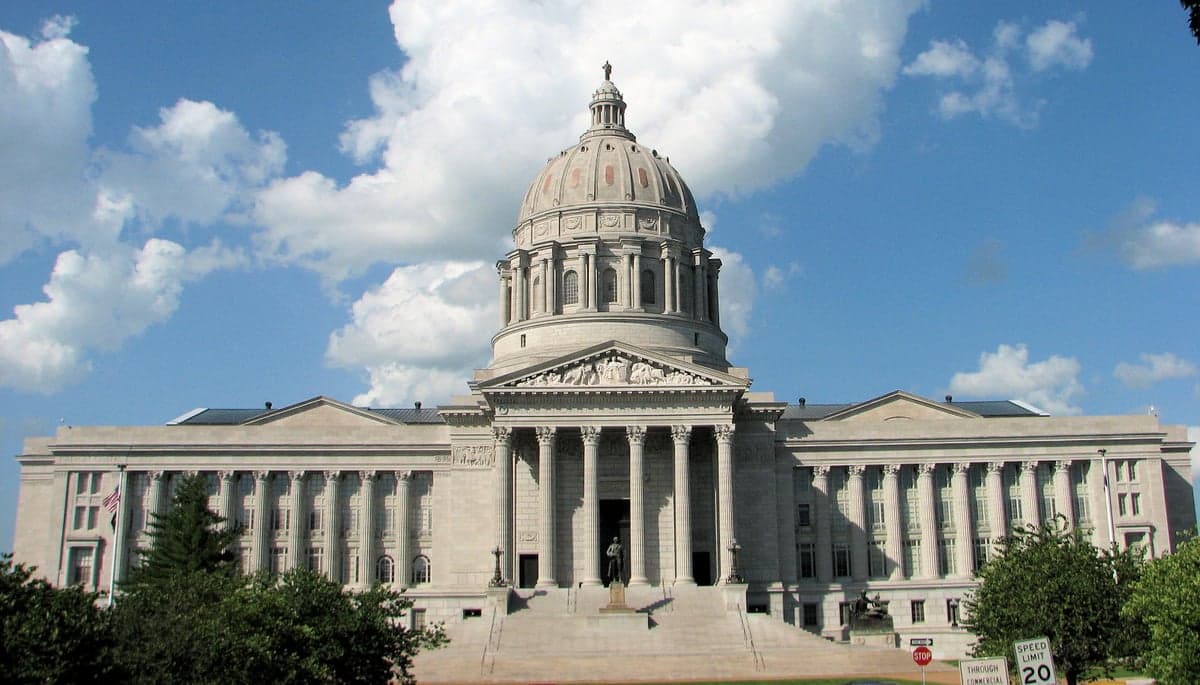
Daily life in Jefferson City revolves around a compact, walkable downtown core along the Missouri River, anchored by the Missouri State Capitol, the Governor’s Mansion, and a growing collection of local restaurants and breweries. The Jefferson City School District serves roughly 10,000 students and includes Jefferson City High School, which offers a strong slate of Advanced Placement courses and a well-regarded career and technical education center. For families, the city’s parks system—including the 200-acre Binder Park and the riverfront Katy Trail—provides ample outdoor recreation without the crowds of a major metro. Healthcare is robust, anchored by SSM Health St. Mary’s Hospital and Capital Region Medical Center, which together employ thousands and ensure residents rarely need to travel to Columbia for specialist care. The rhythm of life is slower and more predictable than in St. Louis or Kansas City, with community events like the annual Salute to America festival and the Jefferson City Farmers Market serving as social anchors. Professionals working in state government or at the nearby University of Missouri’s extension offices find a collegial, low-drama work environment that reinforces the city’s reputation as a place where career and family life can coexist without constant trade-offs.
Jefferson City is best suited for people who prioritize financial stability, short commutes, and a close-knit community over the cultural intensity and career velocity of a large city. State employees, remote workers, and early-career professionals will find the housing and cost advantages hard to beat, while families will appreciate the safe neighborhoods, solid public schools, and abundant green space. Retirees on fixed incomes also thrive here, as the low cost of living stretches savings further than in almost any other state capital. For anyone seeking a balanced, low-stress life in a clean, safe, and affordable Midwestern city, Jefferson City delivers on its promise without pretense.

Crime in Jefferson City, MO
Generally safer than 71% of comparable U.S. locations.
Violent CrimeViolent Crime Analysis
Property CrimeProperty Crime Analysis
Crime Analysis
Jefferson City, Missouri, presents a mixed safety profile that requires careful examination. The city’s violent crime rate of 342.9 incidents per 100,000 residents and property crime rate of 1,799.3 per 100,000 place it above national averages, though the specific local justice system dynamics are a key factor for potential residents to weigh. As the state capital, Jefferson City’s crime picture is influenced by both its urban core and surrounding Cole County, where law enforcement and prosecutorial approaches can vary significantly.
Crime in context
Jefferson City’s violent crime rate is roughly 20% higher than the national average (which sits around 280 per 100,000), while its property crime rate exceeds the national figure by about 30% (national average near 1,400 per 100,000). Compared to other Mid-Missouri cities of similar size, Jefferson City’s rates are moderate—lower than Columbia’s but higher than nearby Fulton. The city’s status as a government and administrative hub means a significant daytime population influx, which can inflate crime statistics relative to the resident population. However, the broader context of Missouri’s criminal justice policies is relevant: the state has seen debates over progressive prosecutorial reforms, and while Cole County has historically maintained a more traditional law-and-order stance, the proximity to larger metro areas like St. Louis and Kansas City—where liberal district attorneys have been elected—can influence regional crime patterns and offender mobility.
What residents experience
For those living in Jefferson City, property crime is the most common concern. Burglary, vehicle theft, and larceny account for the bulk of reported incidents, with car break-ins and package thefts frequently cited in neighborhood forums. Violent crime, while less common, is concentrated in specific areas—particularly around the downtown core and along the Business 50 corridor. Residents in established neighborhoods like the East Side and near the Capitol report feeling safe during daylight hours, but caution is advised after dark in less trafficked areas. The local police department maintains a visible presence, and community policing initiatives have been implemented, though response times can vary depending on call volume. A notable concern for families is the impact of progressive judicial philosophies: in jurisdictions where judges prioritize rehabilitation over incarceration for repeat property offenders, residents may experience higher recidivism rates and a sense that the justice system is not fully deterring crime.
Neighborhood-level variation
Safety in Jefferson City is not uniform. The western and southern parts of the city—including the Moreau Drive area and neighborhoods near the Missouri River—tend to have lower crime rates, with many subdivisions reporting few incidents. In contrast, the central and northern sections, particularly around the Missouri State Penitentiary site and along Industrial Drive, see higher concentrations of both property and violent crime. Prospective residents should examine block-level data from the Jefferson City Police Department’s crime mapping tool, as even within a single ZIP code, safety can vary dramatically from one street to the next. For those prioritizing security, the outlying areas of Cole County, such as Wardsville and Russellville, offer lower crime rates and a more conservative judicial environment, though they require a commute into the capital.
* Values derived from national, state, county, city and local statistics and may differ in a specific area. Last updated: 2026-04-16T00:40:04.000Z
Narrative content on this page is AI-generated and may contain mistakes. Verify any details that matter before acting on them.
ReloMaps may earn a commission from affiliate links at no extra cost to you.

