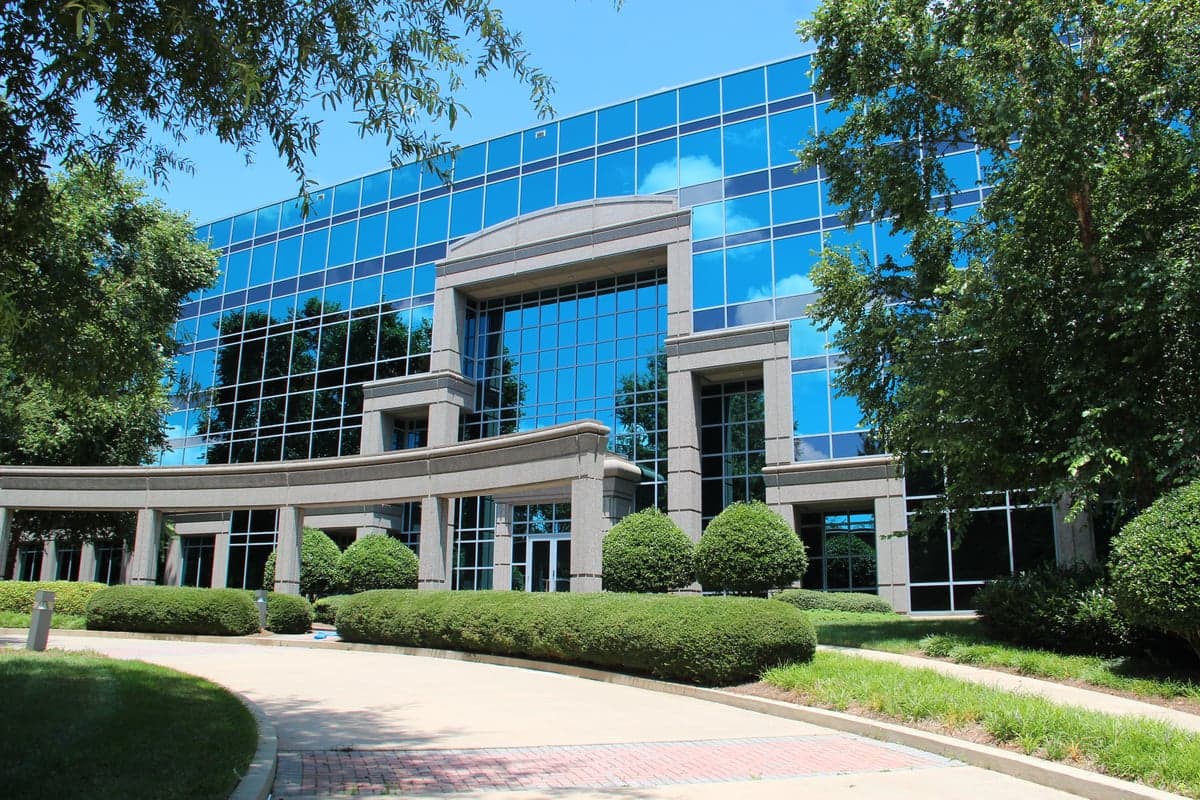
Photo: Wikipedia
Strategic Assessment of Johns Creek, GA
Meaningful friction. Expect exposure to either population pressure, blast zones, or natural disaster risk. Consider buying a retreat property.
What does the Strategic Assessment tell us?
Our Strategic Assessment grades tactical survivability of an area. Major population centers, military targets, fallout zones, natural disasters, and border exposure all drive risk — lower exposure means a more defensible position in a crisis.
This is heavily inspired by Joel Skousen's Strategic Relocation book. Highly recommended you checkout the book ($)What does this tell us?
Our Strategic Assessment grades tactical survivability of an area. Major population centers, military targets, fallout zones, natural disasters, and border exposure all drive risk — lower exposure means a more defensible position in a crisis.
This is heavily inspired by Joel Skousen's Strategic Relocation book. Highly recommended you checkout the book ($)Strategic Pillars

Key Distances
Regional Safe Places
Below is our recommended "safe zones" in Georgia and the surrounding area based on our strategic heuristics. For most people, it's unrealistic to live in a “safe zone” full-time due to work, family or other personal reasons. They tend to be more rural. However, many of these areas are perfect for second homes and retreat properties that double as a vacation home or even a short-term rental.
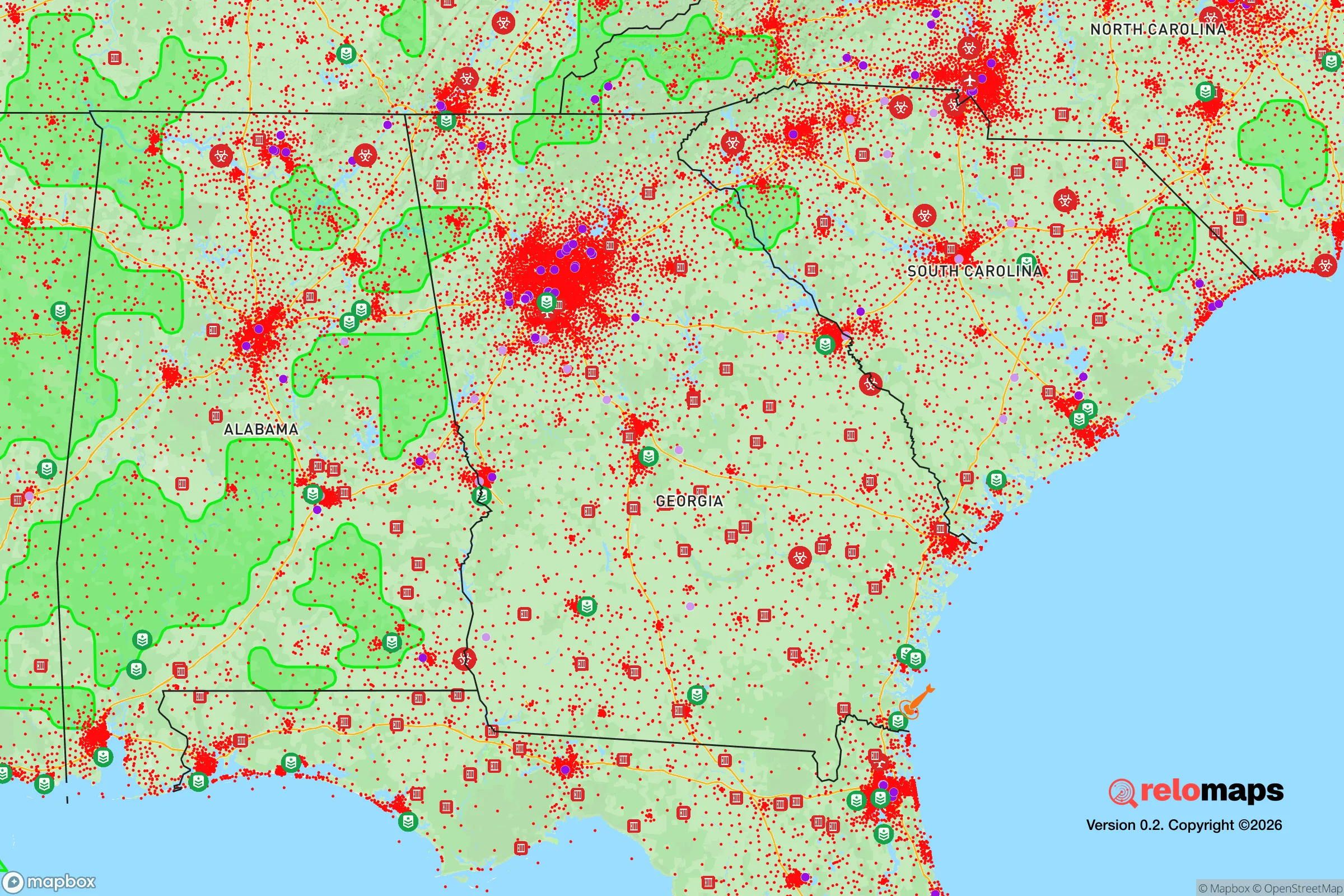
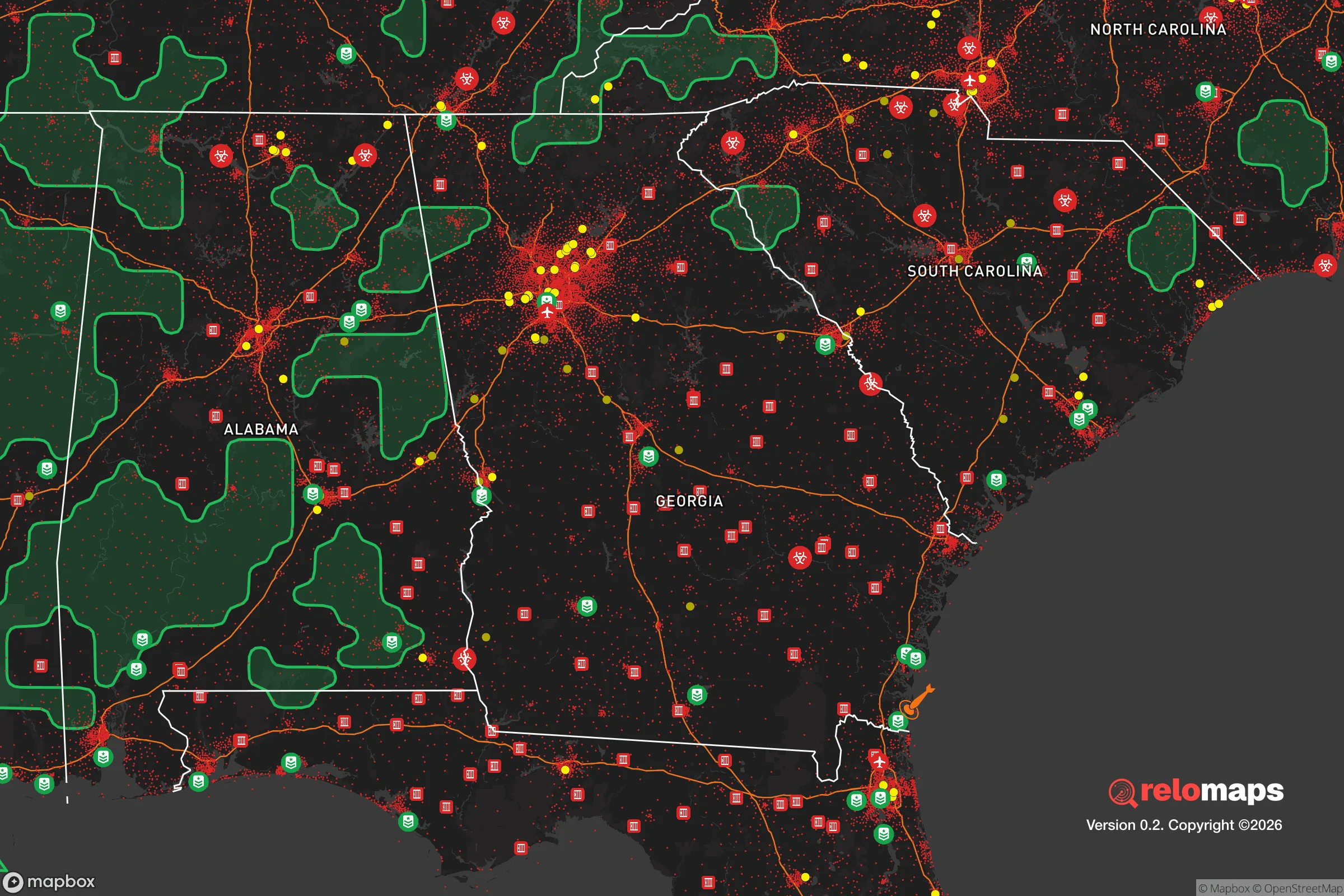


Important Note: For informational purposes only. This does not mean nothing bad ever happens in the green zones. Please use common sense. This is based on public data and modeled with AI. We tried to take a conservative approach but mistakes happen. We update this regularly as new information becomes available.
Solar Generator Recommendations
Backup power matters more here than in safer locations. We've picked three solar generators across budgets and capacity tiers — start with the budget unit if you only need a few essentials, or step up if you want to run a fridge and HVAC for days at a time.

Jackery Portable Power Station Explorer 300
Budget OptionPower on the Go: Weighing only 11 lbs, it's convenient to set up and store with book-sized foldable solar panels

BLUETTI Portable Power Station AC180
Designed for both indoor and outdoor scenarios, AC180 is highly capable as it has a robost capacity and continuous output power.

EF ECOFLOW DELTA Pro Ultra Power Station
Upgraded PickEcoFlow DELTA Pro Ultra is a whole-home energy system designed to grow with your family. Integrated with the Smart Home Panel 2, it scales to meet your evolving energy needs — keeping your home powered, intelligent, and secure through every stage of life.
We earn a commission, at no additional cost to you.
Strategic Assessment Analysis
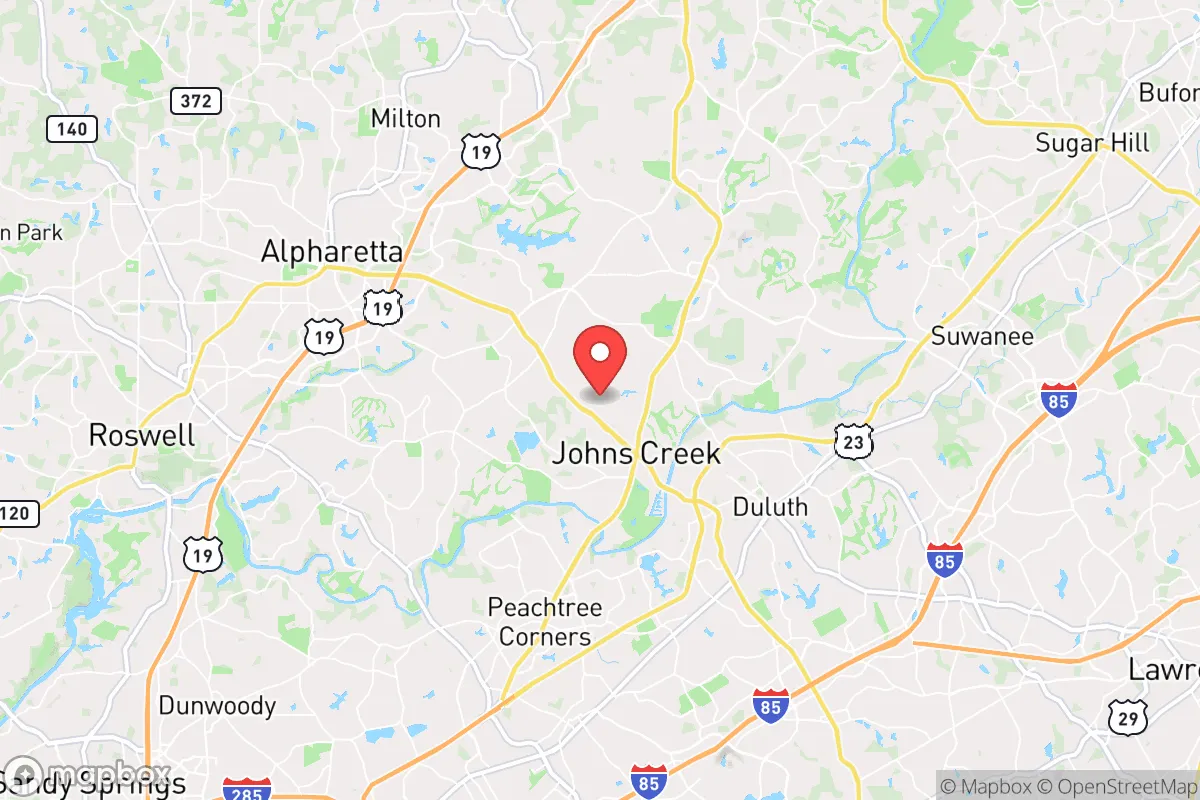
Johns Creek, Georgia, offers a surprisingly resilient relocation option for those prioritizing strategic depth and preparedness, balancing proximity to Atlanta’s resources with a buffer against its most acute risks. This affluent northern suburb sits roughly 30 miles northeast of downtown Atlanta, placing it outside the immediate blast and fallout zones of a major urban target while still providing access to critical supply chains and medical infrastructure. For a conservative-leaning prepper or survivalist, the area’s key advantage is its position along the Chattahoochee River corridor, which provides natural water resources, defensible terrain, and a degree of separation from the densest population centers that would likely become chaotic during a mass casualty event or civil unrest.
Geographic position and natural advantages for strategic relocation
Johns Creek’s geography is defined by its location on the Chattahoochee River’s eastern bank, with the river forming a natural western boundary that limits approach vectors from Atlanta. The area sits atop the Piedmont Plateau, characterized by rolling hills, granite outcroppings, and mixed hardwood forests—terrain that offers both concealment and defensible positions. The city’s elevation averages around 1,000 feet above sea level, which provides a slight vantage point over the surrounding region and reduces flood risk compared to lower-lying areas south of Atlanta. The Chattahoochee River itself is a perennial water source, fed by the Buford Dam upstream at Lake Lanier, meaning that even during drought conditions, the river maintains a substantial flow. This water availability is a critical resilience factor: the river can support small-scale irrigation, livestock, and personal consumption with proper filtration. The surrounding forests also provide ample firewood, game (deer, turkey, small game), and building materials for those with the skills to harvest them. The area’s natural advantages are further bolstered by its position within the Georgia Piedmont, which has a moderate climate with four distinct seasons—avoiding the extreme heat of the Deep South and the harsh winters of the Appalachians—making year-round outdoor survival more feasible.
Risks, exposures, and proximity to fallout-relevant landmarks
The primary strategic risk for Johns Creek is its proximity to Atlanta, a major transportation hub, corporate headquarters concentration, and potential target for both conventional and asymmetric threats. Atlanta is home to Hartsfield-Jackson International Airport, the world’s busiest airport, as well as the Centers for Disease Control and Prevention (CDC), multiple Fortune 500 headquarters (including Coca-Cola, Delta Air Lines, and Home Depot), and critical infrastructure like the Georgia Power grid and major interstate junctions (I-75, I-85, I-20). In a mass casualty event—whether from a coordinated attack, EMP, or pandemic—Atlanta would likely become a humanitarian crisis zone, with millions of people attempting to flee outward along the same highways that connect Johns Creek to the city. Johns Creek sits directly along the GA-400 corridor, a primary evacuation route from Atlanta to the North Georgia mountains, meaning that any large-scale exodus would funnel through or near the city. Additionally, the area is within 50 miles of the Vogtle Electric Generating Plant (a nuclear facility near Augusta), though prevailing winds typically carry fallout eastward, reducing direct risk. The city itself has no major military bases or government installations, which lowers its target profile but also means no nearby military support in a crisis. The primary natural risk is severe thunderstorms and tornadoes, which are common in the spring and summer; the area is rated as having a moderate tornado risk, with occasional EF-2 or EF-3 events possible. Flooding along the Chattahoochee and its tributaries is a localized concern, but most Johns Creek neighborhoods are built on higher ground and are not in designated flood zones.
Practical resilience for a relocator: food, water, energy, and defensibility
For a relocator focused on practical preparedness, Johns Creek offers a mixed but workable picture. Water is the strongest asset: the Chattahoochee River is accessible from several public parks and boat ramps, and the city’s water supply comes from the river via the Fulton County water system. However, in a grid-down scenario, residents would need personal filtration systems (e.g., Berkey, Sawyer, or LifeStraw) and storage capacity, as municipal pumps would fail. The area’s clay-heavy soil makes traditional well-drilling expensive and uncertain, but shallow hand-dug wells can reach the water table in some neighborhoods. Food resilience is moderate: Johns Creek has several large grocery chains (Kroger, Publix, Walmart) and a farmers’ market, but these would be depleted within days of a crisis. The city’s zoning allows for backyard chickens and small gardens in most residential areas, and there are a handful of community gardens. For long-term food security, relocators should plan to establish raised-bed gardens and consider joining a local food co-op or CSA. Energy resilience is a weak point: the area is served by Georgia Power, which relies on a mix of natural gas, coal, nuclear, and renewables, but the grid is aging and vulnerable to both cyberattacks and physical sabotage. Solar panels are viable (the area averages 218 sunny days per year), but homeowners associations (HOAs) in many Johns Creek neighborhoods restrict visible solar installations. Backup generators (natural gas or propane) are common in the area and are a practical investment. Defensibility is moderate: Johns Creek is a suburban sprawl with cul-de-sacs, gated communities, and a low crime rate (violent crime is about 60% below the national average), which means that in a crisis, the area would likely see less immediate violence than inner-ring suburbs. However, the city’s layout—with multiple entry points, a dense road network, and no natural choke points—makes it difficult to secure against a determined group. The best defensive strategy is to choose a home on a dead-end street with a single access point, preferably backing onto wooded or riverfront land that provides a natural barrier.
The overall strategic picture for Johns Creek is that of a solid B+ relocation option for the conservative prepper who wants to stay within striking distance of Atlanta’s resources while maintaining a buffer from its worst-case scenarios. The area’s natural water access, moderate climate, and low baseline crime are genuine advantages, and its affluent, educated population means that in a crisis, neighbors are more likely to cooperate than loot. The downsides are real but manageable: proximity to a major target city, HOA restrictions that can hinder self-sufficiency, and a suburban layout that is not inherently defensible. For a single individual or family willing to invest in water filtration, solar backup, and a well-chosen home site, Johns Creek offers a livable, low-profile base that balances modern convenience with genuine strategic depth. It is not a remote bug-out location, but it is a viable home base for those who want to be prepared without disappearing into the woods.

* Values derived from national, state, county, city and local statistics and may differ in a specific area. Last updated: 2026-04-23T05:07:22.000Z
Narrative content on this page is AI-generated and may contain mistakes. Verify any details that matter before acting on them.
ReloMaps may earn a commission from affiliate links at no extra cost to you.

