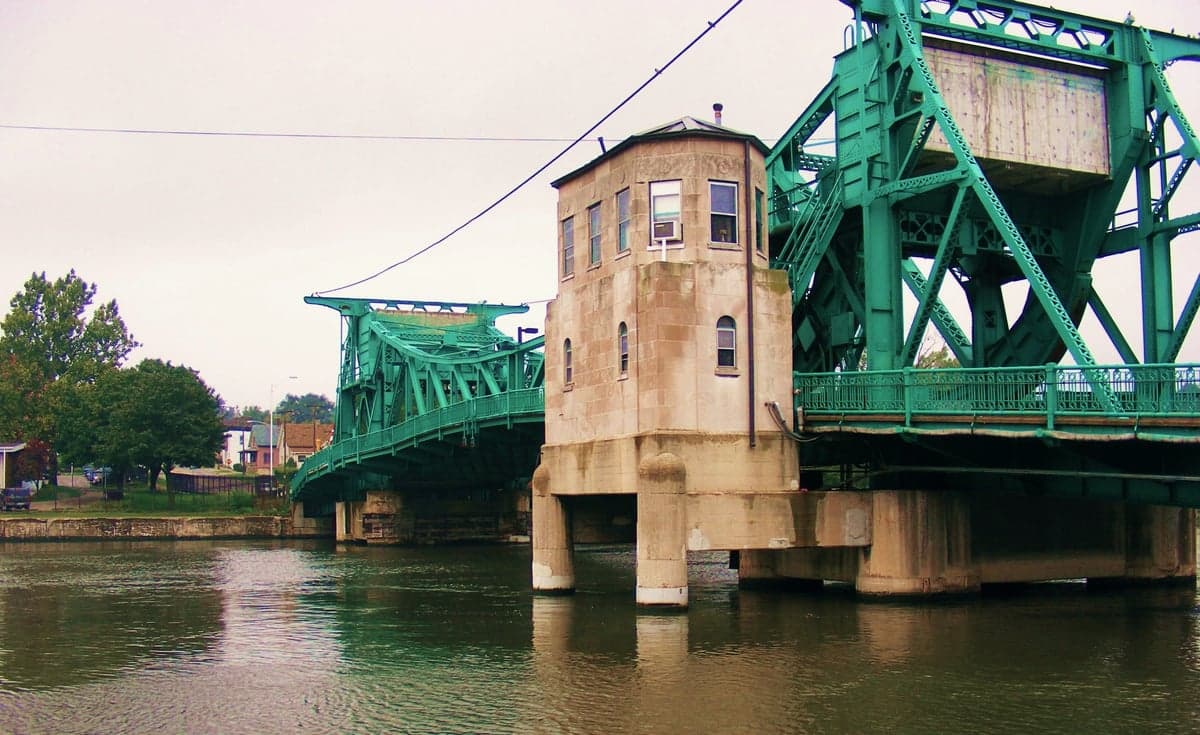
Photo: Wikipedia
Quality of Life in Joliet, IL
A high quality of life with strong walkability, manageable living costs, healthy neighborhood signals, and solid amenity access.
What does Quality of Life tell us?
Quality of Life blends cost of living, nearby amenities, socioeconomic signals, and neighborhood character. City-level scores represent the whole municipality; individual neighborhoods can differ.
What does this tell us?
Quality of Life blends cost of living, nearby amenities, socioeconomic signals, and neighborhood character. City-level scores represent the whole municipality; individual neighborhoods can differ.
Cost of Living
1% below national average
The Real Cost of Living in Joliet, IL for 2026
| Tier | Individual | Family (4) |
|---|---|---|
| Survival | $20k | $37k |
| Comfortable | $48k | $71k |
| Luxury | $124k+ | $192k+ |
| Elite (Top 5%) | $146k+ | $226k+ |
124%
The Area Signal
A metric tracking the socioeconomic signals of the area.
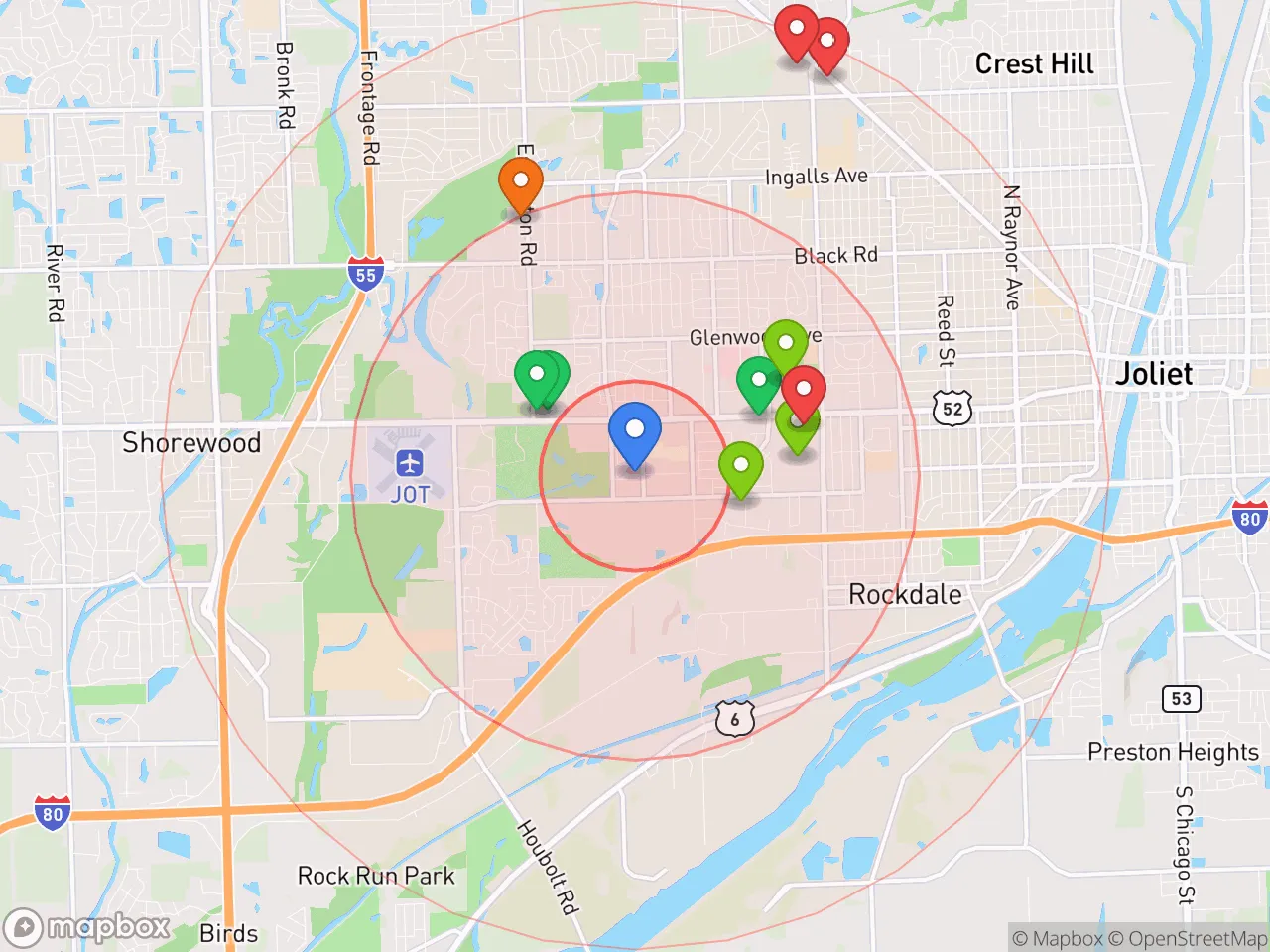
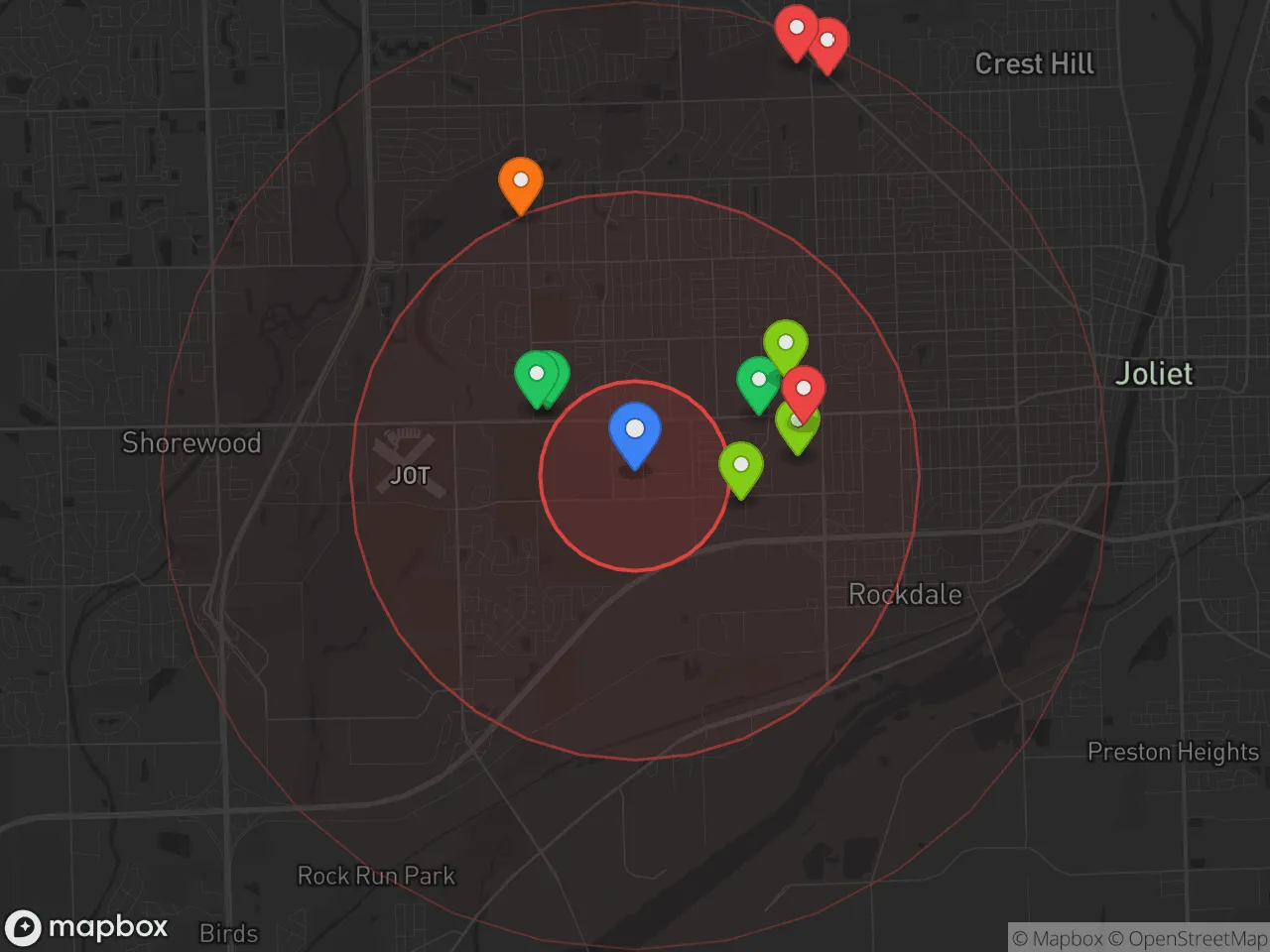
Hobbies
Explore the areaGroceries
7 within 10 miles
Gas
20 within 10 miles
Hospital
10 within 20 miles
Airport
MDW — Midway International
Post Office
USPS — Joliet, IL
Critical Amenities
Quality-of-Life Analysis
Joliet, Illinois, presents a quality-of-life profile that balances affordability with access to a major metropolitan economy, appealing primarily to middle-income families, long-term renters, and commuters who work in Chicago or the broader Will County job market. With a cost-of-living index of 99—essentially at the national average—and a median home value of $248,600, the city offers a tangible financial advantage over Chicago proper, where the median home value exceeds $300,000. The population skews toward working-age adults and families, with a median age of 36.5, and the housing stock reflects a mix of older single-family homes in historic districts and newer subdivisions in the far west and south ends.
Cost of living, housing affordability, and how Joliet compares to nearby cities
Joliet’s cost-of-living index of 99 means everyday expenses—groceries, utilities, transportation—run slightly below the U.S. norm, but the real savings come in housing. The median home value of $248,600 is roughly 30% lower than the Chicago metro median of about $350,000, and the median rent of $1,237 undercuts comparable suburbs like Naperville ($1,800+) and Plainfield ($1,500+). For a household earning the Will County median income of $85,000, the typical mortgage payment on a median-priced home consumes about 22% of gross income—well within the 28% threshold lenders prefer. Renters face a tighter squeeze: at $1,237, rent eats roughly 27% of that same income, but that still beats Chicago’s 32% average. The trade-off is a longer average commute of 29.4 minutes, driven largely by workers heading north on I-55 or I-355 to jobs in the Chicago Loop or western suburbs. Within Joliet itself, commute times drop to under 20 minutes for local jobs in healthcare, logistics, and manufacturing.
What daily life is like for families: schools, parks, and local amenities
Daily life in Joliet revolves around a robust park system—the Joliet Park District operates 70 parks, including the 1,100-acre Pilcher Park Nature Center—and a school landscape that varies by neighborhood. Joliet Public Schools District 86 serves the city’s elementary and middle grades, while Joliet Township High School District 204 runs three main high schools: Joliet Central, Joliet West, and Joliet East. West Joliet’s schools generally score higher on state assessments, with Joliet West posting a 68% graduation rate versus Central’s 62%. For families seeking alternatives, parochial options like St. Mary Nativity School and Providence Catholic High School draw from across the region. The city’s downtown has seen a revival anchored by the Rialto Square Theatre, a restored 1926 vaudeville house hosting concerts and Broadway tours, and the Joliet Slammers minor-league baseball team plays at DuPage Medical Group Field from May to September. Retail is concentrated along the I-80 corridor, with the Louis Joliet Mall and a growing number of big-box centers near the intersection of I-55 and Route 30.
Joliet is best suited for families and commuters who prioritize housing affordability and space over urban walkability or nightlife. The city’s industrial and logistics base—anchored by the Joliet Arsenal redevelopment, which houses a massive Amazon fulfillment center and a Cargill plant—provides stable employment for residents without a college degree, while the Metra Heritage Corridor and Rock Island District lines offer direct rail service to Chicago’s LaSalle Street Station in about 70 minutes. Retirees on fixed incomes may find the property tax burden heavy (Will County’s effective rate is roughly 2.3%), but younger households building equity will benefit from Joliet’s below-average home prices relative to the metro. Those seeking a dense, walkable urban environment should look elsewhere; Joliet is a car-dependent, family-oriented city where the trade-off between cost and convenience works best for people who value a yard, a garage, and a shorter mortgage term over a 15-minute walk to a coffee shop.

Crime in Joliet, IL
Generally safer than 63% of comparable U.S. locations.
Violent CrimeViolent Crime Analysis
Property CrimeProperty Crime Analysis
Crime Analysis
Joliet, Illinois, presents a crime and safety profile that warrants careful consideration, particularly for those relocating from lower-crime areas. The city's violent crime rate stands at 342.3 incidents per 100,000 residents, while property crime occurs at a rate of 1,150.4 per 100,000. These figures place Joliet in a category where residents face elevated risks compared to national benchmarks, a situation compounded by the broader criminal justice environment in Will County and the state of Illinois.
Crime in context
Joliet's violent crime rate is notably higher than the national average of approximately 380 per 100,000, but it is the property crime rate that stands out most sharply. At 1,150.4 per 100,000, property crime in Joliet is roughly 40% higher than the national median for cities of similar size. When compared to the state of Illinois, which has a property crime rate around 1,500 per 100,000, Joliet sits slightly below the state average but remains elevated relative to safer suburban communities in the region. The city's proximity to Chicago and its status as a regional economic hub contribute to these figures, but the local justice system's approach also plays a role. Will County has seen a trend toward progressive prosecution policies, including reduced cash bail and diversion programs for property offenders, which critics argue leads to higher recidivism and more crimes on the street.
What residents experience
For those living in Joliet, the daily reality involves a tangible awareness of property crime. Vehicle break-ins, package thefts, and residential burglaries are the most commonly reported incidents, particularly in neighborhoods near major thoroughfares like Interstate 80 and Route 53. Violent crime, while less frequent, is concentrated in specific areas and often tied to gang activity or domestic disputes. Residents report that feeling safe after dark varies significantly by block, with well-lit, patrolled areas near the downtown riverfront and newer subdivisions feeling more secure than older, denser neighborhoods. The presence of progressive district attorneys in the 12th Judicial Circuit has led to policies that prioritize treatment over incarceration for non-violent offenders, a stance that some residents believe emboldens repeat property criminals and undermines public confidence in the justice system.
Neighborhood-level variation
Safety in Joliet is not uniform. The far west side, including areas near the Louis Joliet Mall and newer developments along Caton Farm Road, generally experiences lower crime rates than the east side and central neighborhoods near the historic downtown. The east side, particularly around Collins Street and Eastern Avenue, sees higher concentrations of both violent and property crime, while the Cathedral Area and the neighborhoods surrounding Joliet Junior College tend to be quieter. Prospective residents should examine block-level crime maps and consider visiting at different times of day, as the difference between a safe street and a high-risk block can be stark. Overall, Joliet requires a cautious approach: it offers urban amenities and affordability, but the crime data and the local justice philosophy demand that newcomers take proactive safety measures.
* Values derived from national, state, county, city and local statistics and may differ in a specific area. Last updated: 2026-04-29T23:54:42.000Z
Narrative content on this page is AI-generated and may contain mistakes. Verify any details that matter before acting on them.
ReloMaps may earn a commission from affiliate links at no extra cost to you.

