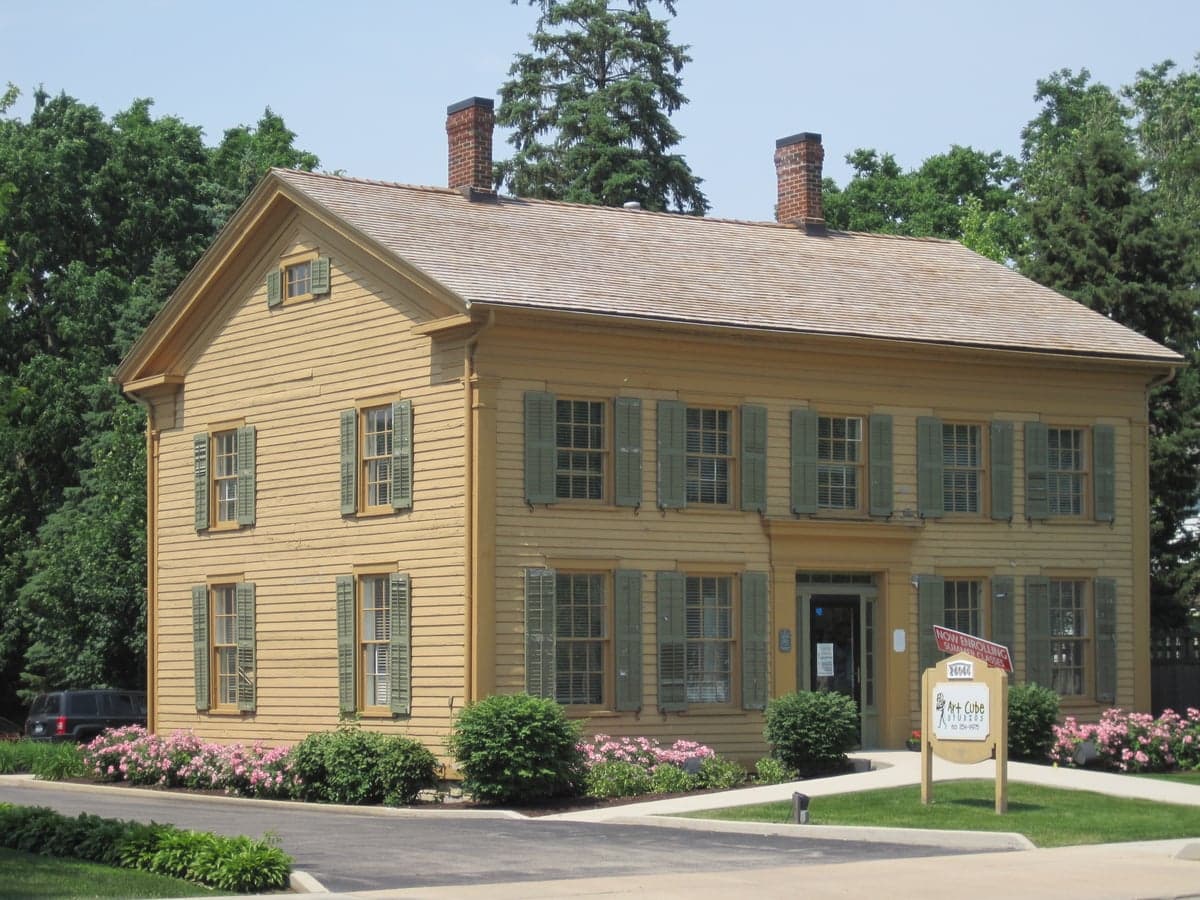
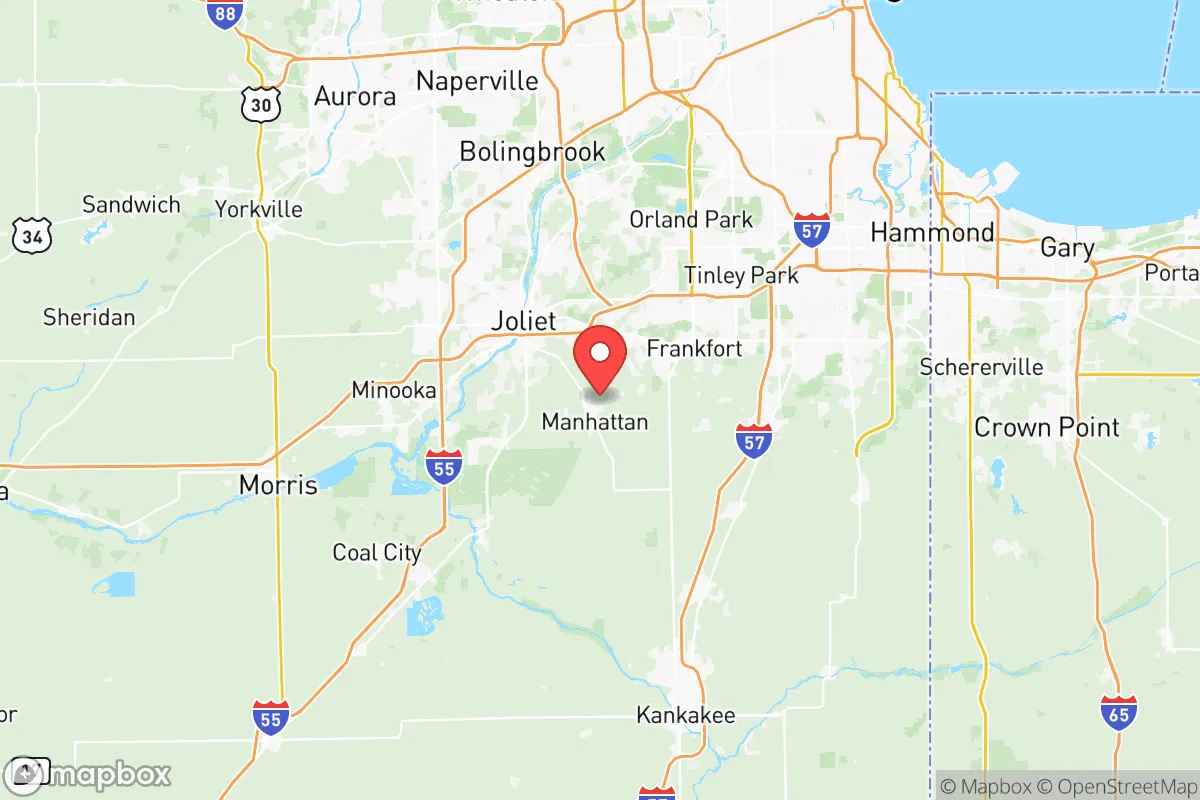
Photo: Wikipedia
Find The Best Places To Live in Will County
PRO TIP! You can paste a Zillow or Redfin link to get info on that property.
Best Places to Live in Will County
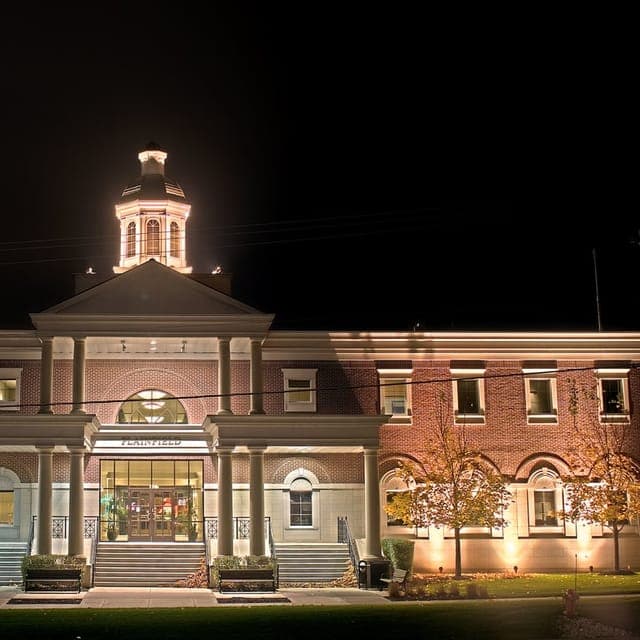
Cities & Towns in Will County
Cities in Will County
What It's Like Living in Will County, IL
Living in Will County means straddling two worlds: the quiet, land-anchored rhythm of farm country and the daily pull of Chicago’s job market, all within a county that feels like its own small universe. You’ll find folks in Joliet arguing over high school football rivalries, families in Plainfield trading city commutes for backyard space, and retirees in Mokena who’ve watched cornfields turn into subdivisions. It’s a place where the median income sits at $107,799 and the median home value hovers around $298,000—a combination that makes it one of the more attainable suburbs for people who want space without leaving the metro area entirely.
Daily Rhythm: The Commute, the Schools, and the Weekend Reset
For most people here, the day starts early. The average commute clocks in at just under 32 minutes, and that number feels real if you’re driving from Manhattan or New Lenox into downtown Chicago or the western suburbs. The Metra lines—the Rock Island District and the Heritage Corridor—are packed with laptops and coffee cups, especially from stations in Joliet, Lockport, and Mokena. If you work in the county itself, you’re likely at a logistics hub near I-55 or a healthcare facility in Bolingbrook. After work, the rhythm shifts to school events: Friday-night lights are a big deal in Lincoln-Way East and Providence Catholic territory, and the local high school gyms fill up for winter basketball. Weekends often mean a trip to the Joliet Slammers baseball games at DuPage Medical Group Field or a slow afternoon at the Will County Forest Preserves, where the Rock Run Preserve in Joliet offers legit hiking and a restored canal. The cost of living index sits at 115—higher than the national average, but noticeably lower than DuPage or Lake County, which is why families from Naperville and Downers Grove sometimes move south to places like Shorewood or Channahon for a bigger house on a quarter-acre lot.
Sports, Community, and the Local Identity
Will County doesn’t have a major pro sports team, but it doesn’t seem to mind. The identity here is built around high school athletics and community pride. Joliet Catholic Academy and Lincoln-Way East draw huge crowds for football, and the rivalry between Joliet Township and Plainfield North can get heated enough to make local news. For pro sports, people drive north to Chicago or catch the Windy City Bulls (the Bulls’ G League affiliate) in Hoffman Estates, but the real local draw is the Joliet Slammers—a Frontier League team that plays in a stadium right off I-80. The games are cheap, the beer is cold, and the crowd is a mix of retirees and young families. The county’s cultural quirks show up in festivals: Plainfield’s Summerfest in July, Lockport’s Old Canal Days in June, and the Will County Fair in Peotone, which still has a demolition derby and a livestock auction. There’s a stubborn, blue-collar streak here—people who remember when Joliet was a steel town and the county was mostly farmland. That identity shows in the local bars: Briscoe’s Bar & Grill in Mokena and Harold’s Inn in Homer Glen are the kind of places where the bartender knows your order and the jukebox leans toward classic rock.
What’s There to Do: Outdoors, Eats, and the Weekend Escape
Outdoor life is a bigger deal here than outsiders expect. The Midewin National Tallgrass Prairie near Wilmington is a 20,000-acre restored prairie with bison herds and hiking trails—a genuine escape from suburban sprawl. The Des Plaines River Trail runs through the county, and the I&M Canal Trail in Channahon is popular for biking and fishing. For food, the scene is solid but not flashy. Bianca’s Pizza in Joliet is a local institution for thin-crust tavern-style pizza, and Pioneer Tap in New Lenox serves a burger that people drive from Orland Park to eat. The Rialto Square Theatre in downtown Joliet is a restored 1920s vaudeville palace that hosts concerts, comedians, and Broadway tours—it’s the kind of venue that makes you feel like you’re in a bigger city for a night. The downsides? Traffic on I-55 and I-80 can be brutal during rush hour, especially near the I-355 interchange. The violent crime rate is 225.9 per 100,000, which is below the national average but higher than some of the western suburbs—most of that is concentrated in parts of Joliet, and the rest of the county feels very safe. The median age is 38.9, and 36.5% of adults hold a college degree, which puts Will County in a middle ground: educated enough to support good schools and a growing healthcare sector, but not so white-collar that it loses its working-class roots.
Pros and Cons of Living Here
- Pro: Housing affordability relative to the rest of the Chicago metro. A median home value of $298,000 gets you a 3-bedroom ranch with a yard in New Lenox or a townhouse in Bolingbrook—impossible in Naperville or Arlington Heights.
- Con: The commute. If you work downtown, you’re looking at 45 minutes to an hour on the train, and driving I-55 during snow season is a test of patience.
- Pro: Strong community feel. Schools are a central hub, and the county’s 698,450 people are spread out enough that you don’t feel crowded, even in the bigger towns.
- Con: Entertainment options are limited compared to the city. You’ll drive to Chicago for major concerts, pro sports, or a truly diverse restaurant scene. The local dining leans heavily on pizza, burgers, and Mexican—good, but not adventurous.
- Pro: Outdoor access. The forest preserves, the prairie, and the canal trails are underrated and rarely crowded.
- Con: Property taxes are high—Illinois’s tax burden is real, and Will County is no exception. Expect to pay around 2.5% of your home’s value annually.
For the kind of person who fits here, it’s someone who values space and community over urban convenience. Parents who want a yard and a good school district without paying Naperville prices. Singles who work in logistics, healthcare, or trades and want a house they can actually afford. Retirees who like the quiet of Mokena or the slower pace of Wilmington. The weather follows the usual Midwest rhythm: hot, humid summers, cold winters with lake-effect snow, and a glorious two-week spring that everyone talks about. Will County doesn’t try to impress you. It just works—and for the people who live here, that’s exactly the point.

* Values derived from national, state, county, city and local statistics and may differ in a specific area. Last updated: 2026-05-12T05:27:10.000Z
Narrative content on this page is AI-generated and may contain mistakes. Verify any details that matter before acting on them.
ReloMaps may earn a commission from affiliate links at no extra cost to you.

